What Neighbours Usually Call About
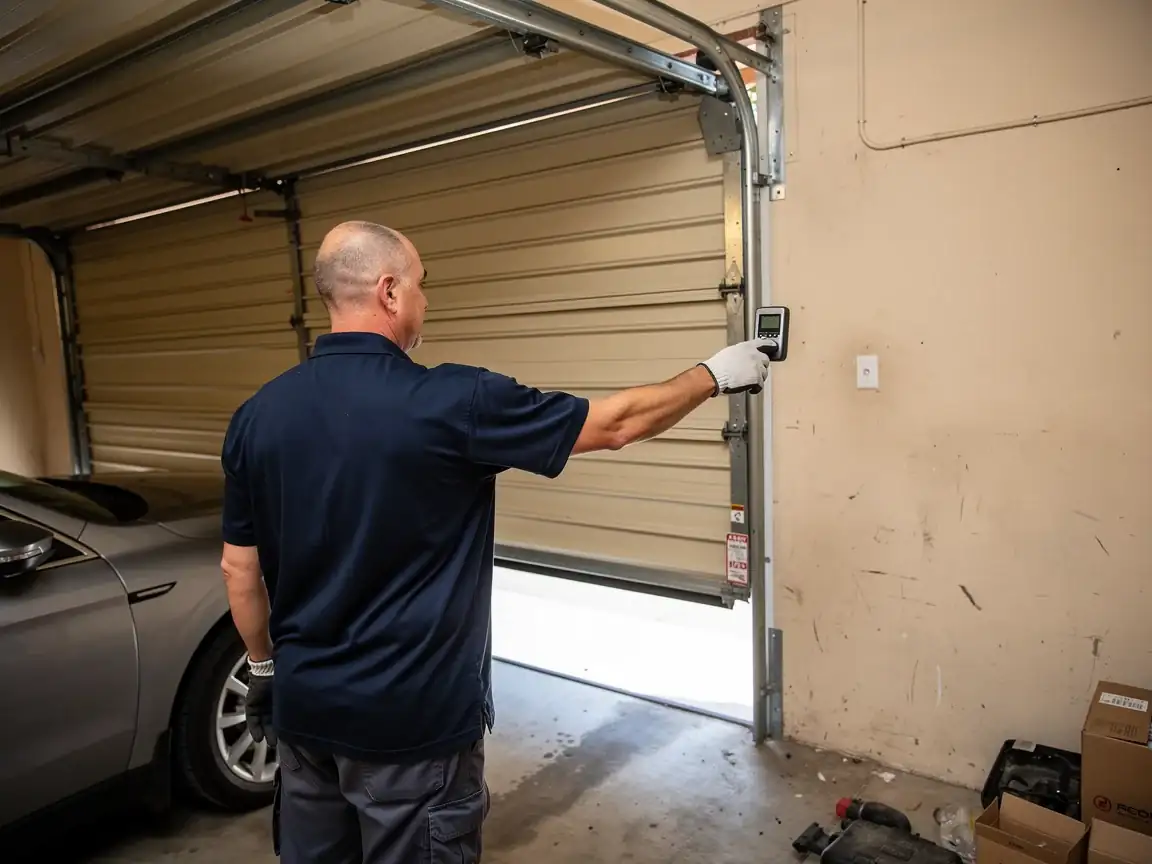
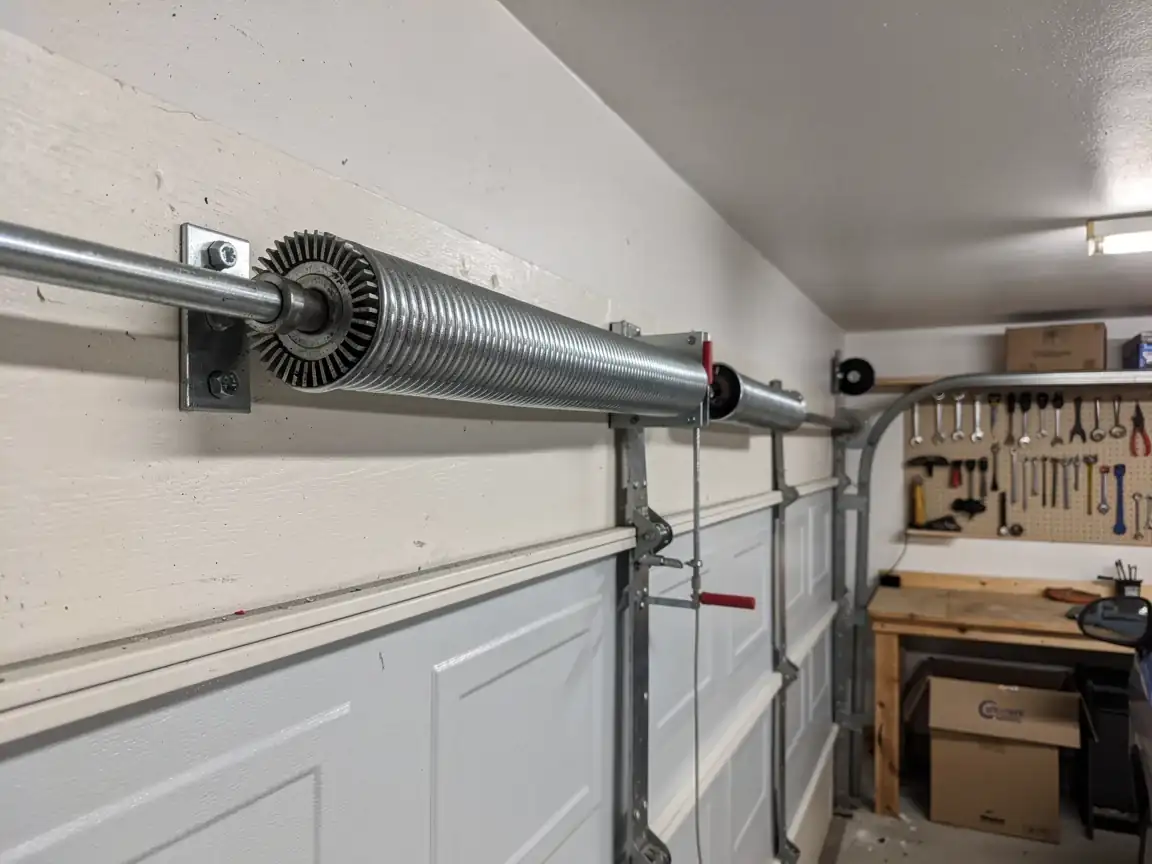
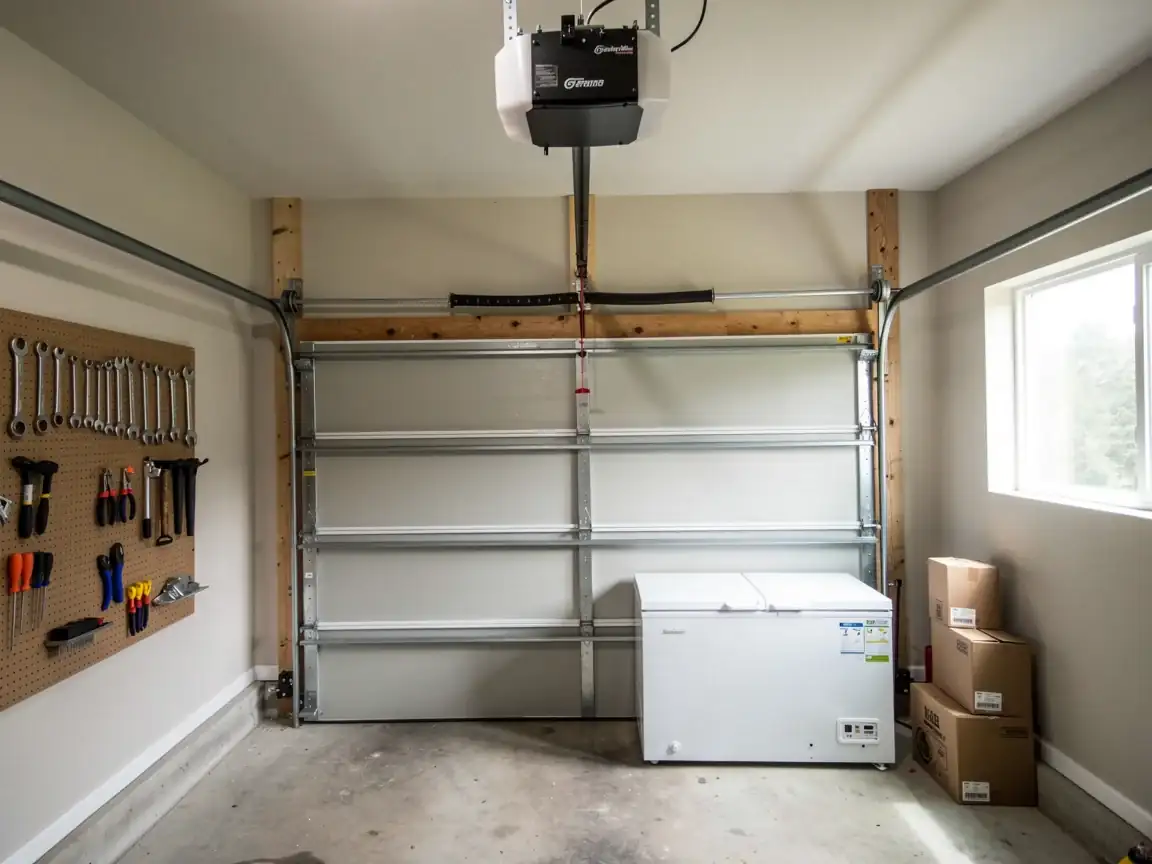
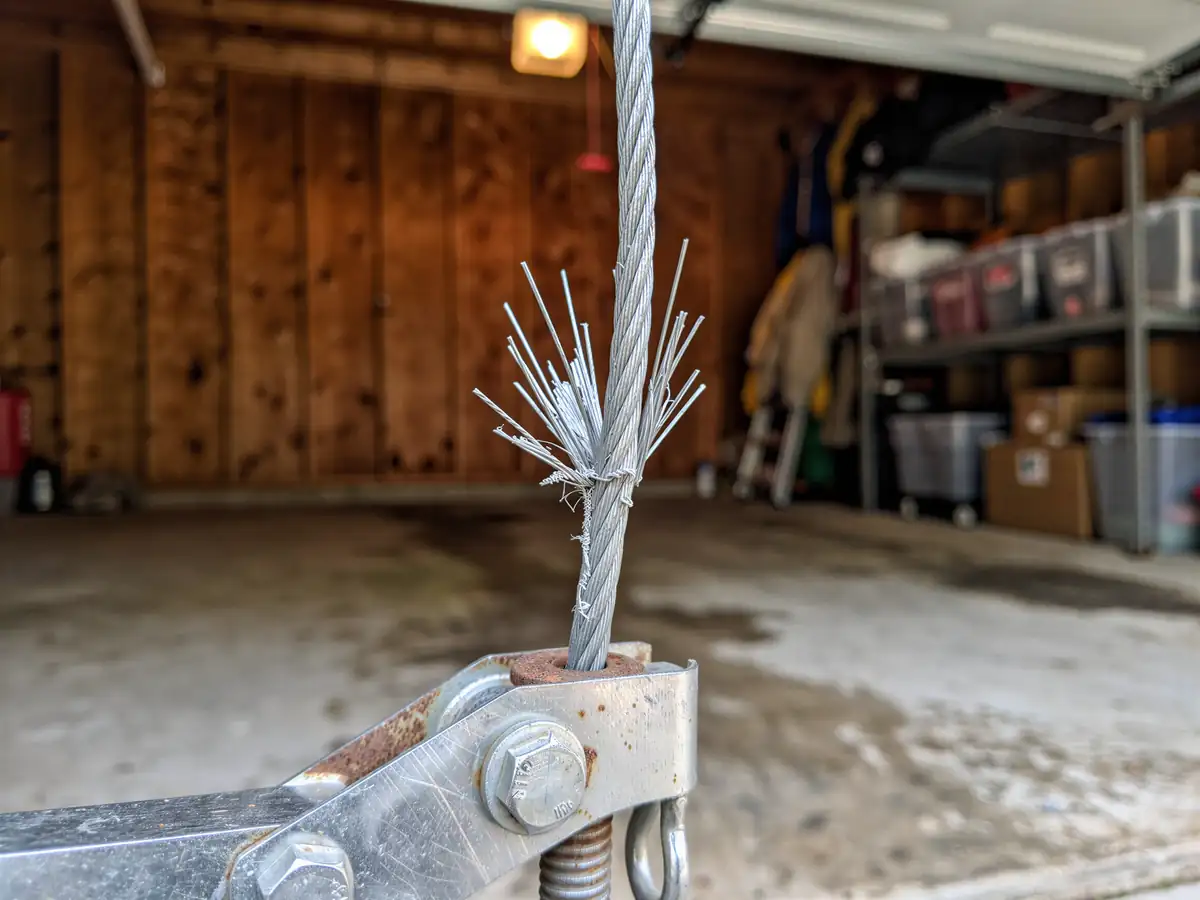
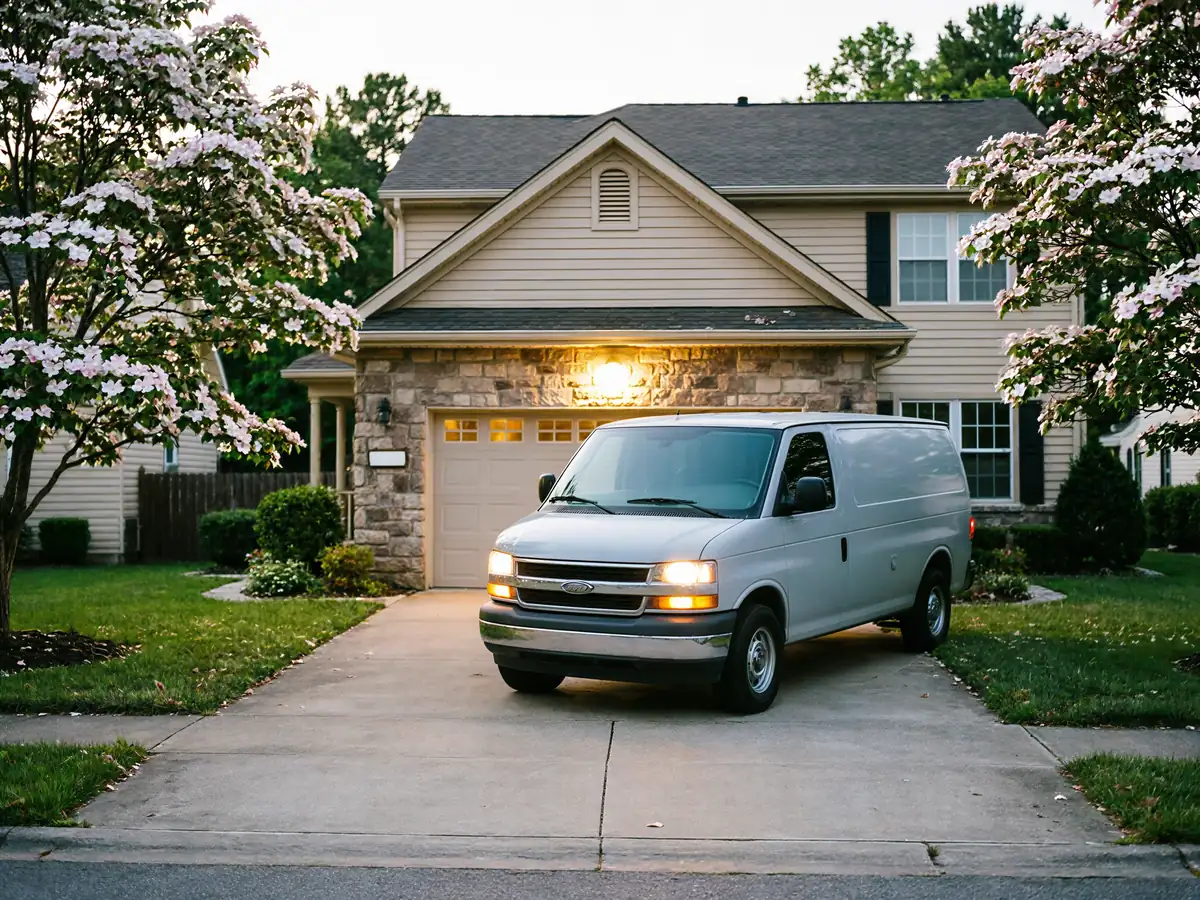
Ball Ground sits about 18 miles out from our shop in Woodstock, and the calls we get from out here read differently than the ones from closer in. The median house in this area was built around 2006, which puts most of the neighbourhood well inside the era of factory steel doors on extension or torsion springs rated for those panels, plus openers with circuit boards instead of the old mechanical limit switches. That means fewer calls about a door so old the cable drums have rusted solid, and more calls about a logic board that's lost its limit settings, a safety sensor knocked out of alignment, or a wall console that stopped talking to the opener. We also hear from people whose spring just let go - newer doors still wear through a spring in the same way older ones do, the spring doesn't know the house is young. Because this is a trip out from Woodstock rather than a stop on the way to somewhere else, we ask what's wrong up front so we can bring the right spring size and the right sensor kit on the first run instead of a second one.
What We Do Most in This Area
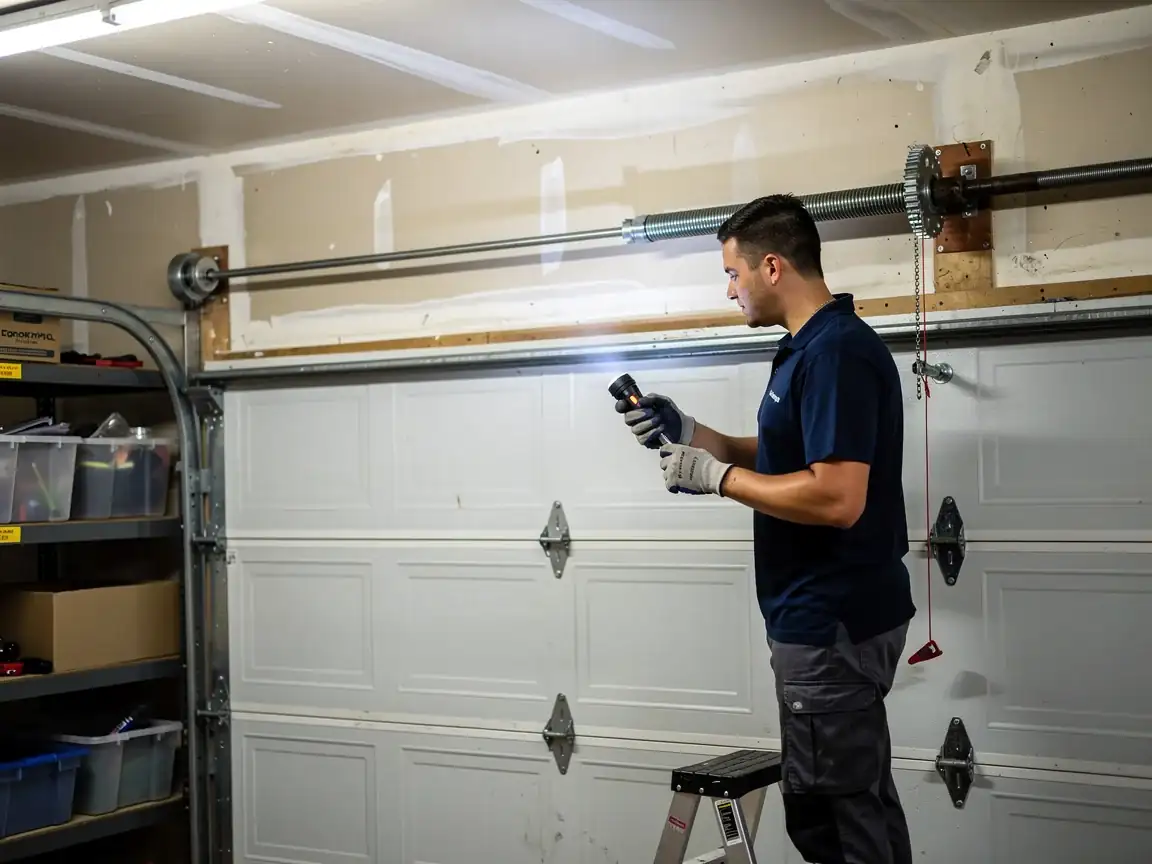
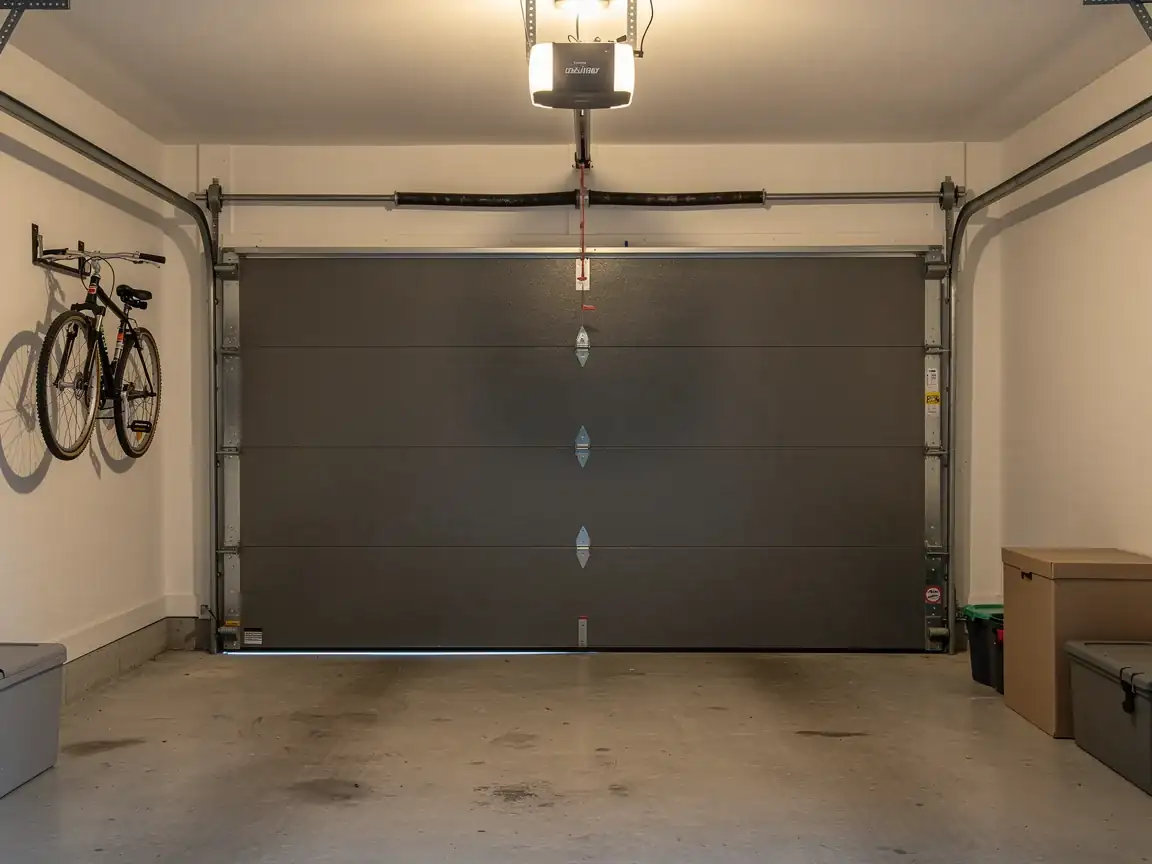
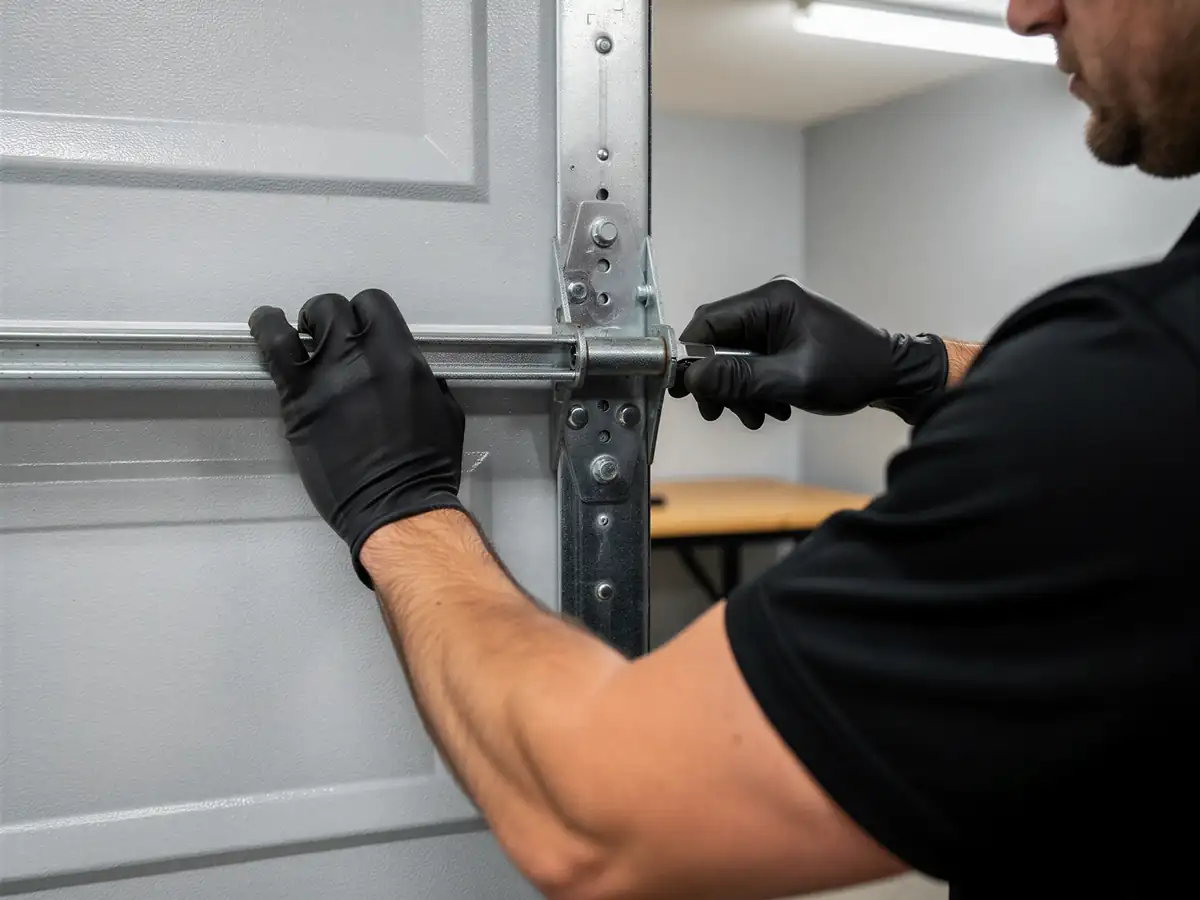
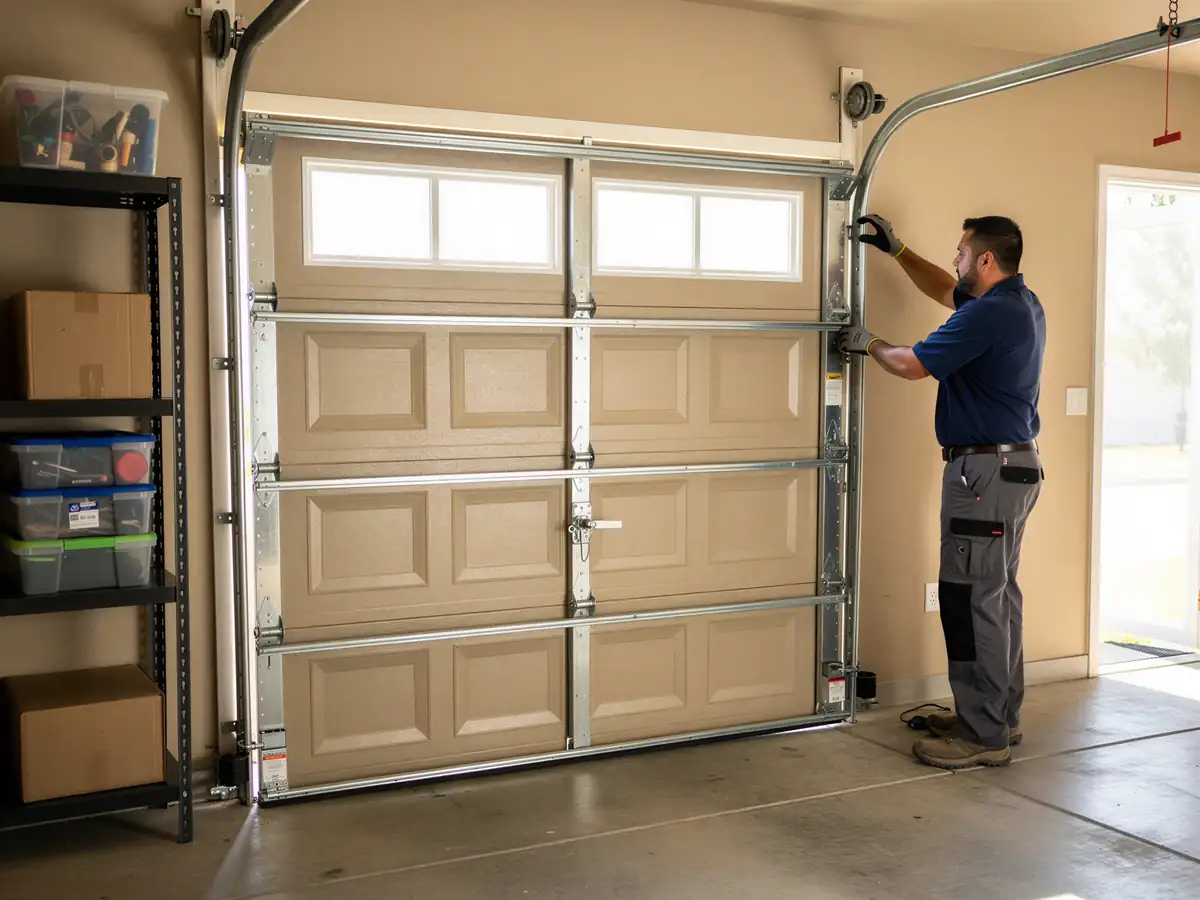
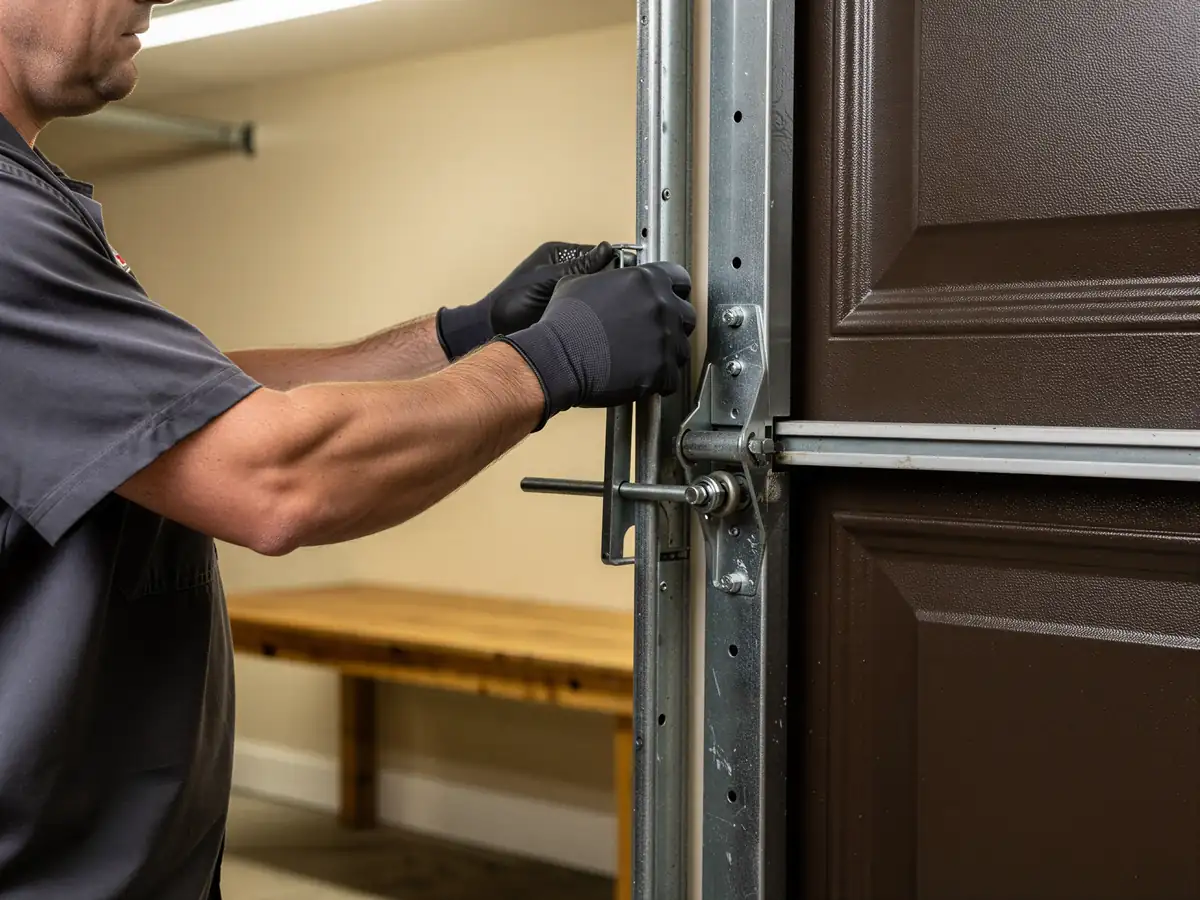
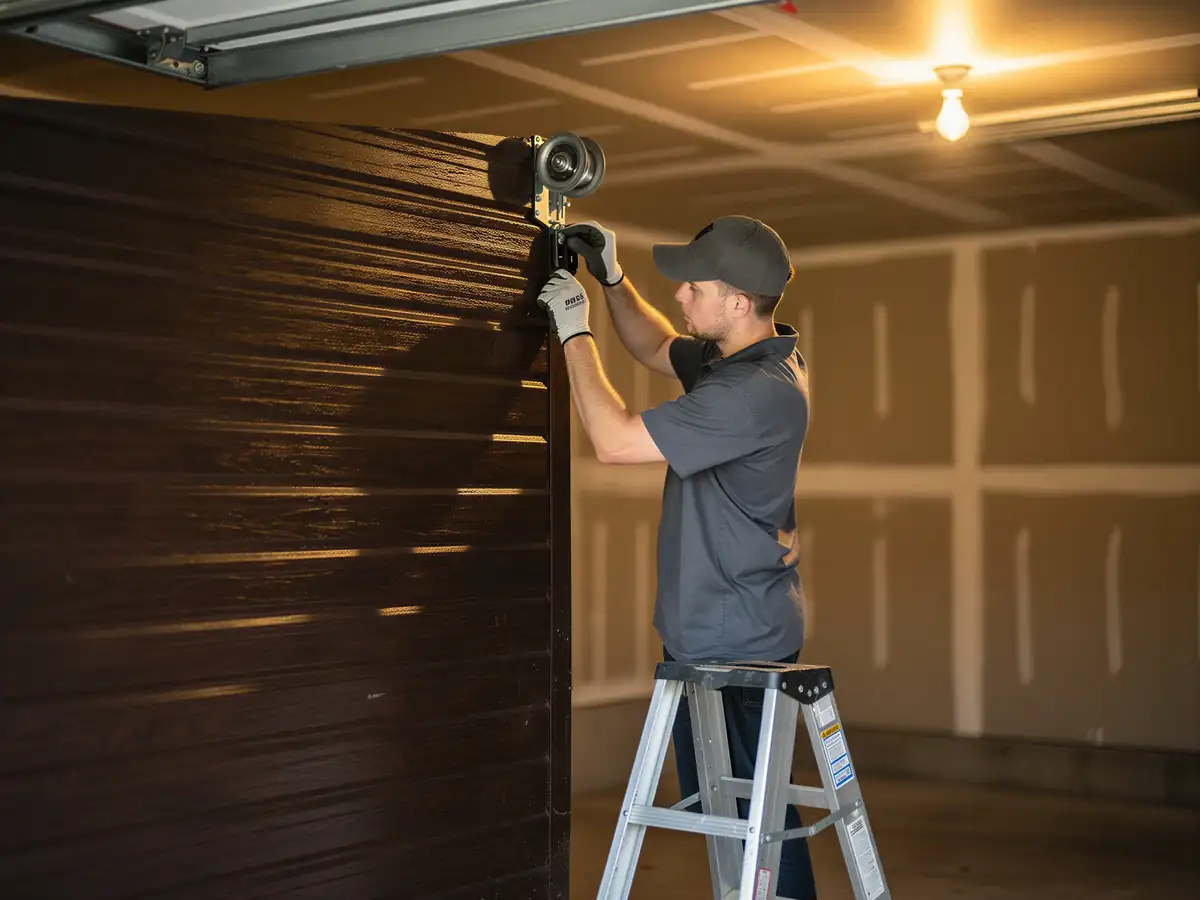
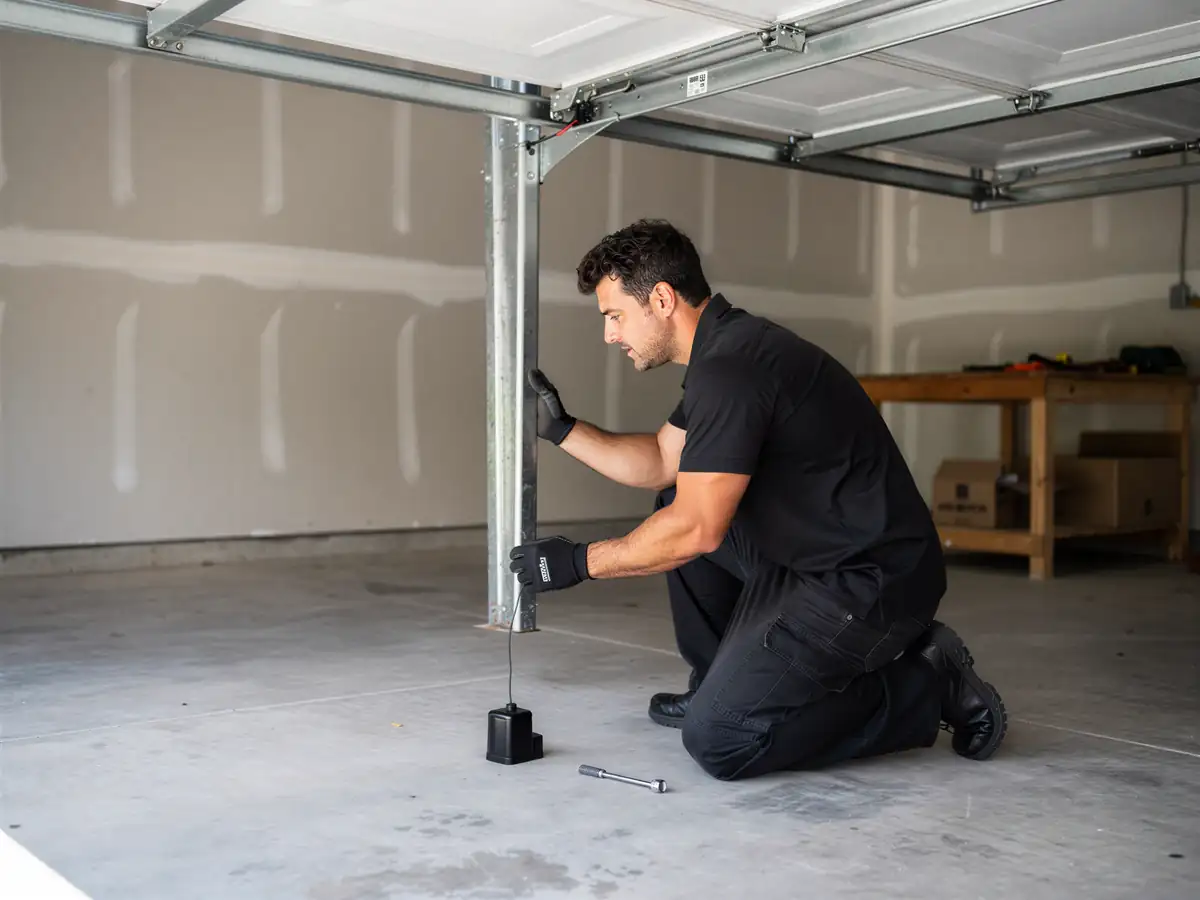
Given the age of the stock, the jobs we actually do in Ball Ground lean toward torsion spring replacement on doors that are 15-20 years into their life, opener board and sensor repair, and seal or weatherstrip replacement ahead of the cold months. We don't do much structural rebuild work here - the kind of job where a track bracket has pulled out of rotted jamb wood - because the housing simply isn't old enough for that to be common. One honest limitation: if your opener logic board is a discontinued model from a brand that's since changed hands, we may need to replace the full opener rather than source an exact board, and that's a conversation we'll have with you before any work starts, not after. With roughly 1,024 households in this immediate area and a median income above $112,000, we also see more requests for quieter belt-drive openers as upgrades rather than straight repairs - that's a want, not a need, and we'll tell you which one your door actually is.
The Houses Here
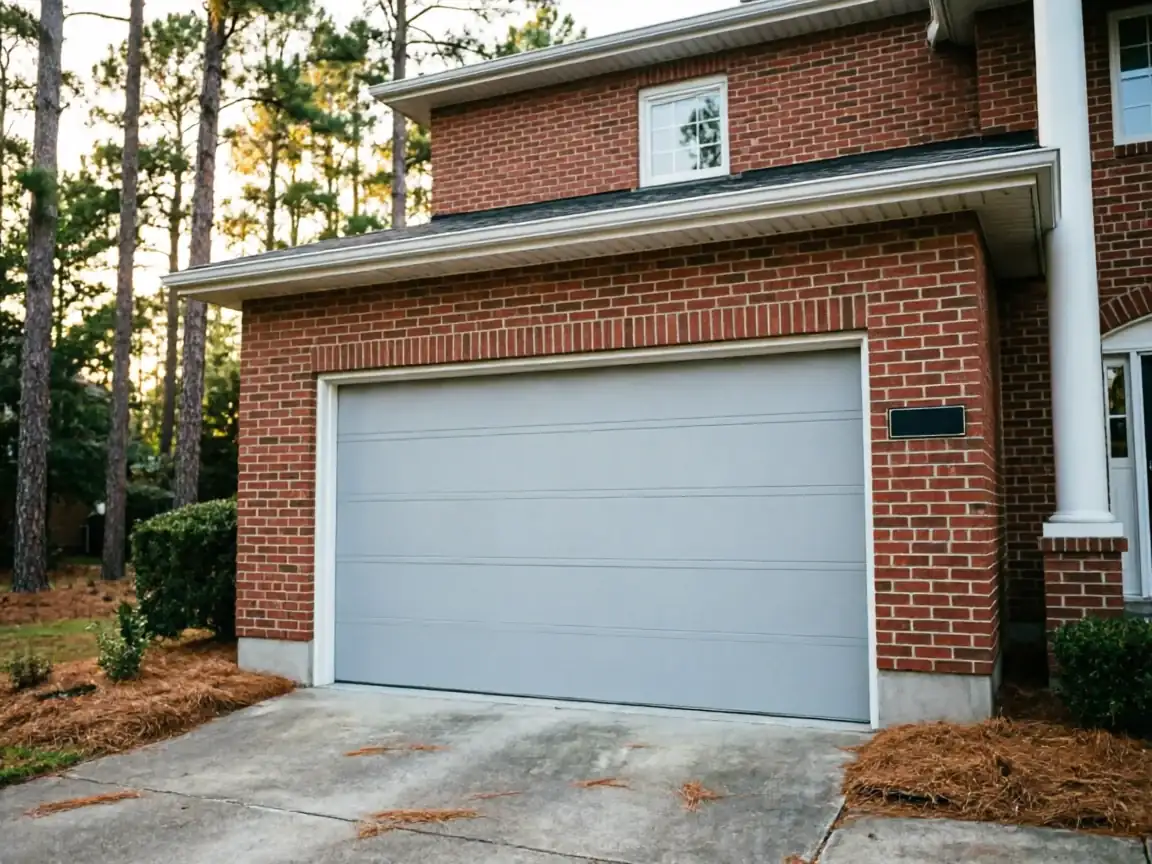
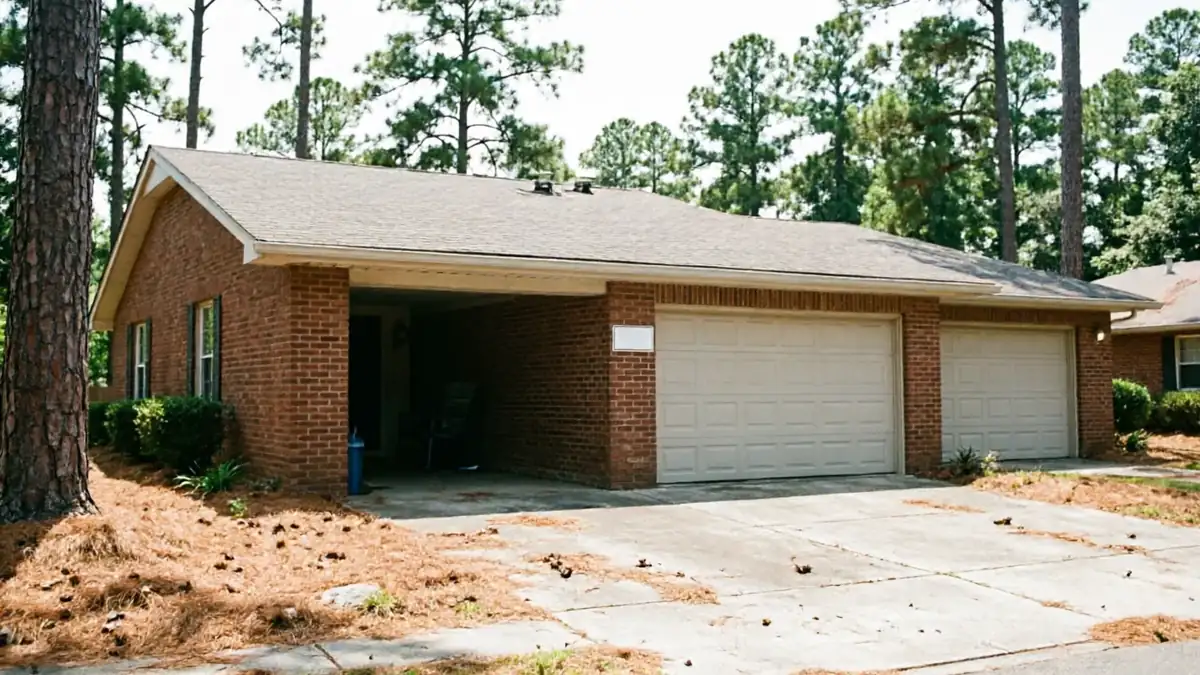
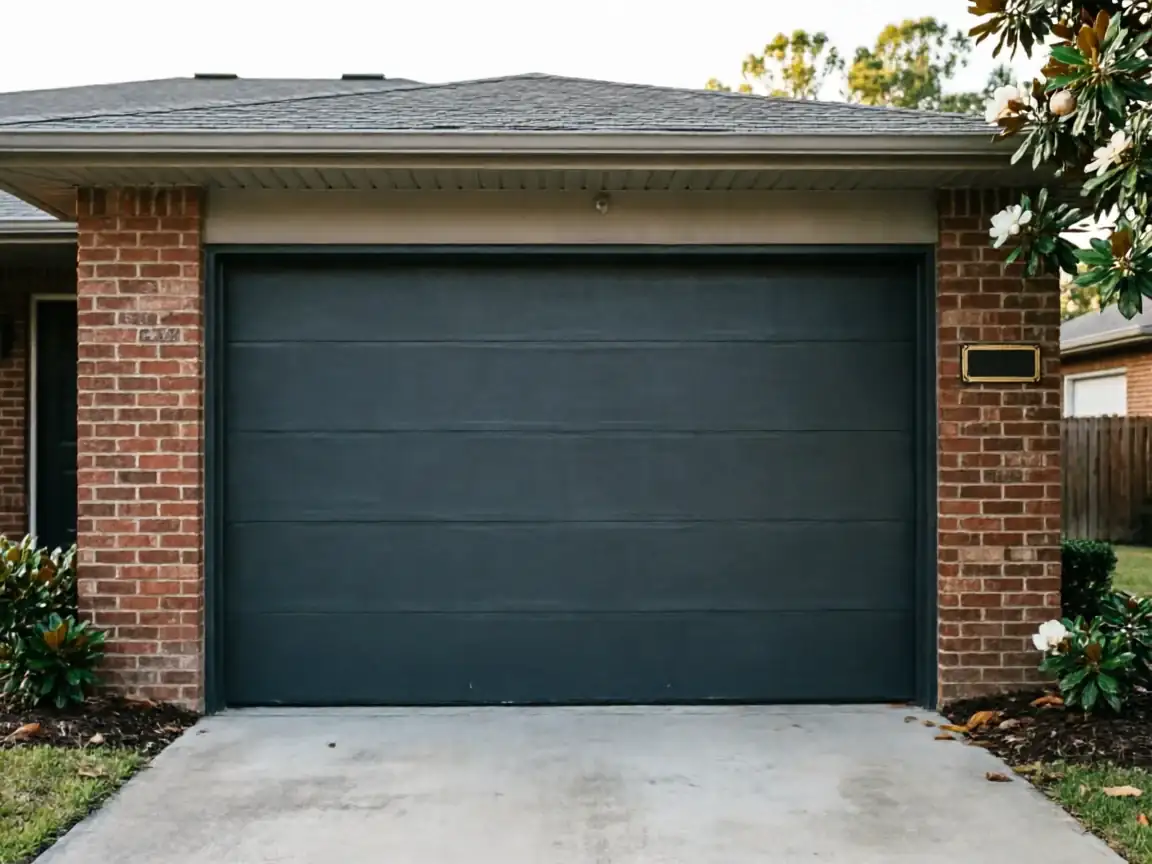
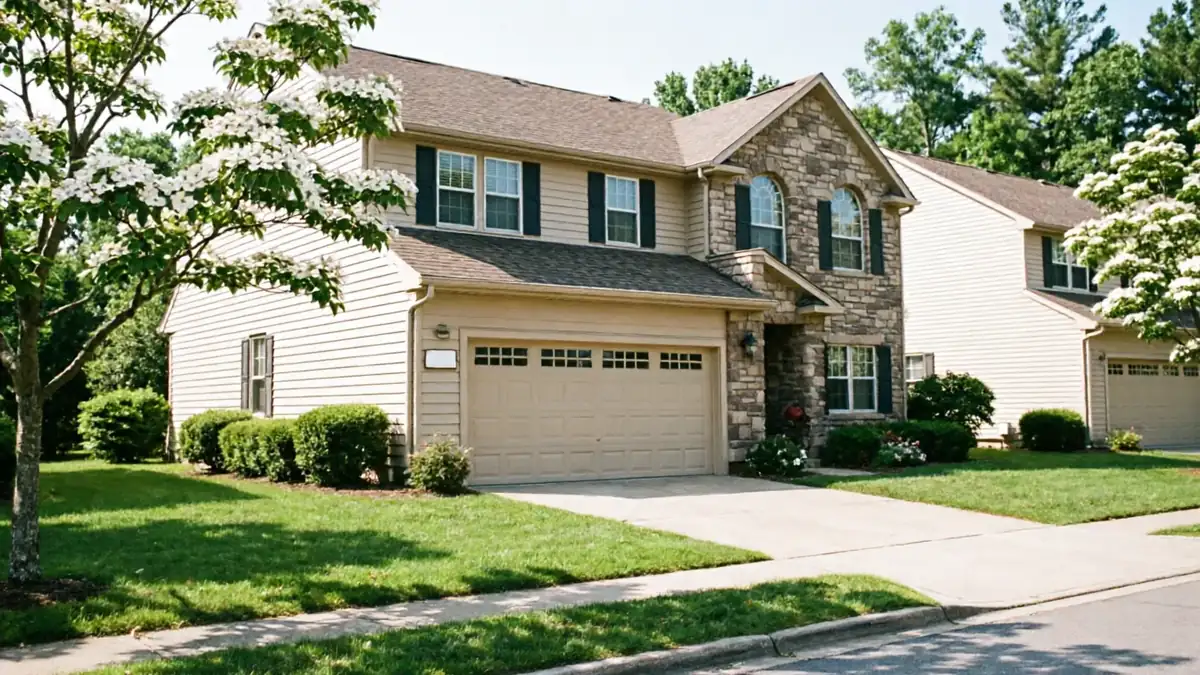
The homes built around Ball Ground in the mid-2000s tend to share a layout: attached two or three-car garages, steel doors in standard 8 or 9-foot widths, and openers mounted to a finished ceiling rather than exposed rafters. That standardisation is a genuine advantage for repair work - parts fit predictably, and there's rarely a need to special-order hardware the way you would for an older one-piece door on side-mounted track. It also means that when something does go wrong, it's usually a wear part: a roller, a cable, a spring reaching the end of its cycle count, not a structural mismatch between old hardware and new parts. We travel the 18 miles from Woodstock for both repair calls and full door replacements here, and because the stock is fairly uniform, we can usually tell you over the phone what a job involves before we ever see the door.