What to Check
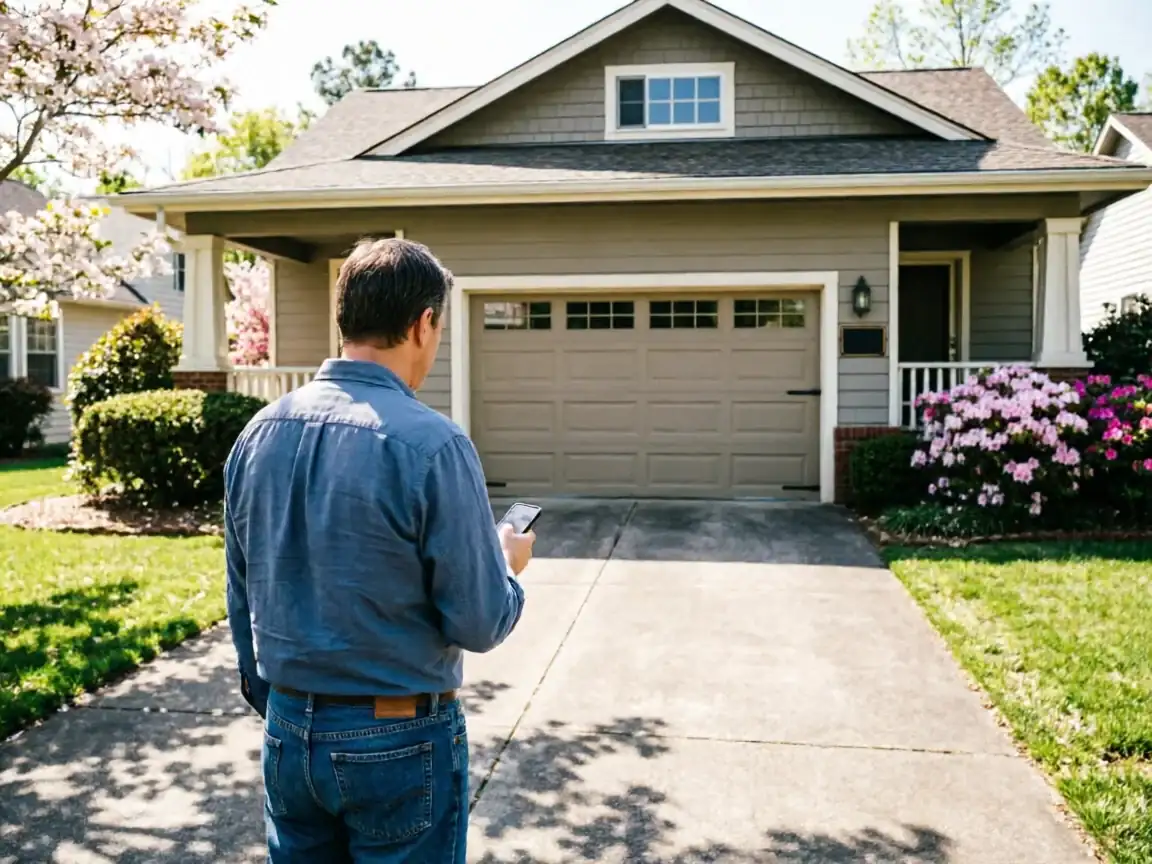
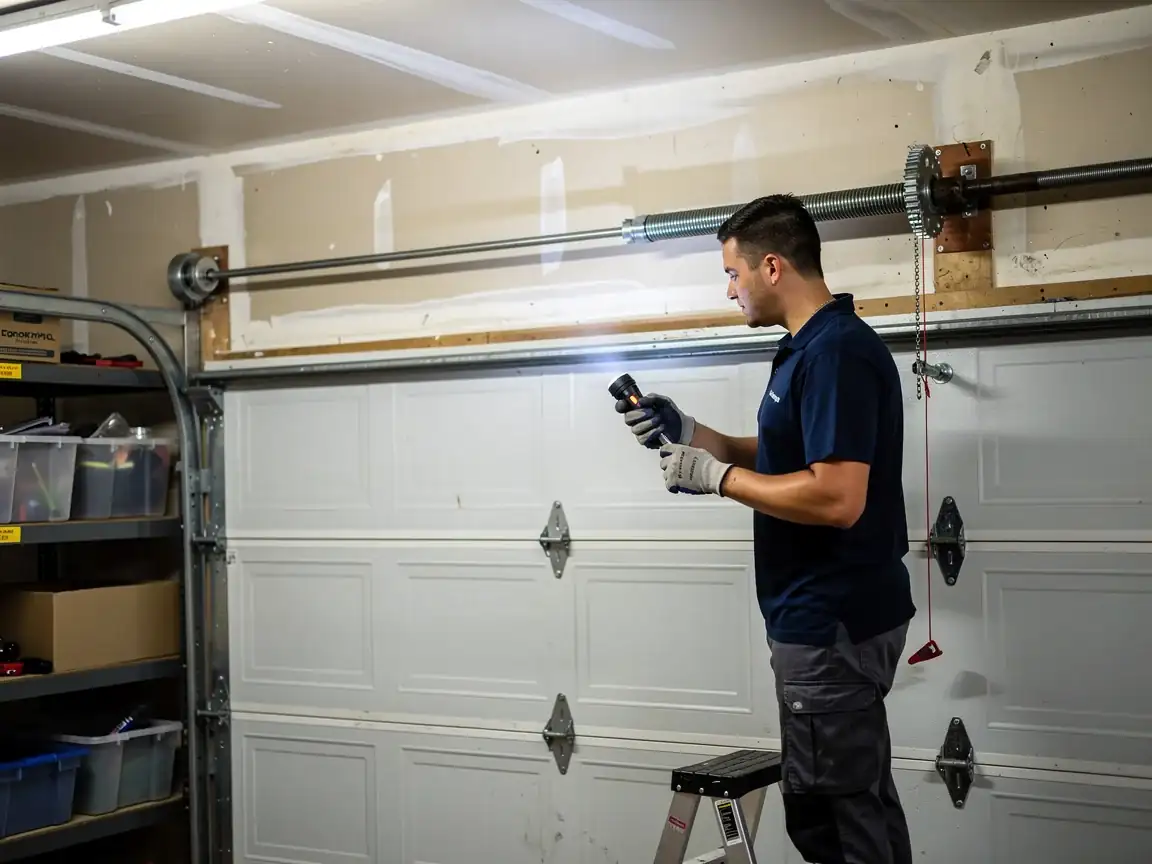
Most of the houses we get called to here went up between 1964 and 2007, with the median build year sitting around 1984. That spread matters because a service call on a house built in the mid-60s looks nothing like one on a house from the late 90s. The older end still has original torsion hardware that nobody stocks new anymore, so a tech checks the drum size, the shaft diameter, and whether the spring winding cones match what's on the truck before promising a same-visit fix. The newer end, closer to 2000s construction, usually has steel rolled-panel doors on standard extension or torsion springs, which is easier parts-wise but often means the opener is the original unit and is simply worn out.
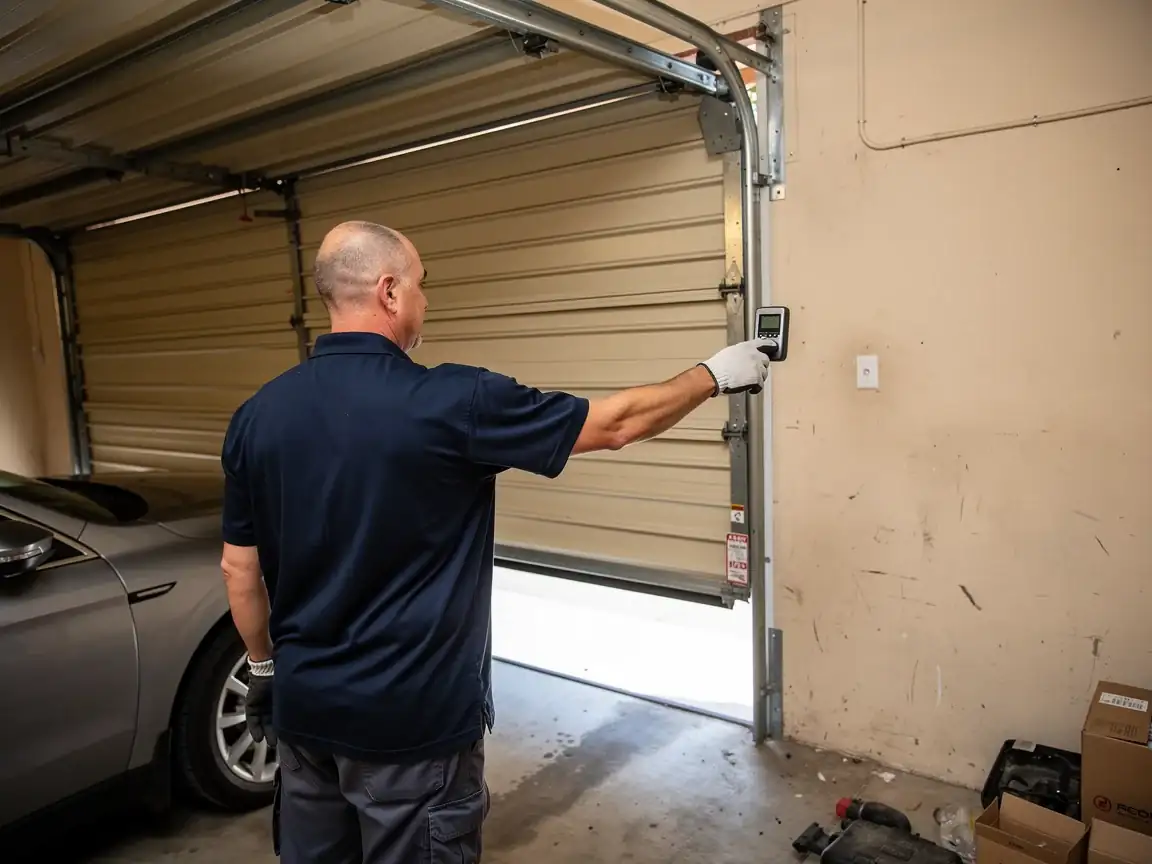
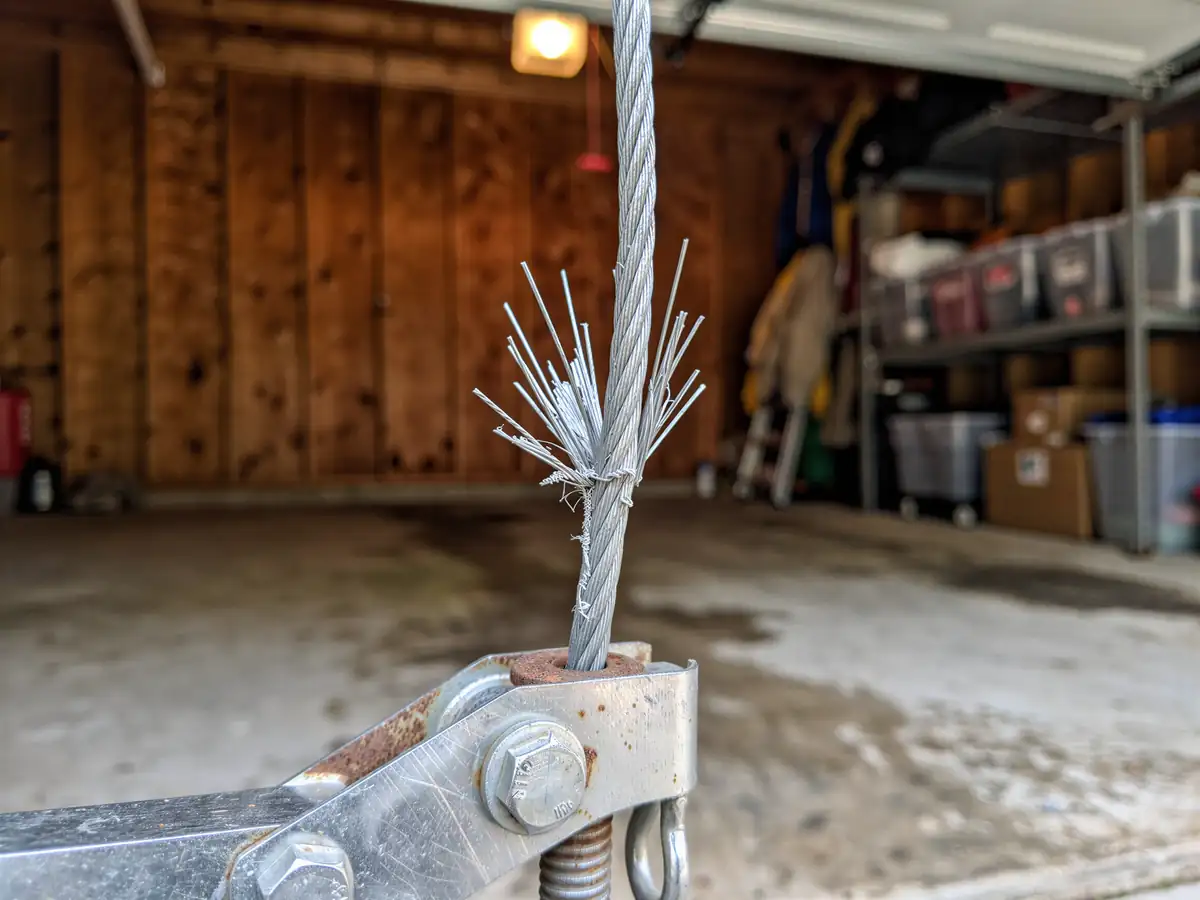
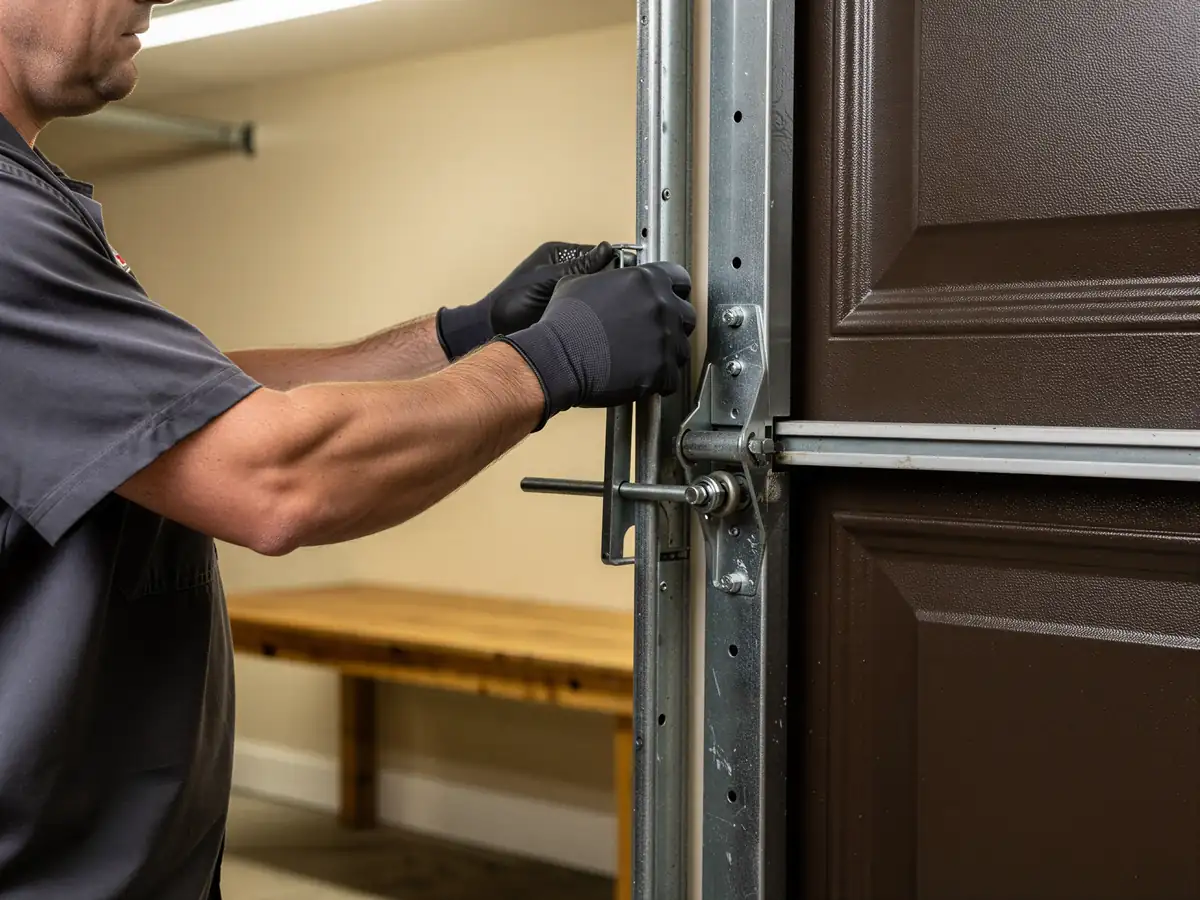
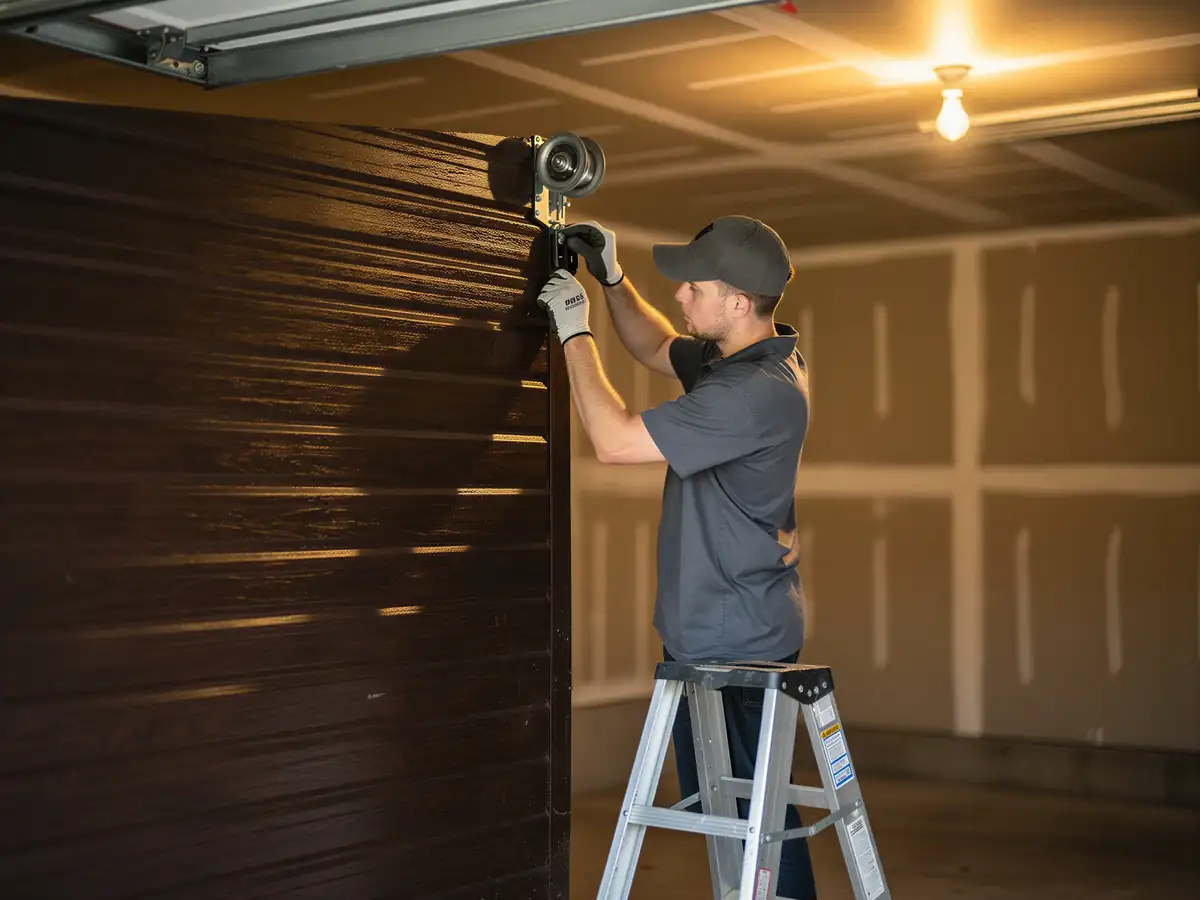
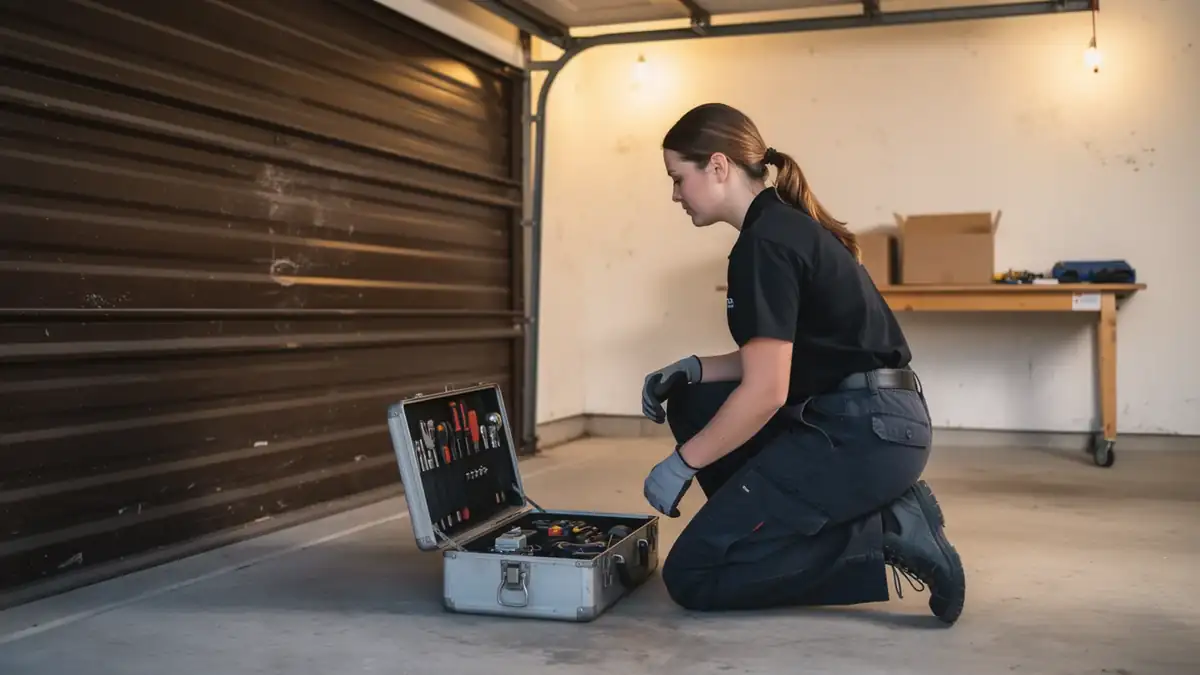
Across the nine pockets of the service area, the bulk of the stock is 1980s and 90s construction, so a call usually starts with the same checklist: spring wind and cable condition, track alignment at the rollers, the bottom bracket and hinges for fatigue cracks, and the opener's force settings. On a service call we're not guessing - we're matching the door's age against what typically fails at that age, then telling you honestly whether it's a tune-up or a bigger job.
The Seasonal Bit
This area sits in a cold-moderate climate band
That's not the harsh freeze of the upper Midwest, but it's enough swing between summer heat and winter cold to work steel and rubber differently depending on the month. A service call in January looks for stiff springs that have lost tension from cold contraction and weatherstripping that's gone brittle at the bottom seal. A call in July is more about lubrication breaking down on the rollers and hinges from heat, and openers that strain because the garage itself has gotten hot enough to affect the motor's duty cycle.
We don't push seasonal maintenance plans as a scare tactic
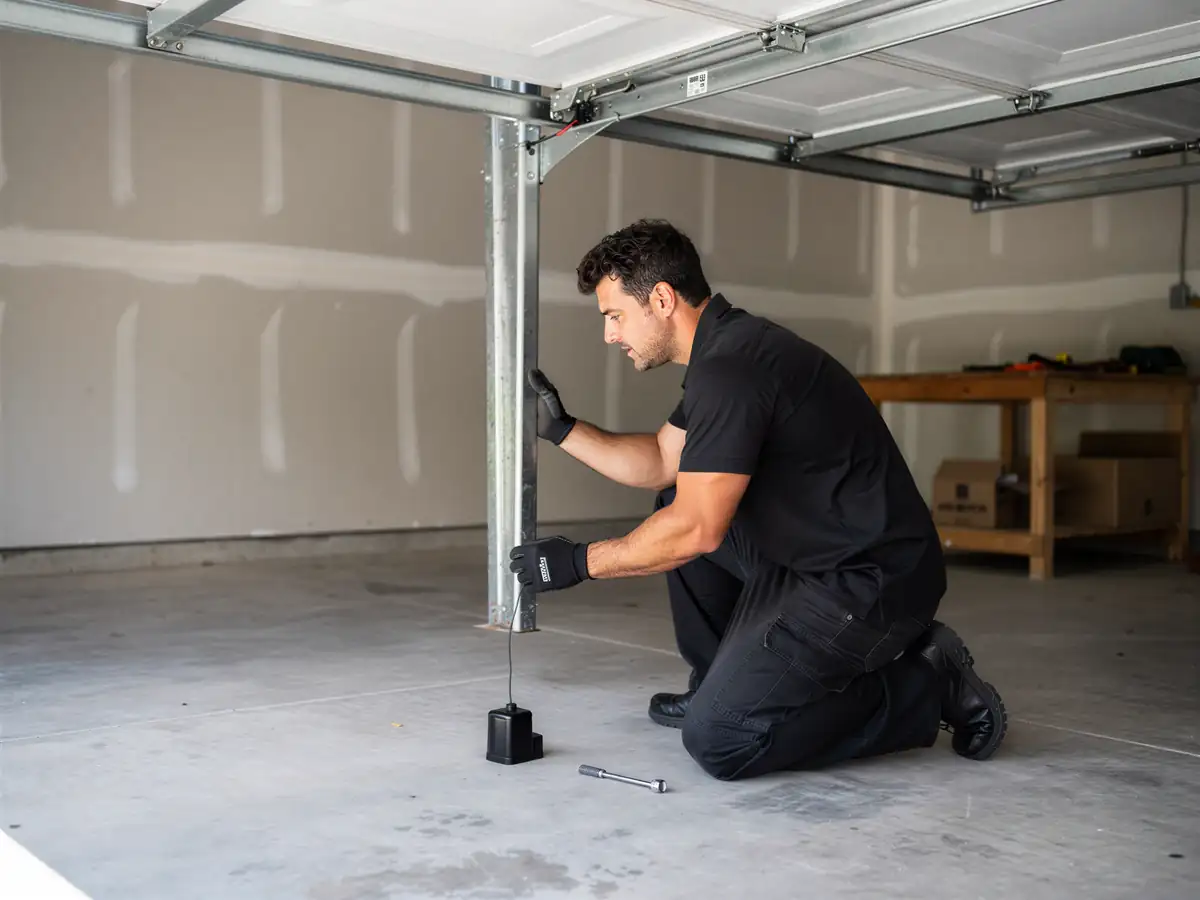
If your door is opening and closing smoothly, closing flush at the floor, and the opener isn't straining or reversing on its own, you likely don't need anything done just because a season changed. What we do check, every call regardless of month, is spring balance - lift the door halfway by hand with the opener disconnected and see if it holds. That one test tells you more about whether cold or heat has done damage than any calendar-based schedule would.
What the Weather Here Does to It
The cold-moderate band this area sits in means freeze-thaw cycles work on spring steel and weatherseal every winter without the deep, sustained freeze you'd get further north. That matters for how springs fail here: instead of one hard snap from extreme cold, you tend to get gradual fatigue as the metal contracts and expands across dozens of freeze-thaw swings over a winter. By the time a spring breaks, it's usually been losing tension for weeks, which is why doors often feel heavier to lift by hand before they fail outright.
Humidity swings do something similar to the bottom seal and to any wood trim around an older door opening. Rubber seals that are fine in dry weather crack where they fold once they've gone through repeated damp-to-dry cycles, and that's a common reason for daylight gaps at the floor on doors that are otherwise working fine. None of this is dramatic weather - no named storm, no record cold - just the ordinary grind of a climate that swings enough to matter but not enough to make headlines. That's exactly the kind of wear a visual inspection catches before it becomes a no-open call.
What Is Going On
Of the roughly 29,135 households in the service area, 12,708 are owner-occupied houses with a door and opener somebody has to maintain themselves, as opposed to a landlord or management company handling it. Median household income in the area runs $91,308, which is part of why we see more calls asking for full opener replacement rather than a patch repair - homeowners here often prefer to replace a tired unit outright rather than keep nursing one along, and the household budget usually supports that choice.
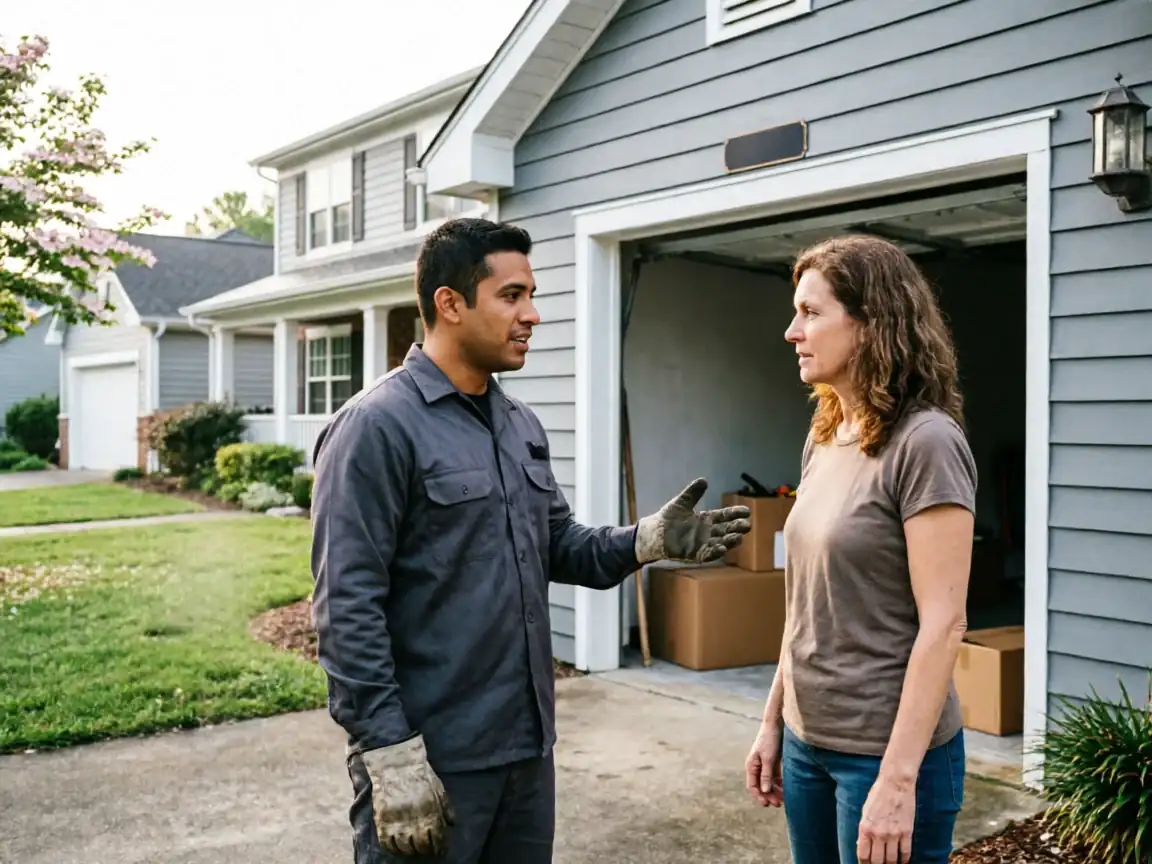
We run calls out from here to Holly Springs and Mountain Park, both just five or six miles off, and as far as Fair Oaks and Emerson at about thirteen. The honest limitation: if a part needs ordering - an odd-sized torsion spring for an older door, or a discontinued opener board - we can't promise it shows up same day. We tell you that up front on the call rather than after we've already opened up your garage. A service call covers diagnosis, a straight answer on what's wrong, and the repair if we're carrying the part. It doesn't cover inventing a timeline we can't back up.