Parts We Carry
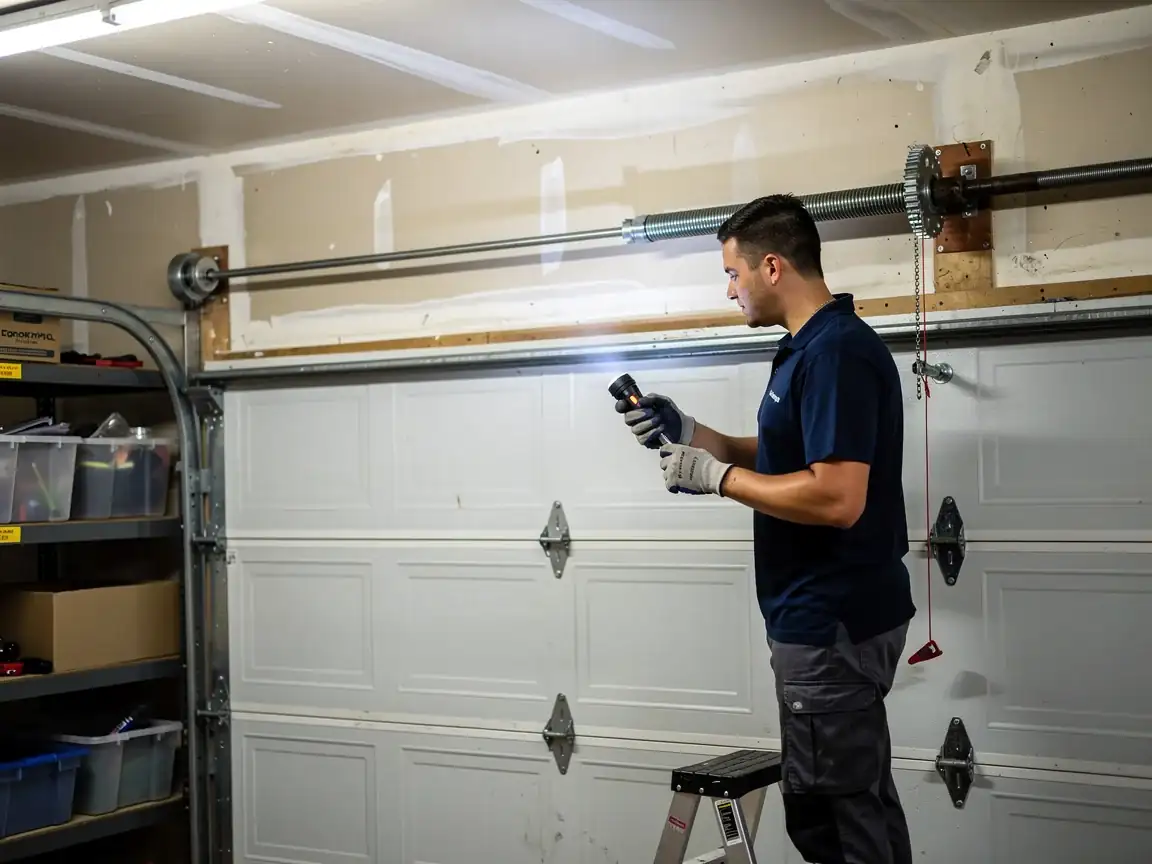
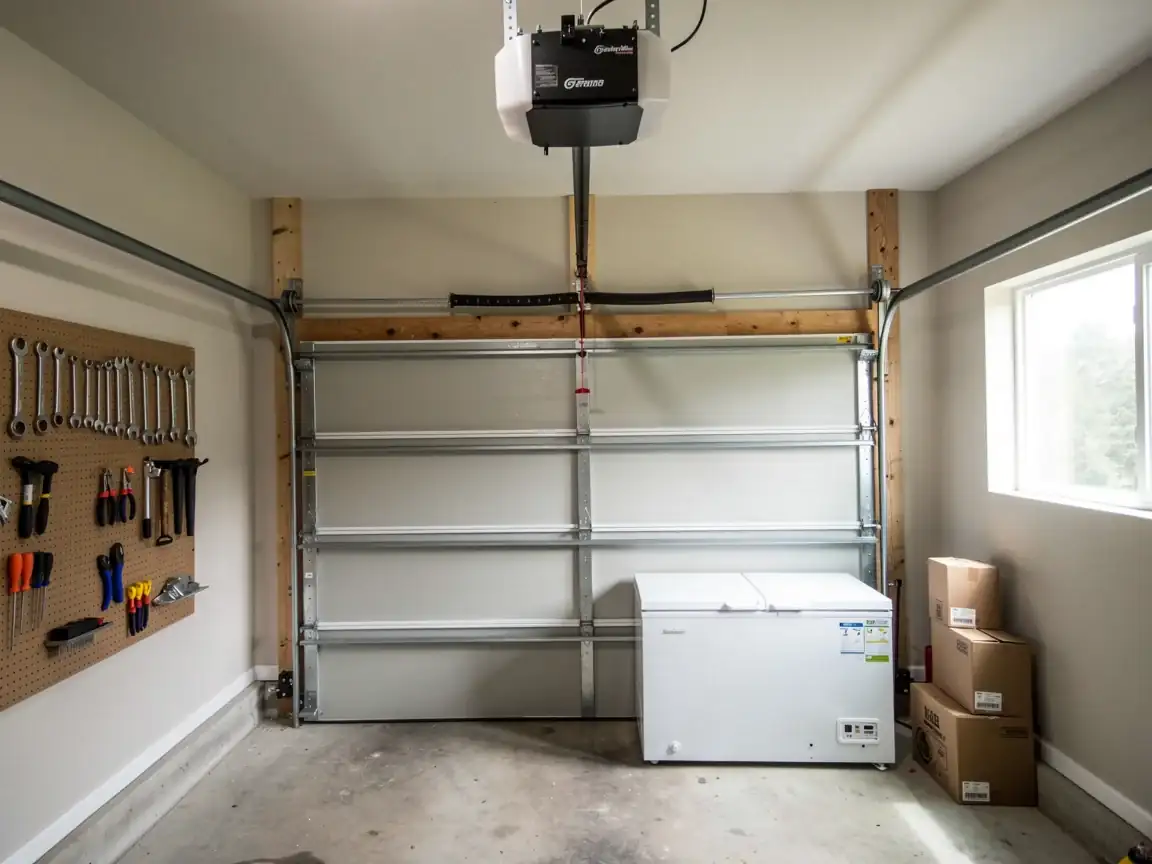
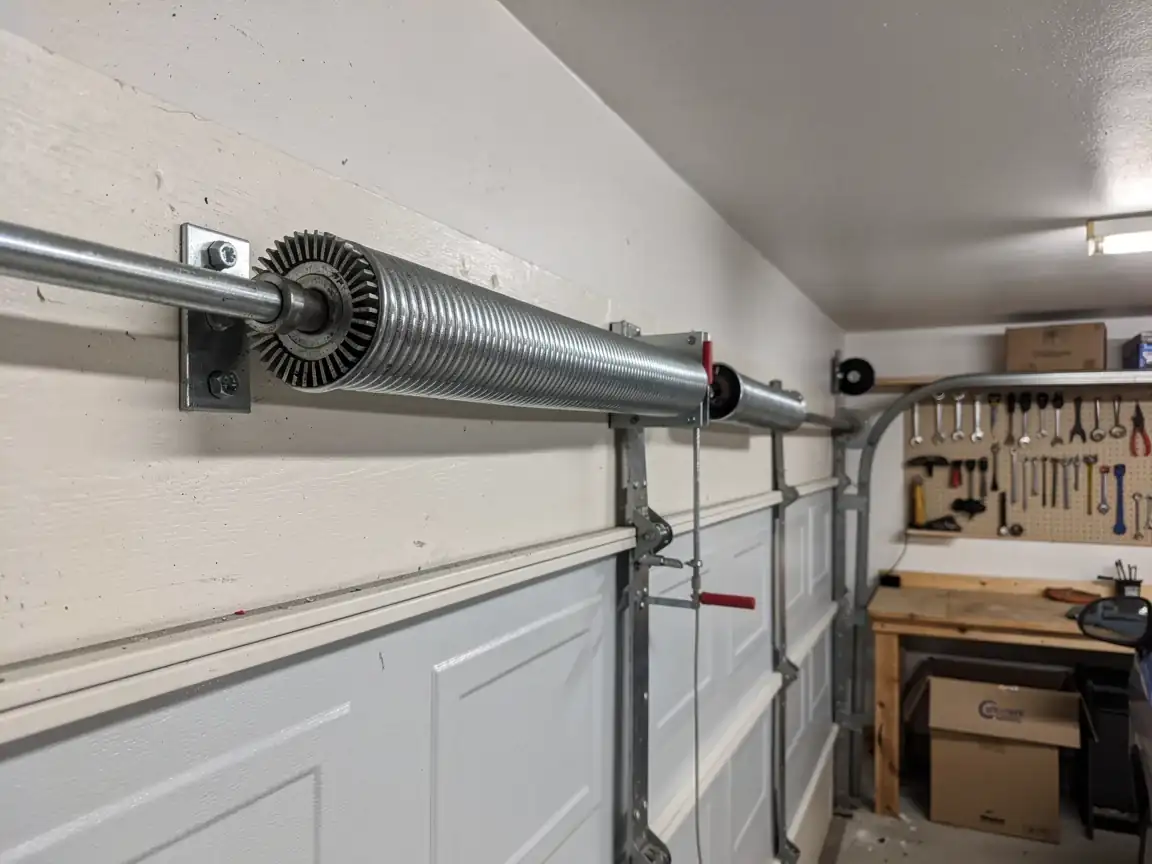
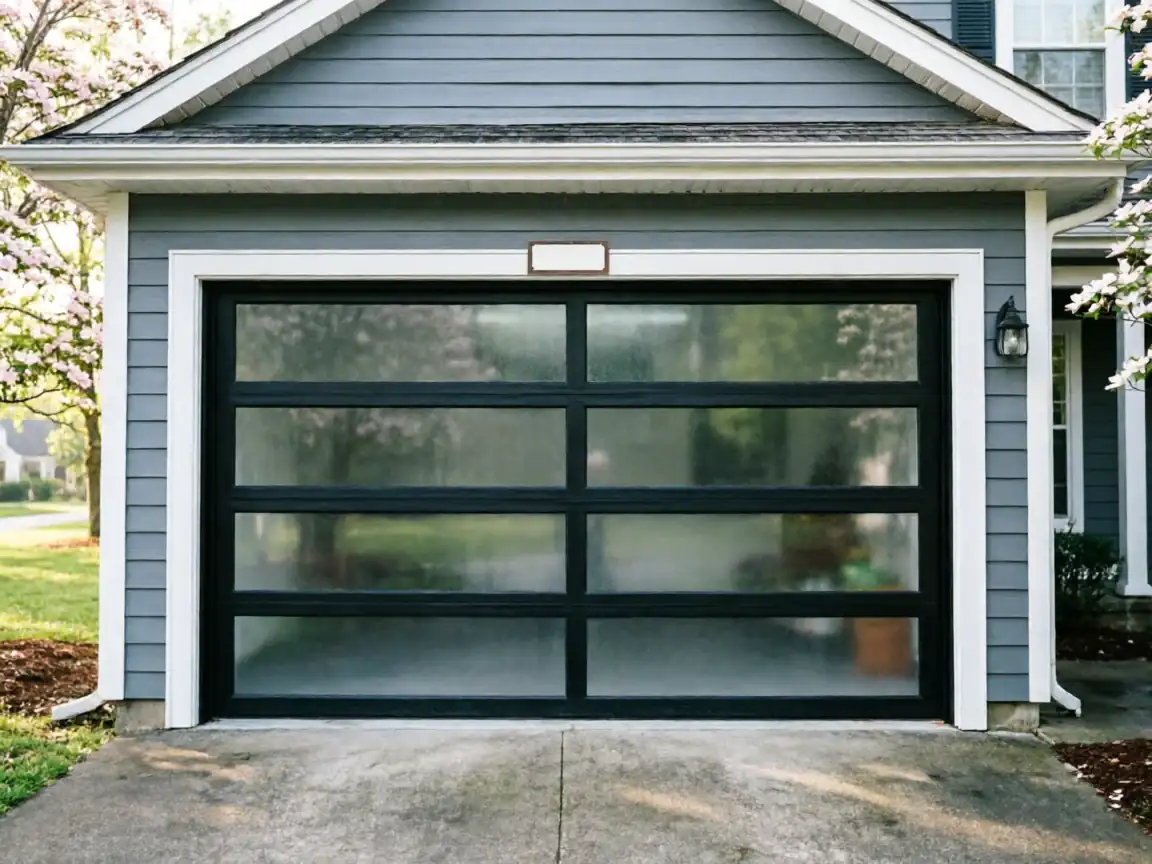
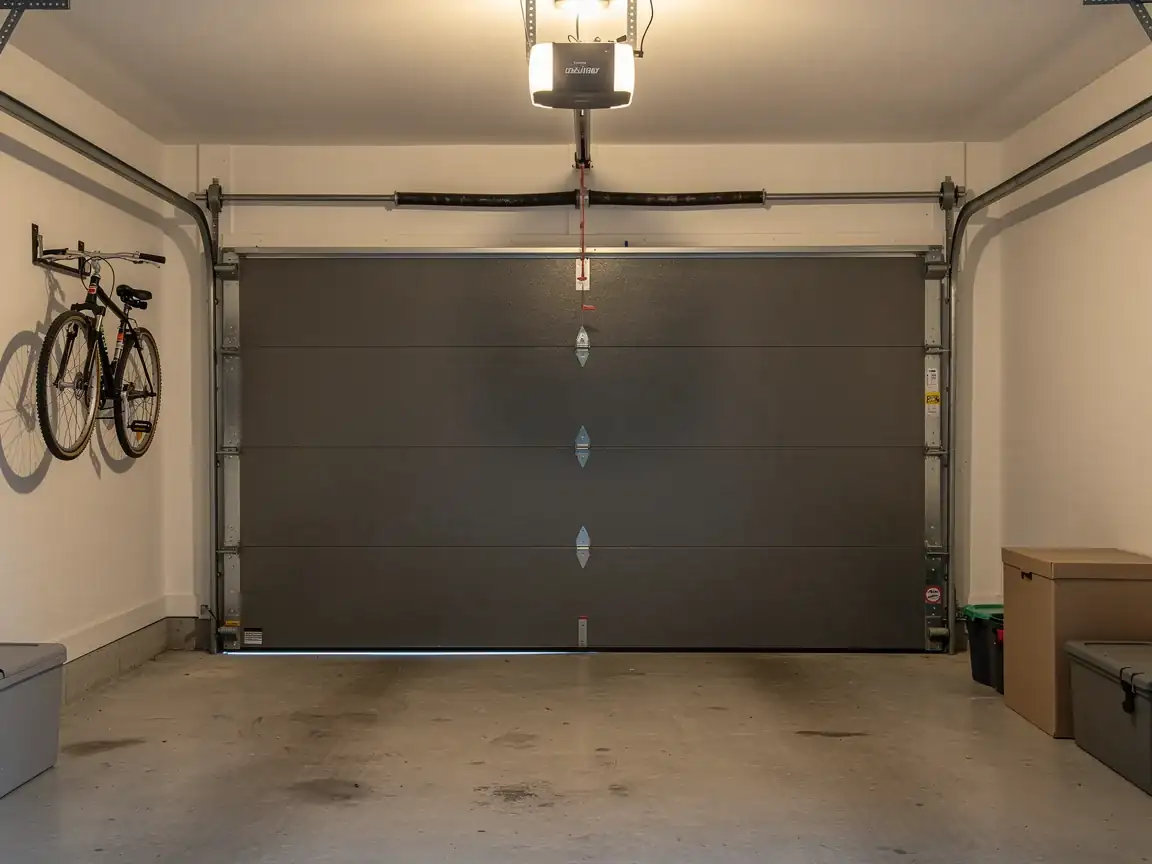
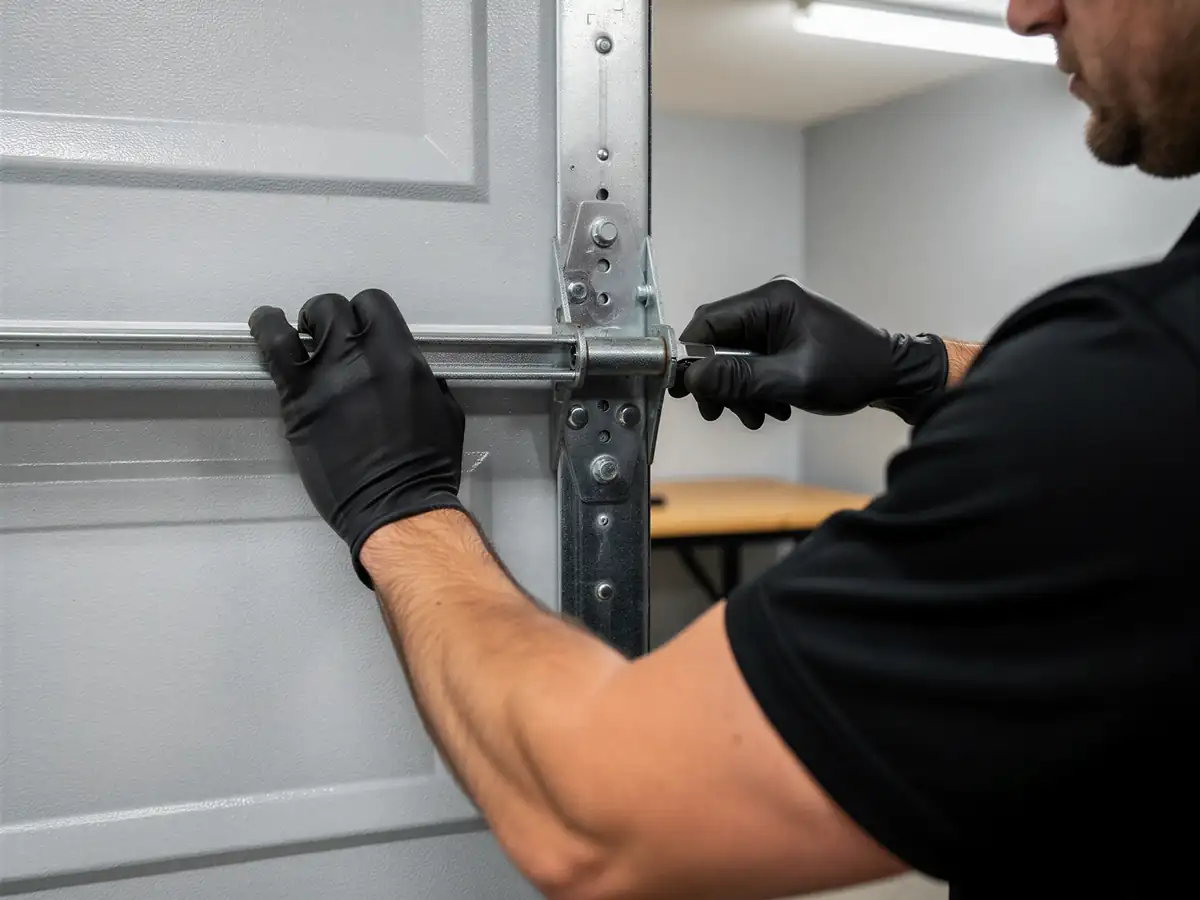
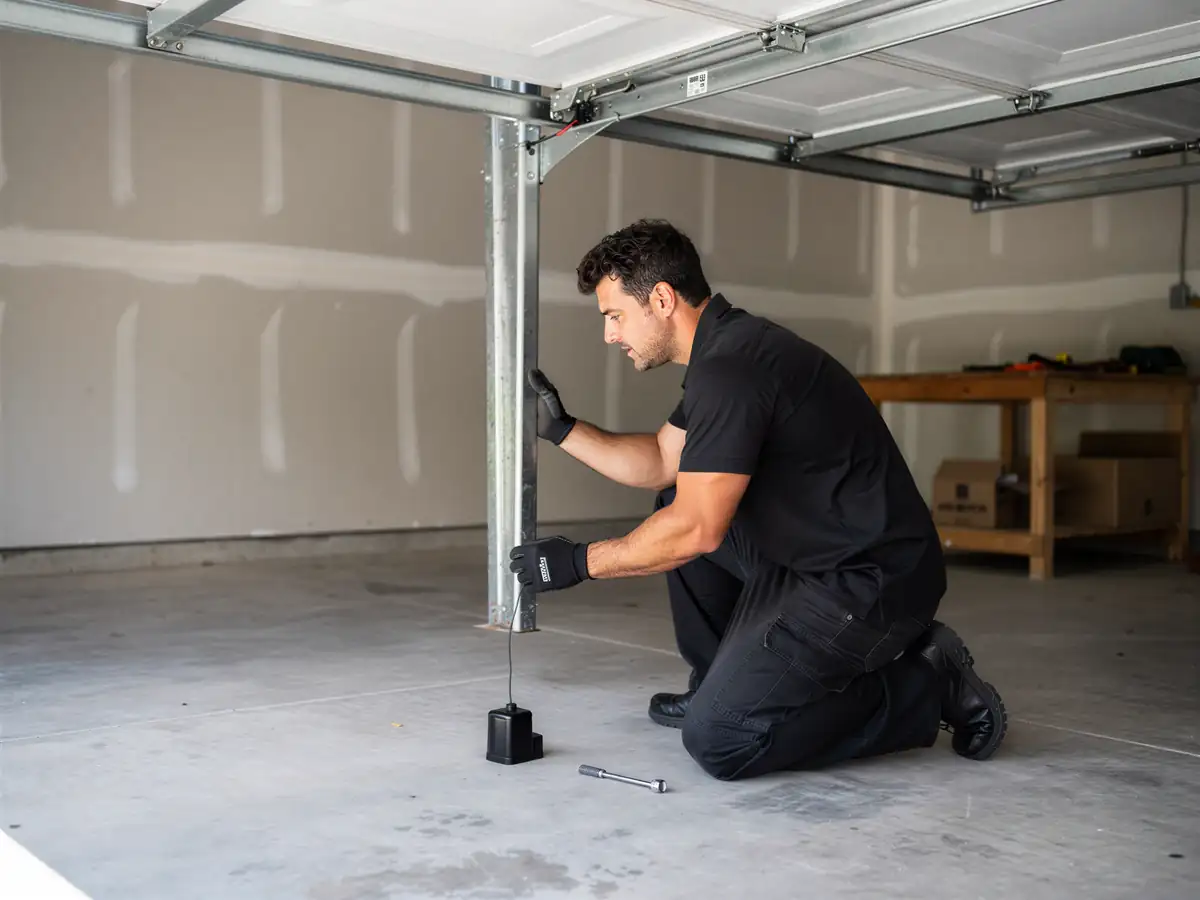
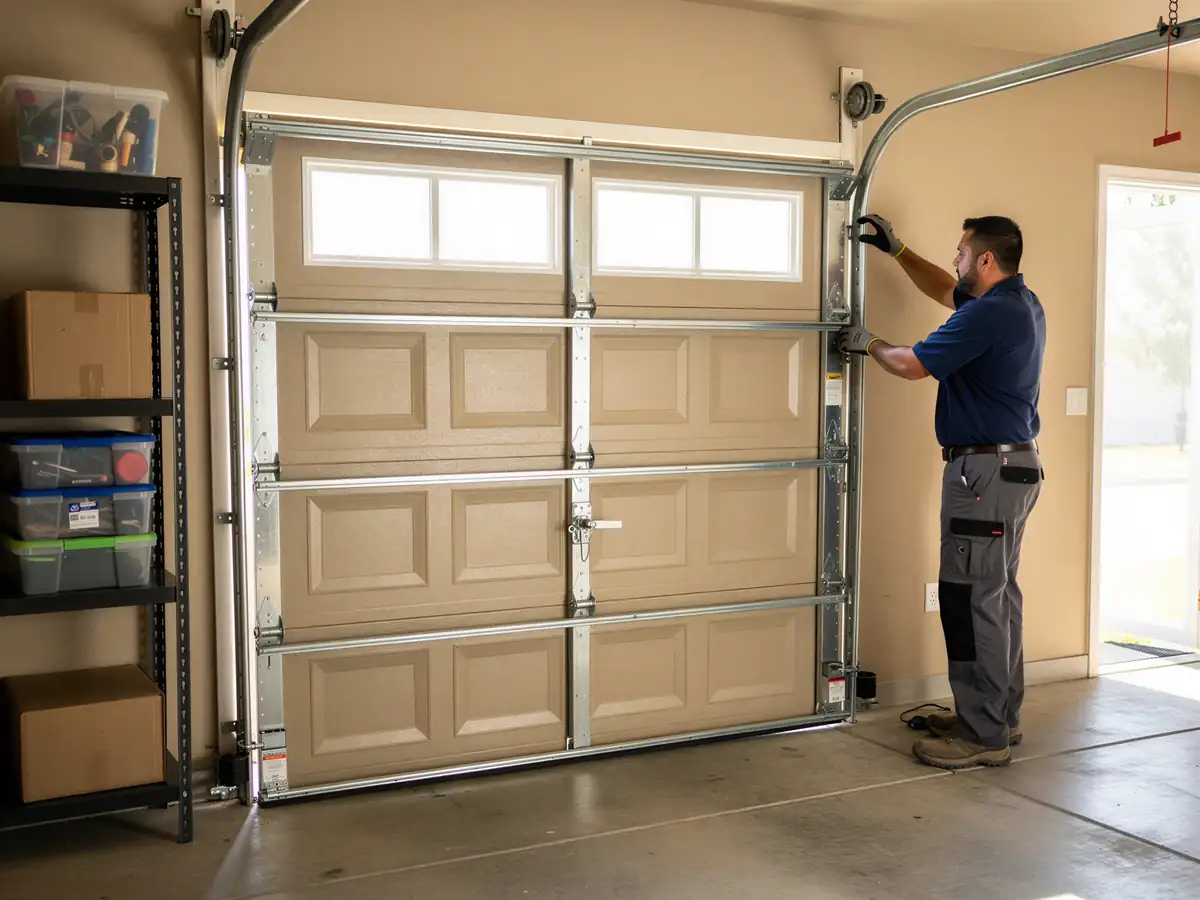
We install steel doors with an insulated foam core, because a hollow single-layer panel doesn't hold up once the temperature swings the way it does here. Woodstock sits in a cold-moderate climate band, so the seal around the bottom of the door and the weatherstripping on the jambs matter more than people expect - a bad seal lets cold air pool in the garage and that cold air finds its way into any room that shares a wall with it. On the hardware side, we size torsion springs to the actual weight of the door going up, not a stock number off a shelf. A 16-foot double door needs a different spring setup than a single 9-footer, and guessing wrong either shortens the spring's life or makes the door dangerous to lift by hand if the opener ever fails. We carry galvanized track, nylon and steel rollers, and openers that work with the spring and door combination we're putting in - we don't sell an opener that doesn't match the door. One limit worth naming: we don't carry custom wood doors. If you want a true wood carriage door, that's a special-order item with its own lead time, and we'll tell you that up front instead of pretending otherwise.
Why This Fails Locally
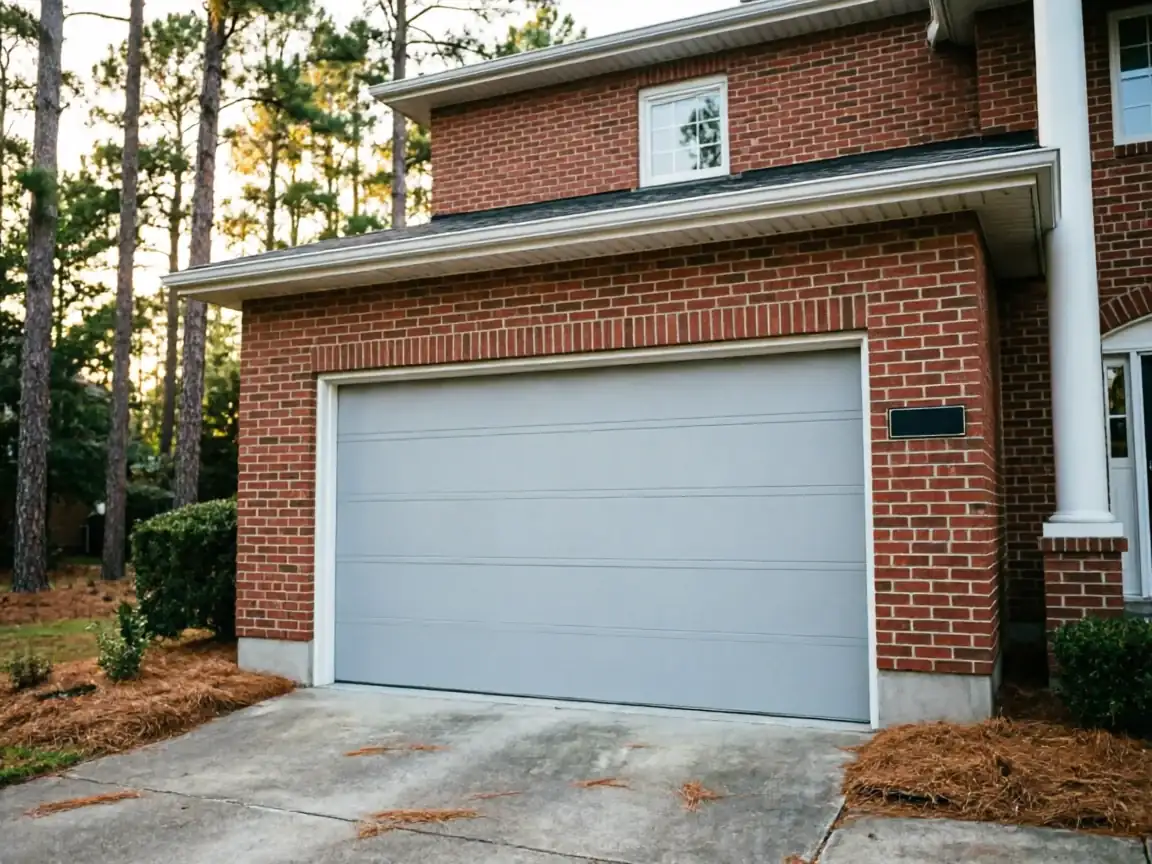
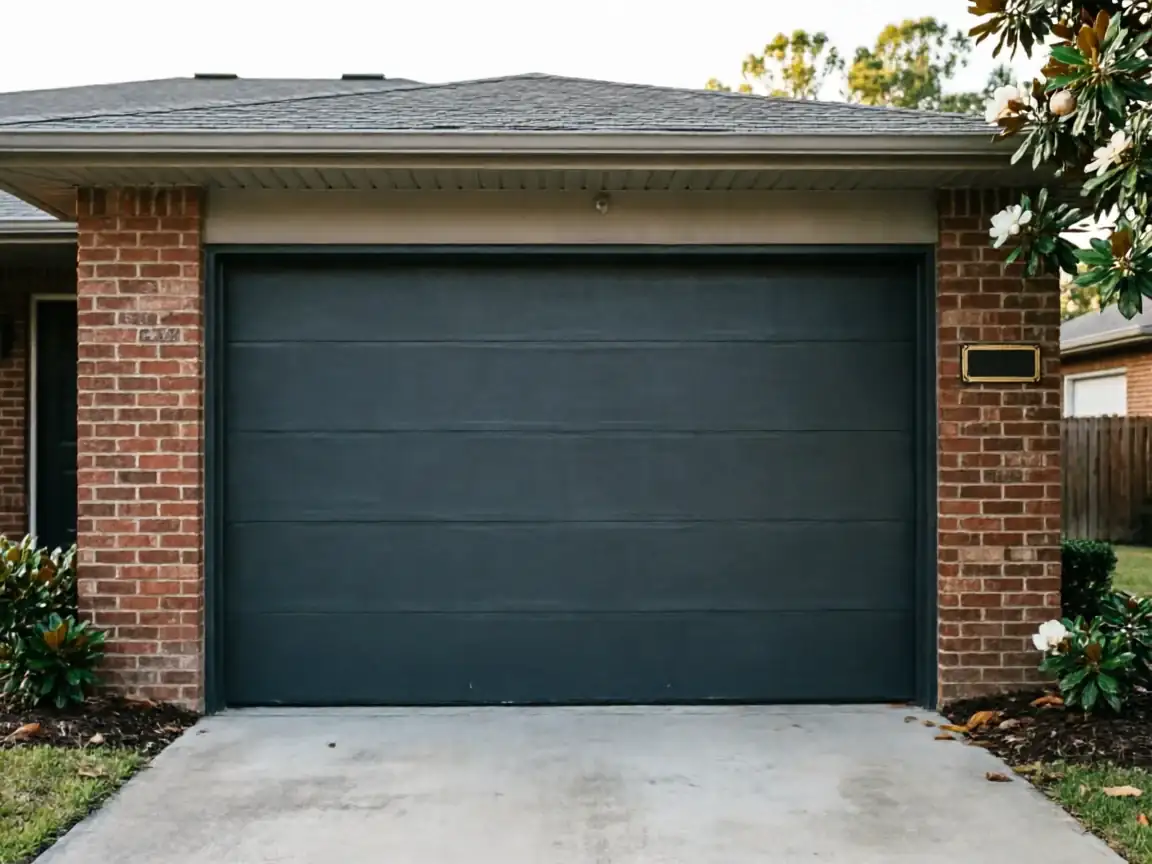
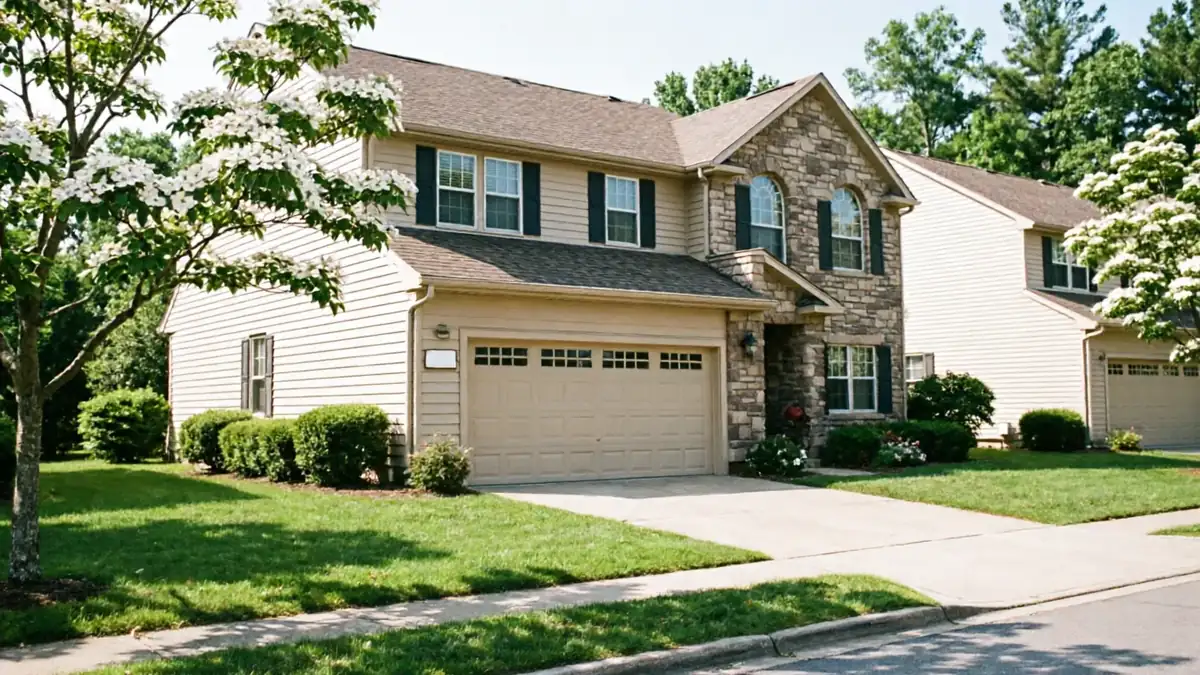
Most of the housing stock in Woodstock went up between 1964 and 2007, with the median landing around 1984, and the bulk of it falls into that 1980s-and-90s wave spread across the area's nine named subdivisions. That means a huge share of garage doors in town are original equipment from a build boom that's now three or four decades old. Doors from that era were built to a lower insulation standard than what's sold today, and the springs on a door that age are well past any reasonable service life even if nobody's touched them. Add Woodstock's cold-moderate climate band into the mix - real freeze-thaw cycles, not just occasional frost - and a thirty-year-old foam core that's lost its seal starts transmitting cold straight into the garage and the rooms next to it. With 12,708 owner-occupied houses across the service area that runs from Holly Springs five miles out to Ball Ground eighteen miles away, a lot of those garages are still running the door that came with the house. That's not a maintenance problem you can tighten your way out of - it's a door that's aged out.
The Symptom
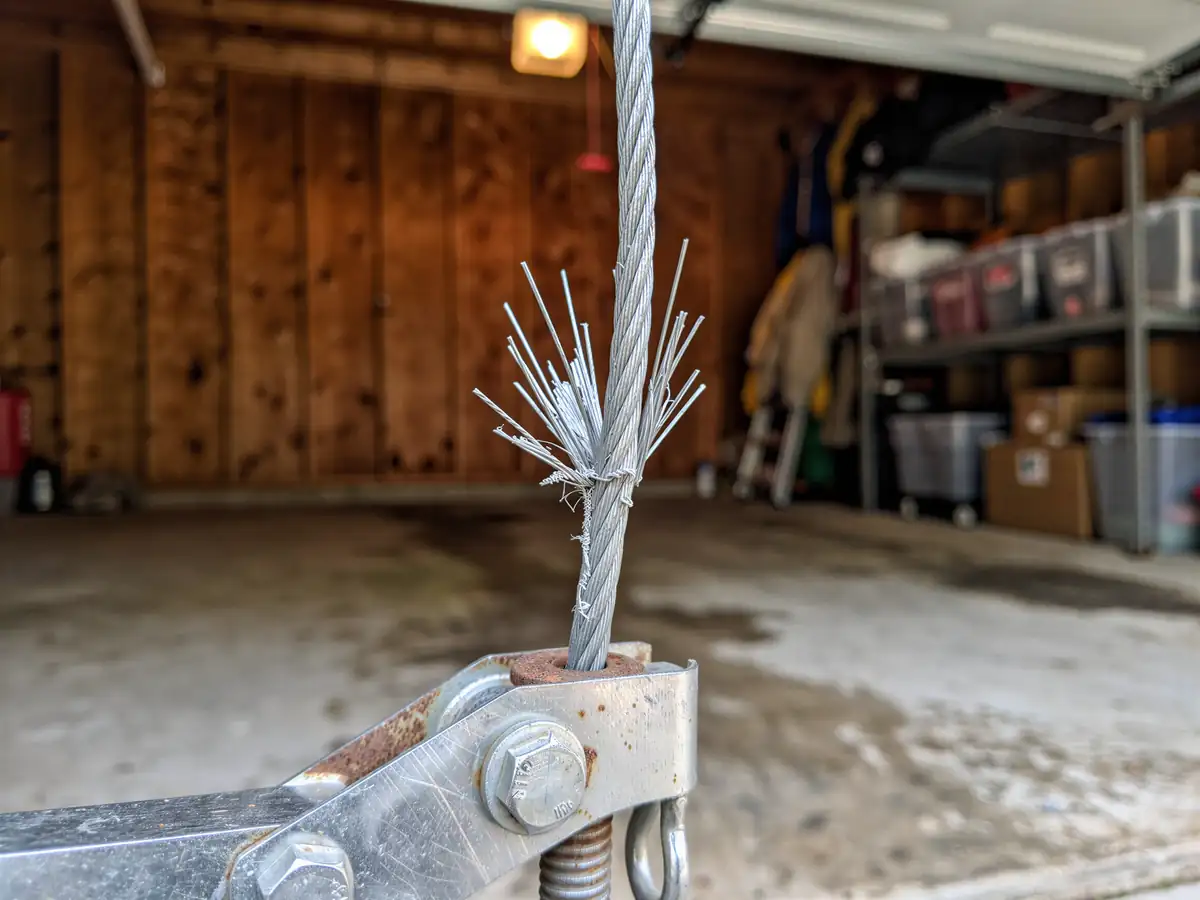
The door looks fine standing still, which is why people put off calling. What gives it away is the sound and the feel: a grinding or popping noise as the door travels, a panel that visibly bows in the middle, or a door that reverses halfway up for no clear reason. Cold air along the bottom seal in winter is another tell - if you can see daylight or feel a draft where the door meets the slab, the weatherstripping has given up even if the panels themselves still look solid. Rust at the bottom corners, especially on doors installed before insulated steel was standard, tends to show up first where water sits after rain. If the door feels noticeably heavier to lift by hand than it used to, that's usually a spring losing tension, not the door itself getting heavier - and that's worth a call before the cable or the opener takes the strain instead. None of these on their own means you need a full replacement. But on a door that's already pushing thirty-plus years old, the combination of rust, drafts, and a heavy lift is usually the sign that patching it is just delaying the inevitable.