Parts We Carry
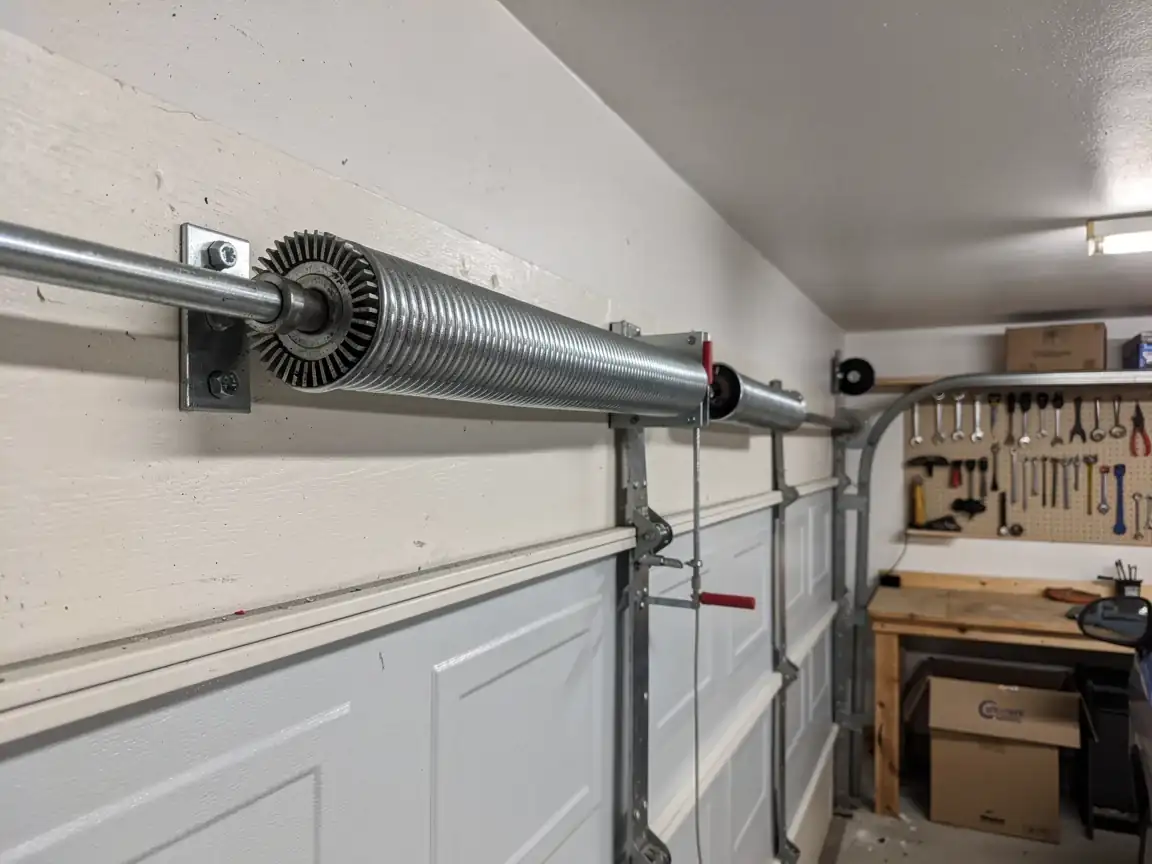
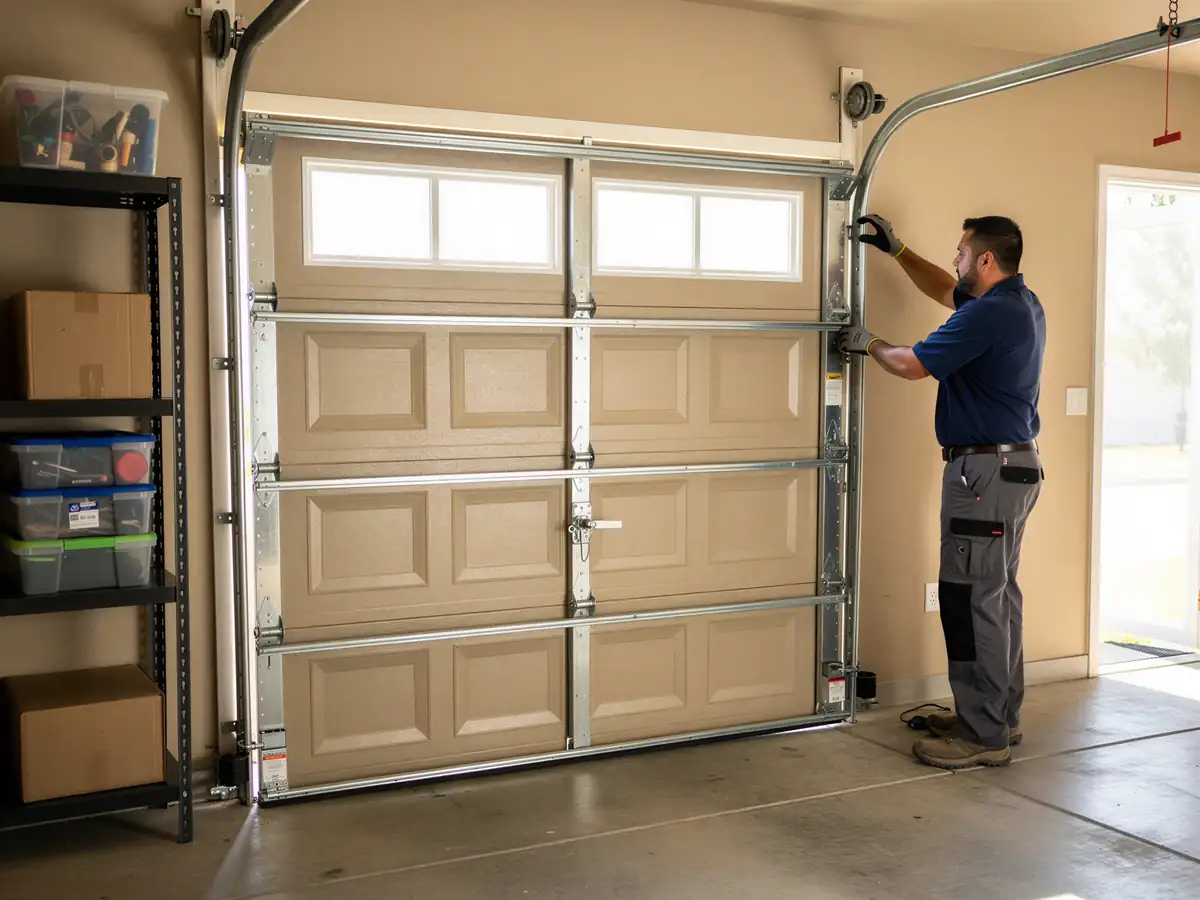
We keep the parts that actually break on the truck: torsion springs in the common sizes, extension springs, lift cables, rollers (nylon and steel), hinges, and the sensors and drive gears that fail on openers installed in the 80s and 90s. Standard 7-foot and 8-foot torsion springs for single and double doors are stocked, along with the safety cables that keep a broken spring from whipping across the garage.
What we don't carry on the truck: panels for discontinued door models, custom-width springs for oversized or odd-height doors, and circuit boards for openers old enough that the manufacturer has stopped making them. Those get special-ordered, and that's the one honest delay we can't shortcut - if your door is a less common width or your opener is a model nobody makes parts for anymore, the first visit is diagnosis and a quote, not a same-day fix.
For the 12,708 owner-occupied houses across this service area, most garage doors fall into a handful of standard sizes from the builder era they went up in, which is why the truck stock covers the large majority of emergency calls without a second trip.
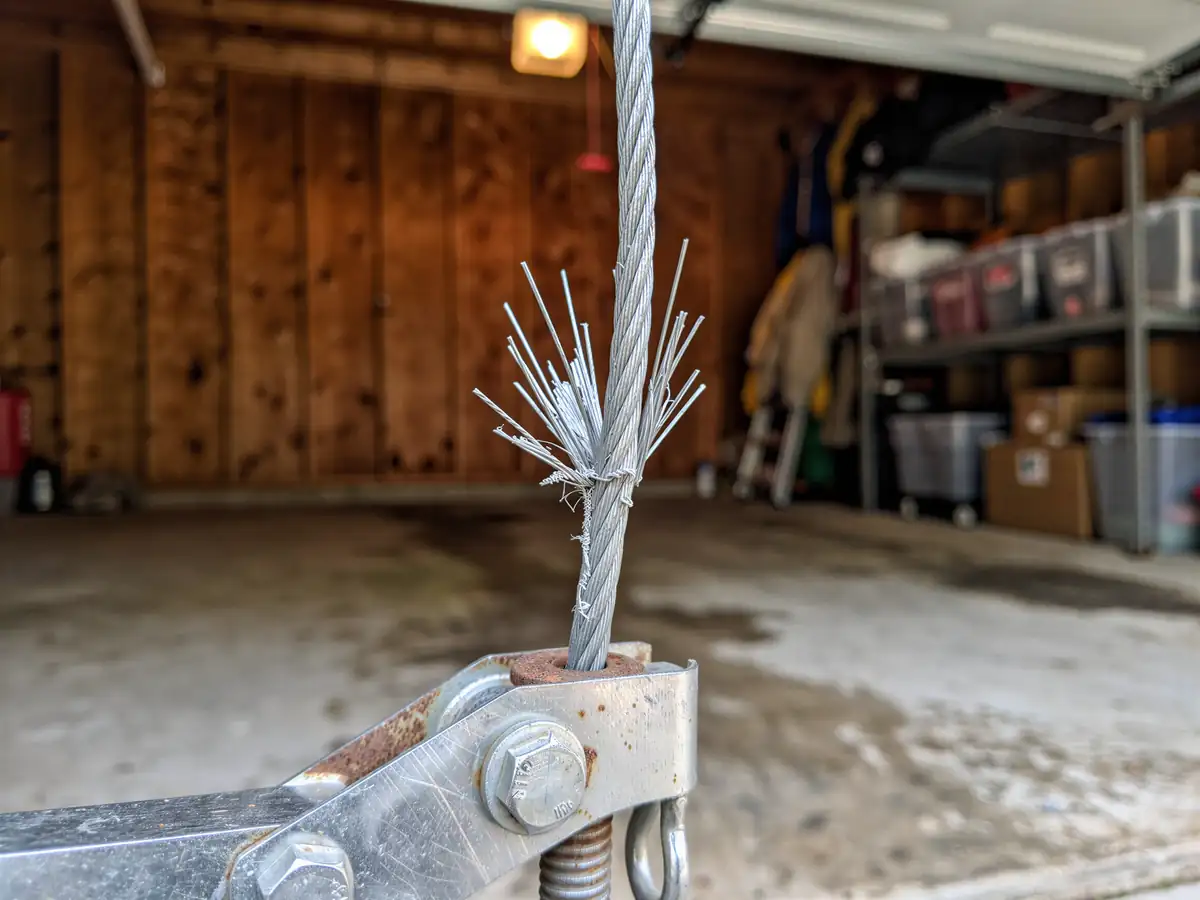
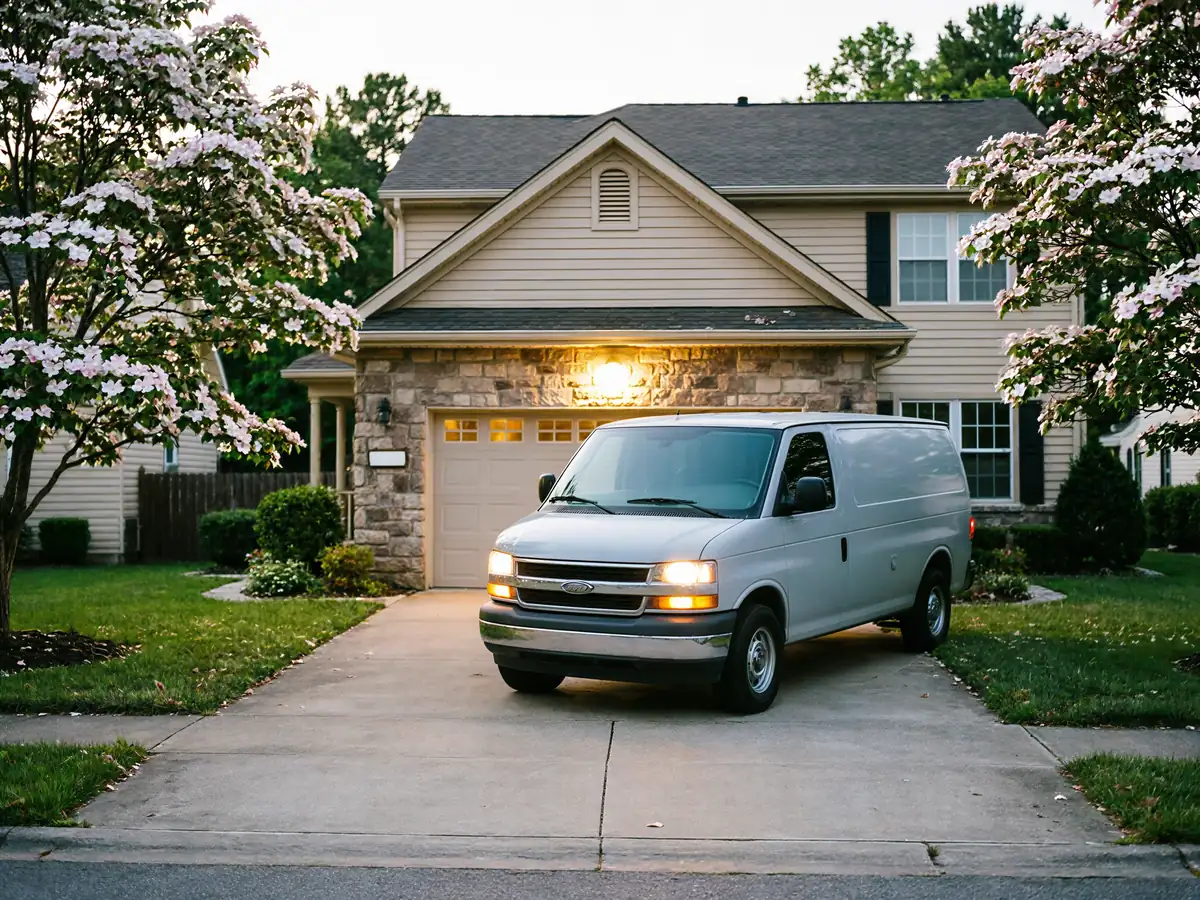
If a cable has come off a drum, if a spring has split in two, or if an opener has stripped its drive gear, there's a good chance the fix is a parts swap we can do that same visit - not a wait.
What the Repair Takes
An emergency call starts with ruling out the dangerous stuff first
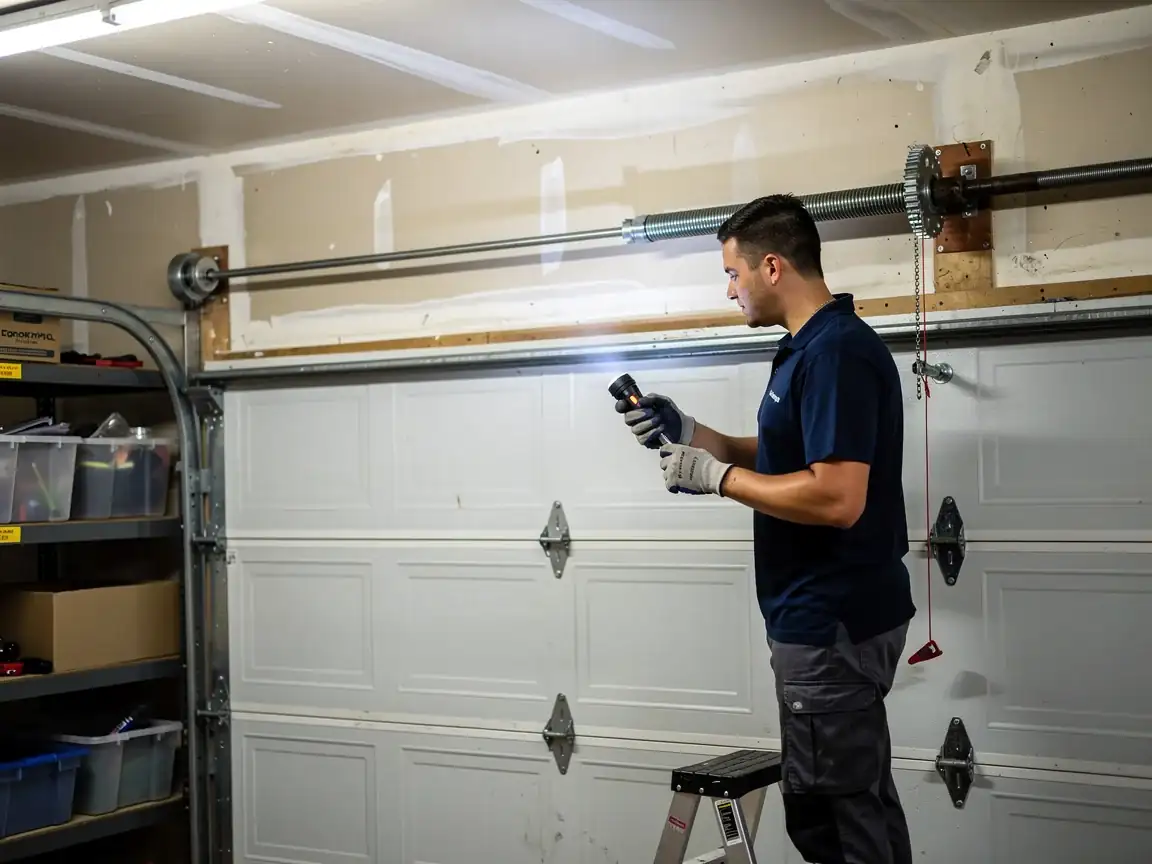
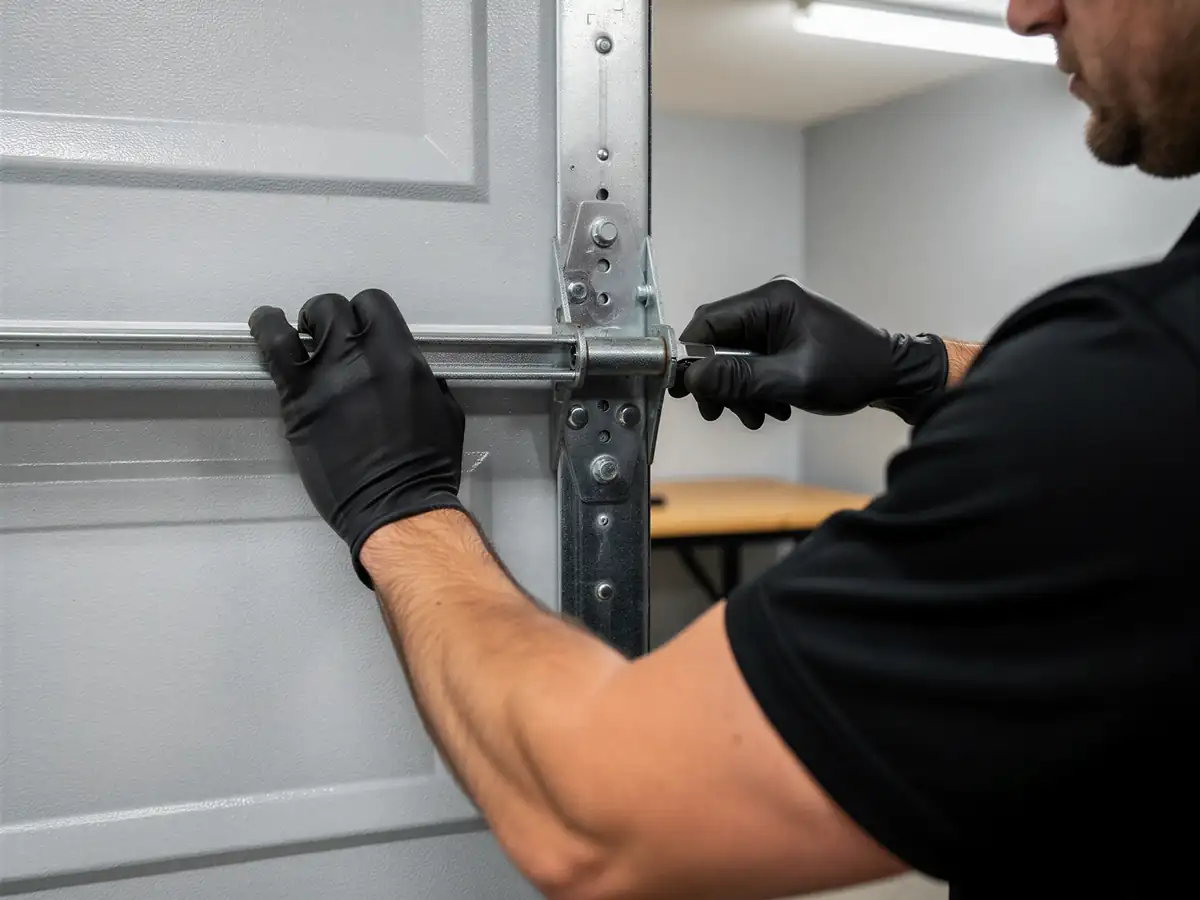
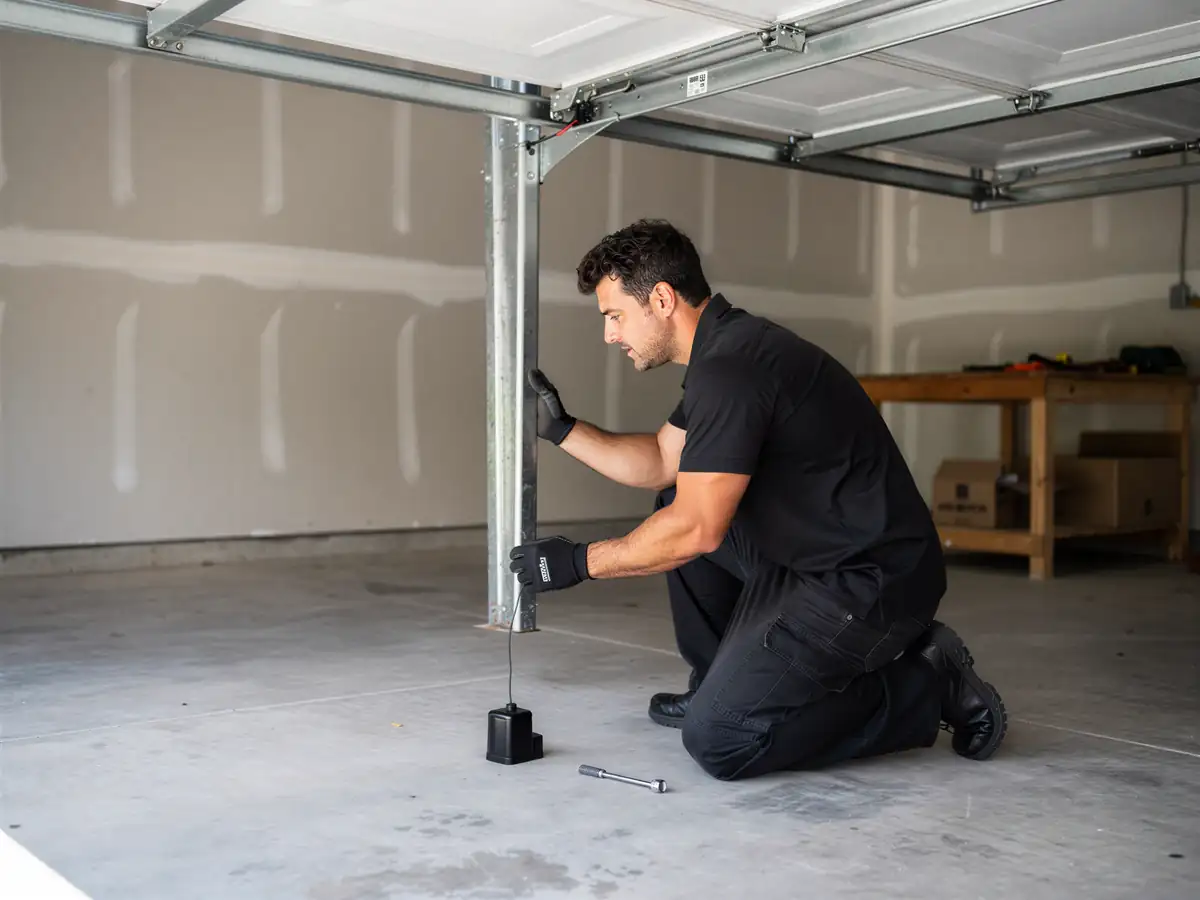
Is the spring under tension, is the door resting on anything, are the cables intact. A broken torsion spring on a double door is the most common reason a door won't move at all, and that repair is roughly an hour once we're on site - unwind the old spring, measure wire size and wind for the new one, set tension, and run the door through a full cycle to check balance.
A cable off the drum takes less time
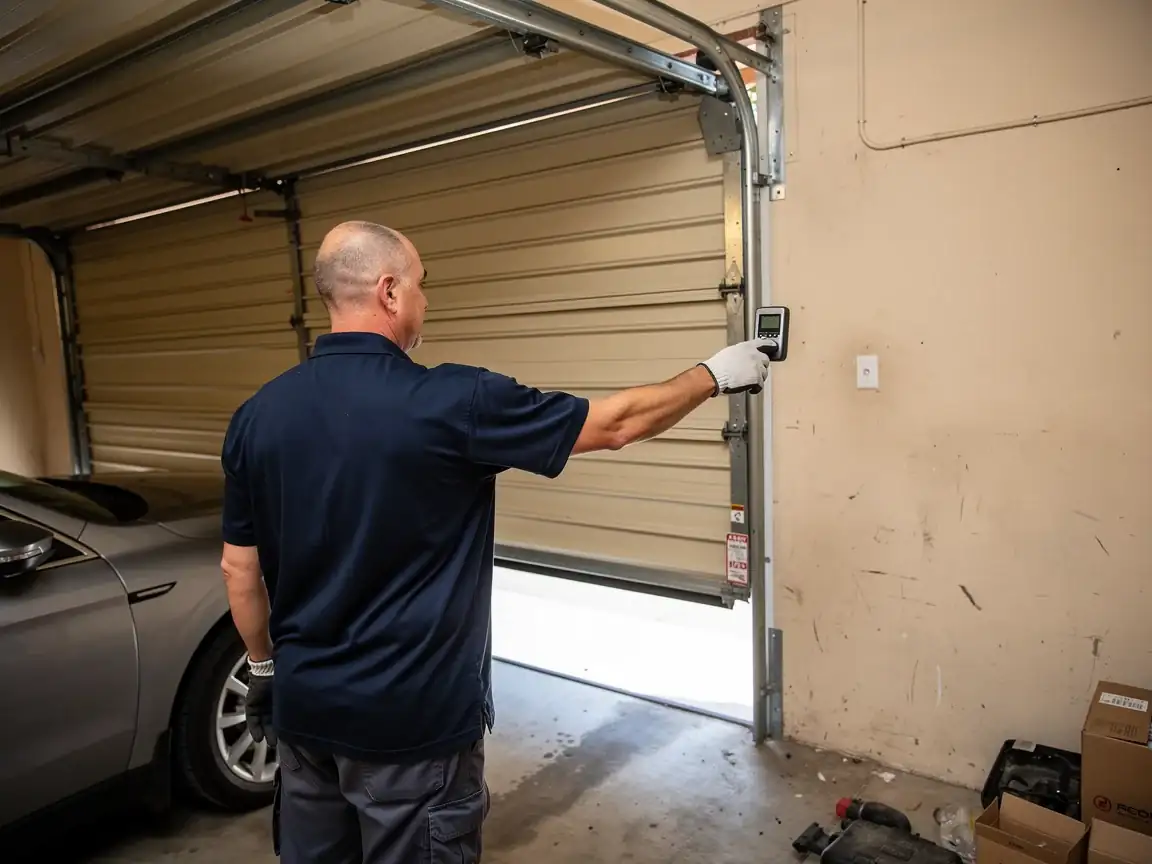
A stripped opener gear or a dead circuit board takes longer, because we're also testing the safety reversal sensors before we hand the door back to you - that's not optional, it's the part of the job that keeps a garage door from being a hazard instead of a convenience.
What the repair doesn't take: guesswork on spring wire gauge
Guessing wrong on a torsion spring either strands you with a door too heavy for the opener to lift or one that slams down. We measure before we order, even on an emergency call, because a wrong spring is a second emergency call.
Some repairs aren't worth doing
If a steel door has rusted through at the bottom panel from standing water, or if the track is bent badly enough that straightening it won't hold true, we'll tell you that replacement costs less over time than chasing the symptom.
Why This Fails Locally
Housing across this service area mostly went up between 1964 and 2007, with the median build year sitting around 1984, and a concentration of stock from the 1980s and 90s. That matters for one simple reason: torsion springs are rated for a set number of open-close cycles, typically somewhere in the 10,000-cycle range, and a door opened twice a day for close to forty years has used that spring up whether it looks worn or not.
The climate band here is cold-moderate, which means steel hardware goes through real temperature swings across a year rather than staying in one range. Torsion springs tighten in cold weather and loosen in heat, and that cycling is what turns a spring with a hairline fatigue crack into one that lets go. Original one-piece doors and the side-mounted torsion hardware that came with them from that building era weren't engineered with easy field service in mind, and parts for some of that older hardware aren't something a truck carries as stock anymore.
Across 29,135 households and 12,708 owner-occupied houses in the service area, that combination - an aging housing stock concentrated in one multi-decade band, plus a climate that stresses steel through seasonal swings - is why spring failure and opener gear failure show up as emergency calls here on a steady, predictable basis rather than as rare events.
The Symptom
The door won't move, or it moves part way and stops. That's the call we get most. Usually it means a torsion spring has split - you'll often hear it before you see it, a loud bang from the garage, sometimes mistaken for something falling or even a car backfiring outside.
A second common symptom: the door looks fine but the opener just hums or grinds without lifting it. That's often a stripped drive gear inside the opener, a part that wears out faster on openers original to a house built in the 1980s or 90s, simply from age and cycle count rather than any one bad day.
A door that's lopsided - one side higher than the other when it's halfway up - points to a broken cable or a spring that's only partially failed on a double-spring setup. Don't keep running the opener trying to force it through; that's how a bent track or a torn-out bracket gets added to what was a simpler fix.
If the door won't budge by hand either, don't force it. A wound torsion spring under tension is not something to work around without the right bars and clamps - that's the genuinely dangerous part of this repair, and it's the reason this is a call-us job, not a weekend project.