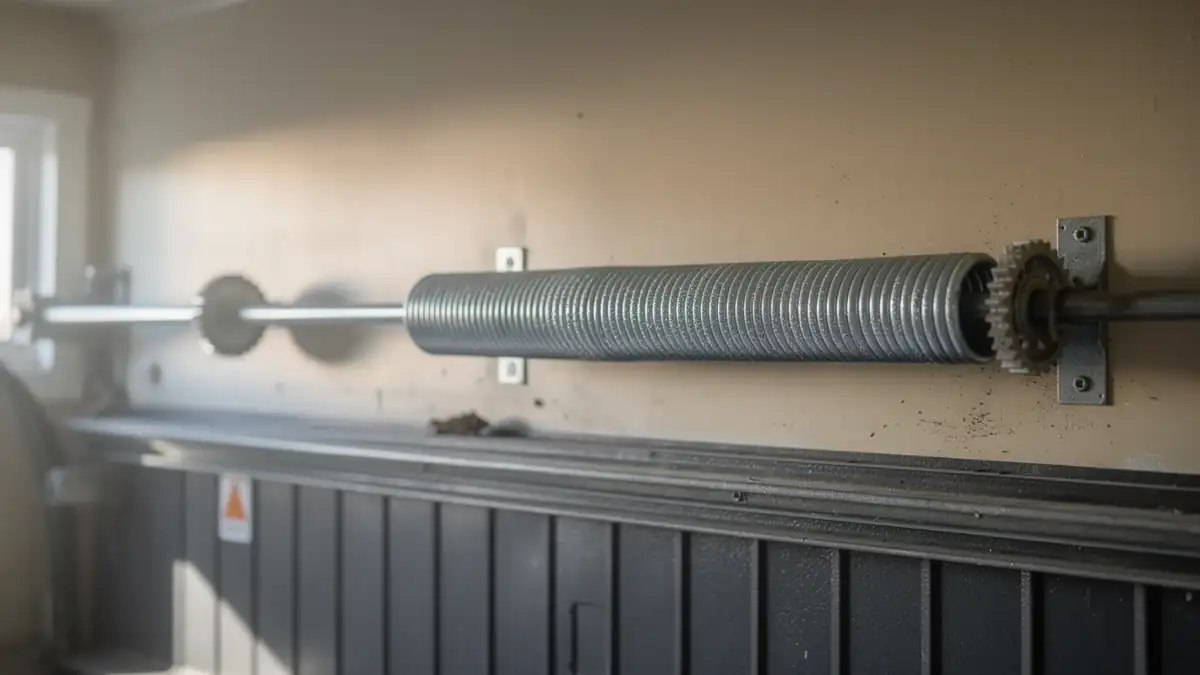
What to Check
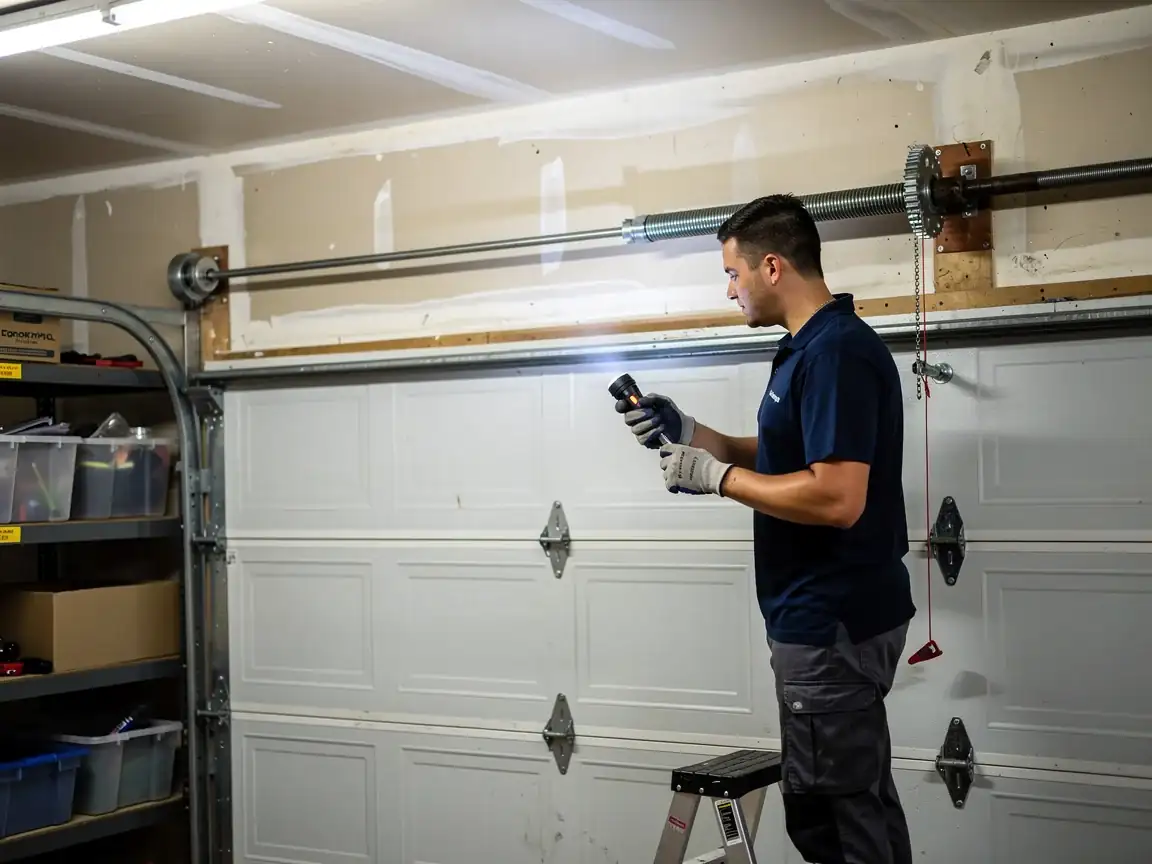
Before you touch anything, look at the spring itself. On a torsion setup, that's the coiled bar above the door, not the stretched cables on the sides. If you see a gap in the coil, or one half of the spring hanging loose while the other stays wound tight, it's broken. Don't try to lift the door by hand once that's happened - the opener will try and fail, or worse, you'll strain something trying to muscle a door that now weighs its full weight with no spring assist.
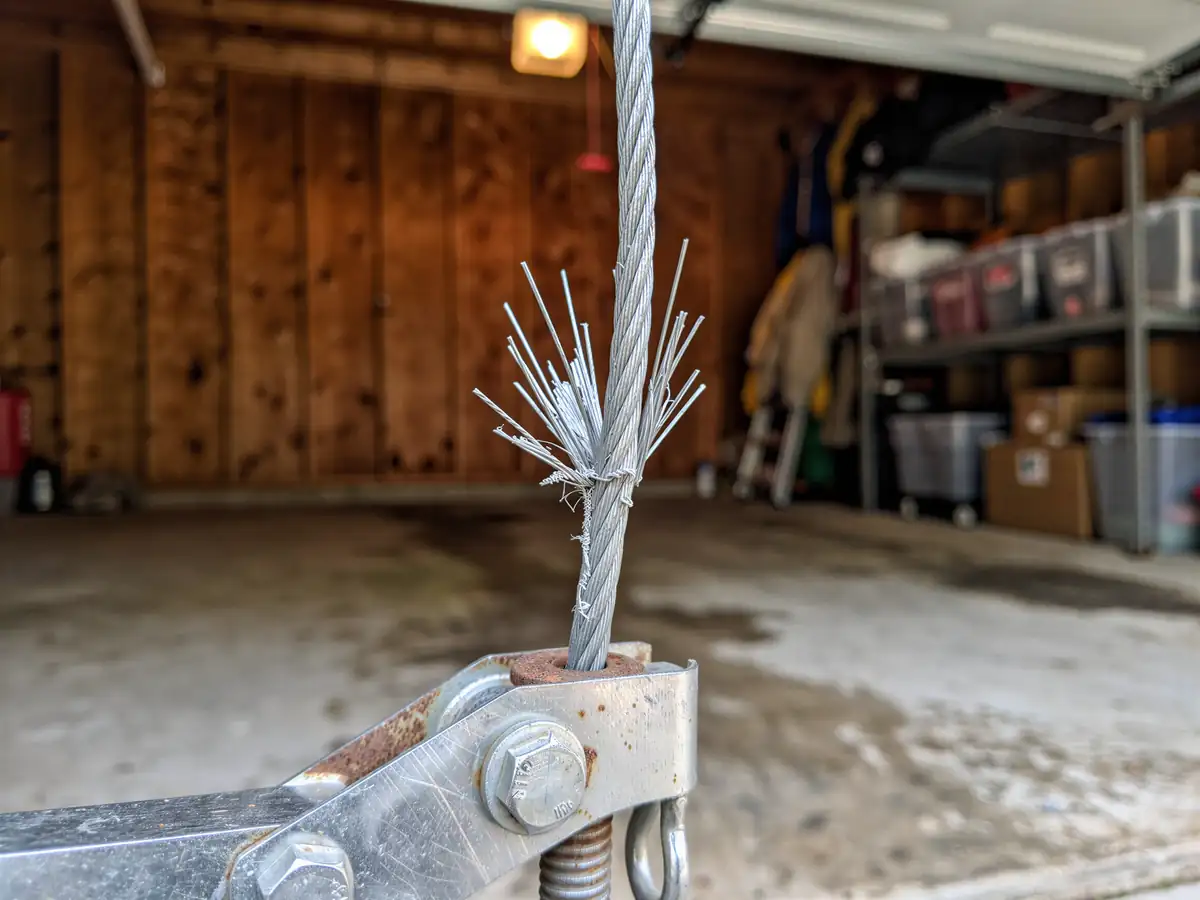
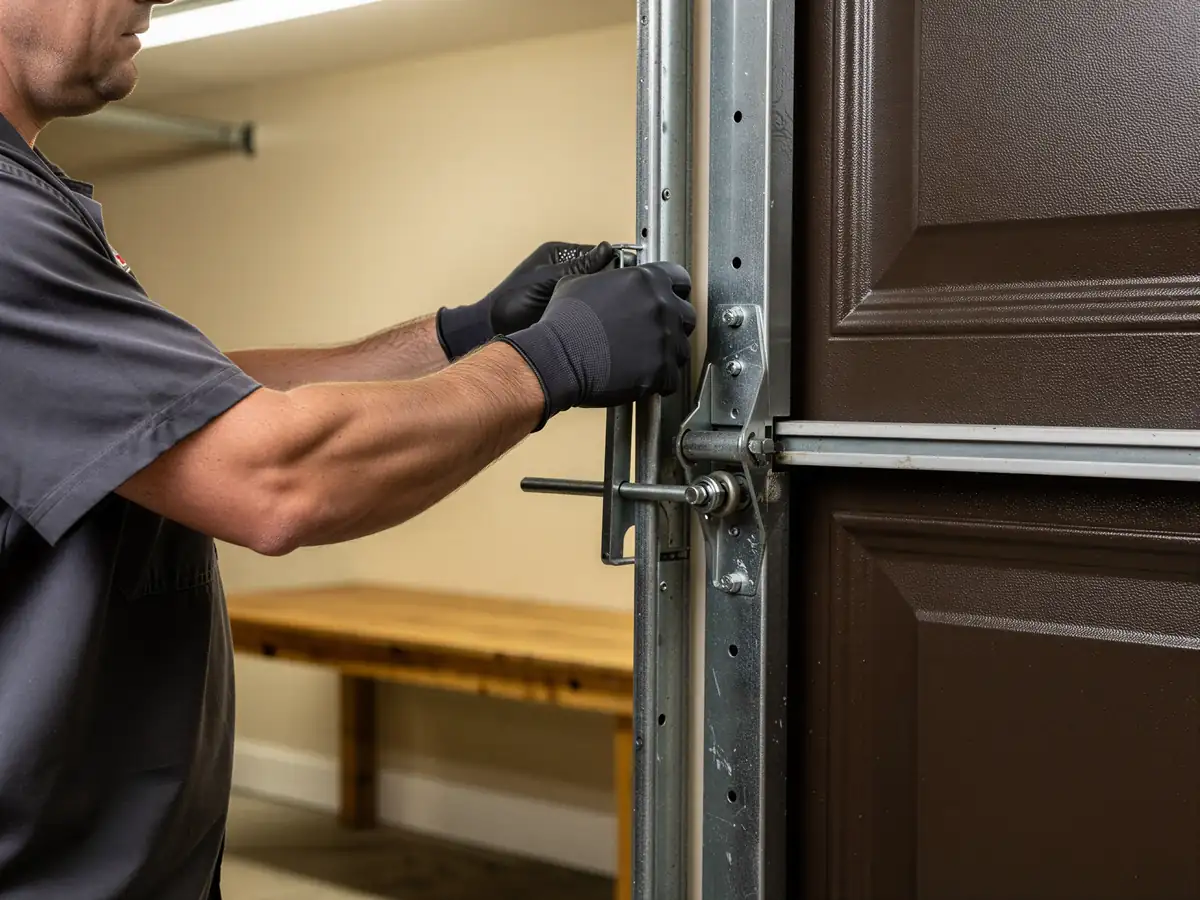
Next, check the bottom brackets and the cables running down each side. A snapped spring sometimes takes a cable with it, especially on older doors where the cable's been doing the job of the spring for longer than it should. If the door is a one-piece or sectional from the 1980s or 90s - common across the Woodstock service area since that's when most of this housing went up - the hardware may be original. Original hardware on a thirty-year-old spring is exactly the kind of thing that fails on a cold morning rather than a warm afternoon. Note the size of the door, whether it's single or double, and whether you see one spring or two before you call anyone.
The Seasonal Bit
Springs don't usually break because of one cold night
They break because they've been wound and unwound thousands of times, and the cold is just the final push on a coil that was already close to its limit. Steel contracts slightly as it cools, which stiffens the coil and raises the stress on any spring that was already near the end of its rated cycle count.
In a house built in the 1980s or 90s
The bulk of the stock across this part of the Woodstock service area - that spring has had three or four decades of temperature swings to work through. It's not unusual for a spring that's held on through every other season to finally snap on the first hard cold morning of the year, simply because that's when the stiffened coil and the accumulated fatigue line up. If your door has been getting harder to open by hand over the past few weeks, that's often the warning sign that arrives before the actual break.
What the Weather Here Does to It
Woodstock sits in a moderate cold climate band - not the kind of deep freeze that cracks concrete, but enough swing between a 70-degree afternoon and a overnight drop near freezing to stress metal parts repeatedly through a winter. That repeated contraction and expansion is harder on a garage door spring than one long cold spell would be, because it's the cycling that fatigues the steel, not the cold itself.
Lubrication matters more here than people expect. Grease on rollers and hinges stiffens as temperatures drop, which adds resistance right as the spring is under the most strain. On a door that's original to a house built decades ago, with hardware nobody's serviced in years, that combination of stiff grease and an already-tired spring is what turns a quiet December morning into a door that won't move. It's rarely one dramatic event - it's the accumulation finally showing up on the coldest morning of the week.
What Is Going On
Here's the mechanical reality: a torsion spring is rated for a certain number of open-close cycles before the steel fatigues past safe tension. Houses in this service area were mostly built between 1964 and 2007, with the heaviest concentration in the 1980s and 90s, which means a large share of doors are running springs well past their original install date. Add in colder mornings that stiffen the coil and raise stress at the moment of lift, and a spring that's been fine all year lets go.
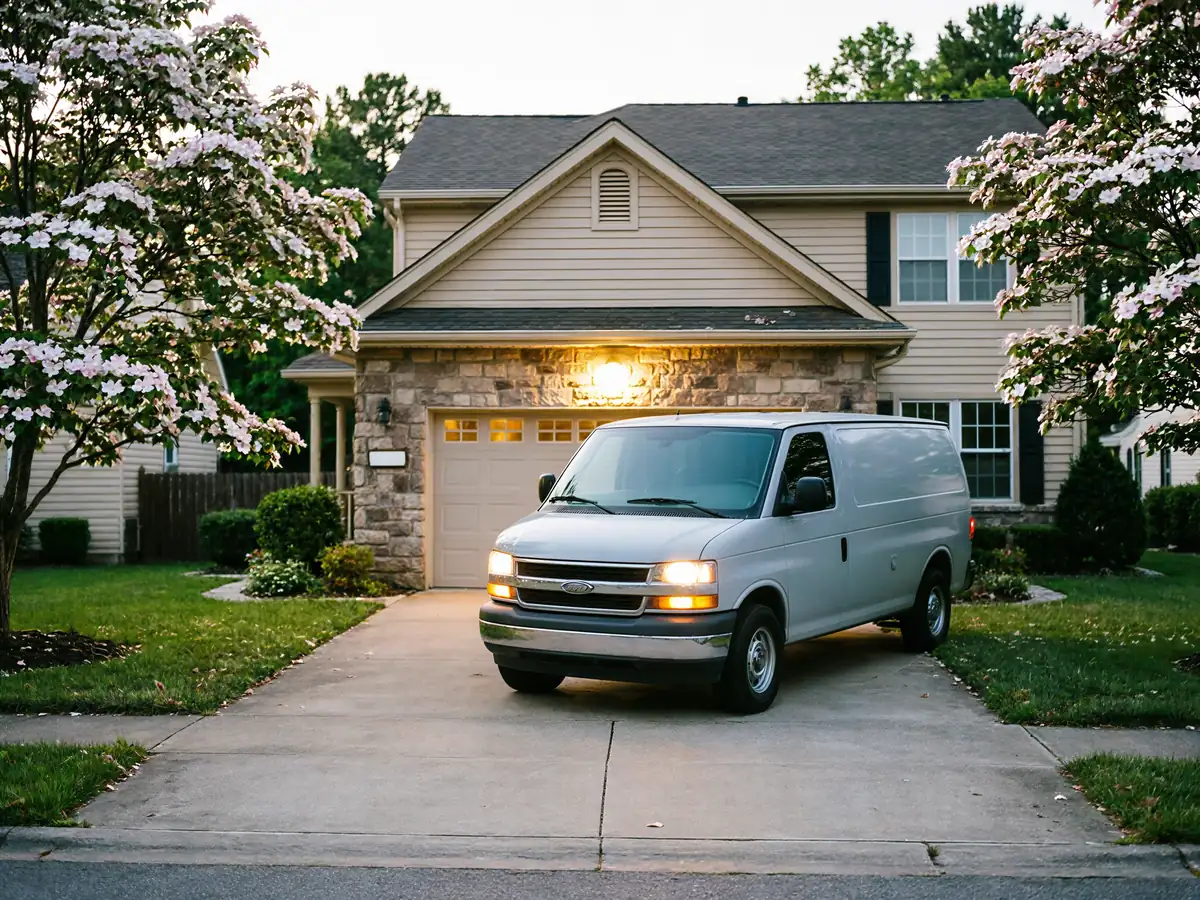
One honest limitation: not every spring size fits every door, and the oldest doors in this area - built before standard sizing settled in - sometimes need a spring we don't carry on the truck. That can mean a short wait on a part rather than a same-day fix, and it's better to know that going in than to be told otherwise. If your door is original to a house from the 1960s or 70s, mention that when you call - it changes what we bring.