Parts We Carry
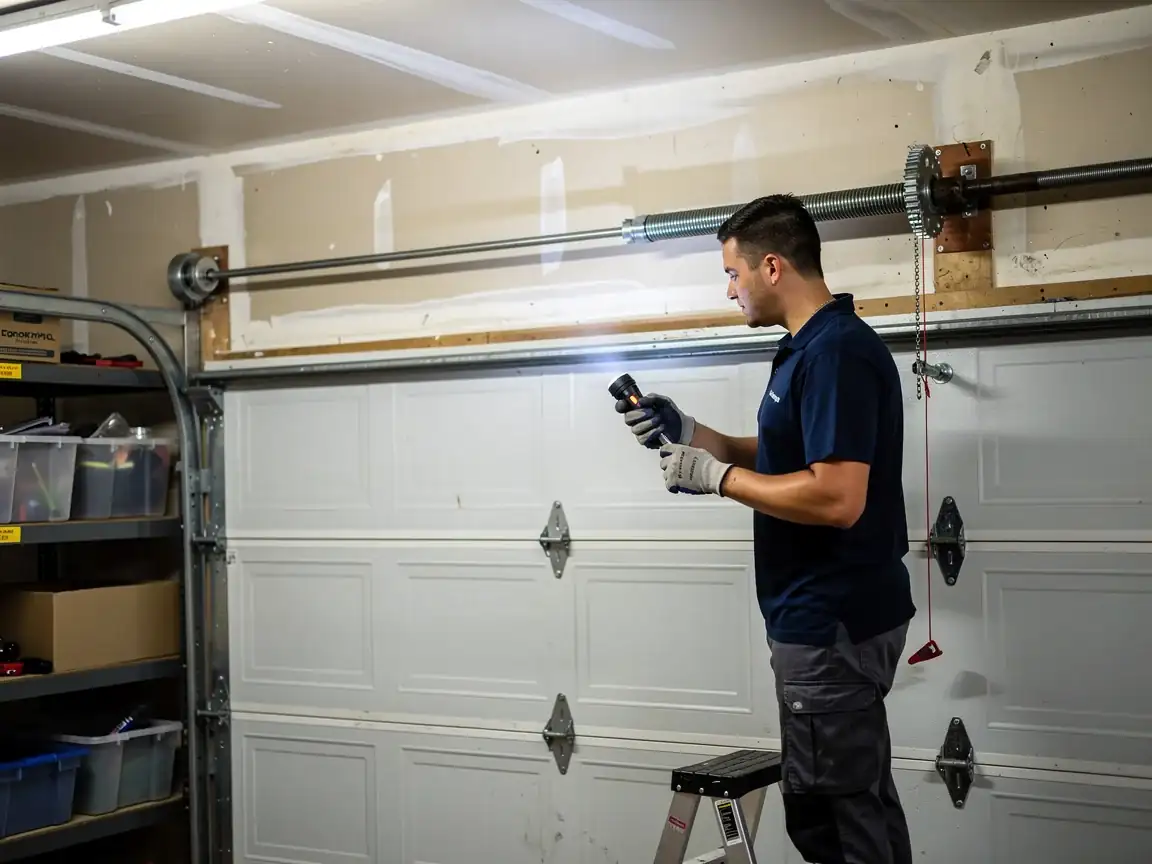
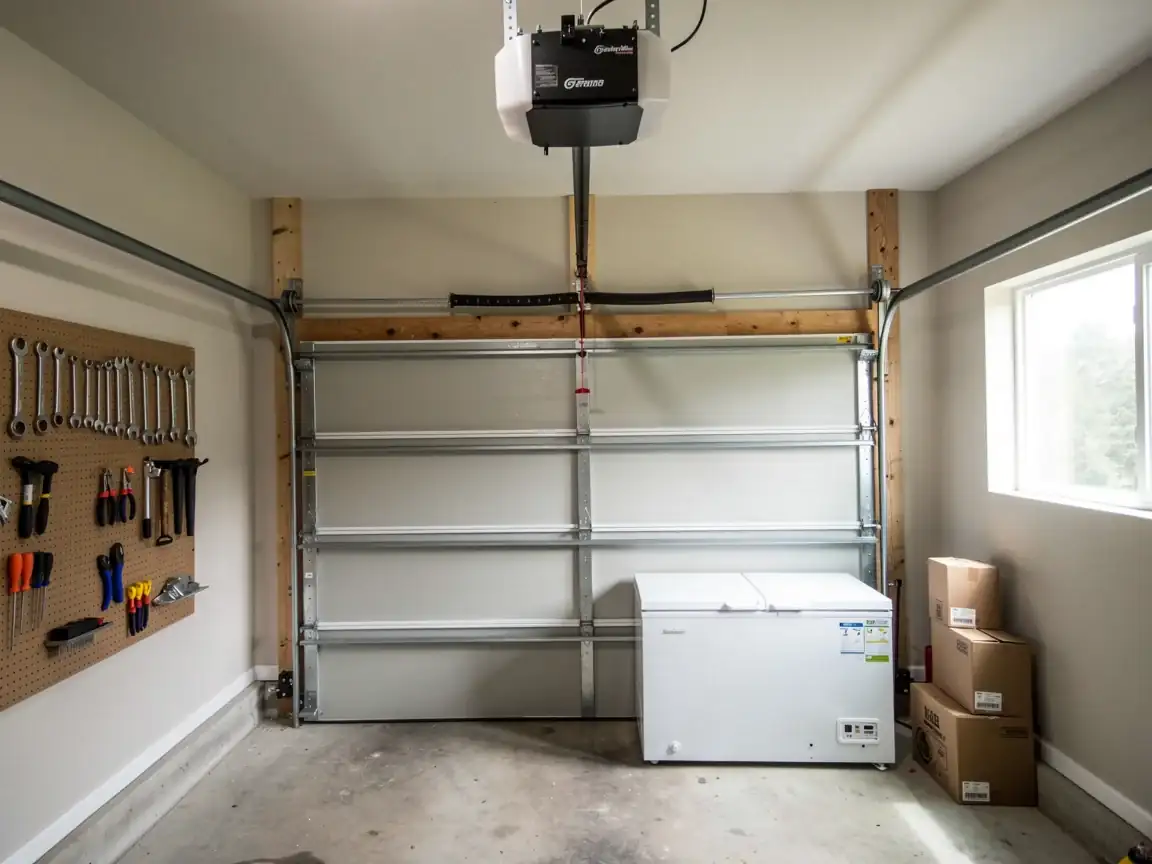
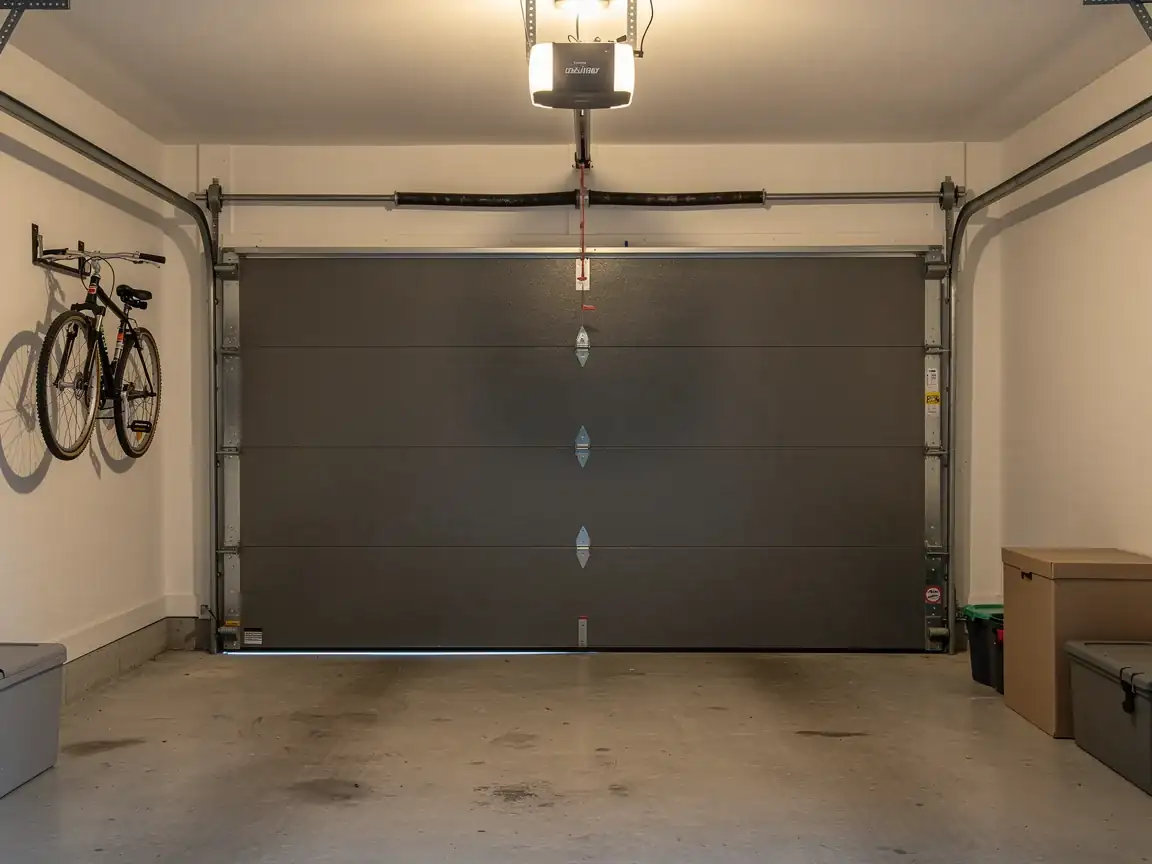
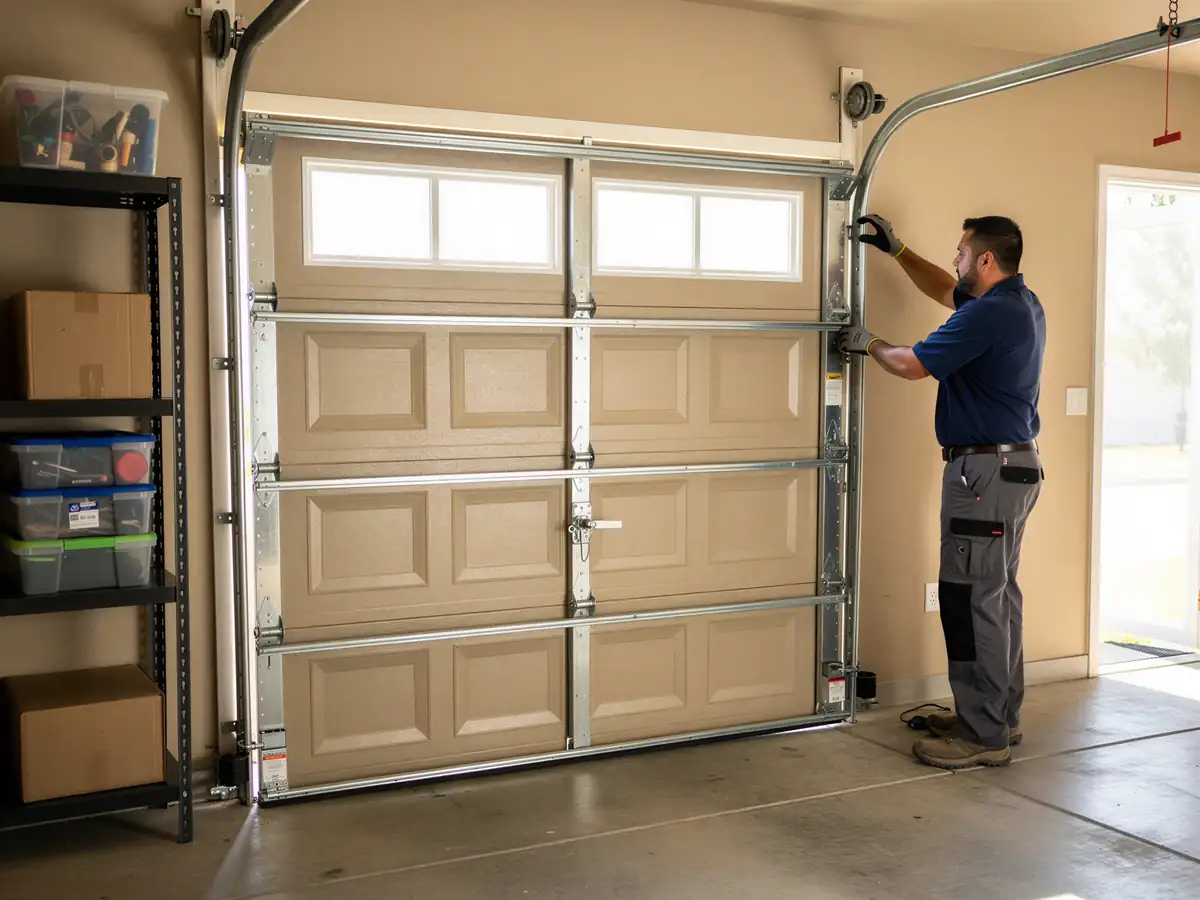
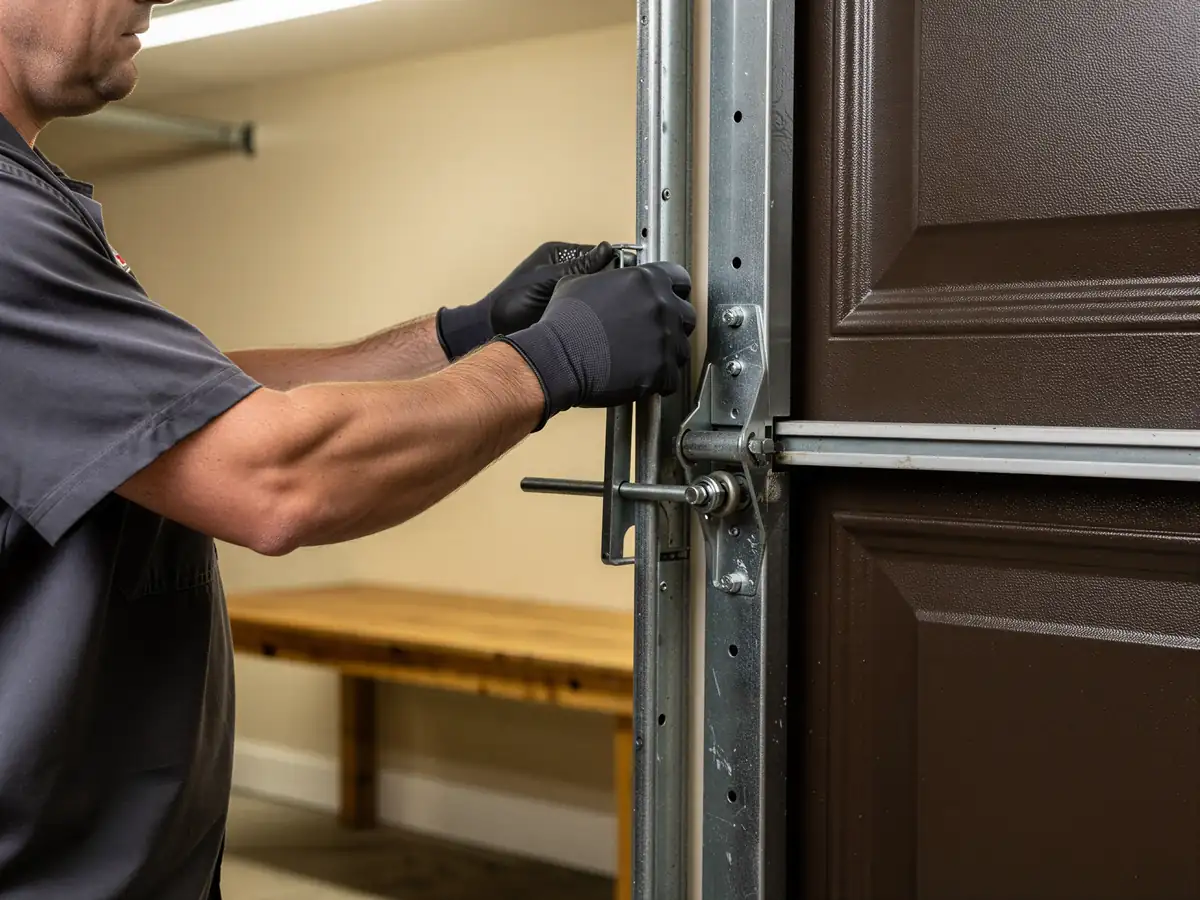
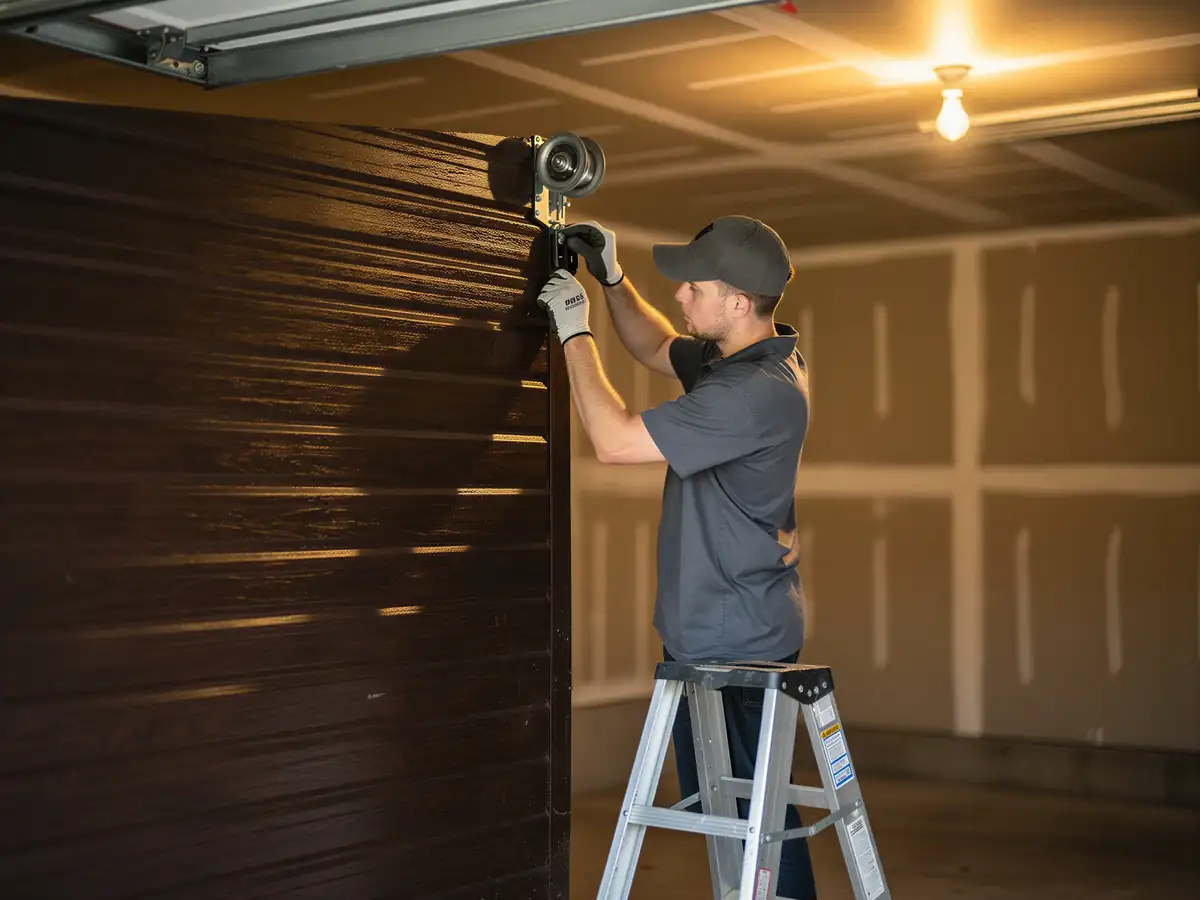
Most of the calls we get in Woodstock involve doors and openers installed when the house was built, somewhere between 1964 and 2007, with the bulk of that stock going up in the 1980s and 90s. That means we keep torsion springs sized for the steel sectional doors that era used, standard 7-foot and 8-foot cable sets, and the nylon and steel rollers that wore out a decade ago on half these driveways. We also stock chain-drive and belt-drive opener parts that match the circuit boards and logic units sold through the 90s and early 2000s, because a lot of Woodstock garages still have the original opener bolted to the ceiling. What we don't carry on the truck is obsolete opener control boards from the earliest run of that era - if your unit is from the leading edge of 1964 construction, we may need to order the board rather than swap it same-visit. We'll tell you that up front instead of promising a part we don't have.
Why This Fails Locally
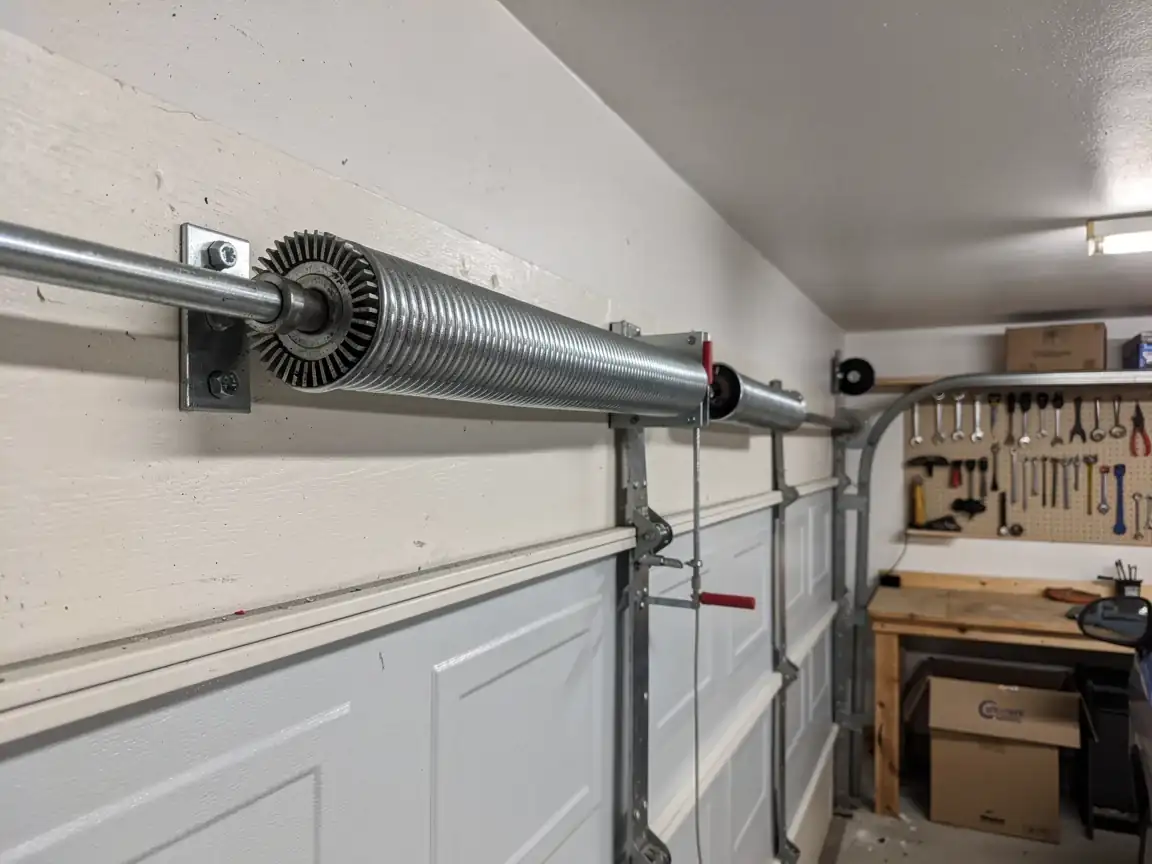
Woodstock sits in a moderate cold climate band, which doesn't sound severe until you count the freeze-thaw cycles a torsion spring goes through every winter. Steel springs and cables installed on houses built in the 1980s and 90s have had three to four decades of that cycling, and cold temperatures stiffen the lubricant and tighten the coil wind right when the door gets used most - early morning, before the air warms up. That combination is why so many Woodstock calls cluster in the colder months: the spring was already near the end of its fatigue life, and the cold just picks the day. Newer torsion systems elsewhere might shrug this off, but a 30-year-old spring on original hardware doesn't have the margin left. It's also why we see opener gear sets strip on houses from that same building window - the nylon gear inside 80s and 90s chain-drive units gets brittle with age and cold, and it's usually the gear, not the motor, that finally gives out.
The Symptom
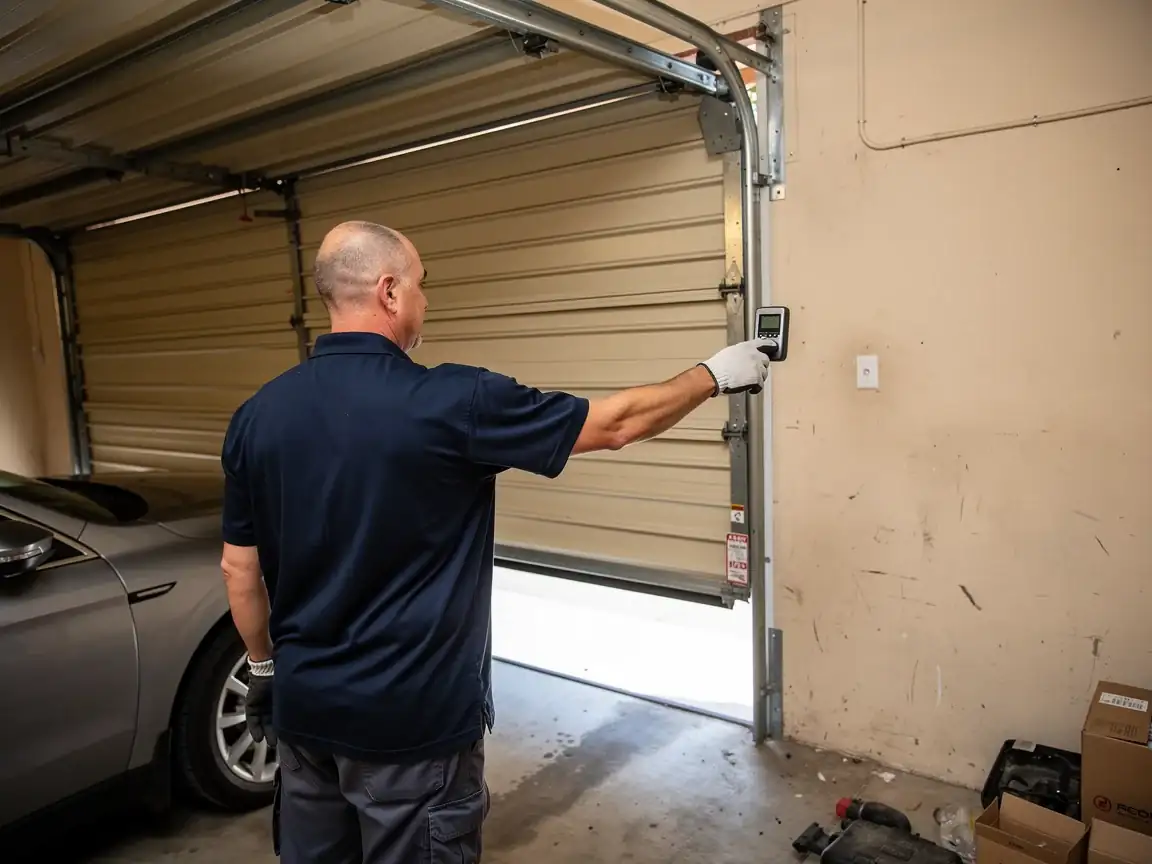
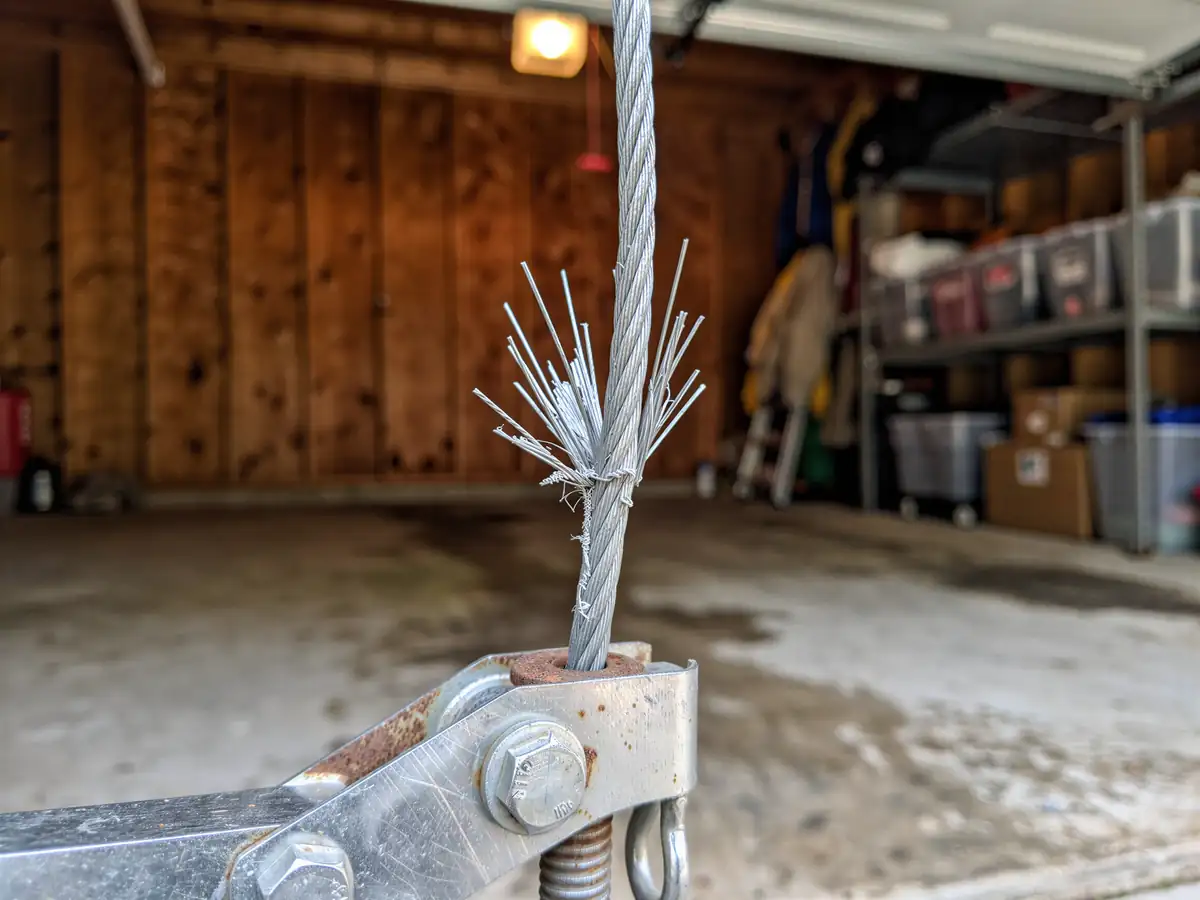
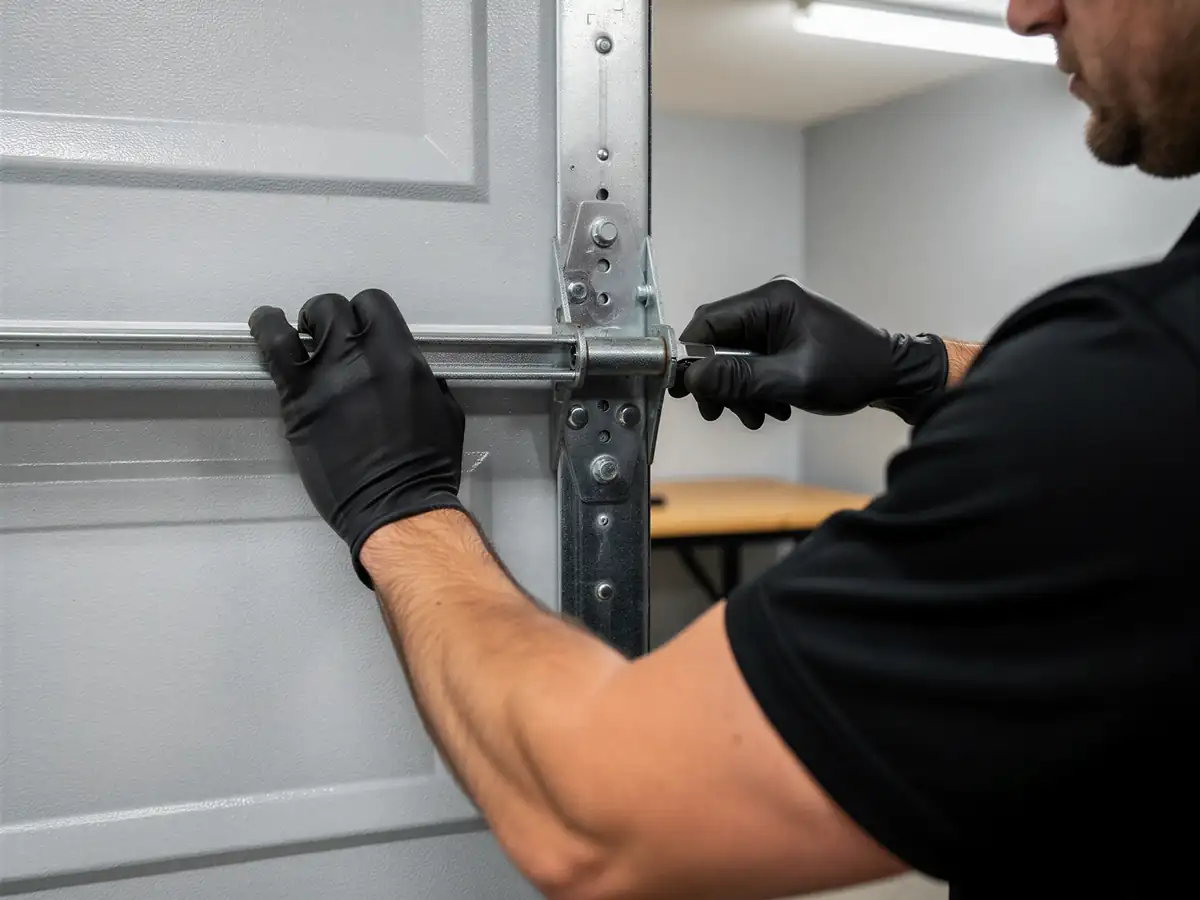
The most common version: the door won't move, or it moves a few inches and stops, and you hear a bang from the spring side of the header before any of that happens. That's a torsion spring letting go, and on a double door it's almost always the kind built into houses from Woodstock's 1980s-90s wave. A second pattern - a grinding or clicking from the opener head with the door barely budging - usually points to a stripped gear in an older chain-drive unit rather than the spring. A third: the door reverses itself halfway down for no visible reason, which on these older openers is often a worn limit switch rather than anything to do with the safety sensors. None of these should be forced by hand past the point where they stop - a spring under tension that's already partially failed is the single most dangerous thing in a garage, and that's not an exaggeration we need to dress up.