What to Check
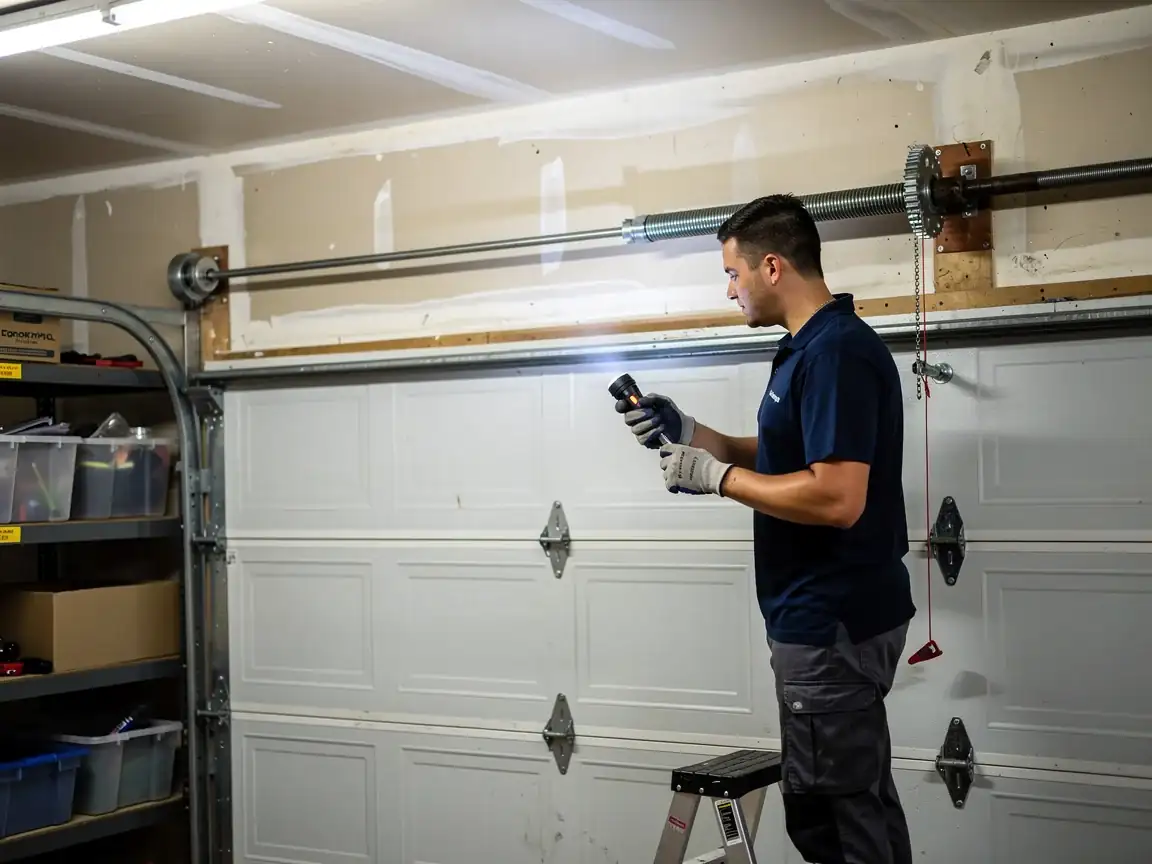
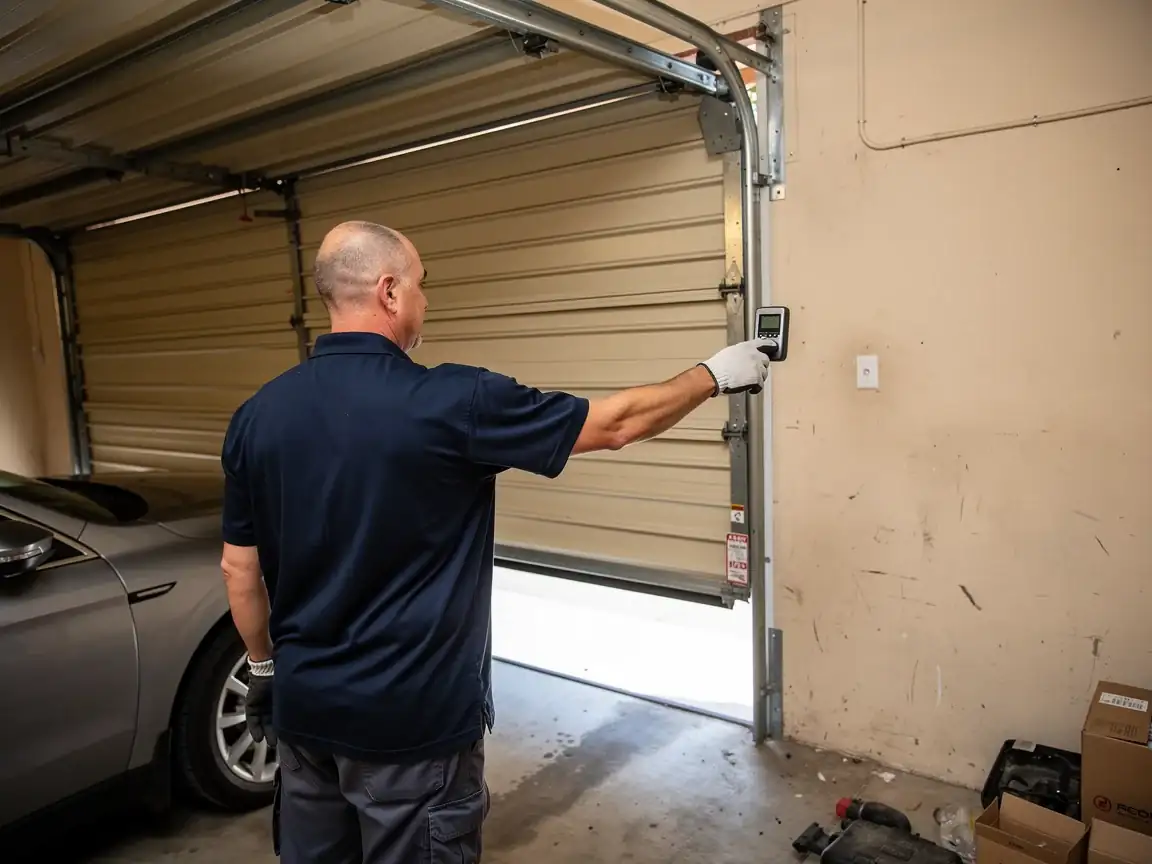
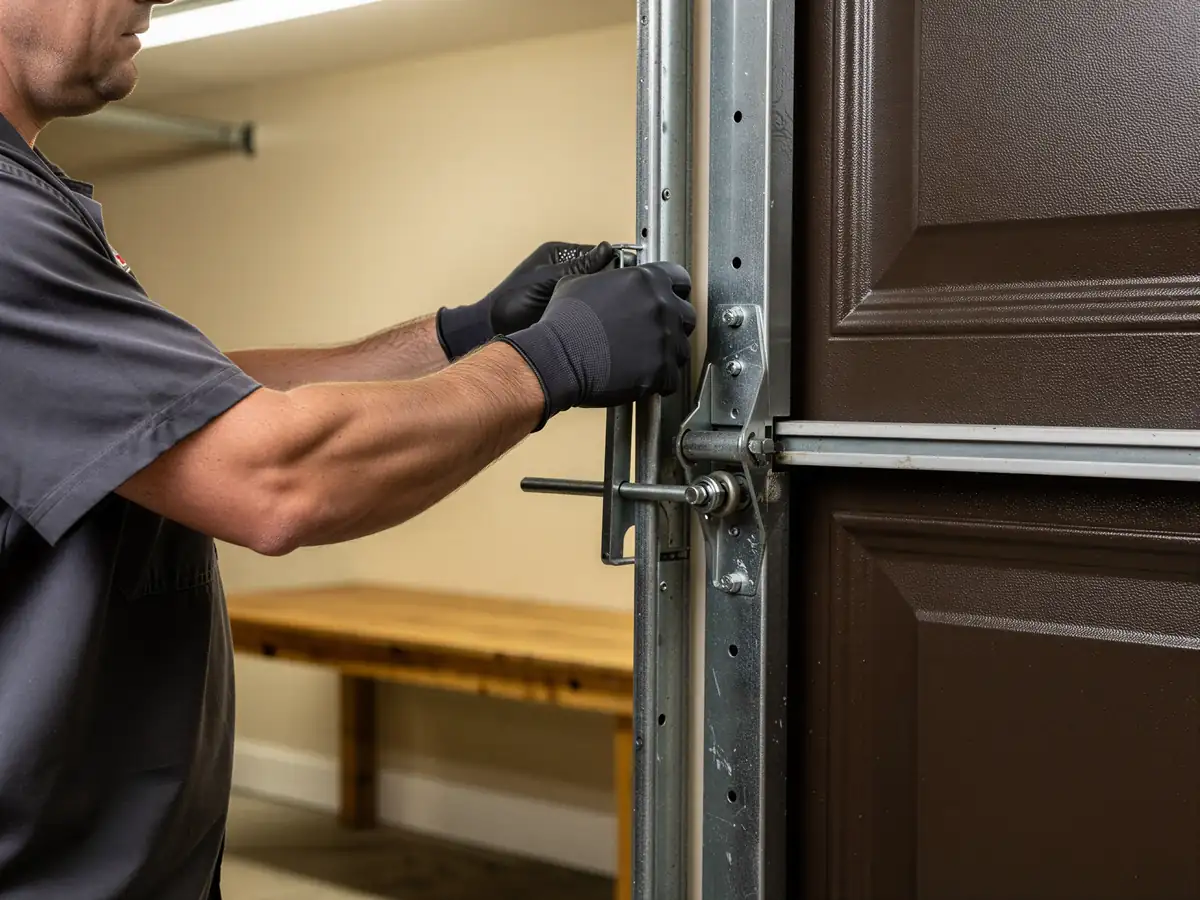
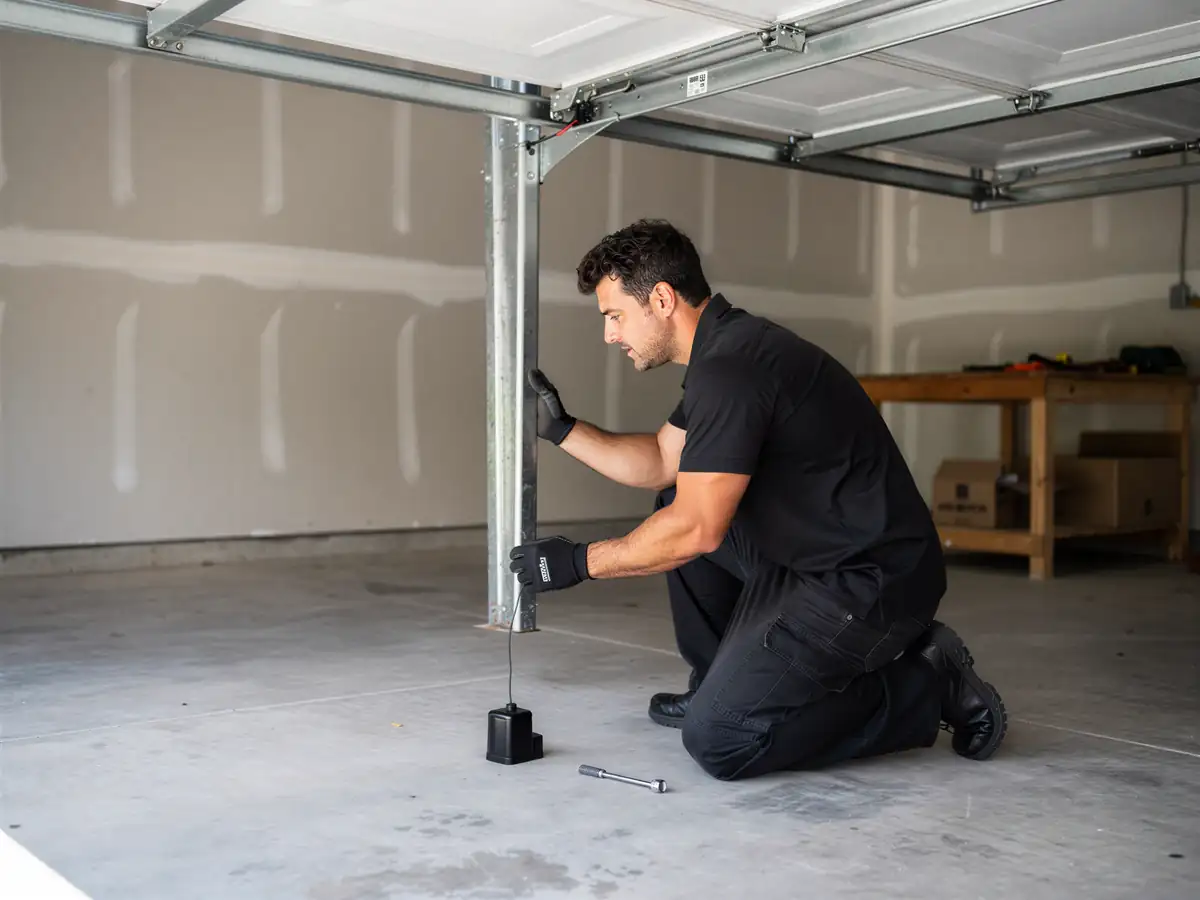
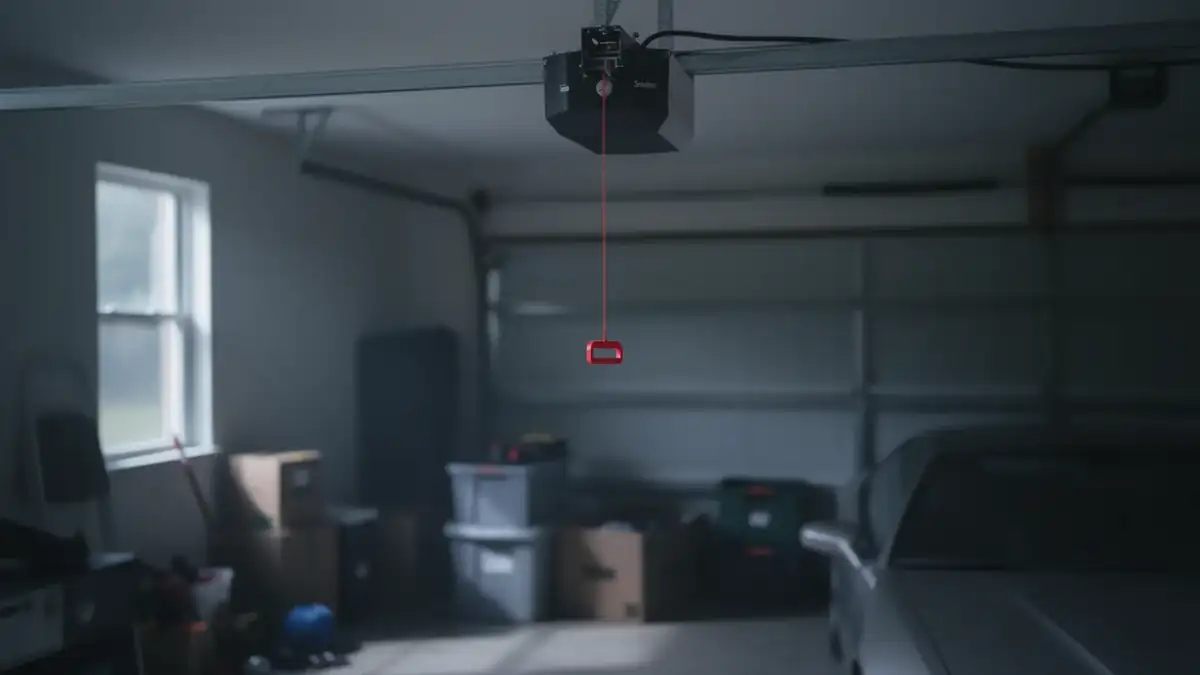
Most houses in this service area went up between 1964 and 2007, with the bulk of that stock dating to the 1980s and 90s across the nine areas we work in. That matters because an opener installed when a house was built in, say, 1986 is not the opener that's on the wall today - but the bracket, the header clearance, and sometimes the wiring run still are. Start by checking the manual release cord; on a lot of these older setups it's been painted over or tucked behind a shelf nobody's moved in years. Next, check if there's a battery backup unit on the opener head. Homes built before the 2000s generally didn't come with one factory-installed, so if you've got an older house and no backup, that's worth noting. Check the photo-eye sensors at the base of the track for dust or misalignment - in a garage that's seen thirty-plus years of lawn equipment and cars coming and going, those get knocked out of true more than people expect. Last, check the wall button and keypad battery. None of this is glamorous work, but on a door system that's outlived at least one or two openers already, it's the stuff that actually fails first.
What the Weather Here Does to It
A cold-moderate climate means occasional ice and wind events serious enough to knock power out for a few hours, though not the extended multi-day outages you'd plan a generator around. For garage door openers, the practical issue isn't the cold itself so much as what happens the moment power cuts: the opener stops wherever it was in its cycle, and if a door was halfway up or down, it stays there until power returns or someone pulls the manual release. On houses without a battery backup unit - common in this area's older stock built before backups were standard - that's the only way in or out of the garage until the lights come back on. Cold also drains any battery backup faster than it would in mild weather, so a backup that tested fine in September can underperform during a January outage. None of this is dramatic, but it's the reason the manual release cord matters more here in winter than it does the rest of the year.
What Is Going On
Across the roughly 29,135 households and 12,708 owner-occupied houses in this service area, the pattern we see is pretty consistent: openers installed during the main building wave of this area's housing - mostly the 1980s and 90s - are reaching the age where motors, gears, or circuit boards go, and homeowners are first noticing it as "the door's slow" or "it stopped working after that storm." Often both are true at once. One honest limitation: we don't do electrical panel work or whole-house backup generator installs - if your power cut problem is really a panel or wiring issue, that's outside what we handle, though we can tell you whether the opener itself is the weak link. We work this area out to Holly Springs, Mountain Park, Fair Oaks, Emerson, Waleska, Vinings, Ball Ground, Powder Springs, and Doraville, and the same housing-age pattern holds across most of it.