What Neighbours Usually Call About
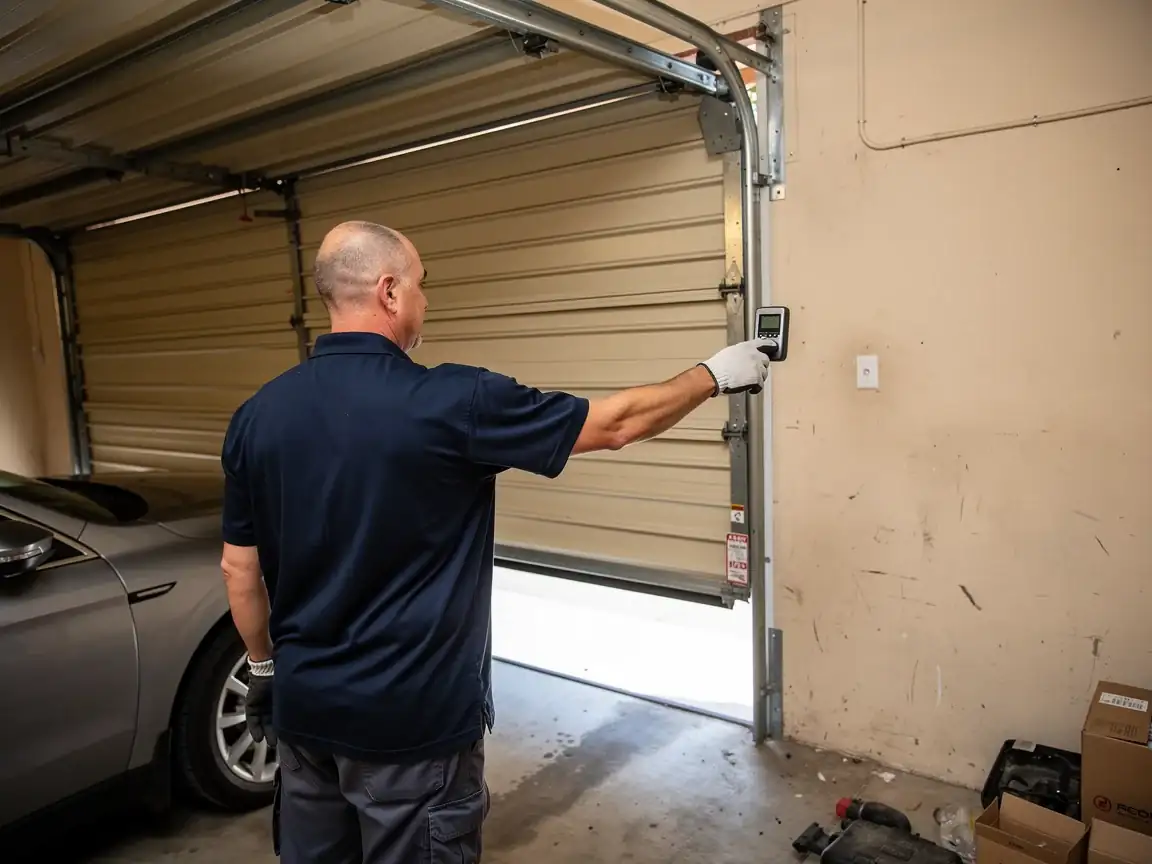
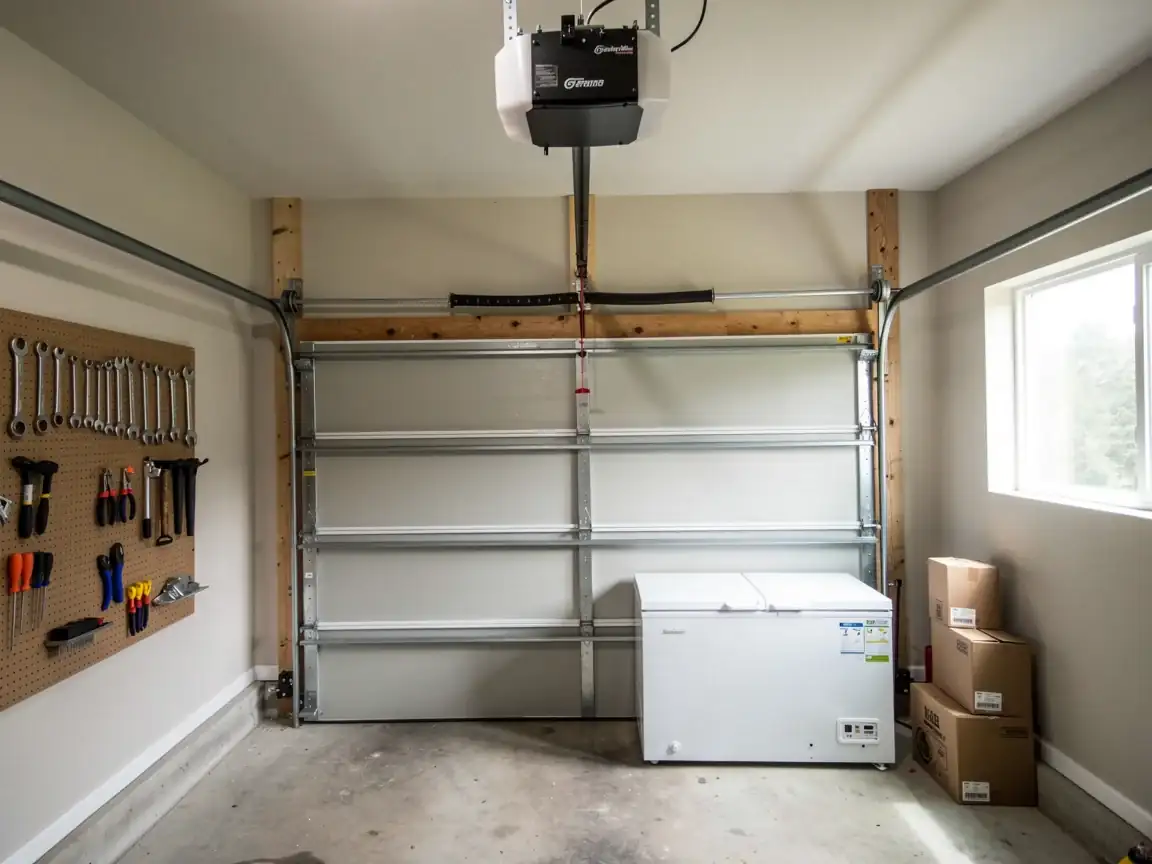
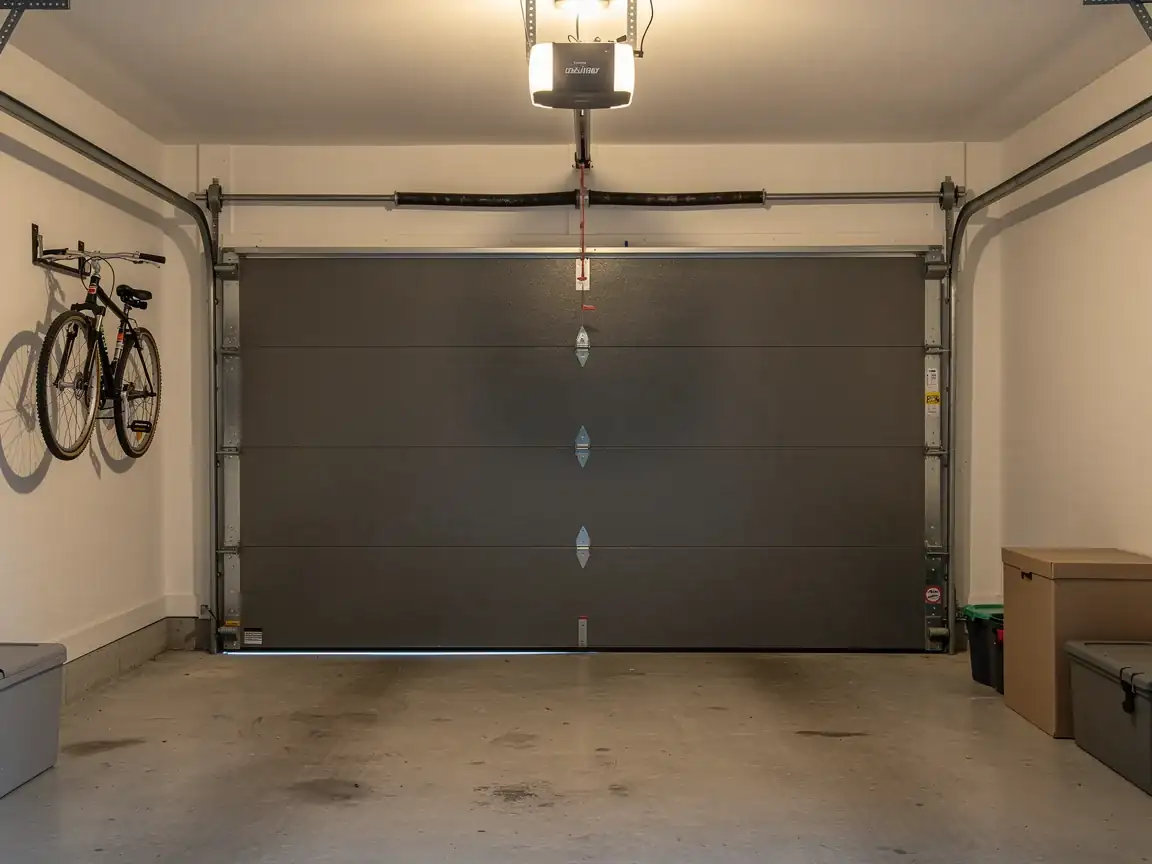
Doraville sits about 19 miles from our Woodstock shop, and the calls we get from this side of the service area skew older than what we see closer in. The typical house here went up around 1972, well ahead of the 1984 median across the rest of our coverage area. That gap matters: a door and opener installed or replaced in the 1970s or 80s is running on hardware that's been superseded a few times over. We hear a lot about openers that still use chain drives with worn sprockets, torsion springs that were sized for a lighter door than what's hanging on the track now, and tracks bent from decades of cars clipping them in narrower driveways. Some of these calls are simple adjustments. Others turn into full opener swaps because the control board parts for a unit that old just aren't made anymore. We'll tell you straight when a repair isn't worth chasing versus when it is - that's not a sales pitch, it's just where the parts situation lands on gear this old.
What We Do Most in This Area
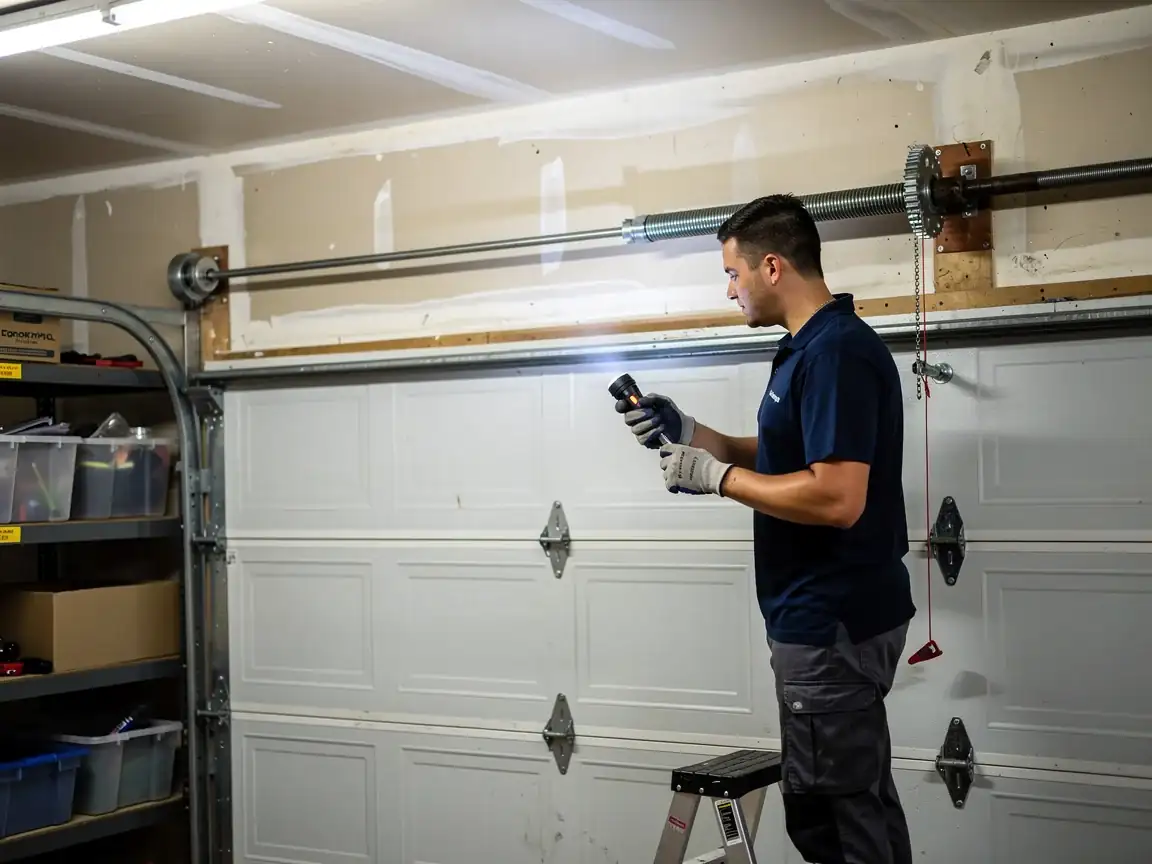
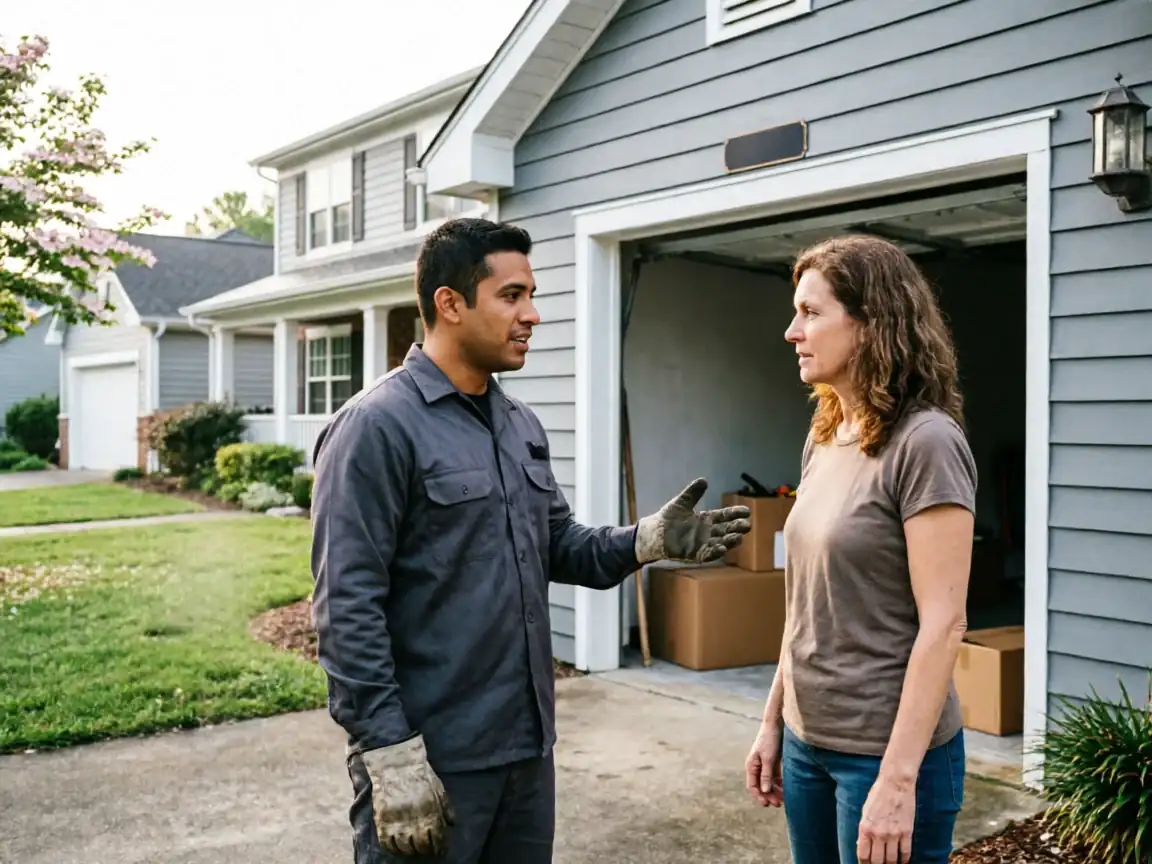
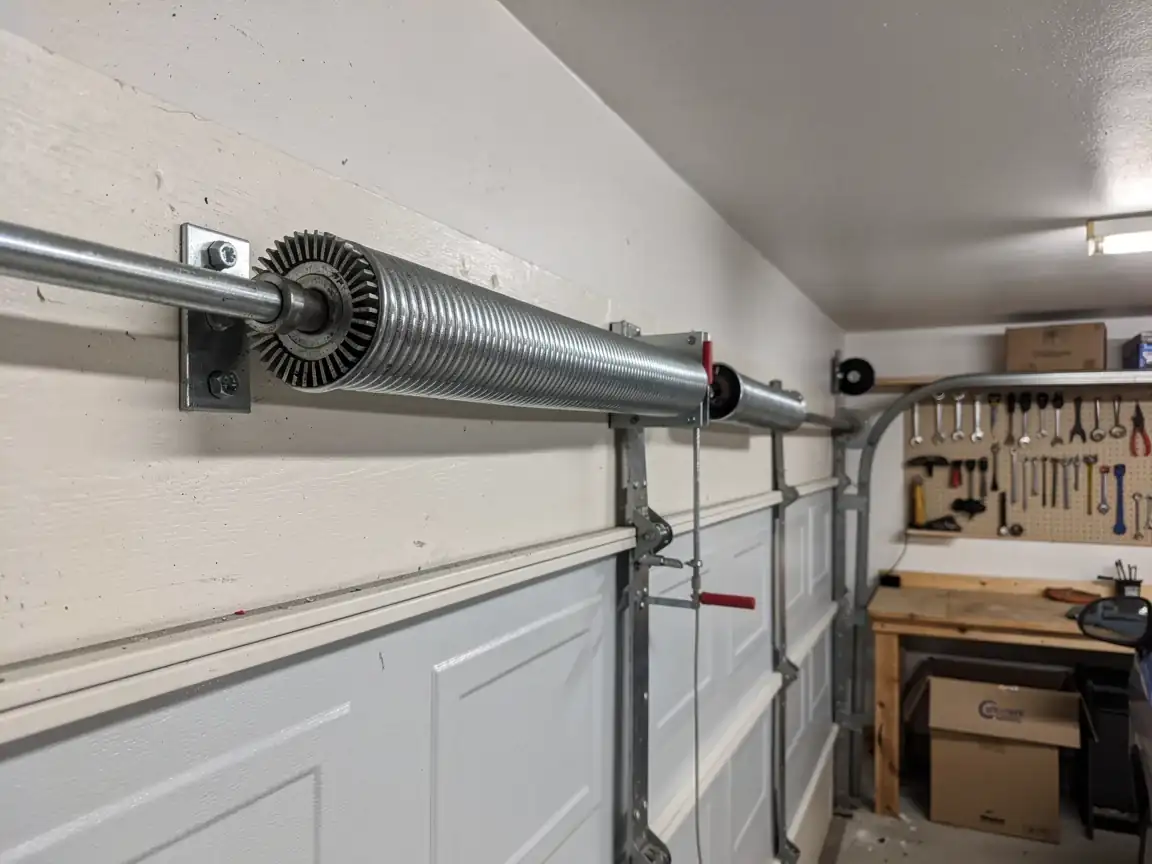
Given the age of the stock in Doraville, the jobs that come up most are spring replacements on doors that were never resized when a heavier insulated door went in, opener swaps where the old chain-drive unit's logic board has failed, and track realignment where decades of settling have pulled the header out of square. We also see roller and cable wear tied to original hardware that was never upgraded - nylon rollers that should've been swapped out years ago, cables starting to fray at the drum. We travel out from Woodstock for these calls rather than running a local depot in Doraville, so scheduling works best when you can tell us up front what the door is doing - grinding, stalling halfway, opener running but door not moving - so we bring the right parts on the first trip instead of a second.
The Houses Here
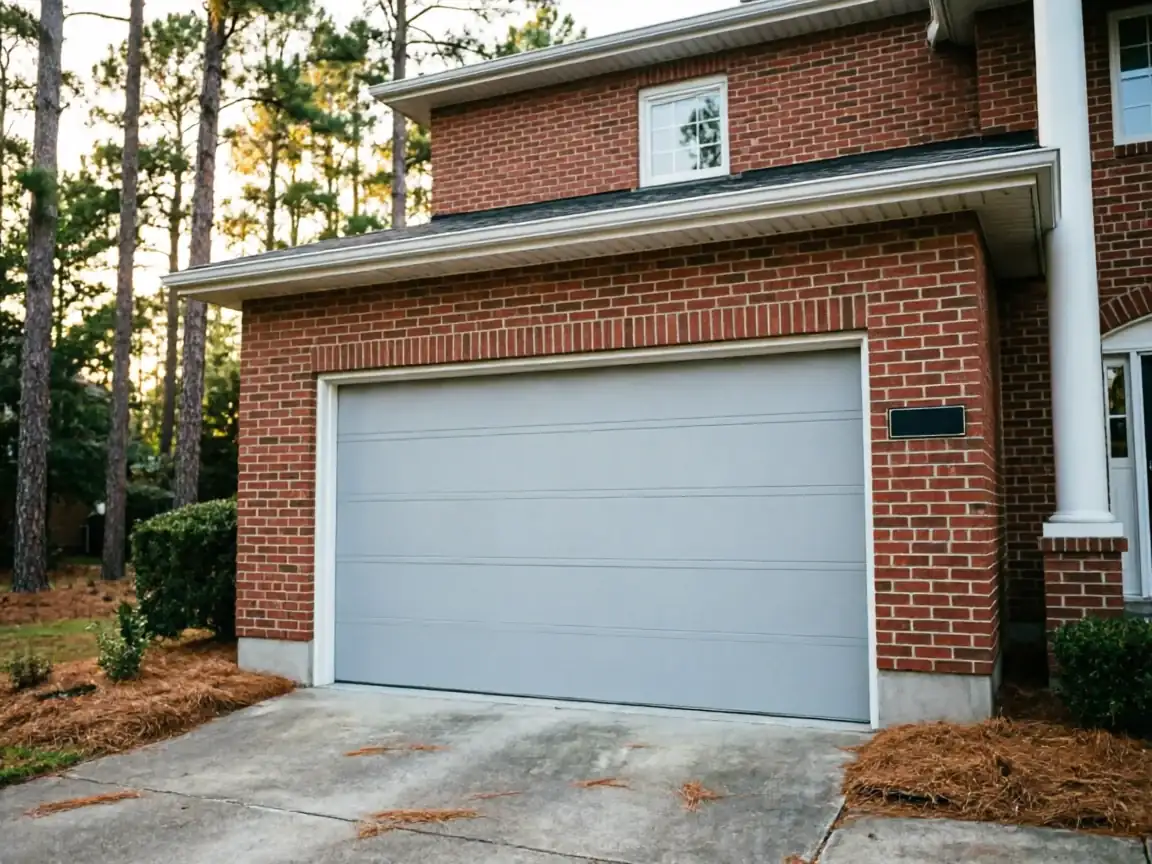
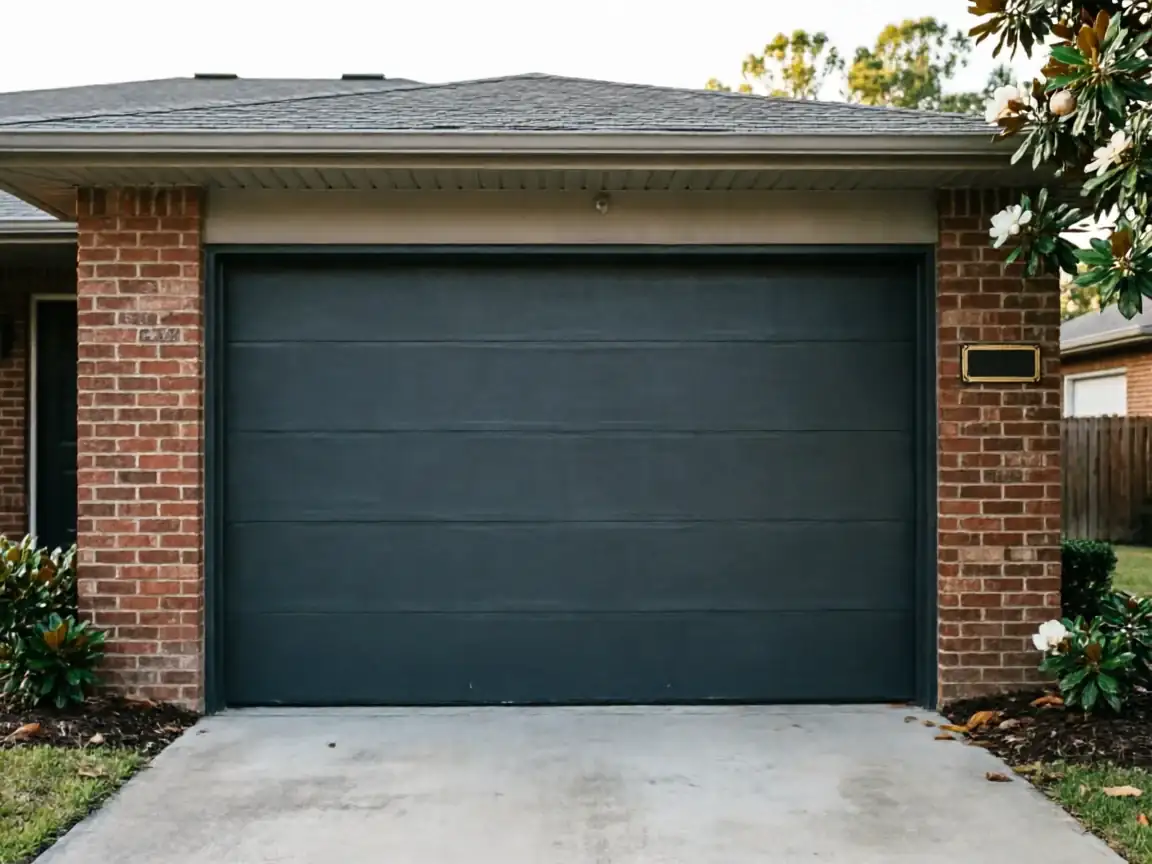
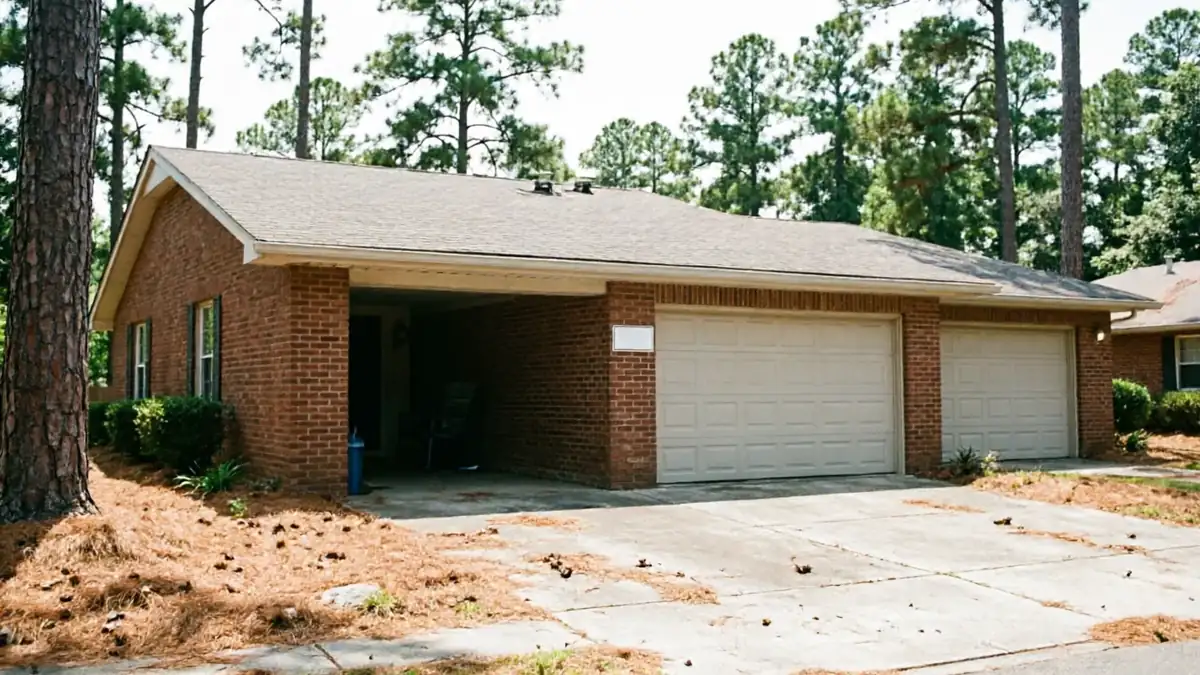
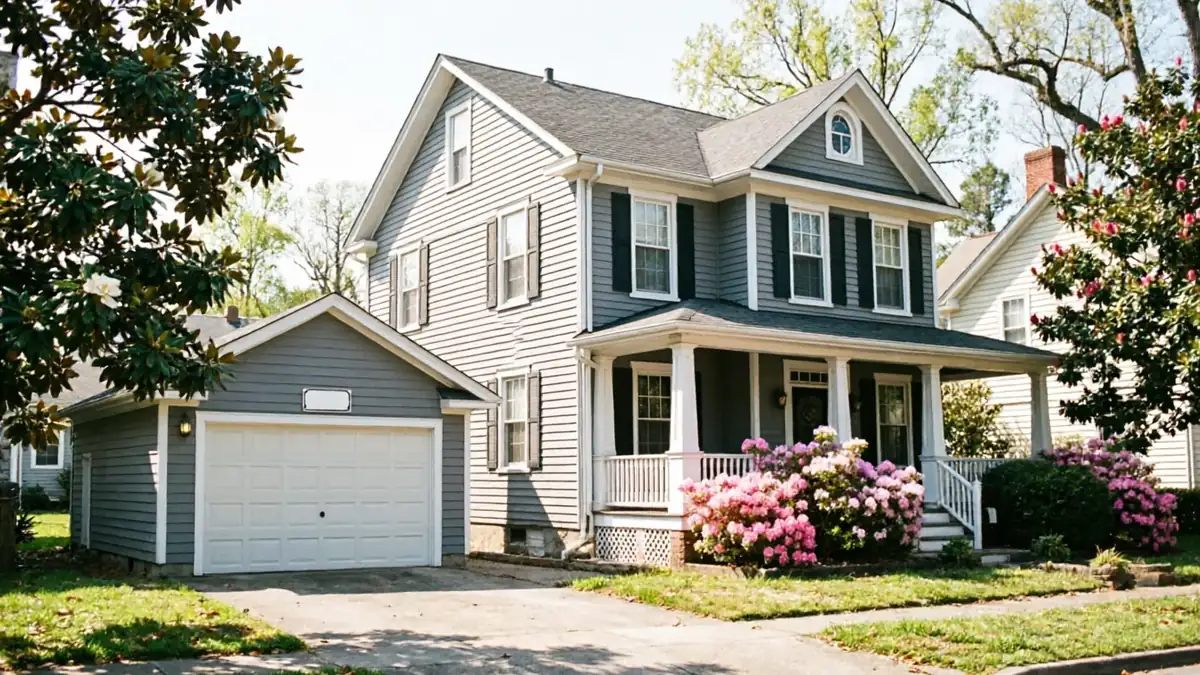
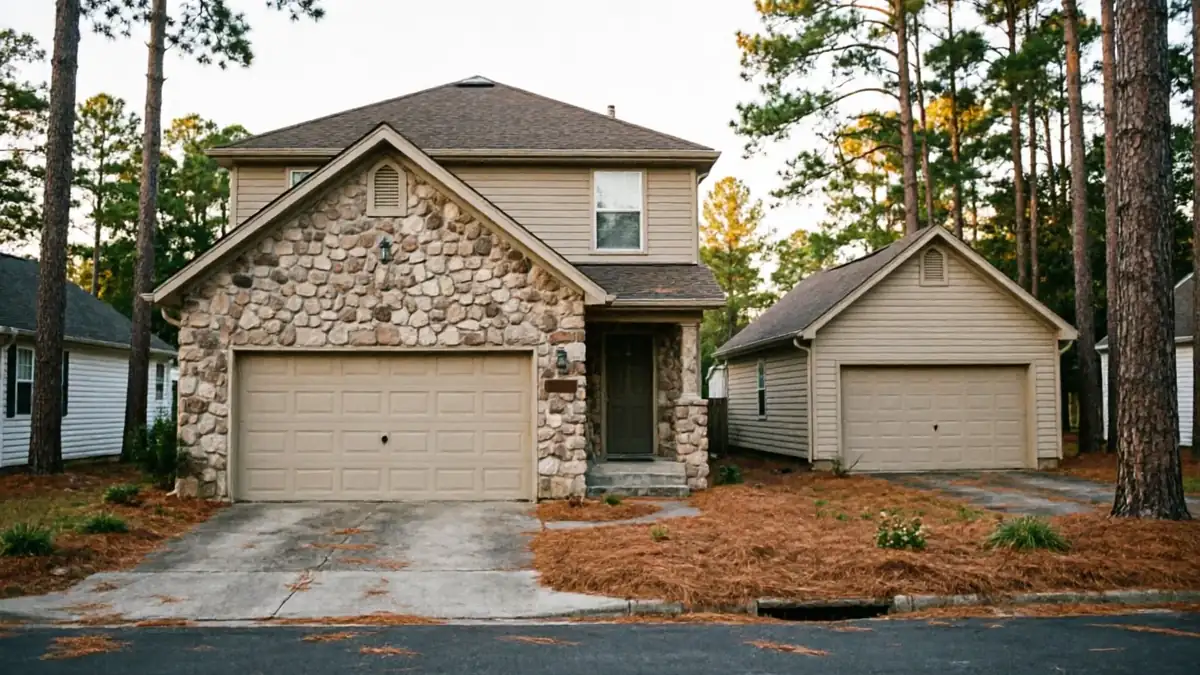
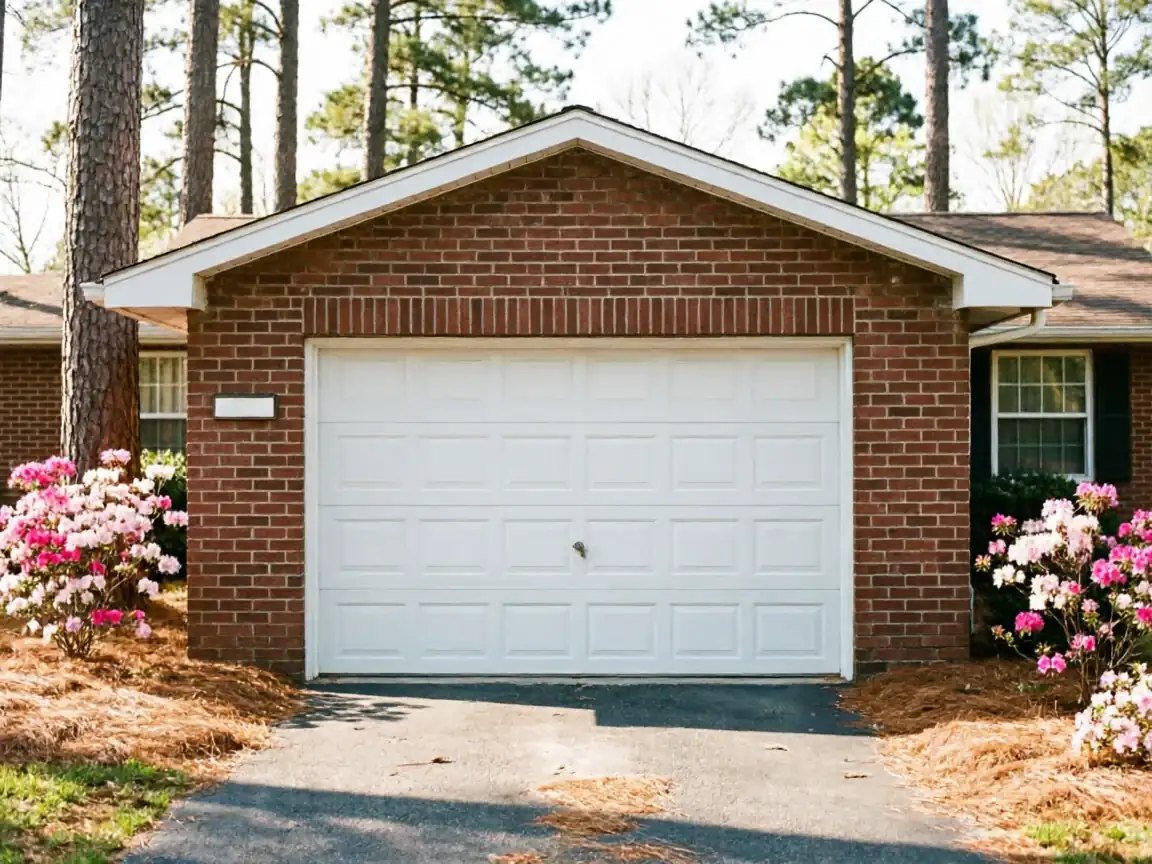
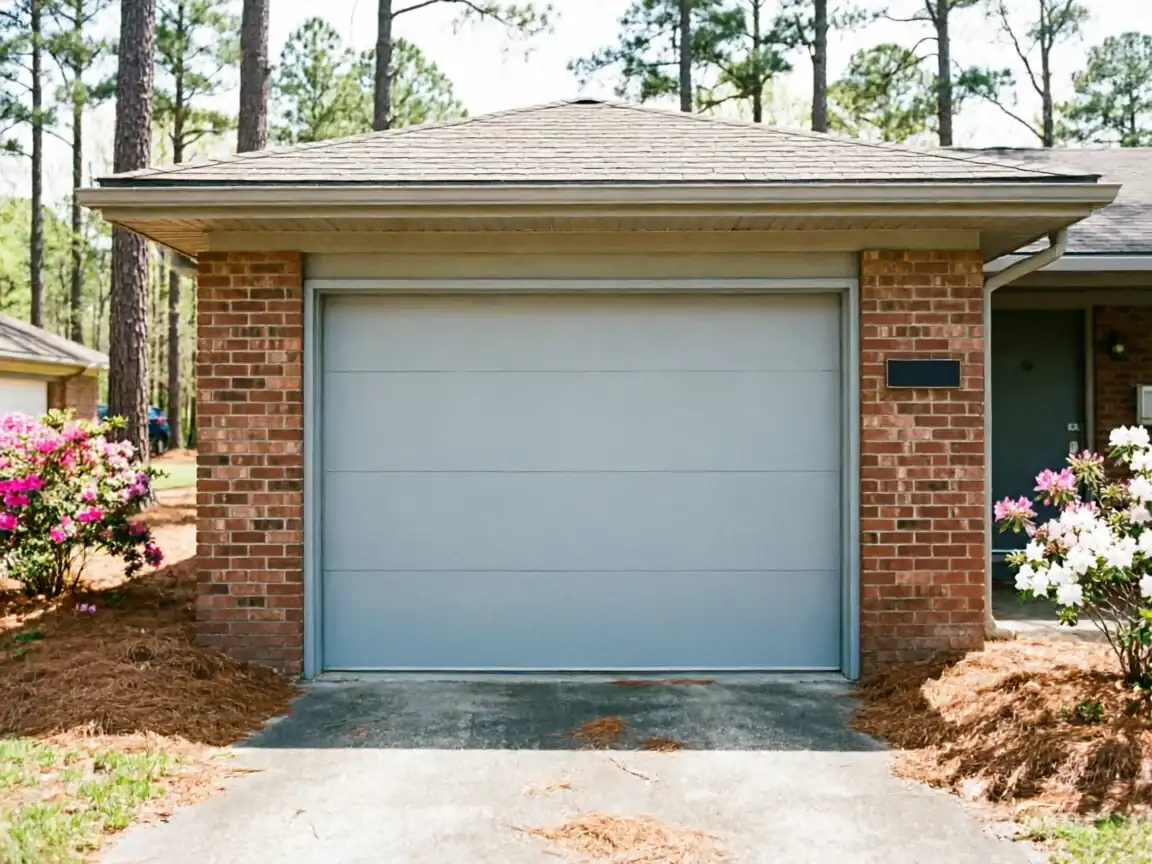
With roughly 3,639 households in this part of the service area and a median income around $60,618, most of what we see are mid-size single-family homes built in that early-1970s window, not the newer construction you'd find in sections of the broader area built in the 80s and 90s. That means original two-car garages sized for the smaller vehicles of the era, sometimes with headroom too tight for a modern opener bracket without adjustment. It also means a fair number of these doors are on their second or third opener but still have the first garage ever installed. If your door has never been touched since the house was built, it's worth getting the spring tension and cable condition checked before anything fails outright - a snapped cable on an old drum system can let a door drop fast.