Parts We Carry
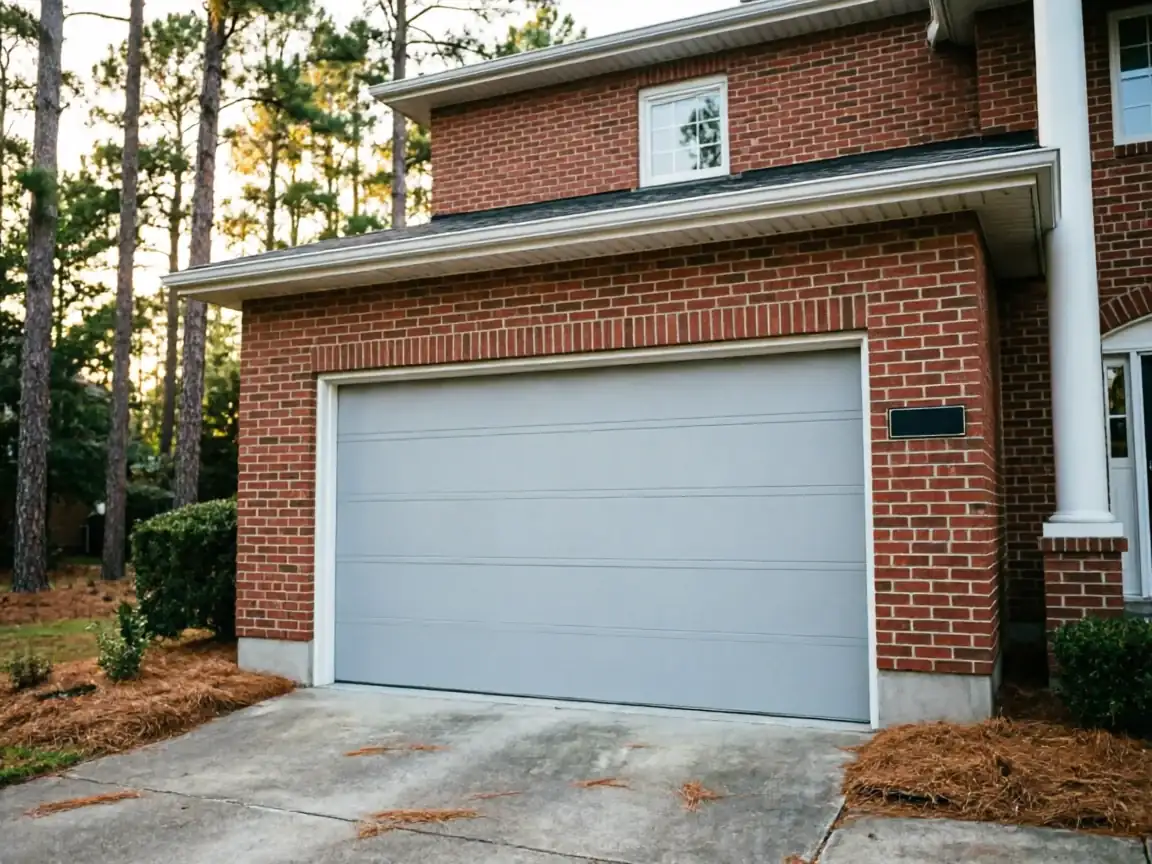
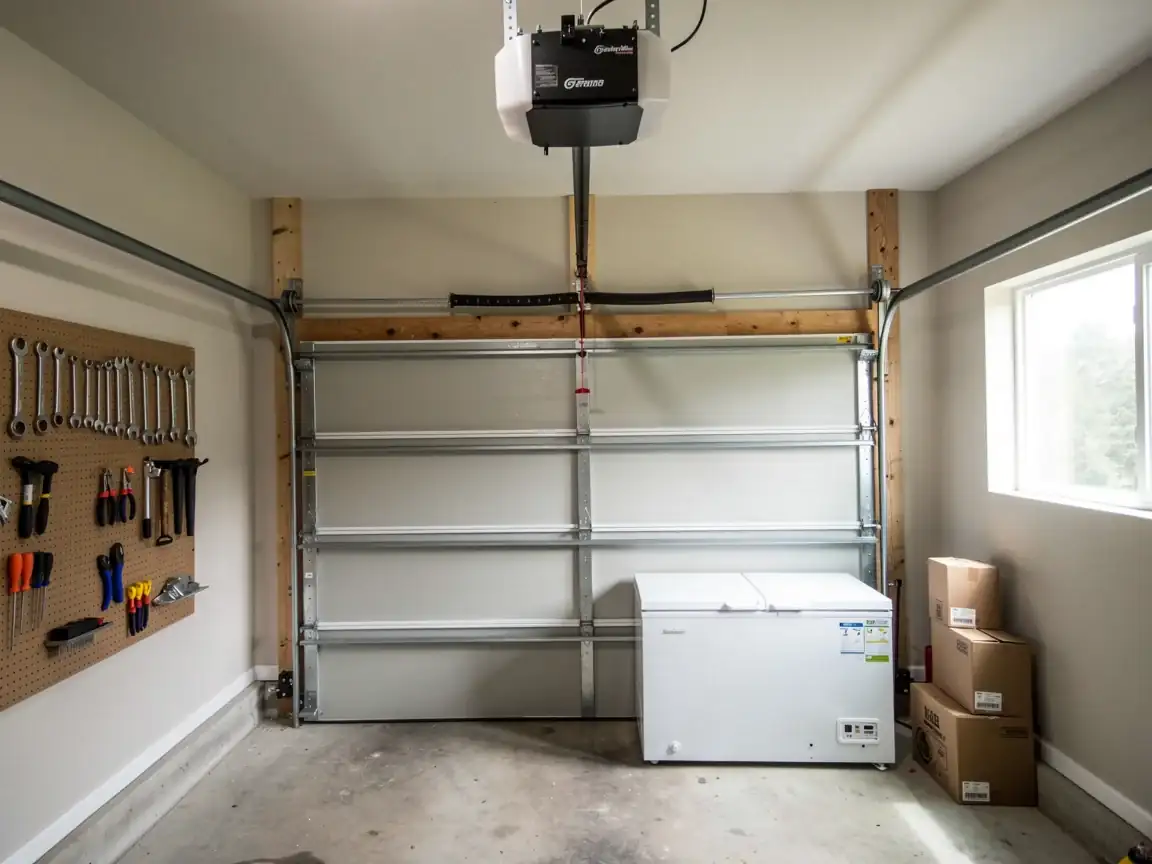
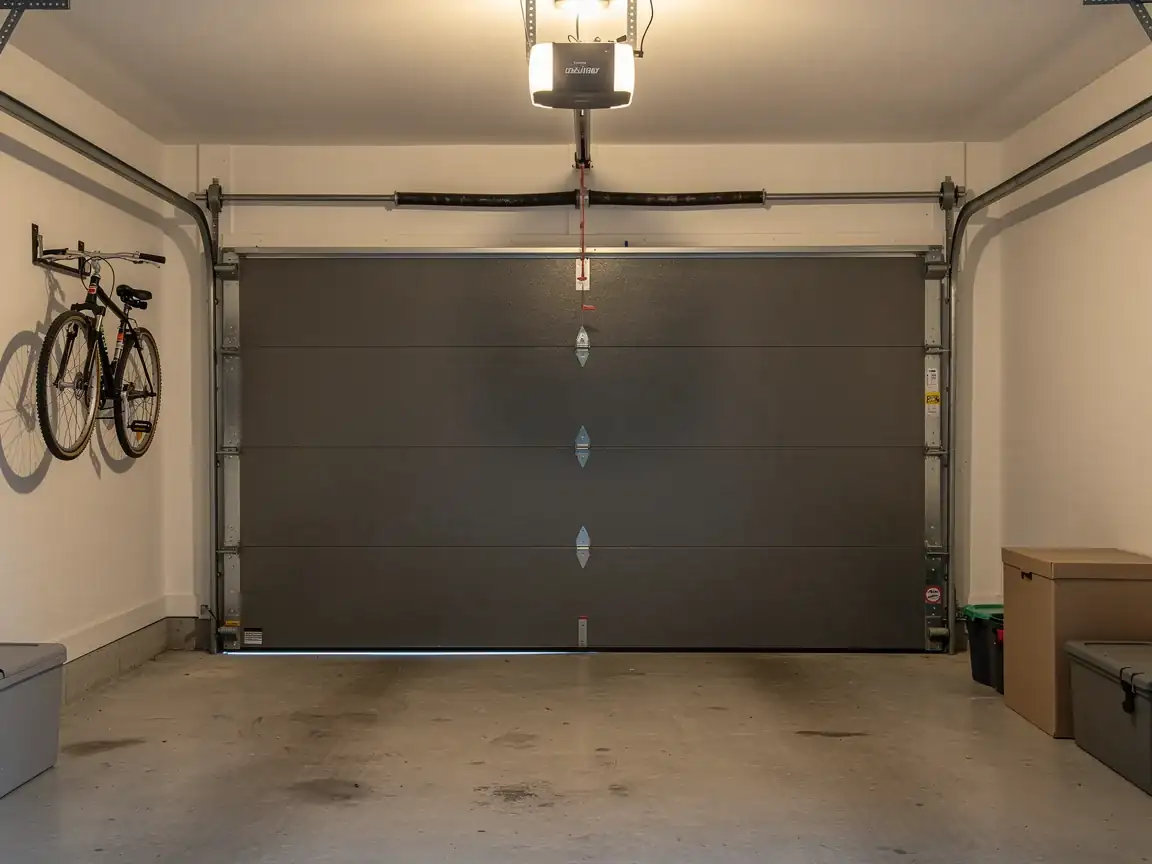
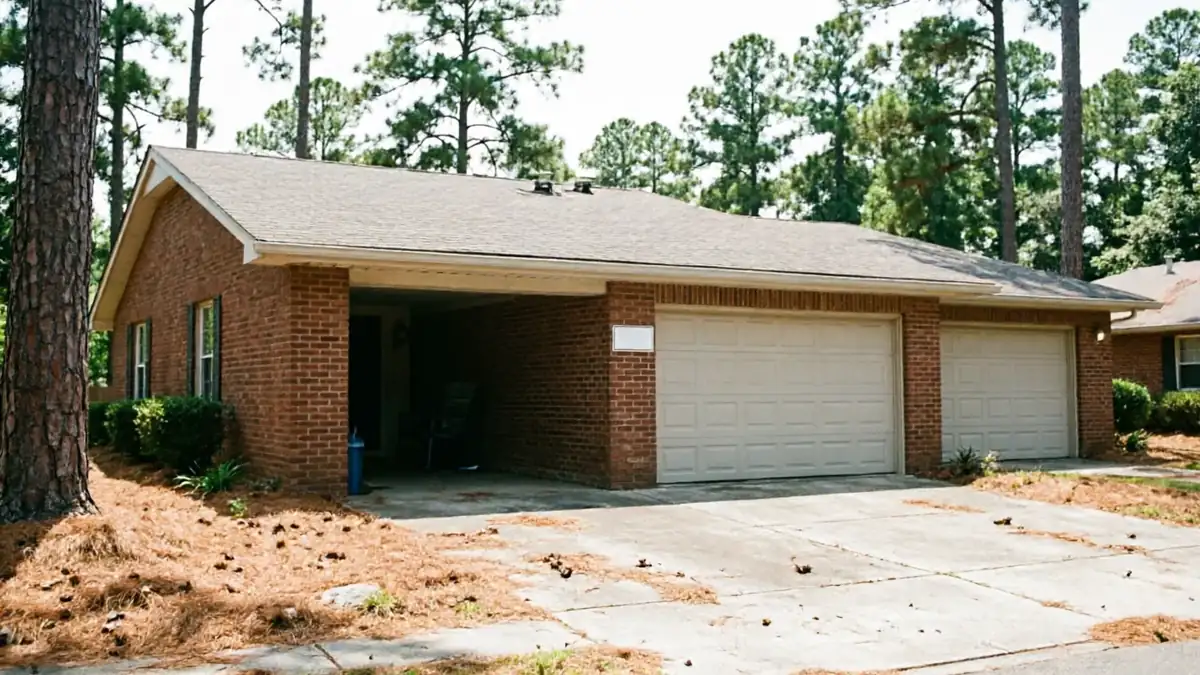
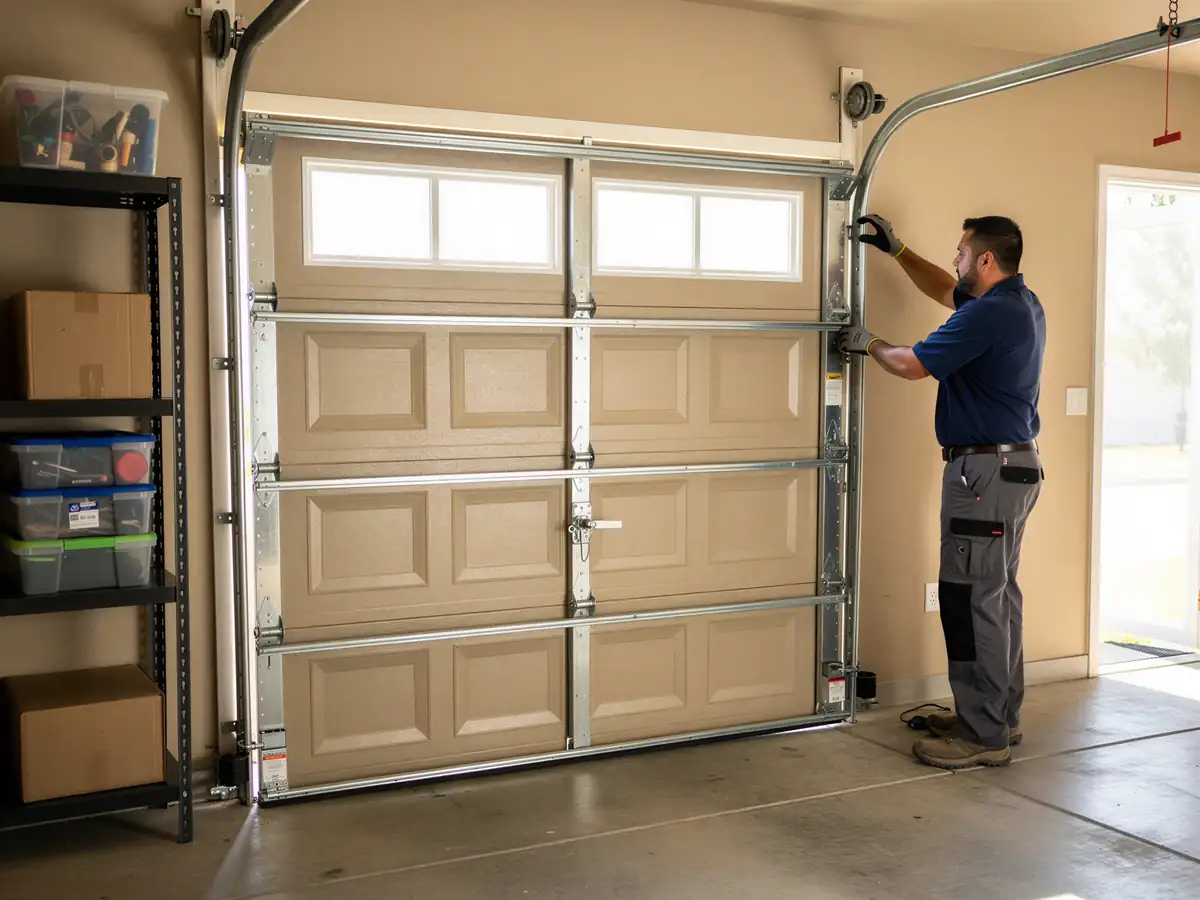
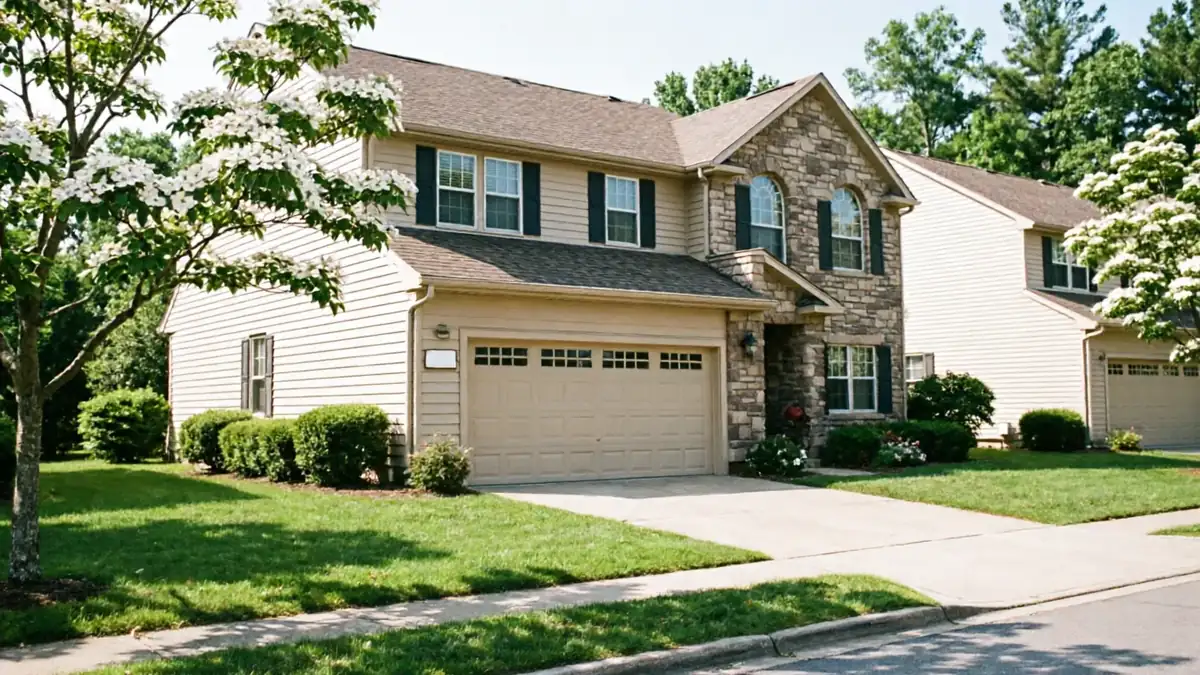
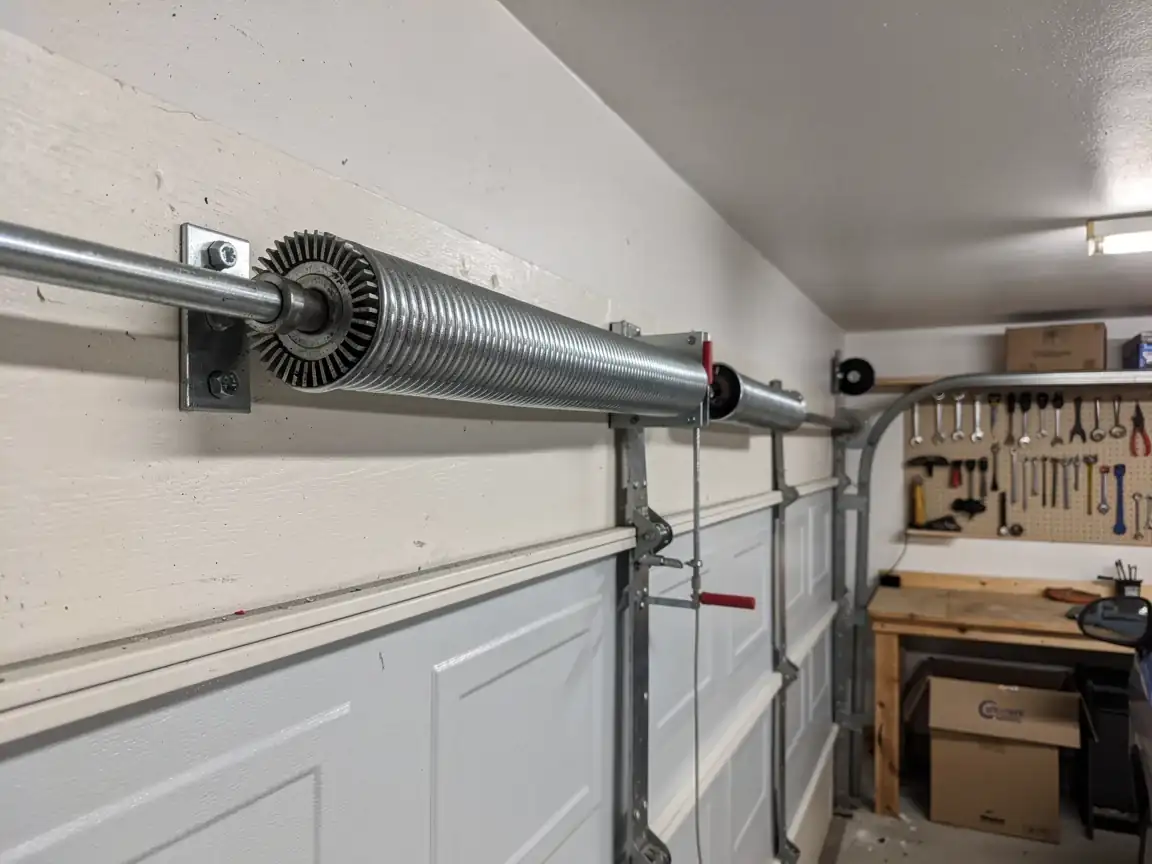
Most of what we carry on the truck matches what's actually on the doors around here, not a catalog of everything ever made. Housing in the Woodstock service area went up mostly between 1964 and 2007, with the heaviest build-out in the 1980s and 90s, so a huge share of the doors we see are the same builder-grade setup: standard 7-foot torsion springs, galvanized lift cables, 96-inch track sections, and the stamped-steel rollers that came standard on tract-built doors of that era.
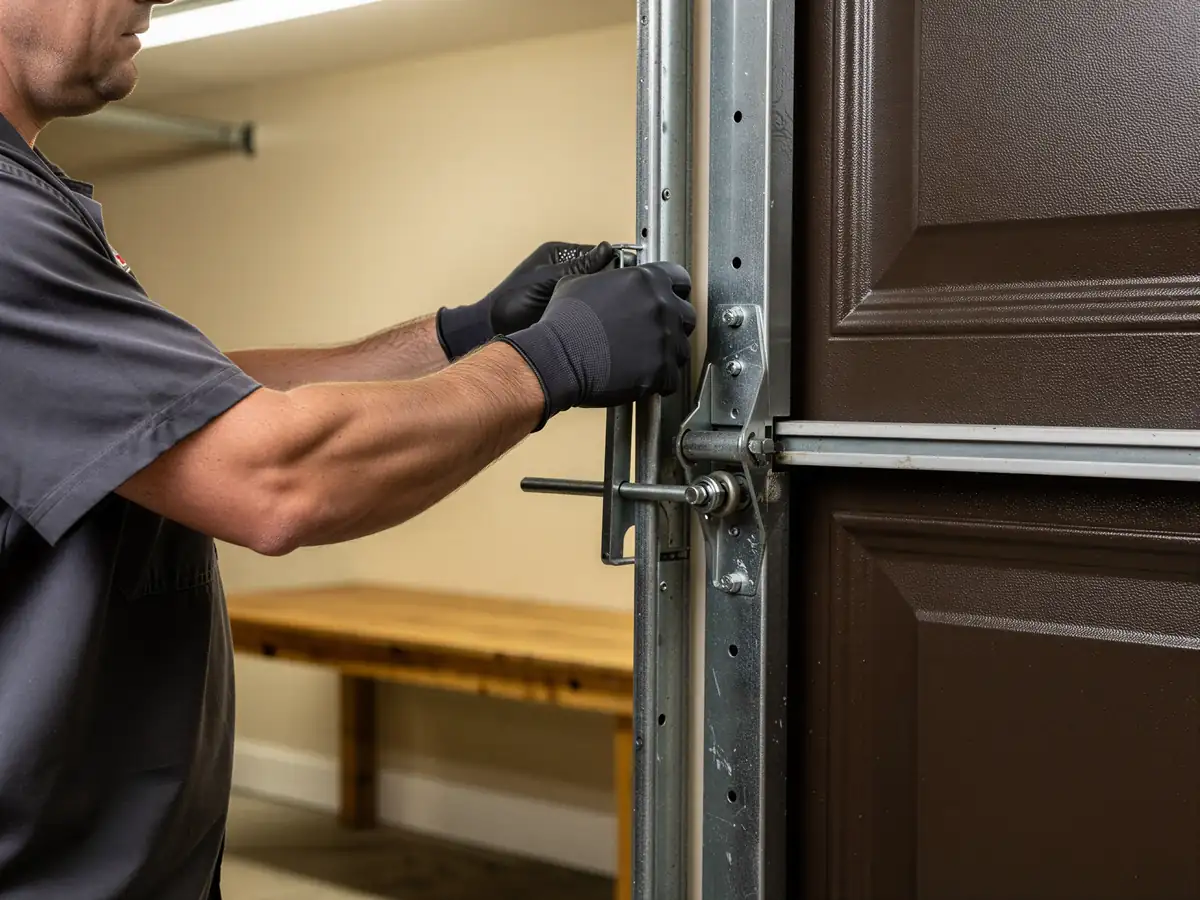
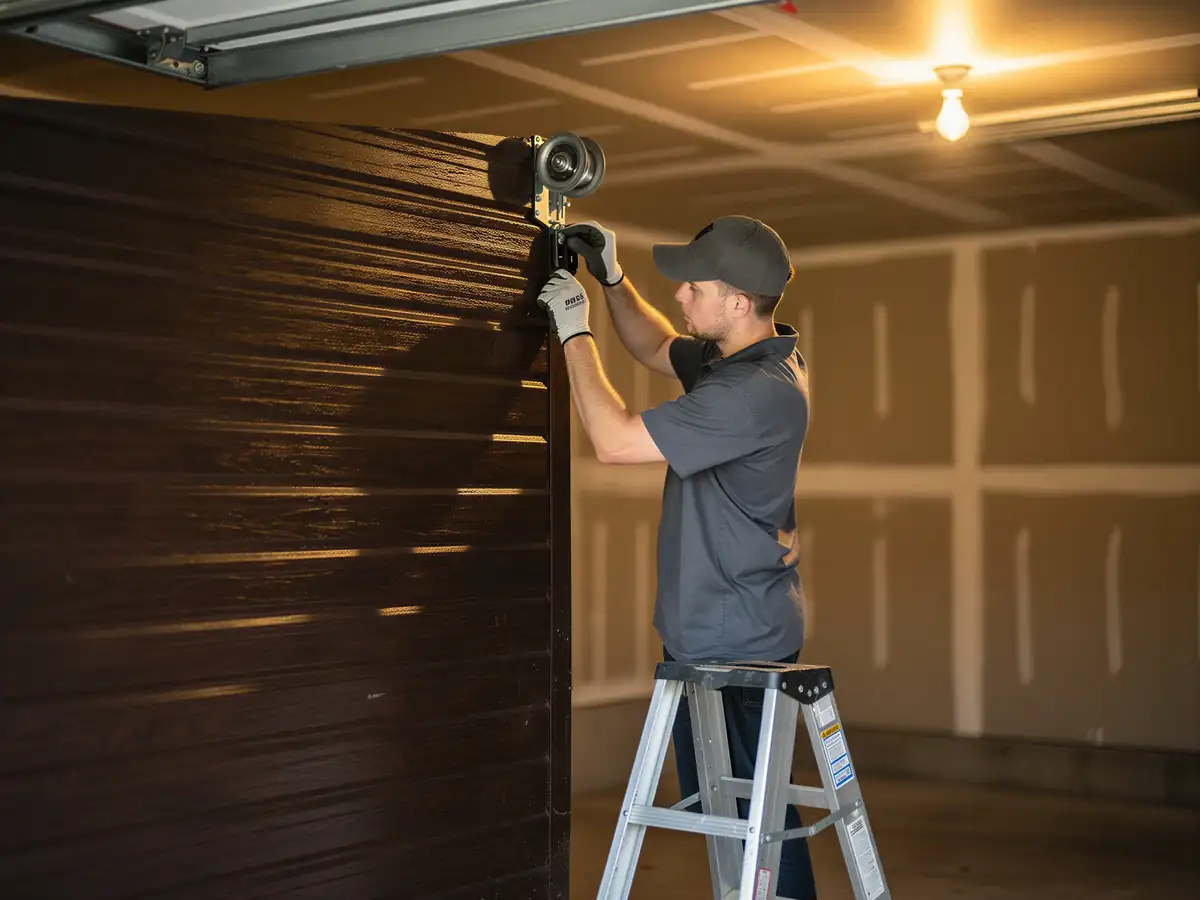
We stock the common wire gauges and winding lengths for that generation of door, plus the nylon rollers that replace the original steel ones most owners end up wanting once the old ones start grinding. Cables, end bearings, and standard extension springs for the older single-spring setups are also on the truck.
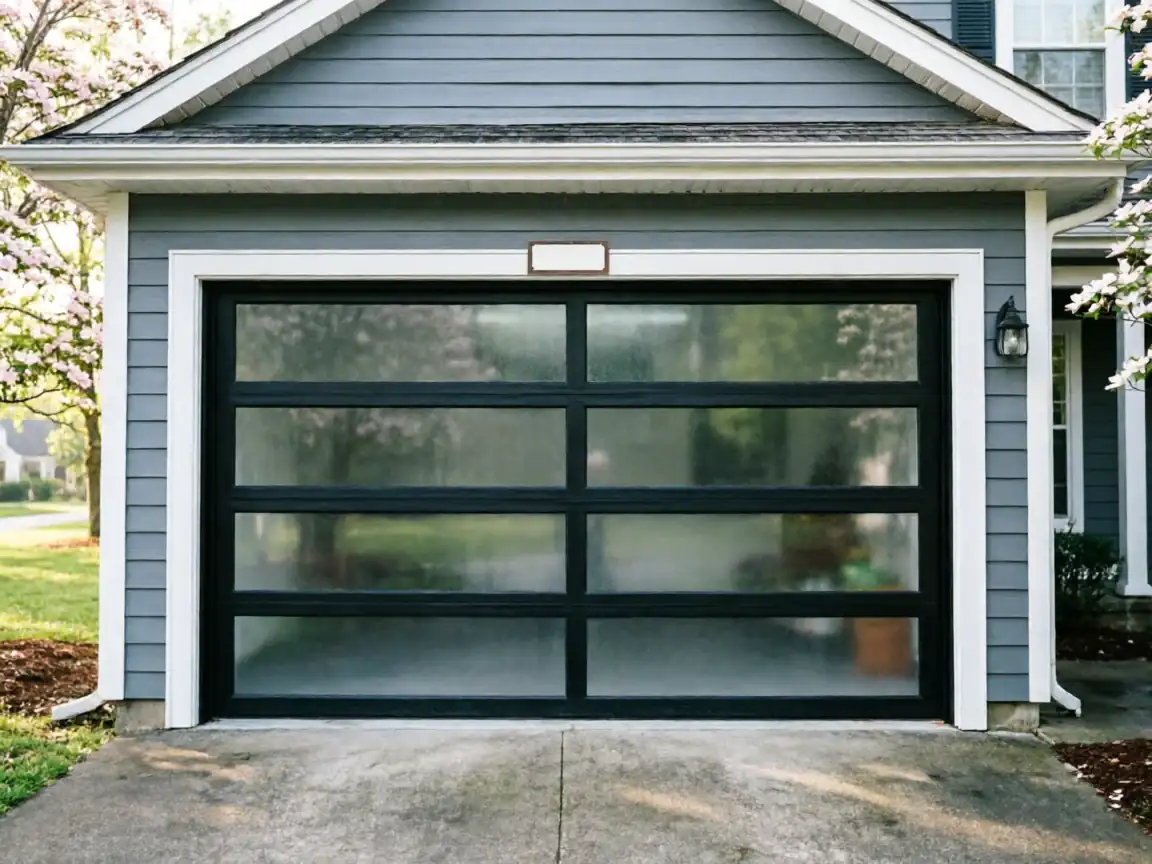
What we don't carry is anything custom or oversized - a door wider than standard two-car width, a commercial-grade spring, or a discontinued opener part from a defunct manufacturer. If your door falls outside the usual residential sizing, we'll tell you that up front rather than quote a part we'd have to special-order and mark up.
What the Repair Takes
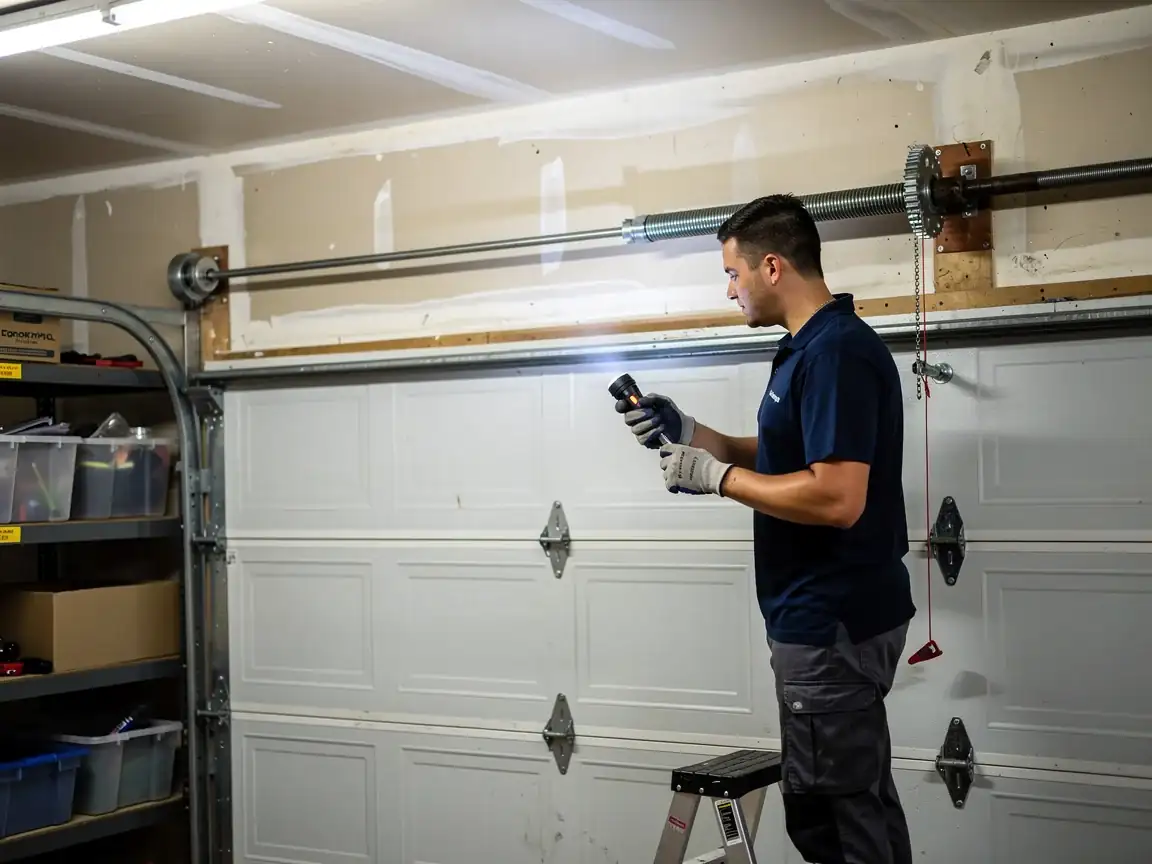
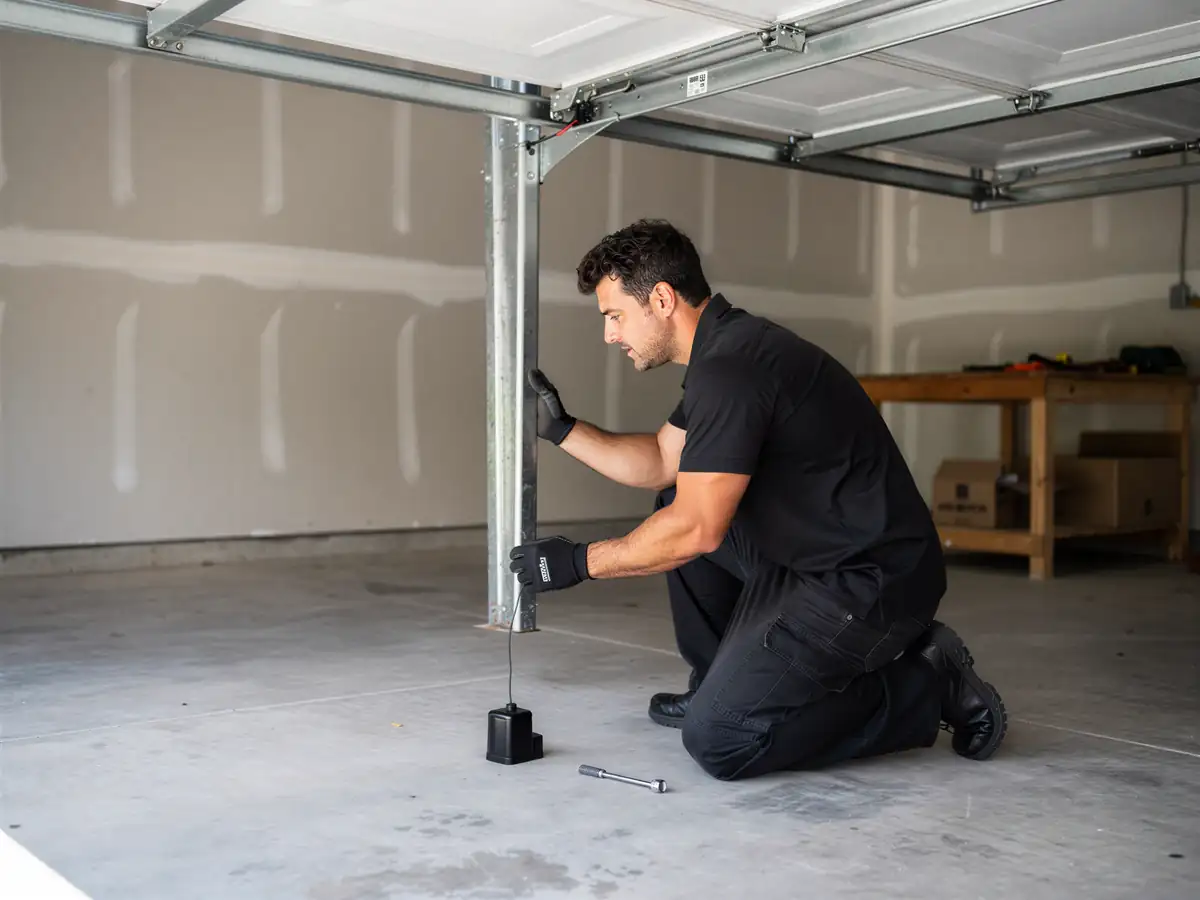
A straight torsion spring swap on a standard double door is a single-visit job
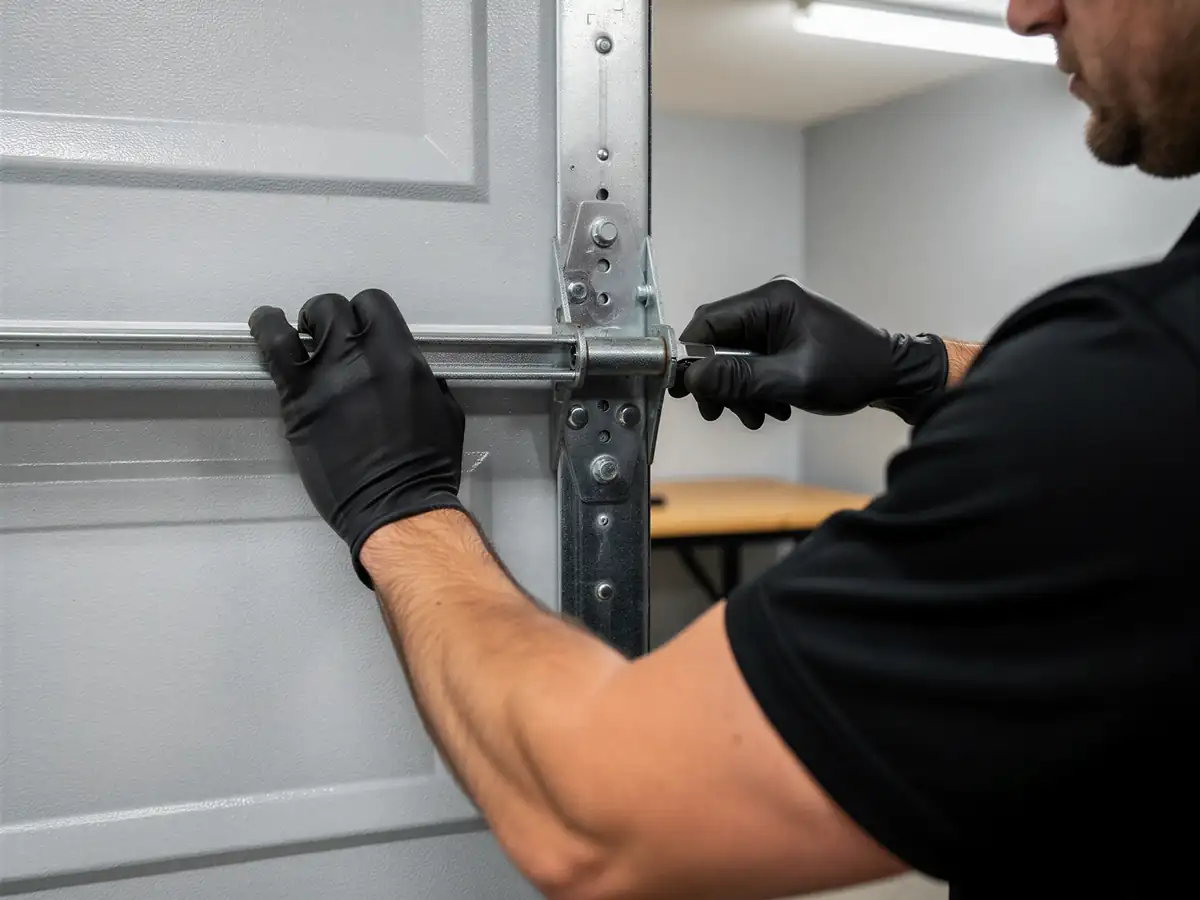
Pull the old spring off the shaft, set the new one to the right wind count for the door weight, lube the shaft and bearings, and run the door through a full cycle to check balance. Most of these take under an hour once we're on site with the right spring already picked from the truck stock.
Where it takes longer is when the spring has been broken for a while and the owner's been forcing the opener to lift the door on the motor alone
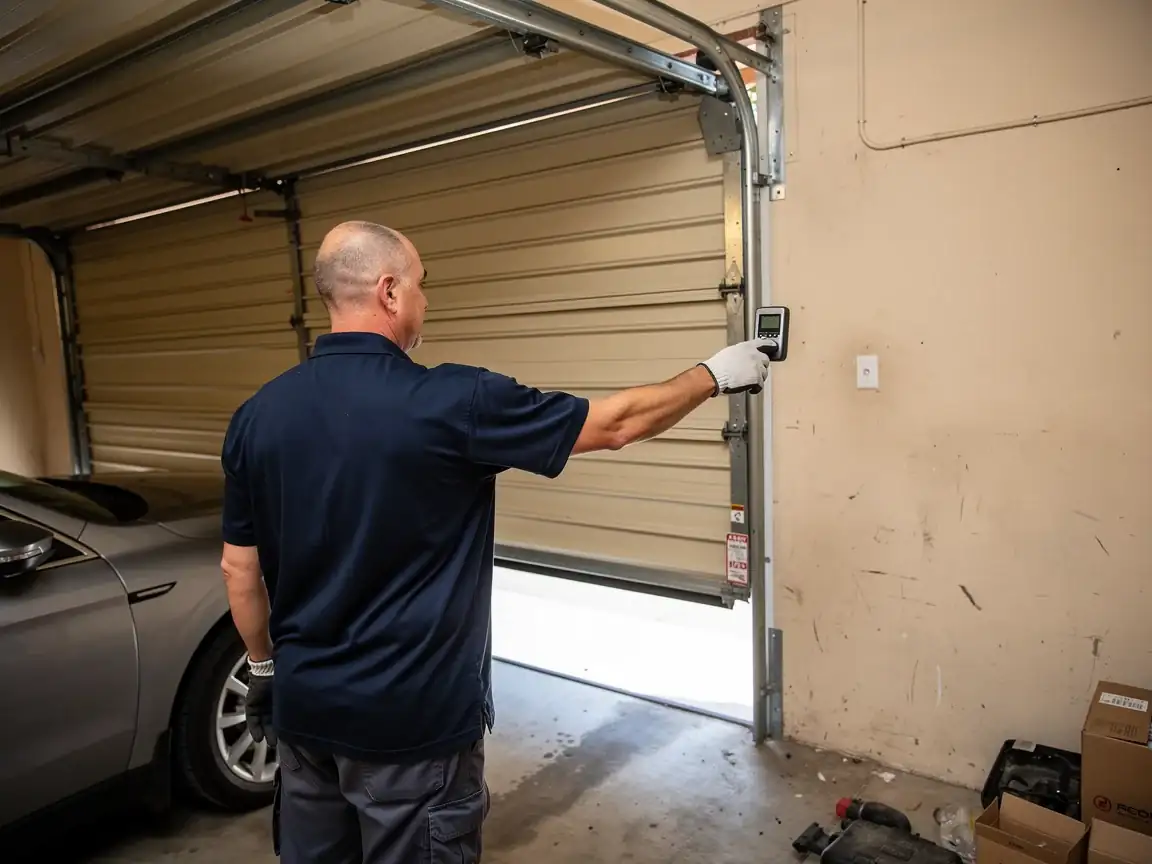
That burns out opener gears and strips the drive sprocket faster than normal wear would, so we end up checking the opener's condition as part of any spring call, not as an upsell.
The one thing we won't do is reuse an old spring that's been overwound or mismatched to the door weight to save a trip charge
If the shaft is bent or the bottom bracket has pulled away from the track, that's a structural issue, not a spring issue, and we'll say so rather than bolt a new spring onto a frame that's already failing.
Why This Fails Locally
Woodstock sits in a cold-moderate climate band, which doesn't sound dramatic next to a true freeze zone, but it's enough seasonal swing to put real fatigue cycling into spring steel year after year. A torsion spring winds and unwinds thousands of times a year just from normal door use, and cold snaps make the steel more brittle right at the moment it's under full load from a closed door.
Combine that with the age of the stock: median build year across the area lands around 1984, which means the original spring on a huge number of these doors is now past its rated cycle life by a decade or more. Nobody replaces a spring on a schedule - they replace it when it breaks, usually on a cold morning when the steel has the least give left in it.
Across the roughly 12,708 owner-occupied houses in this service area, that combination - 80s and 90s builder-grade spring, moderate winter cold, decades of use - is the single most common reason we get called out. It's not a defect in the door. It's just steel doing what steel does after forty years of cycling in a climate that stresses it twice a year instead of once.
The Symptom
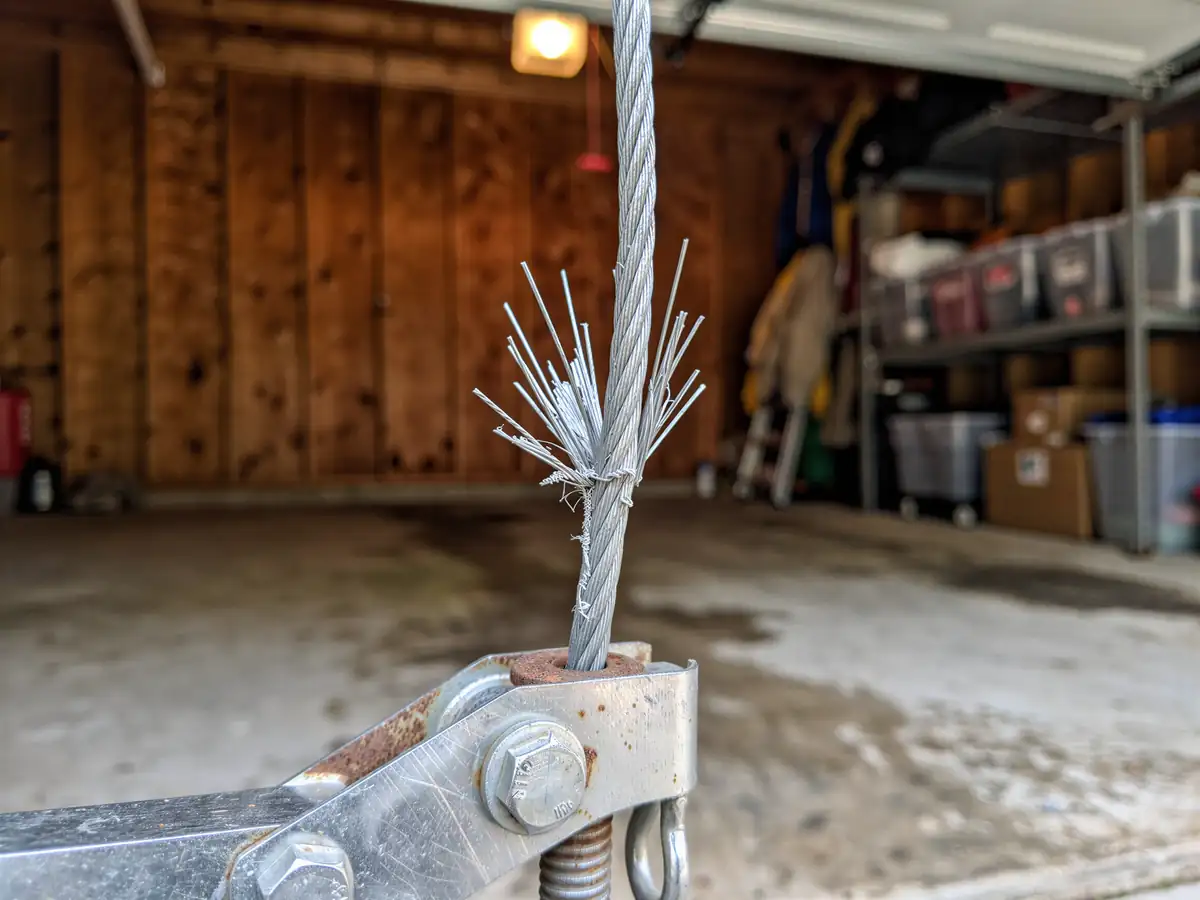
The call almost always sounds the same: the door won't go up, or it goes up a few inches and stops, or it came down hard and fast on its own. If there's a visible gap in the coil above the door, or the door feels like dead weight when you try to lift it by hand, that's a broken torsion spring, full stop.
Sometimes it's quieter than that - a door that's gotten noticeably harder to lift over a few weeks, or an opener that strains and clicks before it moves the door at all. That's usually a spring that's weakening but hasn't snapped yet, still carrying some of the door's weight but not enough. Left alone, it breaks on its own schedule, usually the coldest morning of the month.
If you hear a loud bang from the garage and the door won't move afterward, don't keep hitting the opener button. That just transfers the full door weight onto the opener's gears and belt, and you'll end up paying for two repairs instead of one. Shut off the opener, leave the door where it is, and call.