Parts We Carry
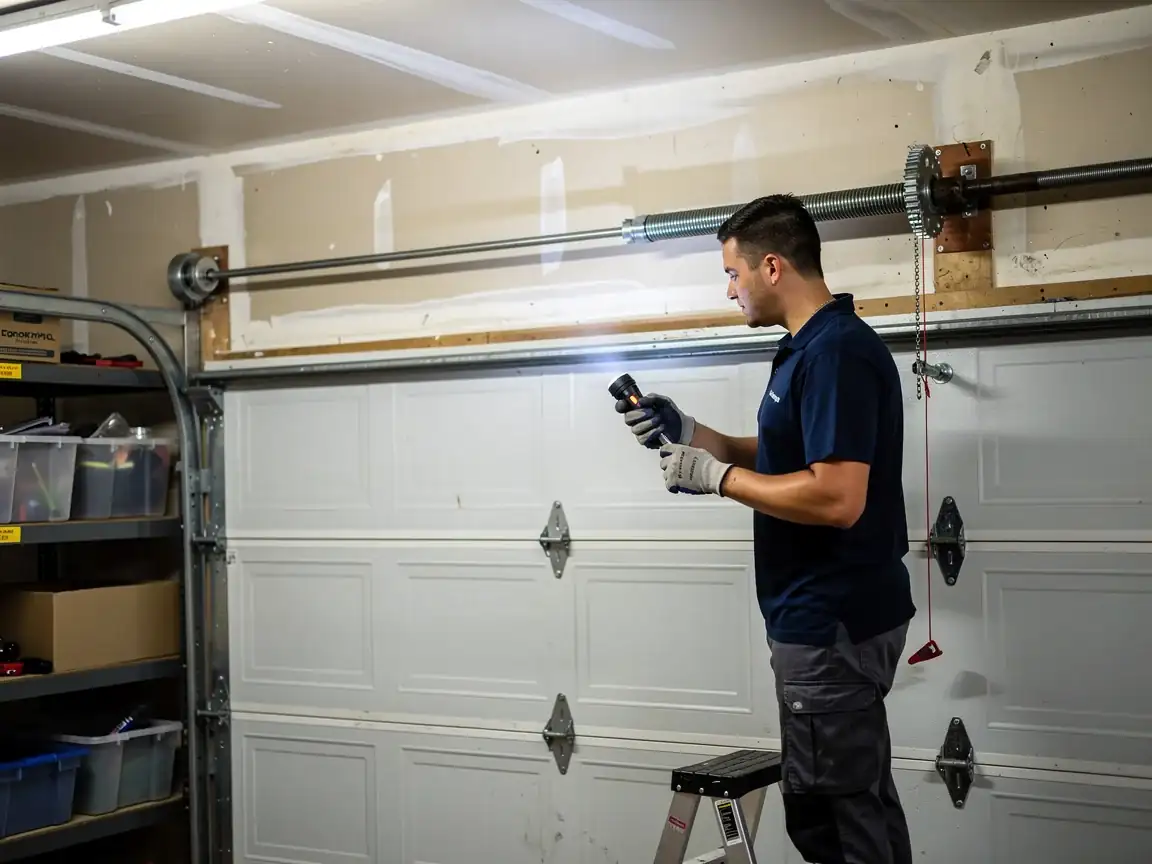
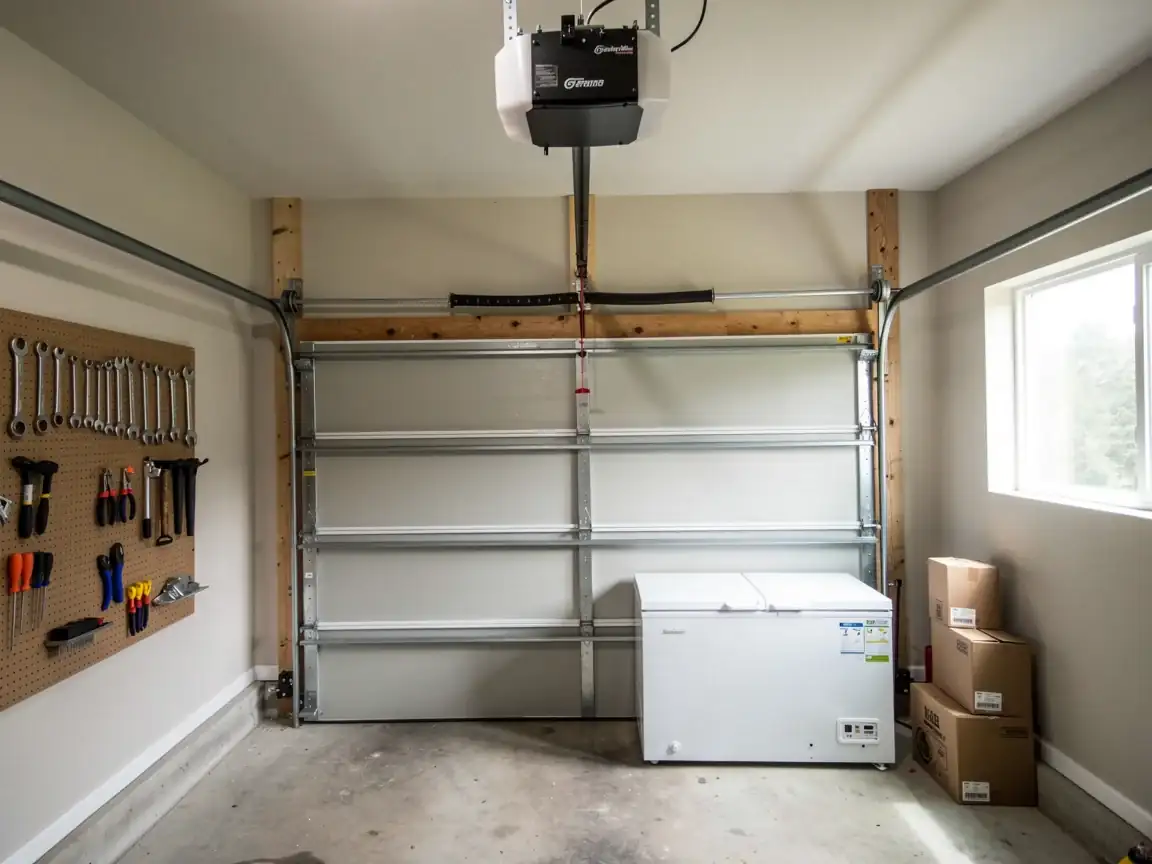
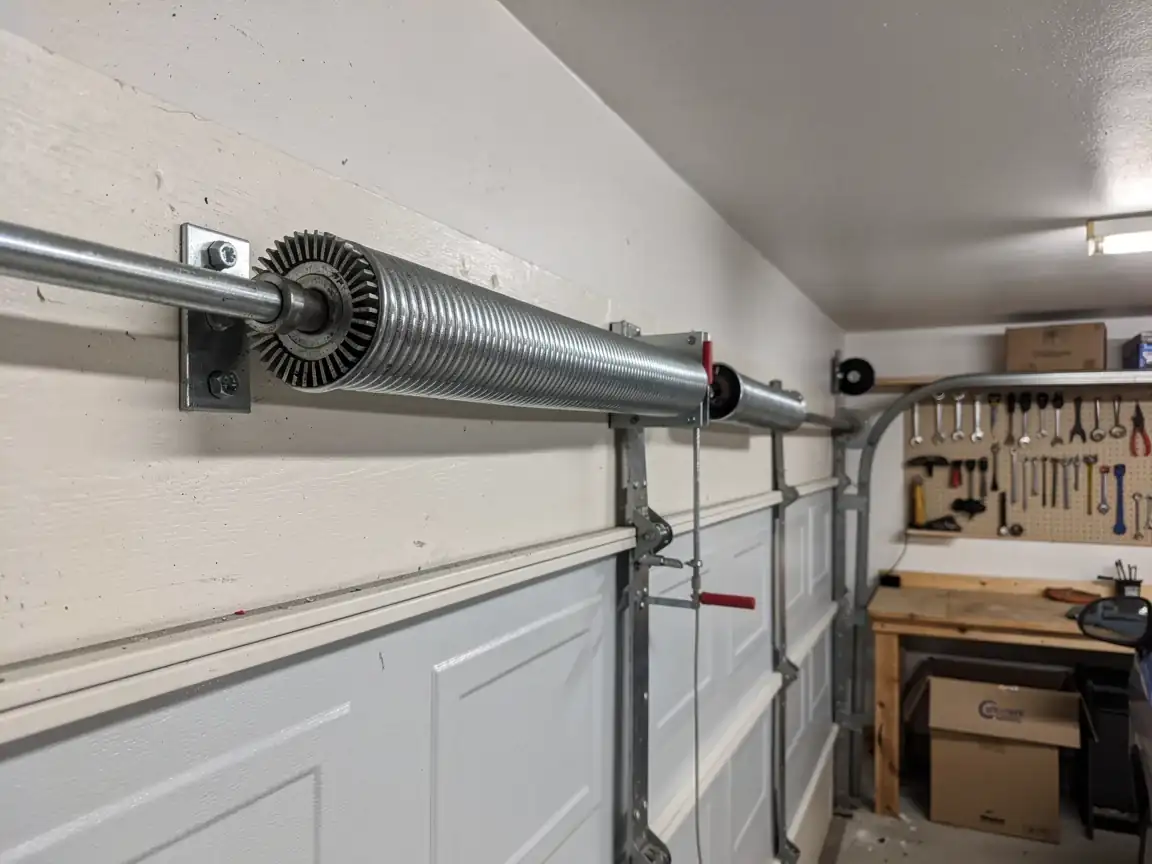
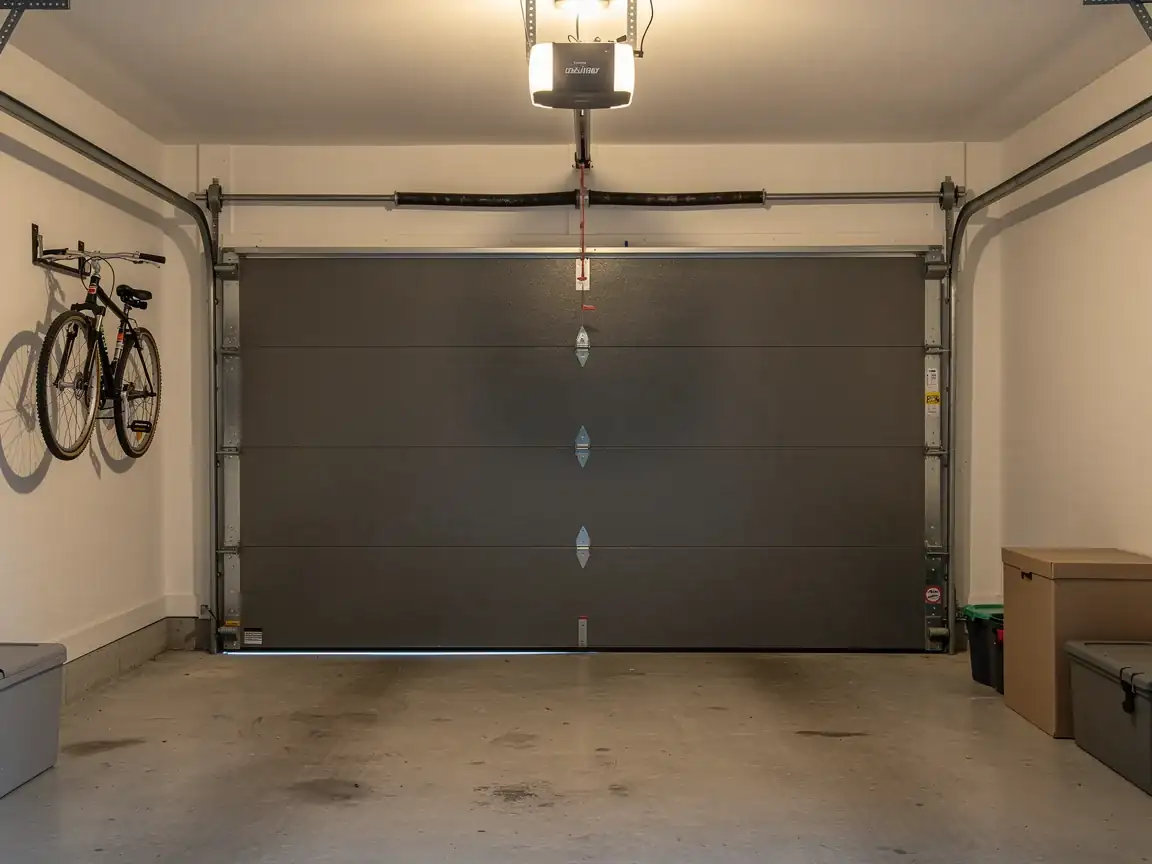
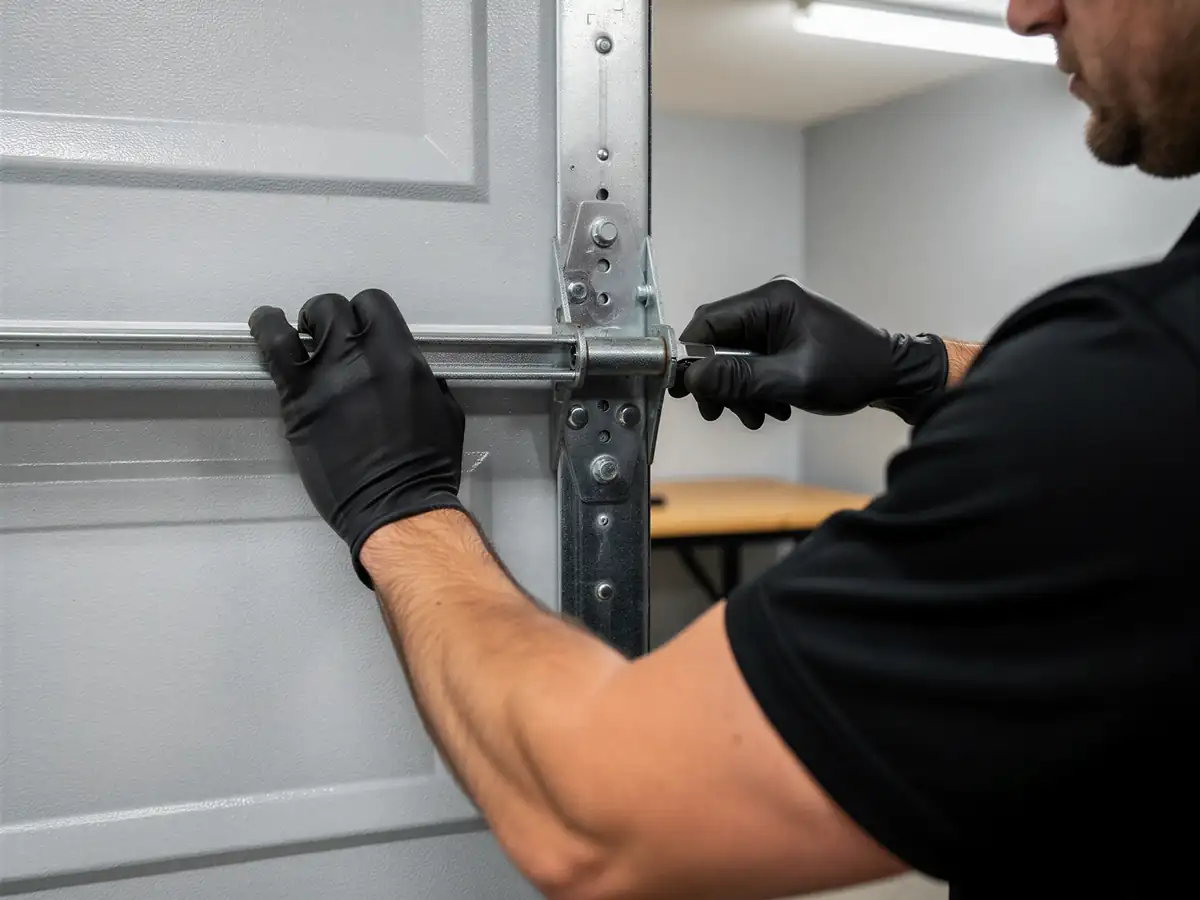
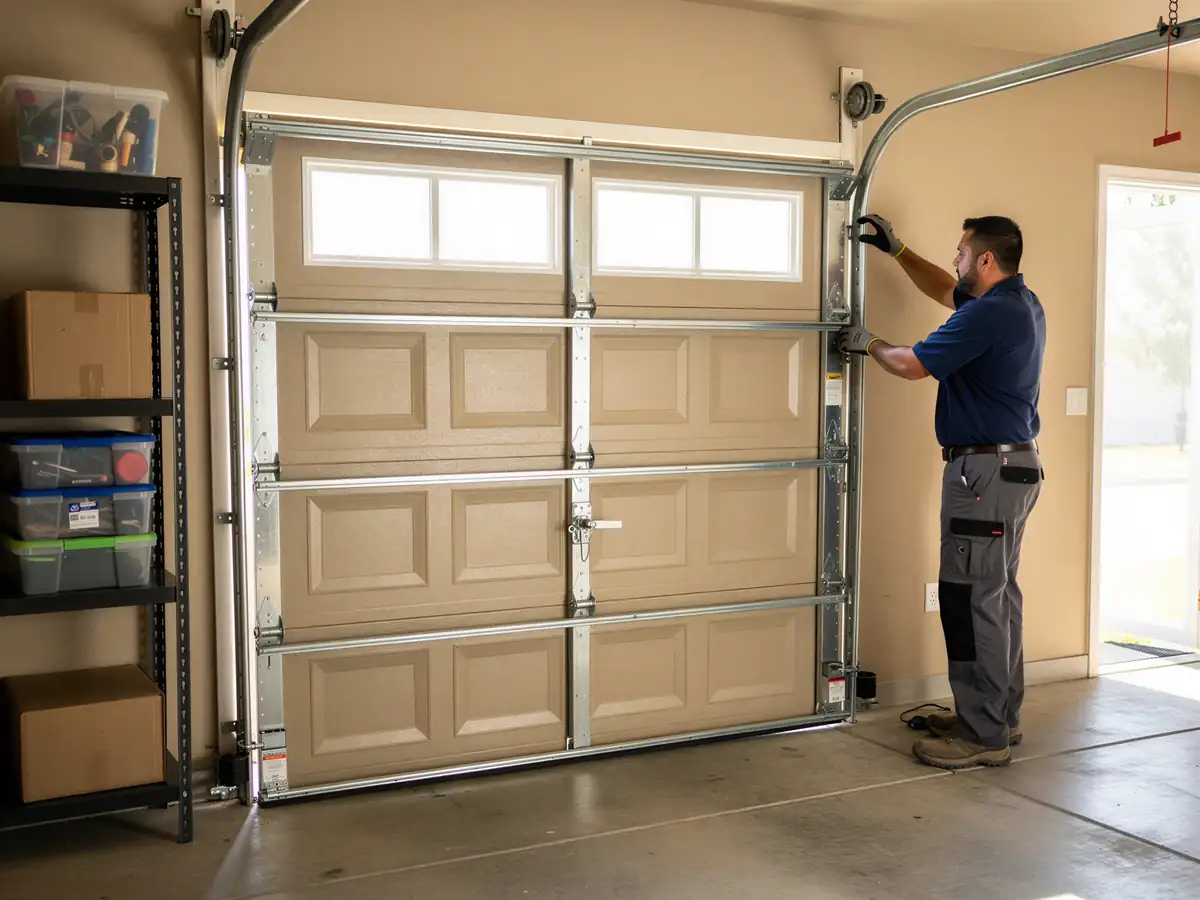
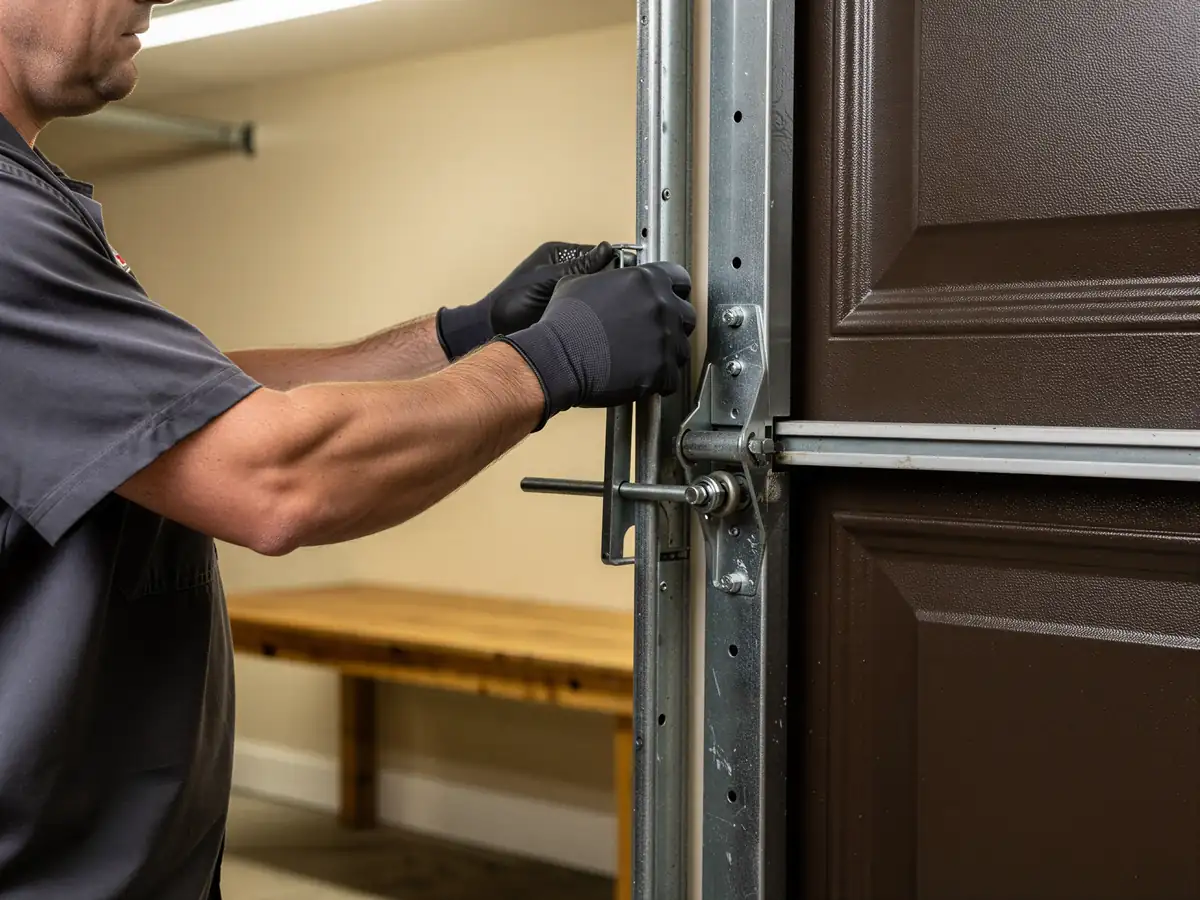
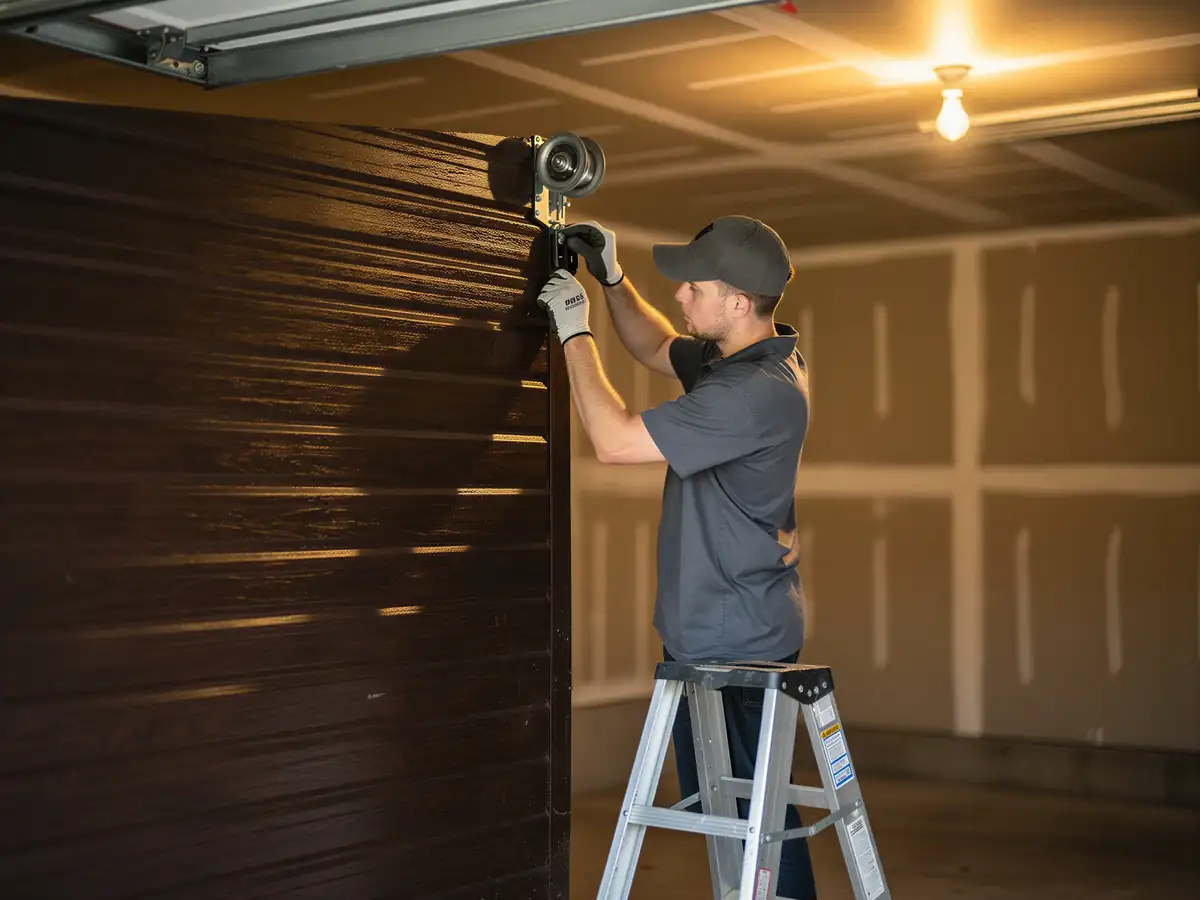
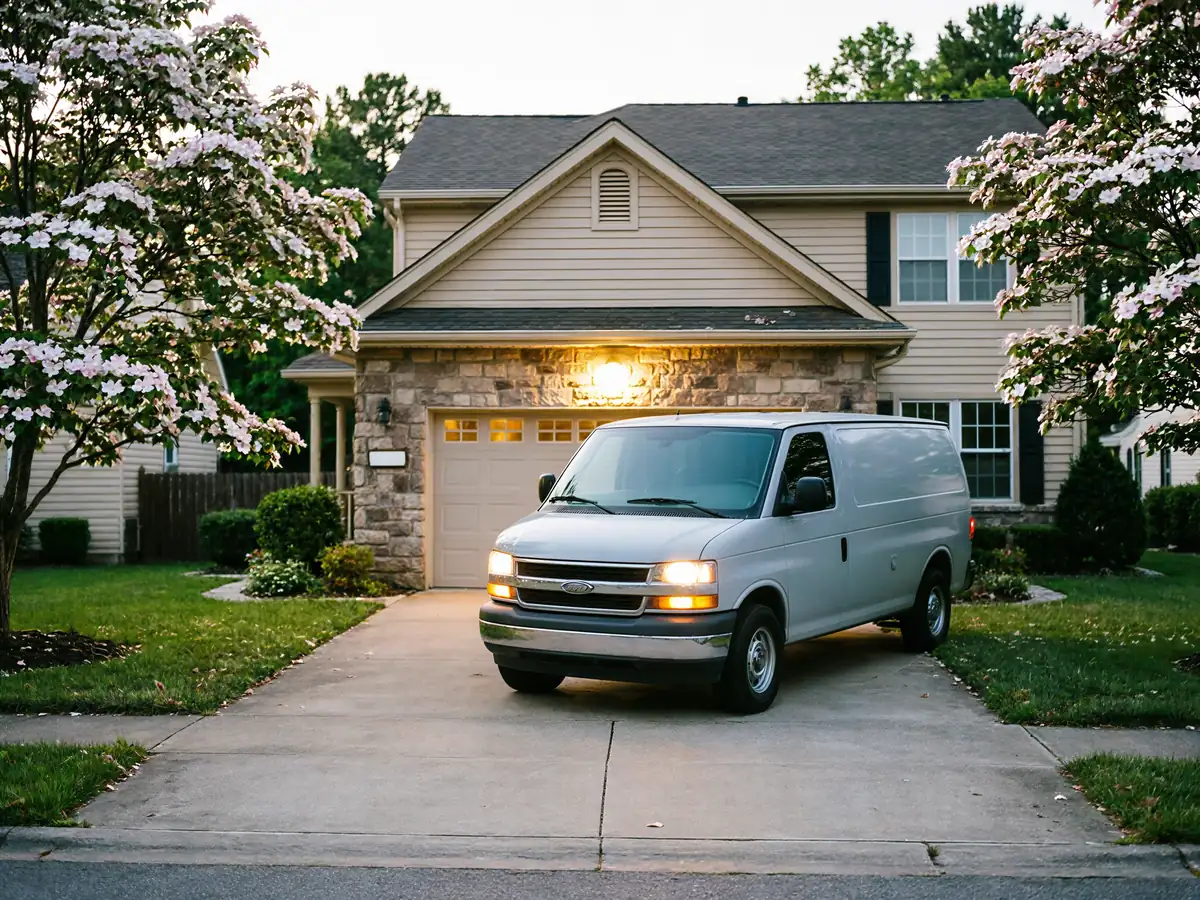
We stock the parts that actually fail on maintenance calls in this area: torsion springs sized for the single and double doors common in homes built from the mid-60s through the mid-2000s, nylon and steel rollers, lift cables, and the hinges that crack first on 30-plus-year-old panels. We also carry standard safety sensors and the small hardware - end bearings, cable drums, roller brackets - that tends to go out with the original door rather than get replaced piecemeal. What we don't stock on the truck is obsolete track hardware for doors from before 1964 or oddball sizes outside the 1980s-90s stock that makes up most of the area; those get special-ordered, and we'll tell you that up front instead of pretending we can swap it same-day. If your opener is original to a house from that build window, the gears and belt inside it are usually the parts actually due, not the motor itself.
Why This Fails Locally
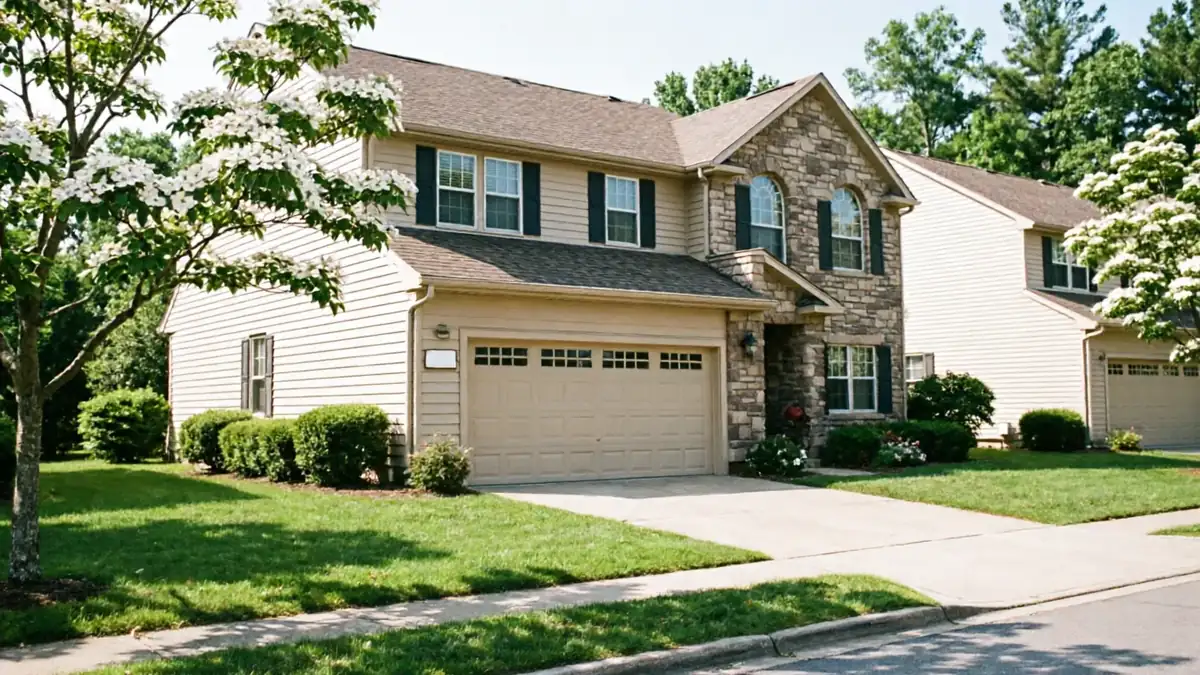
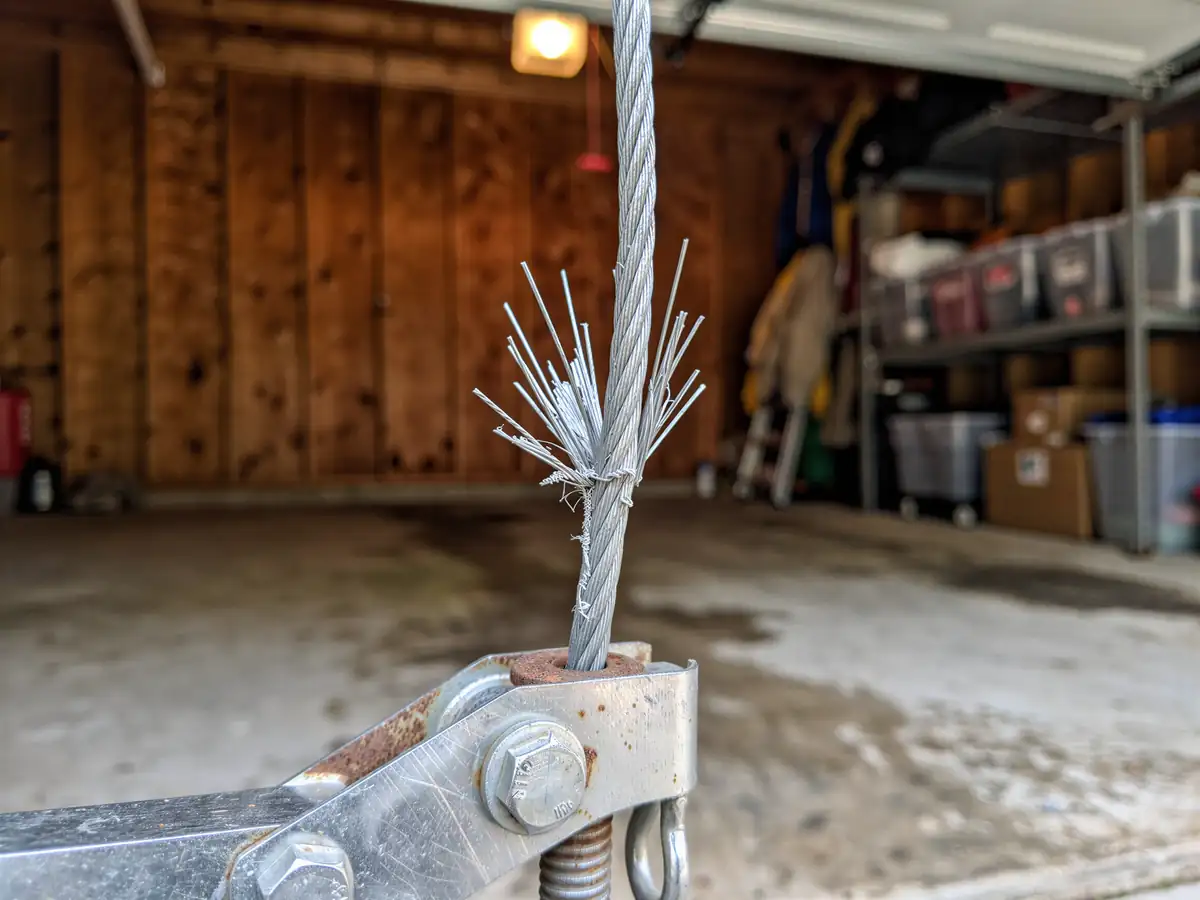
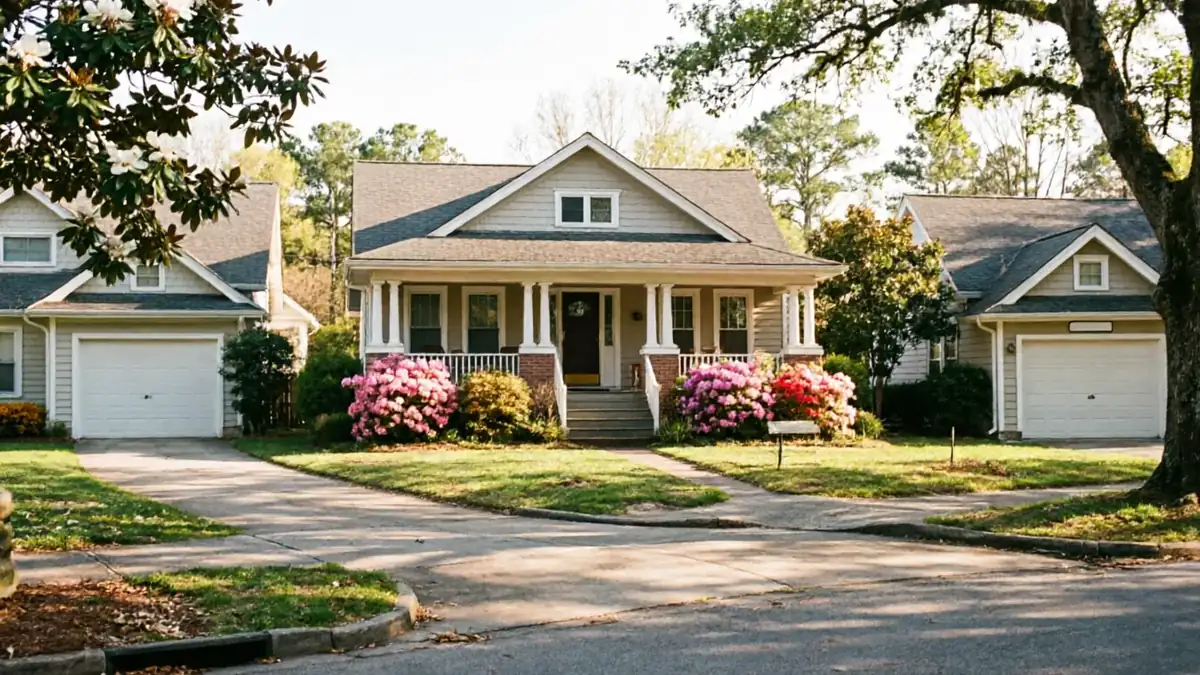
The service area's housing stock mostly went up between 1964 and 2007, with the bulk of it dating to the 1980s and 90s across the nine neighborhoods we work in. That means a lot of doors are running original torsion springs and track hardware that's now 25 to 40 years old - well past the point where lubrication and minor adjustment keep ahead of wear. Add the area's cold-moderate climate: temperature swings through winter make steel springs and cables contract and expand repeatedly, which accelerates metal fatigue in hardware that's already near the end of its rated cycle count. A door that would hold up fine with mild, stable weather starts showing stiff rollers, uneven travel, or a spring that lets go without warning. That combination - older original hardware plus seasonal temperature swings - is why maintenance calls cluster on doors from this build era rather than on newer installs.
The Symptom
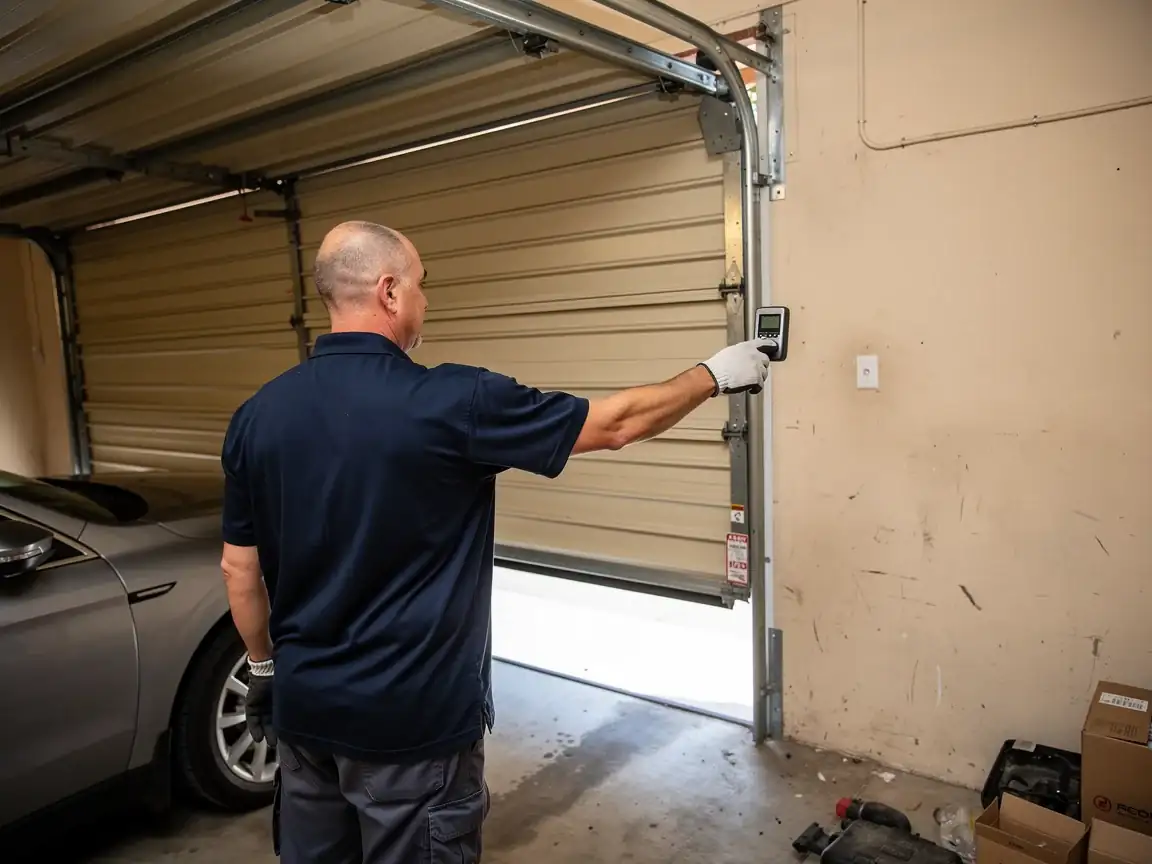
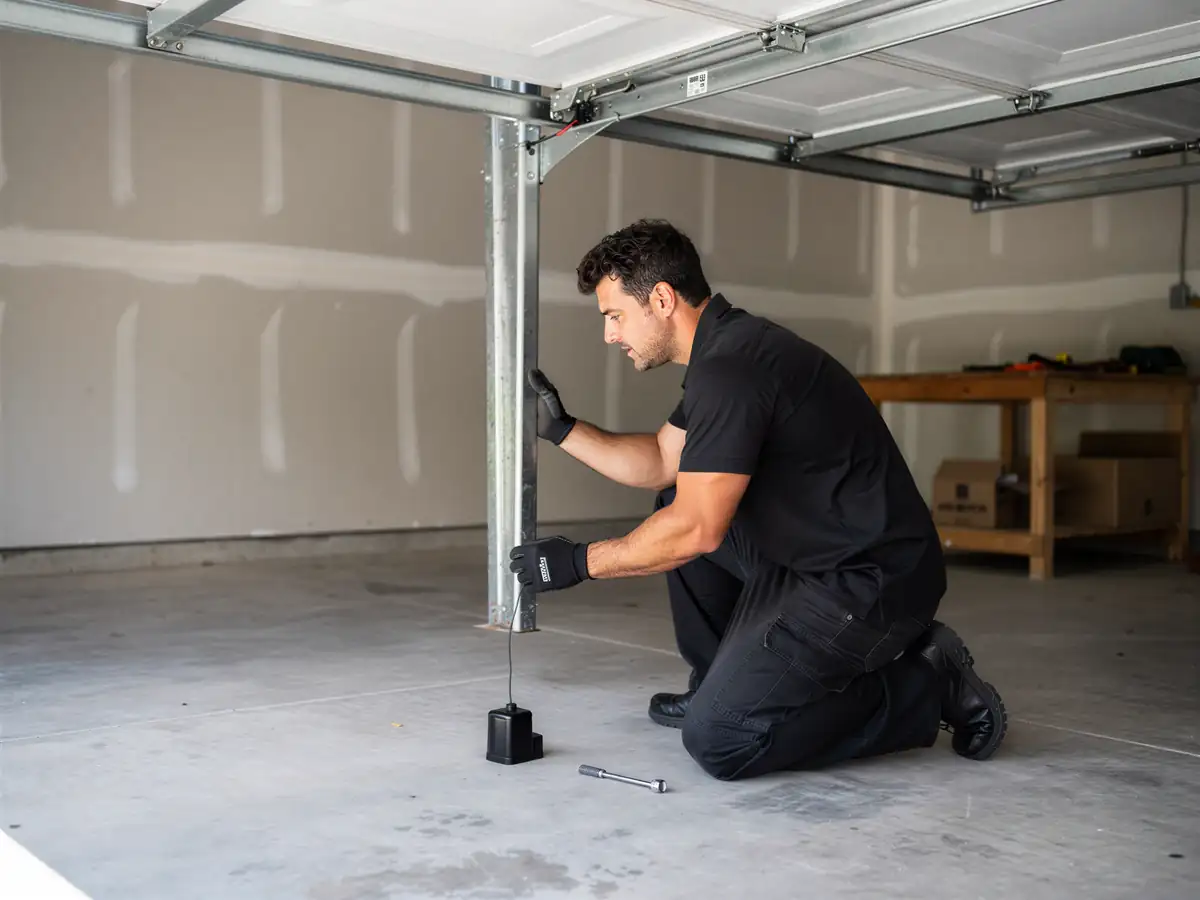
The usual first sign is a door that sounds different before it fails outright: a grinding or popping noise as it opens, a slight jerk partway up, or one side appearing to lift faster than the other. Some owners notice the opener straining harder than it used to, even though nothing about the door looks obviously broken. These are symptoms of the original hardware working its way toward failure, not random noise. On a door with original 1980s-90s hardware, a maintenance visit at the first sign of uneven travel or odd sound is what keeps a worn roller or a weakening spring from turning into a torsion spring letting go with the door in the up position, which is the point where a repair call turns into an emergency one.