What to Check
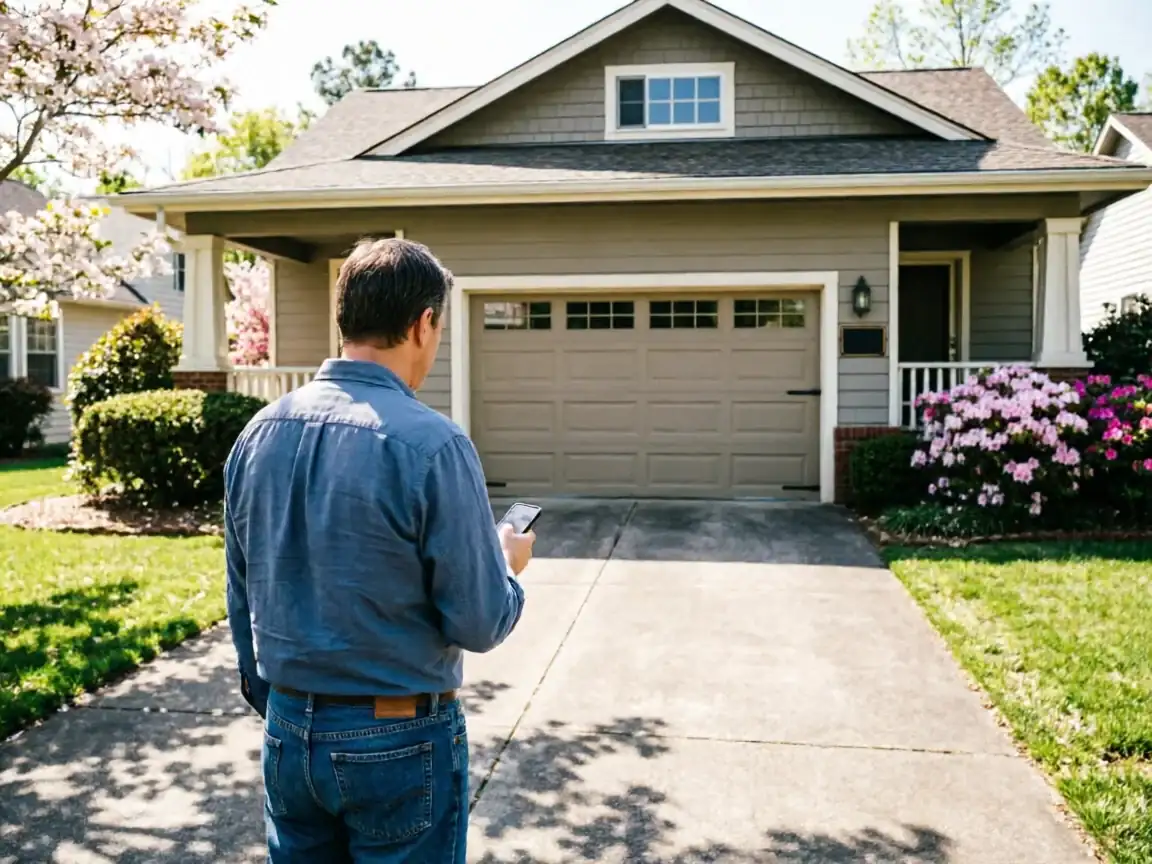
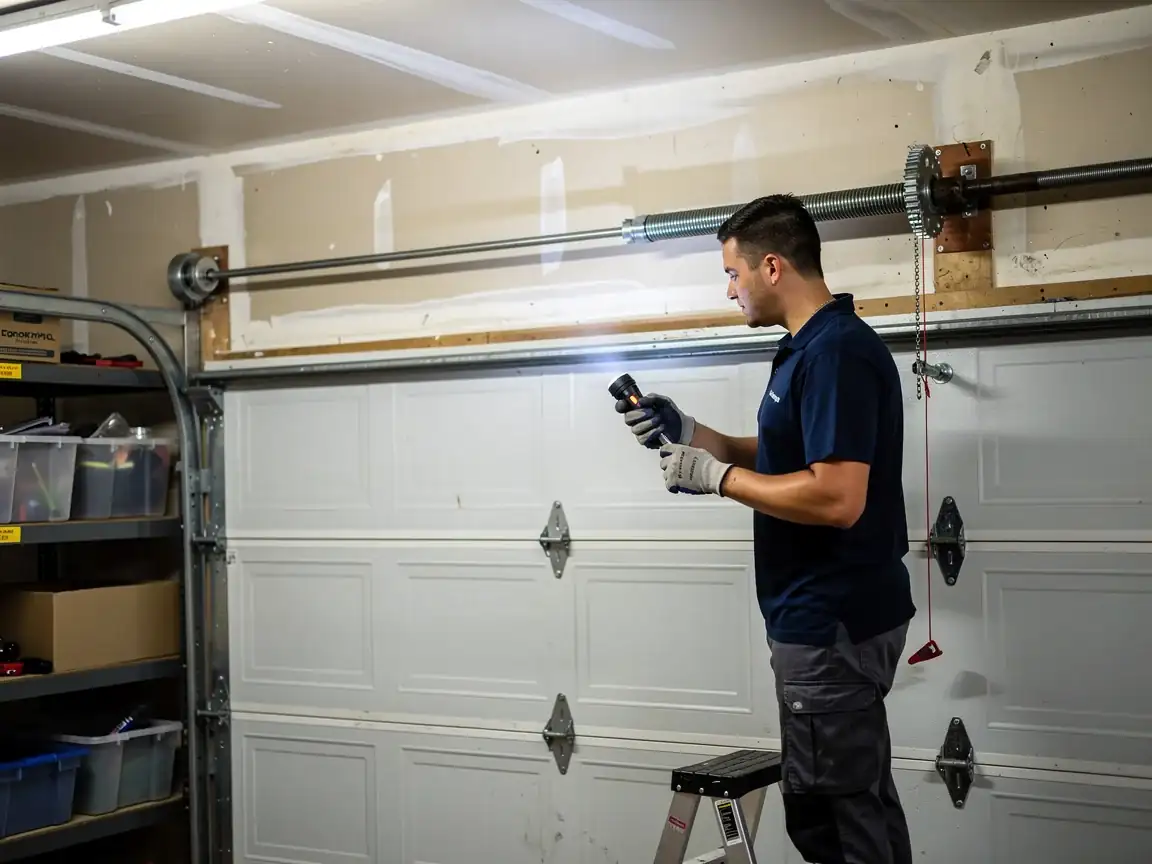
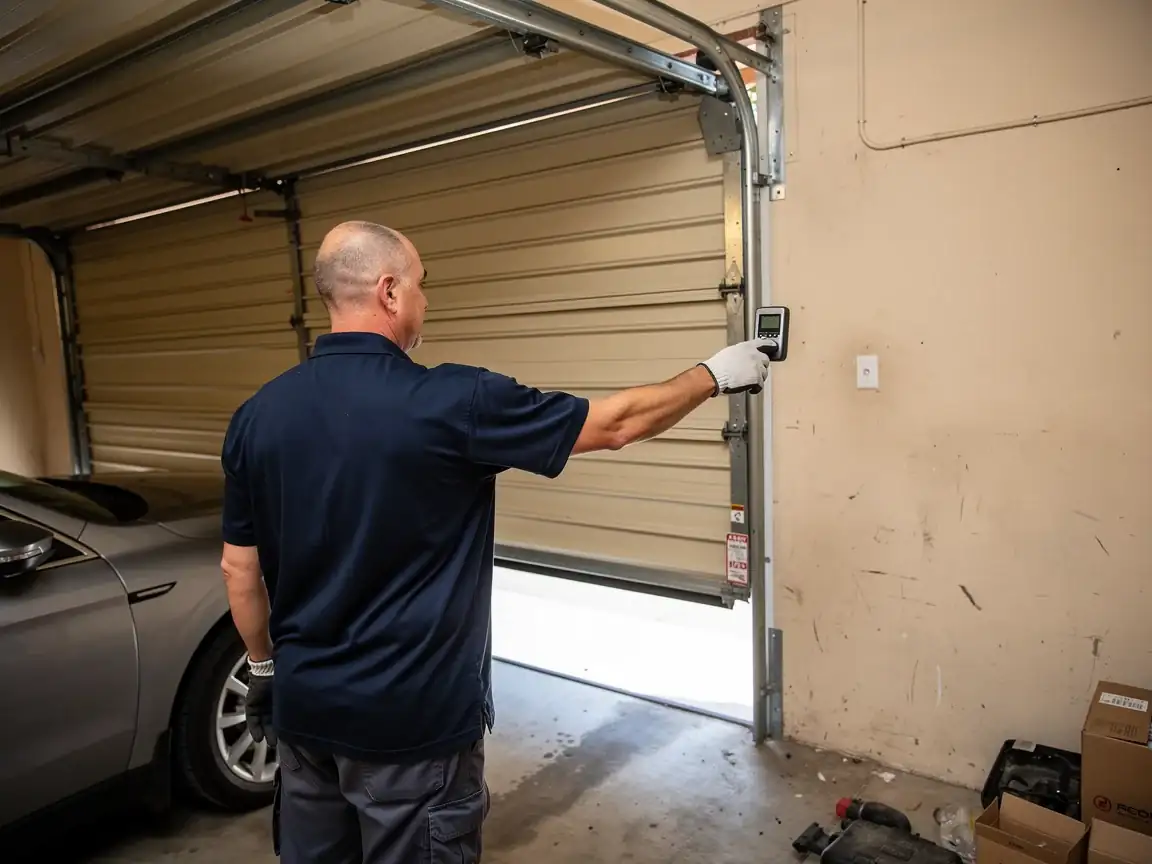
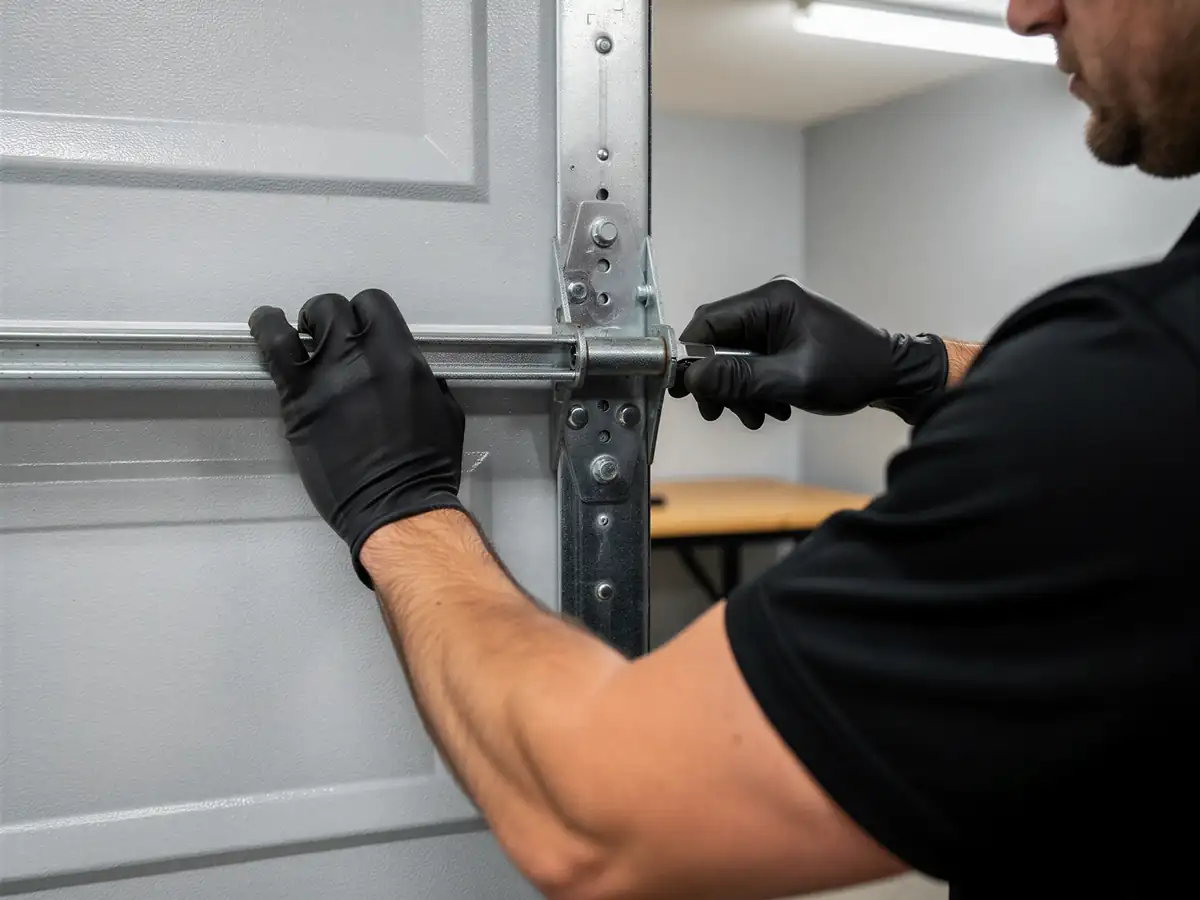
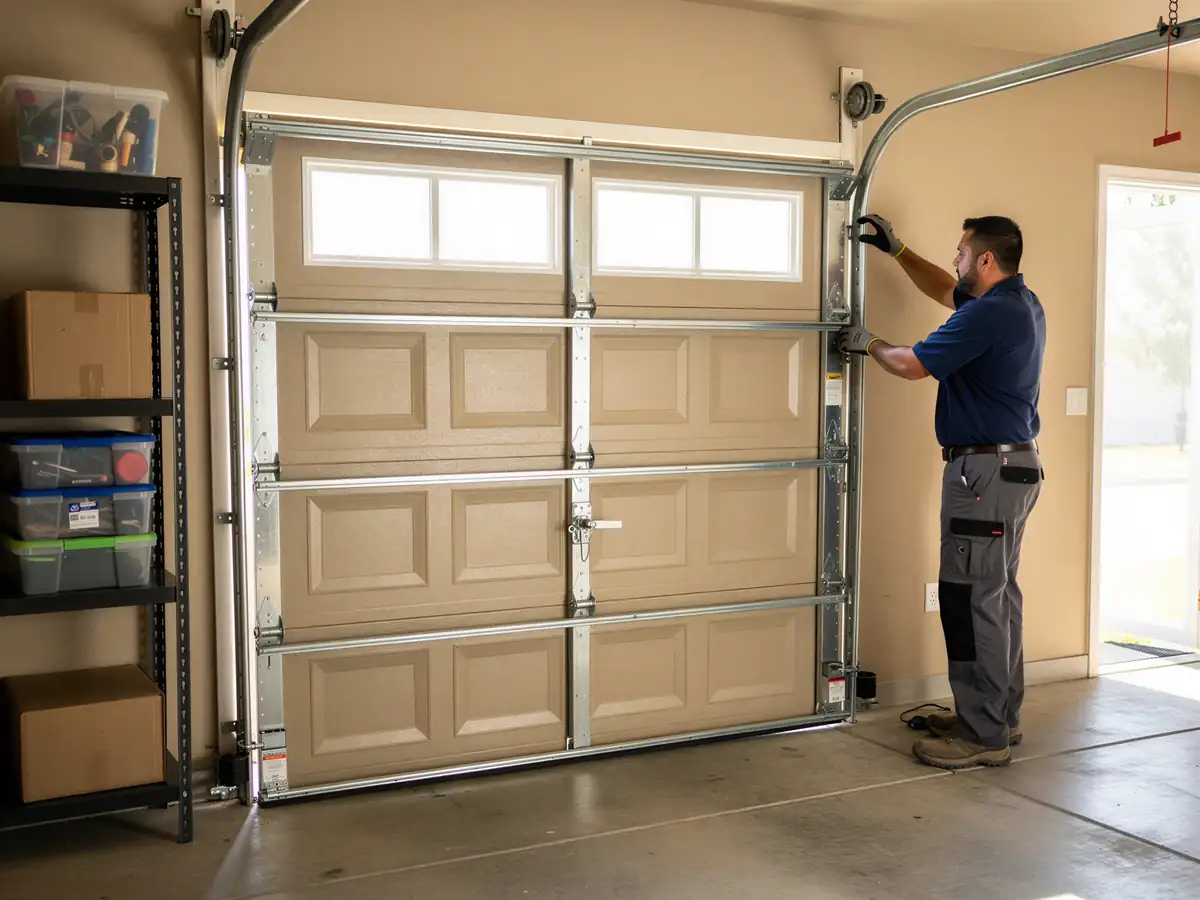
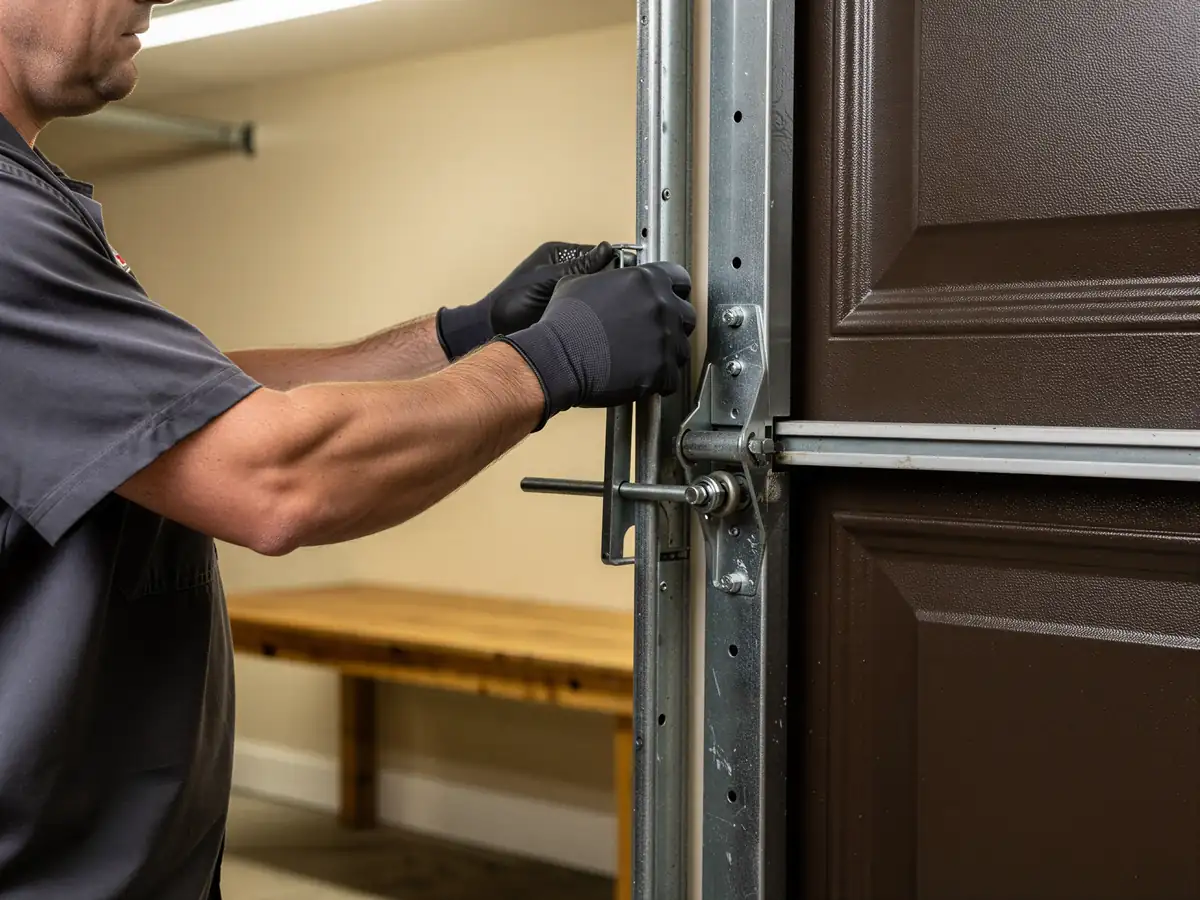
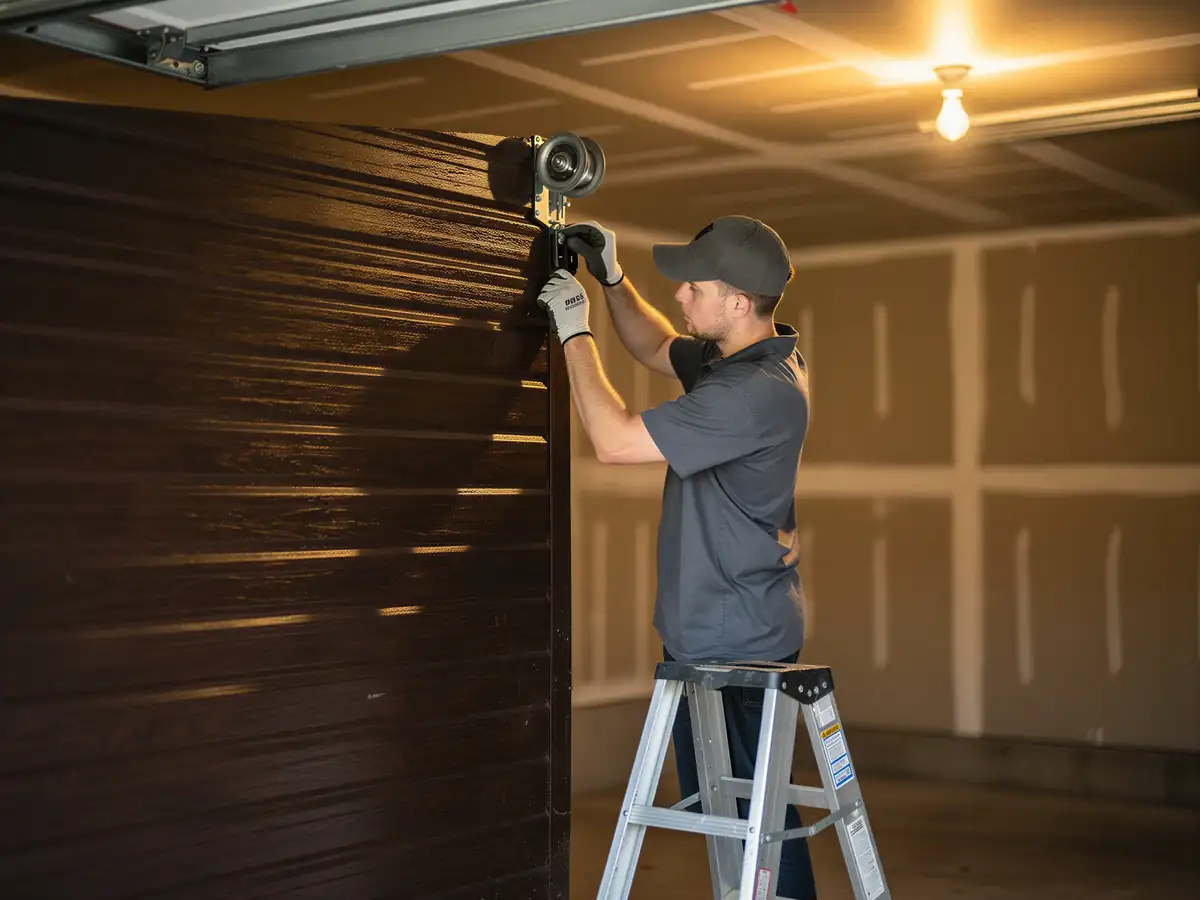
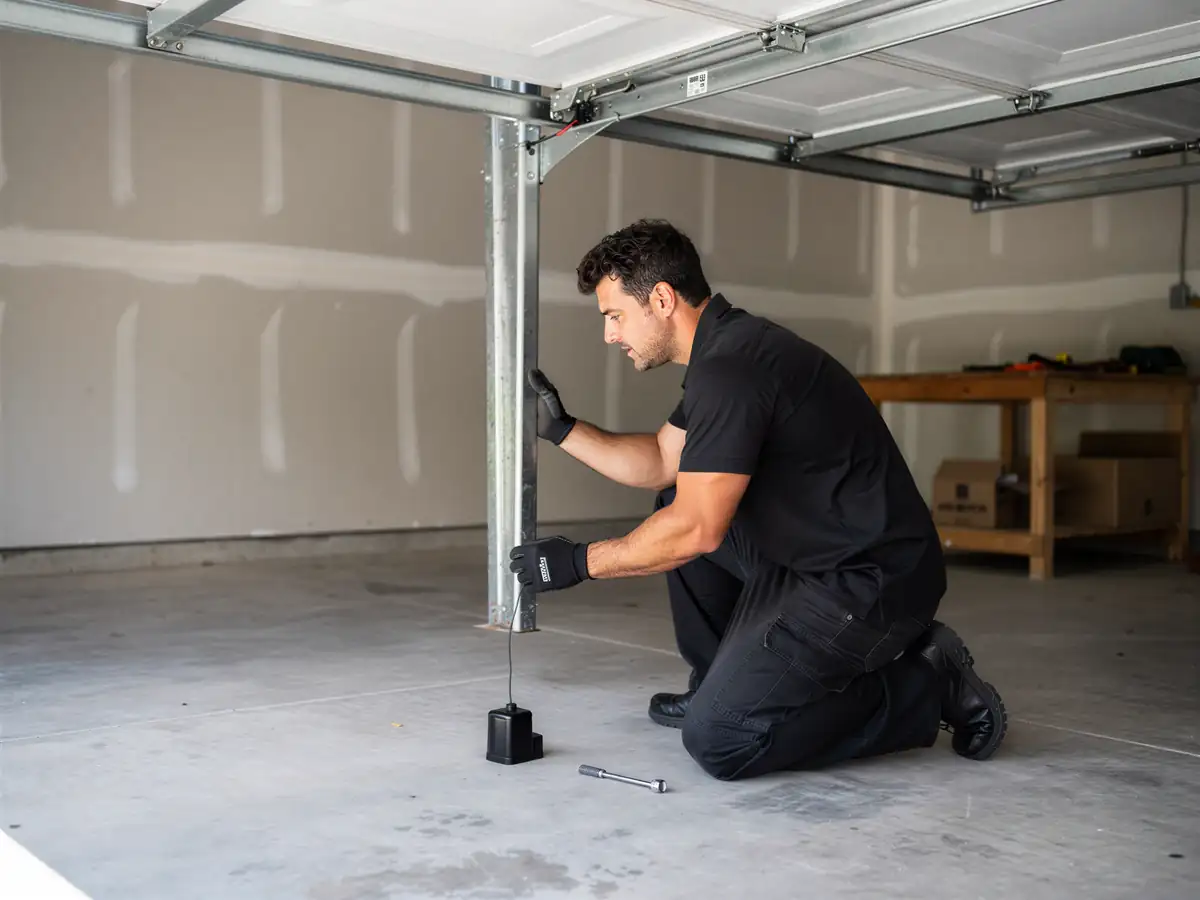
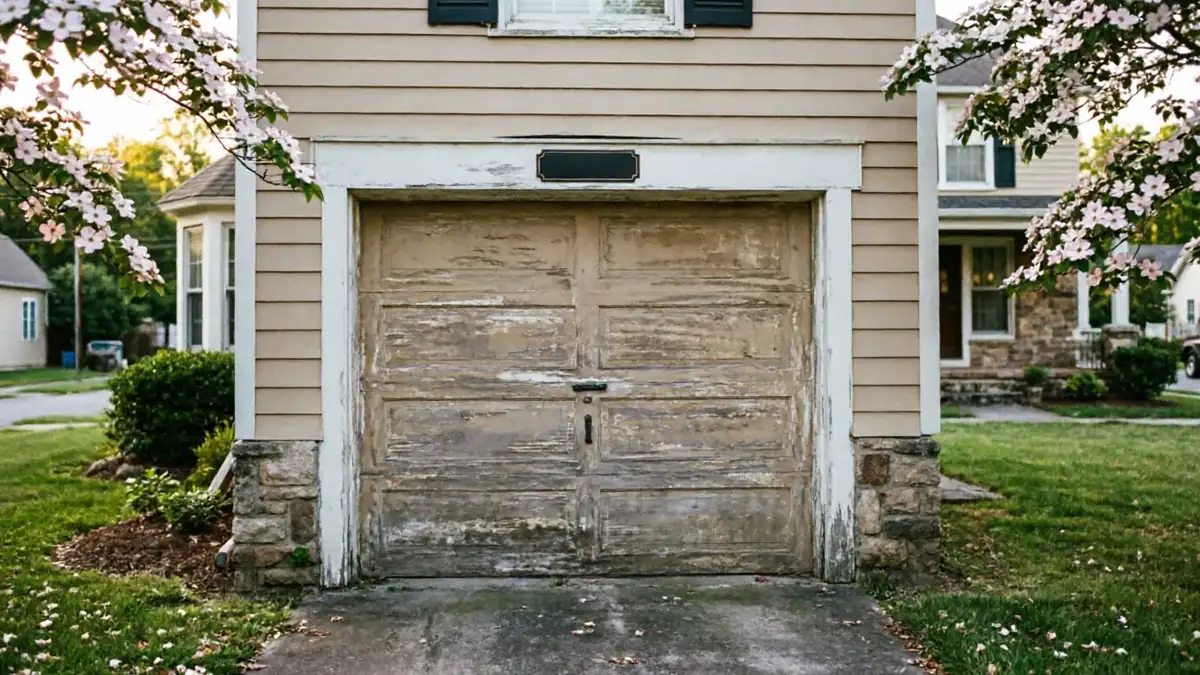
Most of Woodstock's housing went up between 1964 and 2007, with the bulk of it dating to the 1980s and 90s across the nine areas we work in. That matters because a door's age tells you more than its looks. Start with the spring. If it's the original torsion spring from a build in the 80s, it's well past its rated cycle count even if it still lifts the door without complaint. Check the track for rust pitting at the rollers, not just surface discoloration. Look at the bottom panel for water staining or soft spots, especially on doors facing north where sun never dries the seal. Hinges that wobble side to side, not just up and down, mean the hardware is stretched past adjustment. One thing we can't tell you from a description over the phone: whether your torsion spring is original or was swapped at some point. That needs eyes on the winding cone. If the door is from that 1984-ish median build era and nobody's touched the spring, budget for one regardless of what else checks out fine.
What the Weather Here Does to It
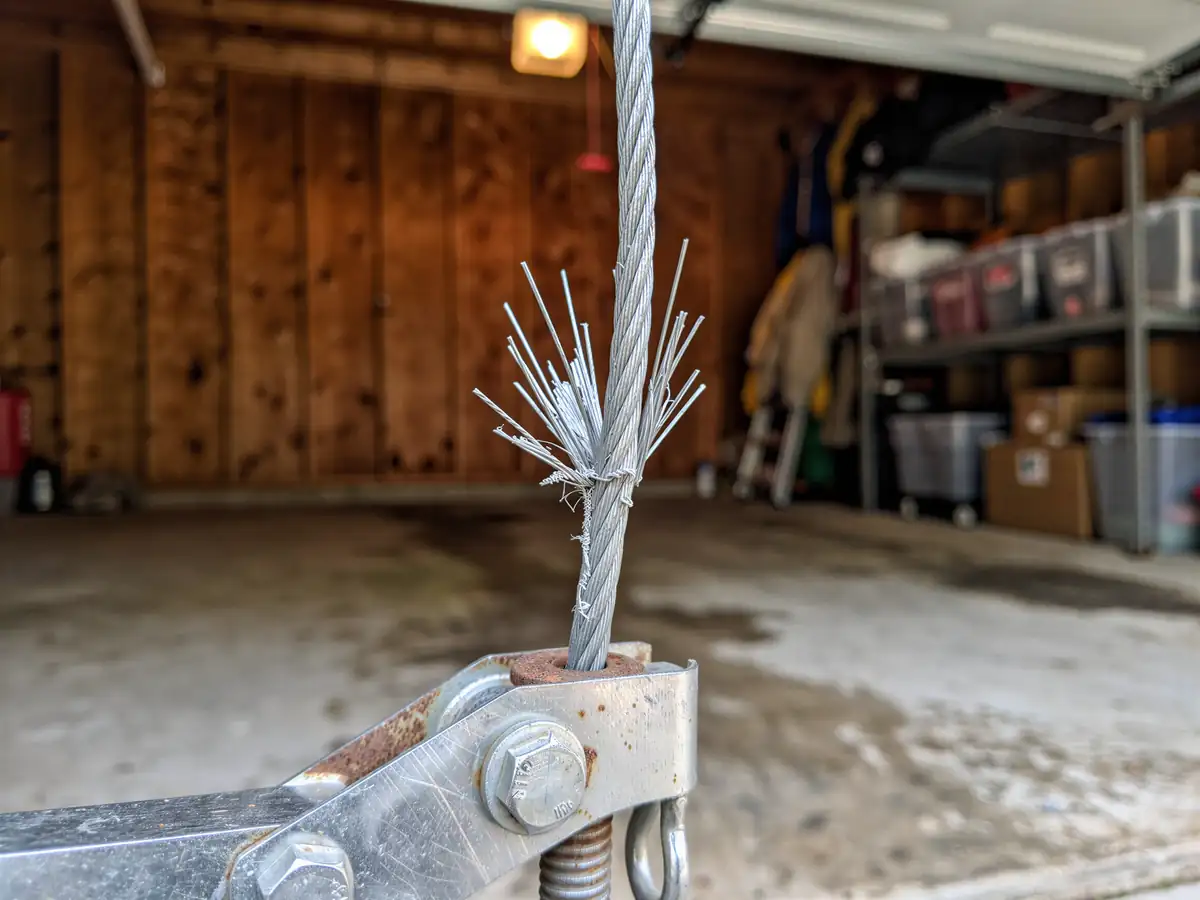
The cold moderate band Woodstock falls into means steel contracts in winter and expands in summer, cycle after cycle, year after year. On a door installed anywhere near the median 1984 build date, that's three to four decades of expansion and contraction on the same track bolts and spring anchors. Galvanized hardware from that era wasn't always rust-proof, just rust-resistant, and humidity swings eat at the coating faster than people expect. We see it most on fasteners at the bottom bracket, where moisture sits after rain and then freezes and thaws repeatedly through a cold snap. Wood-composite panels from 80s and 90s builds absorb that moisture differently than steel, and they're the ones most likely to need full replacement rather than patching. Steel panels from the same era usually just need the rust addressed and the hardware retensioned. None of this means the door is doomed. It means the parts most exposed to weather cycling are the ones to check first, before assuming the whole unit needs to go.
What Is Going On
Across the 29,135 households in our service area, 12,708 are owner-occupied houses, mostly the kind with an attached garage and an original door nobody's thought about since move-in. With a median household income of $91,308 here, replacing a door outright is usually within reach once repair costs start stacking up past a certain point, which changes the math compared to areas where that isn't true. We work from Woodstock out toward Holly Springs and Mountain Park, both just a few miles off, and the housing stock doesn't change much in that stretch, same era, same builders, same problems. Farther out toward Fair Oaks, Emerson, or Ball Ground, you start seeing a wider mix of build years, which is a different conversation. For a door sitting square in that 1964-2007 window, the honest answer is usually repair first. We don't push replacement on a door that just needs a spring and a tune, even though it's a bigger job for us. That's a call we make at the house, not over the phone.