Parts We Carry
We stock lift cables sized for the torsion and extension systems common on doors built from the mid-1960s through the mid-2000s, since that's the bulk of what's on the ground across this service area. That covers 7x19 and 7x7 aircraft cable in the diameters that match original hardware on both single and double doors, plus the drums, pulleys, and cable clips that usually fail alongside the cable itself. We don't stock every cable gauge ever made. If your door uses an odd aftermarket track system or a commercial-grade opener, we'll tell you straight whether we can get the part same-day or whether it needs to be ordered, rather than jamming in something close enough and calling it done. A cable repair done with the wrong gauge cable is a callback waiting to happen, and we'd rather lose an hour than do that.
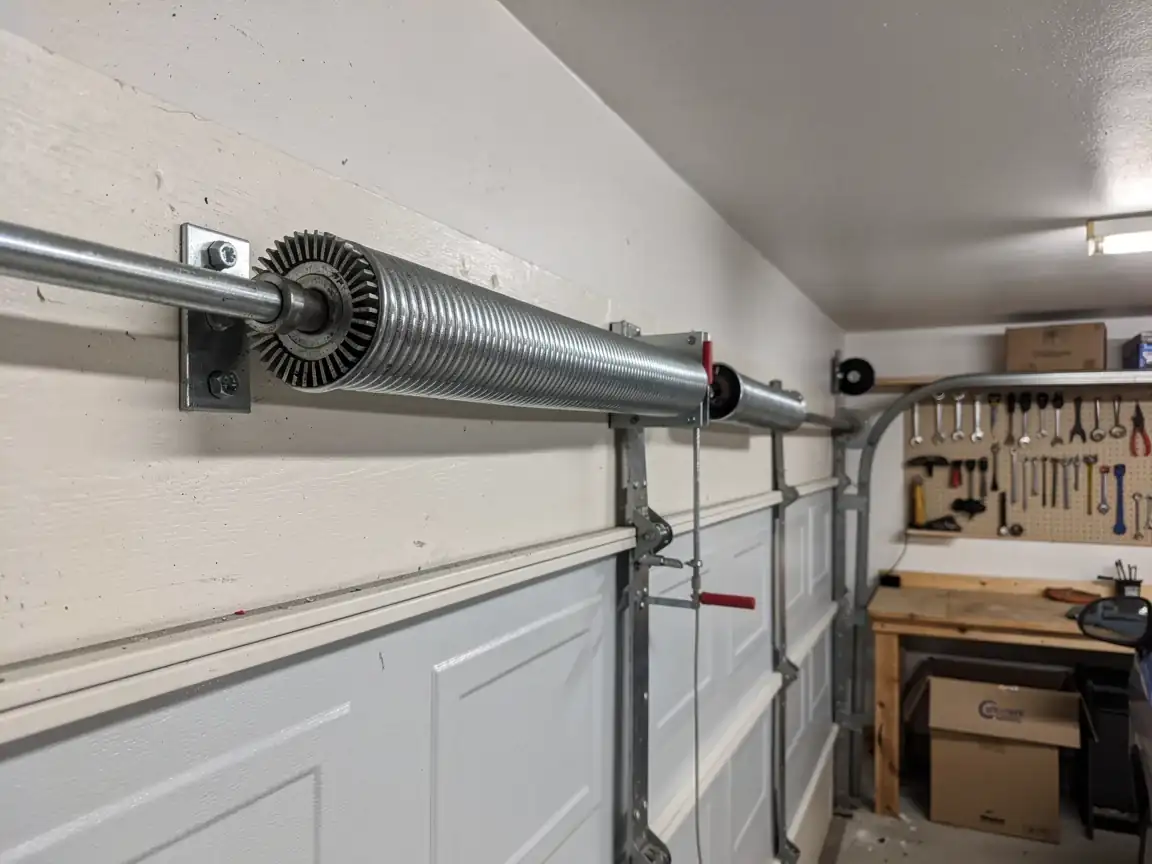
Most jobs also need new cable drums, since a cable that's jumped the drum groove usually chews it up on the way down. We carry matched drum sets for the common spring sizes we see in this area so the door tracks evenly on both sides after the fix, not just the side that broke.
What the Repair Takes
A snapped lift cable means the door is either stuck shut or hanging crooked on one side
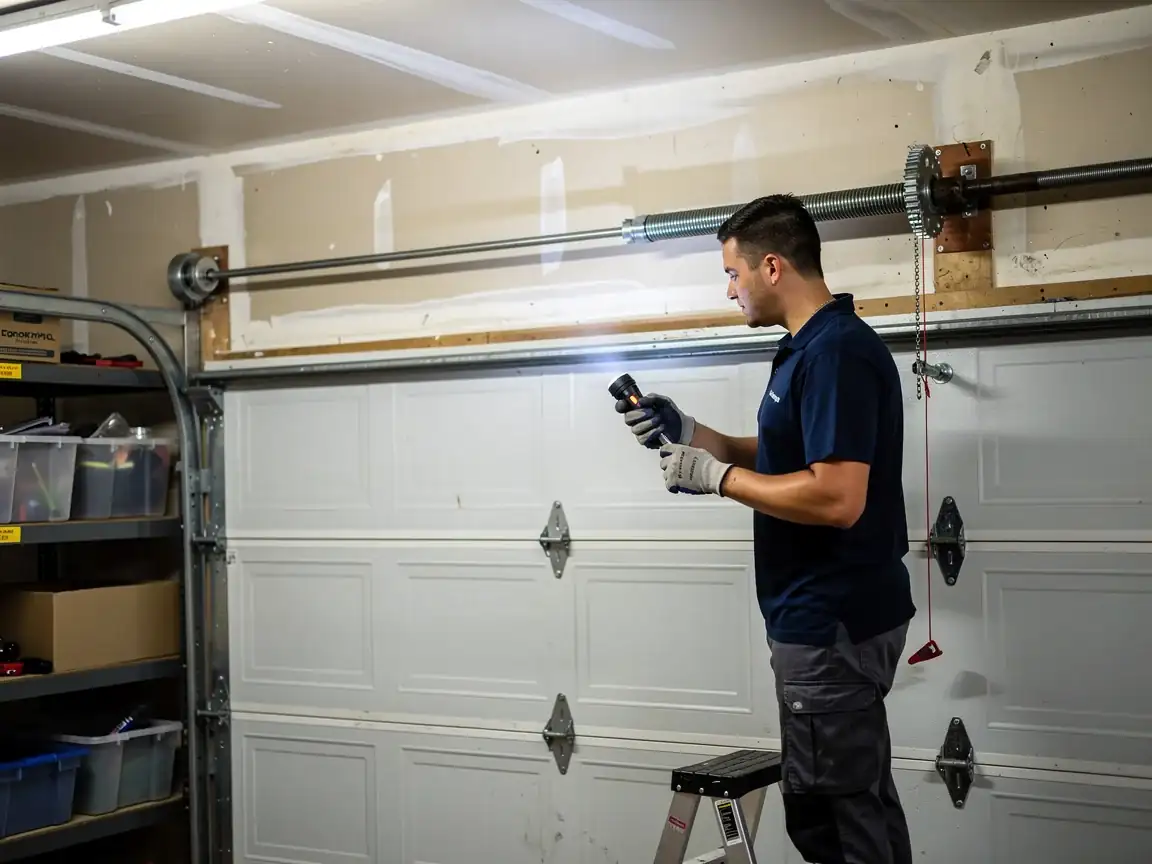
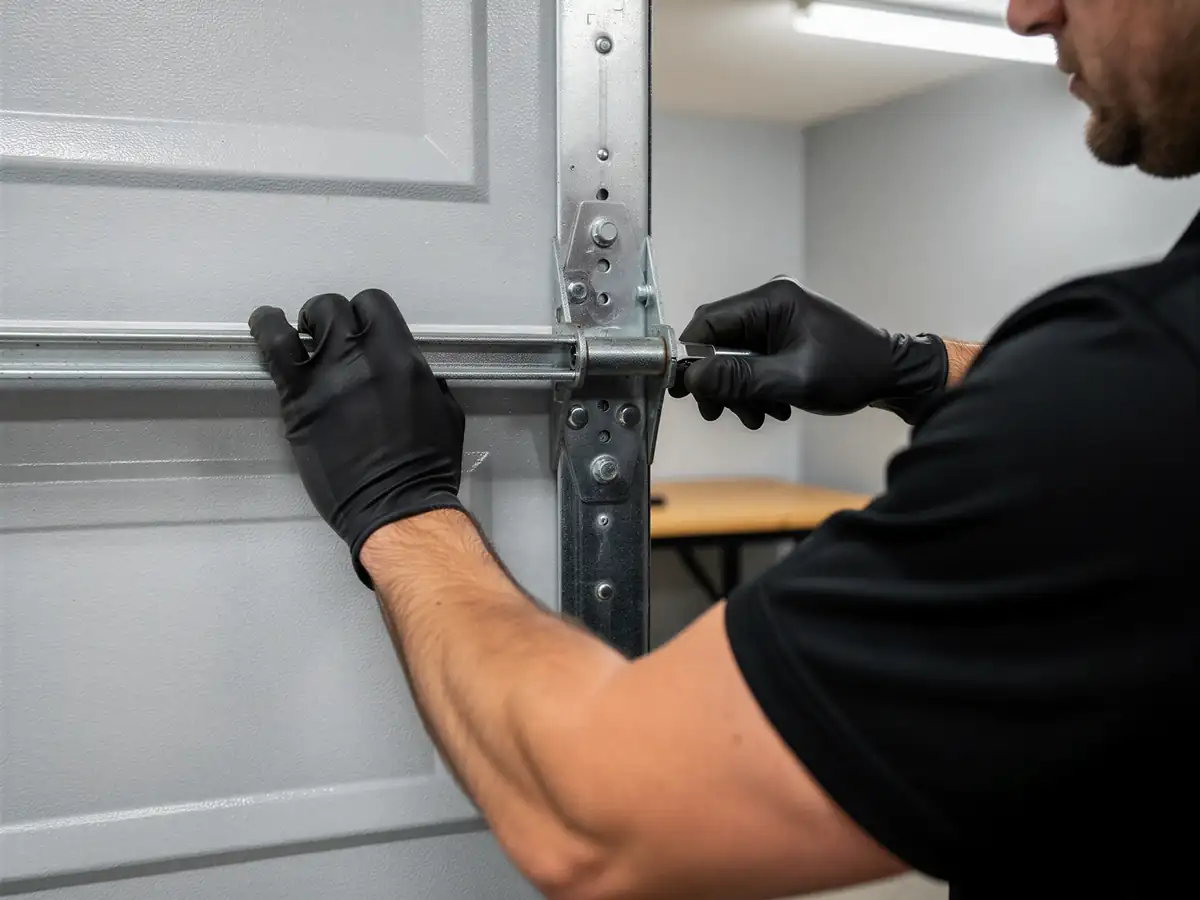
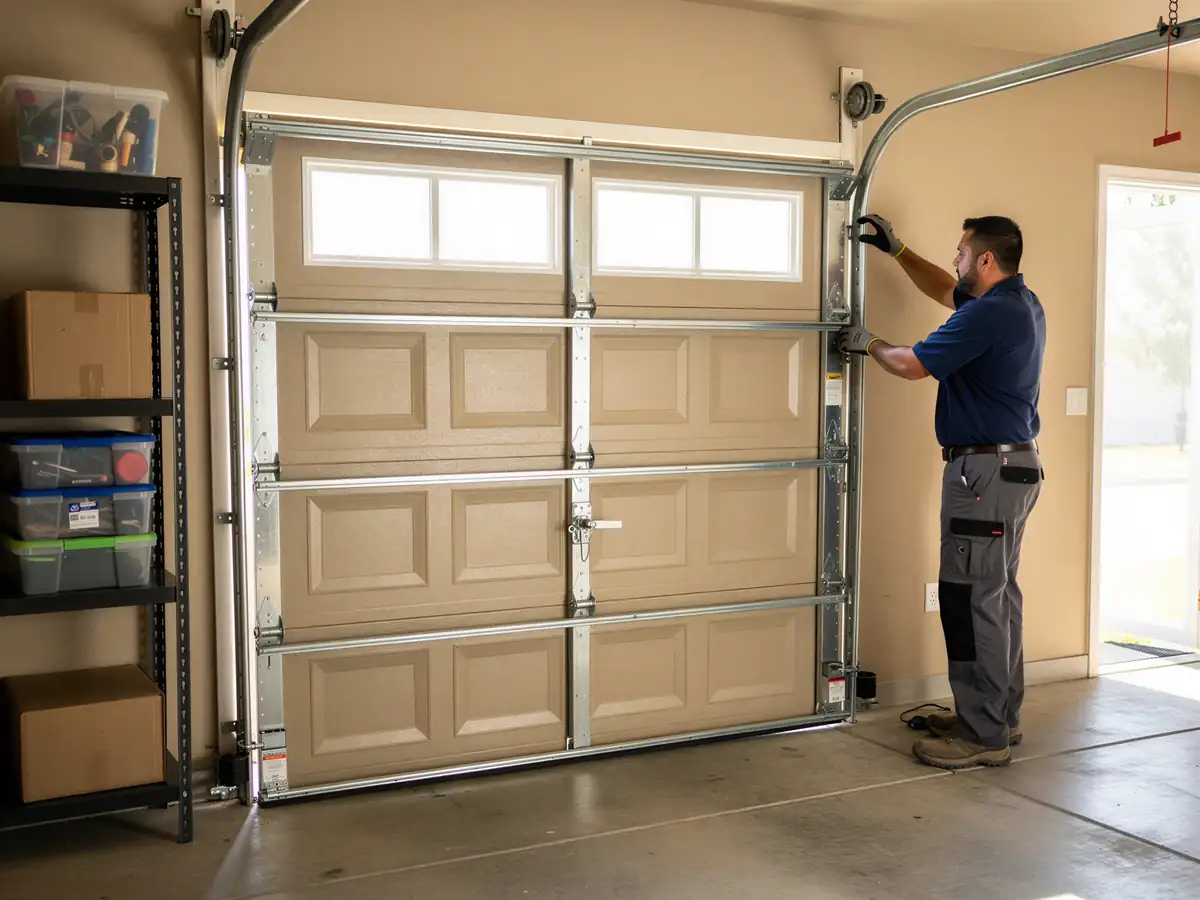
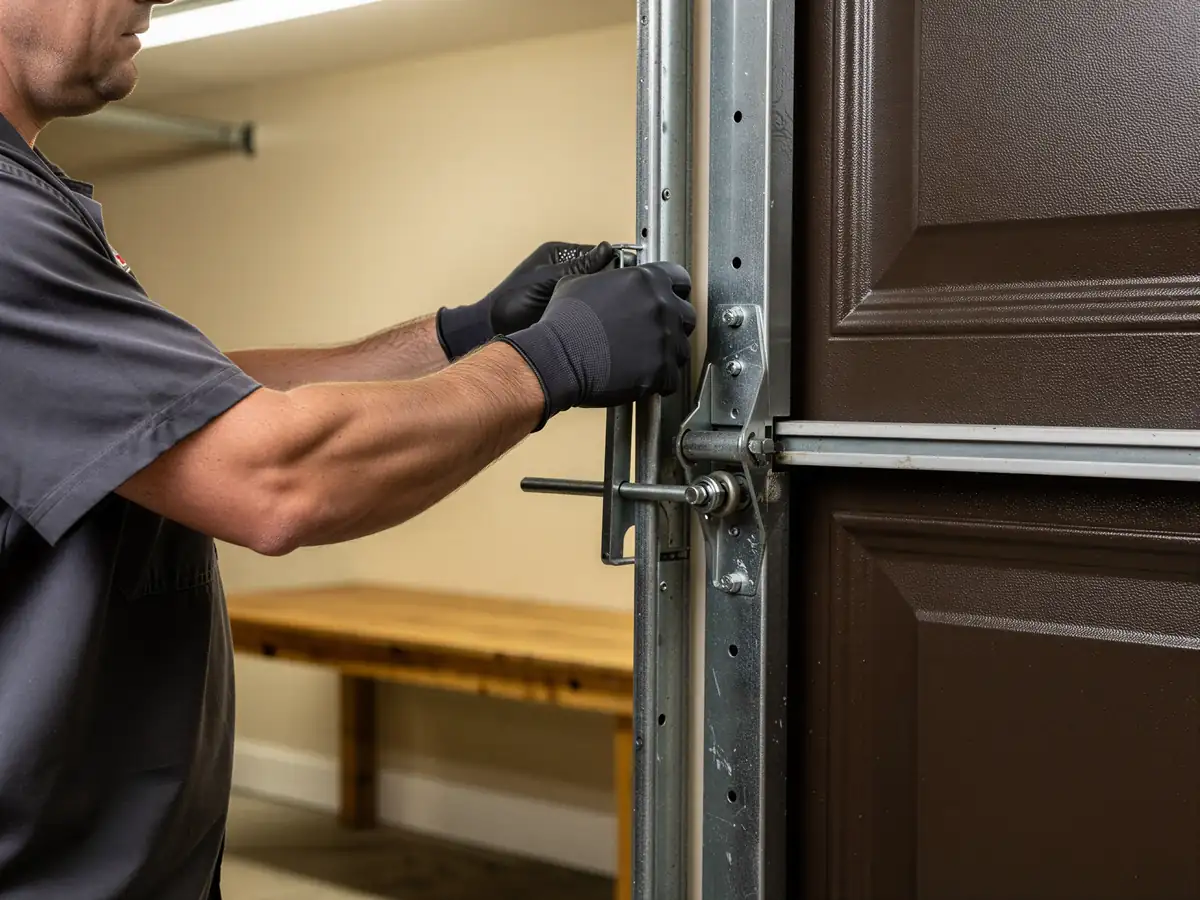
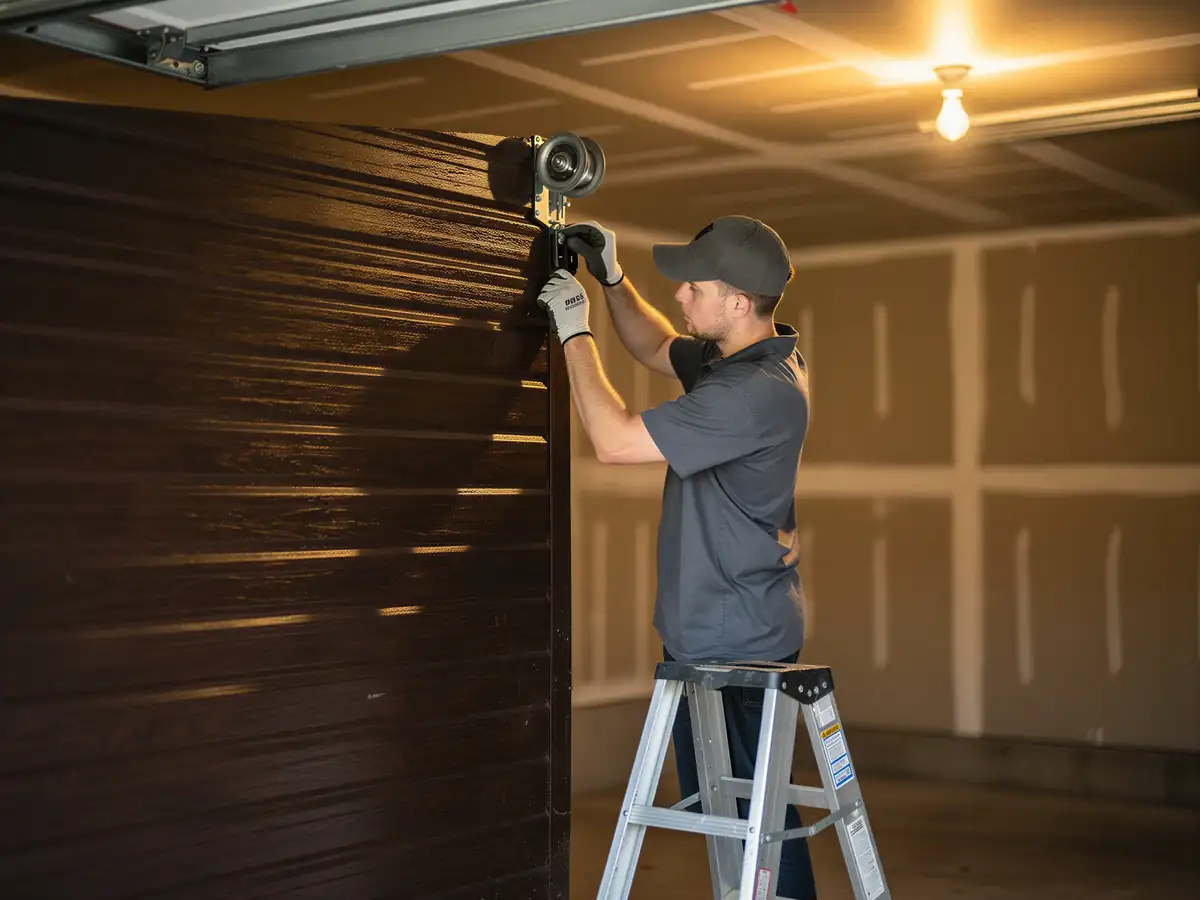
And the spring is still under load. We release the spring tension first, pull the old cable and drum, check the other side's cable for fraying since one side failing usually means the other isn't far behind, and run new cable through the drum and pulley system matched to your door's weight and spring setup. On a standard double door this is usually a same-visit fix.
What it doesn't take: a new opener, a new spring, or a new door
Cable failure is a mechanical wear issue, not an electronics problem, and we won't sell you parts you don't need to fix it. The one limitation worth naming here: if the cable snapped because the opener kept running the door against a jammed track or a bent panel, replacing the cable alone won't hold. We'll flag that before we close out the job, not after it fails again in six months.
Why This Fails Locally
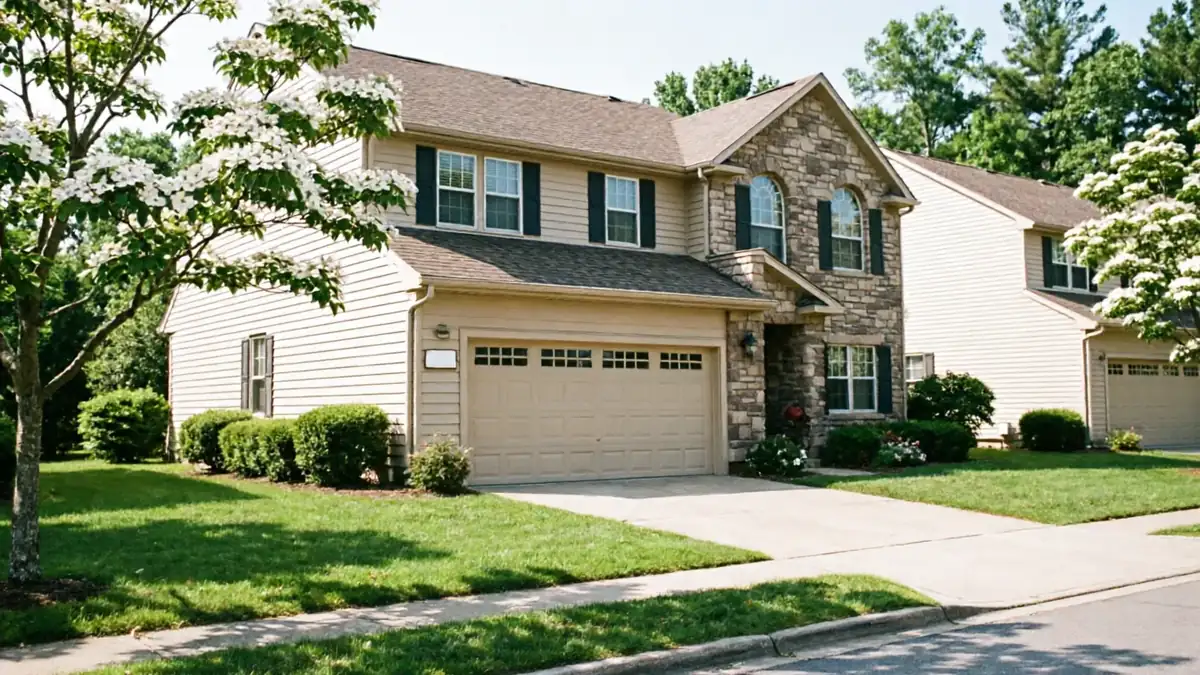
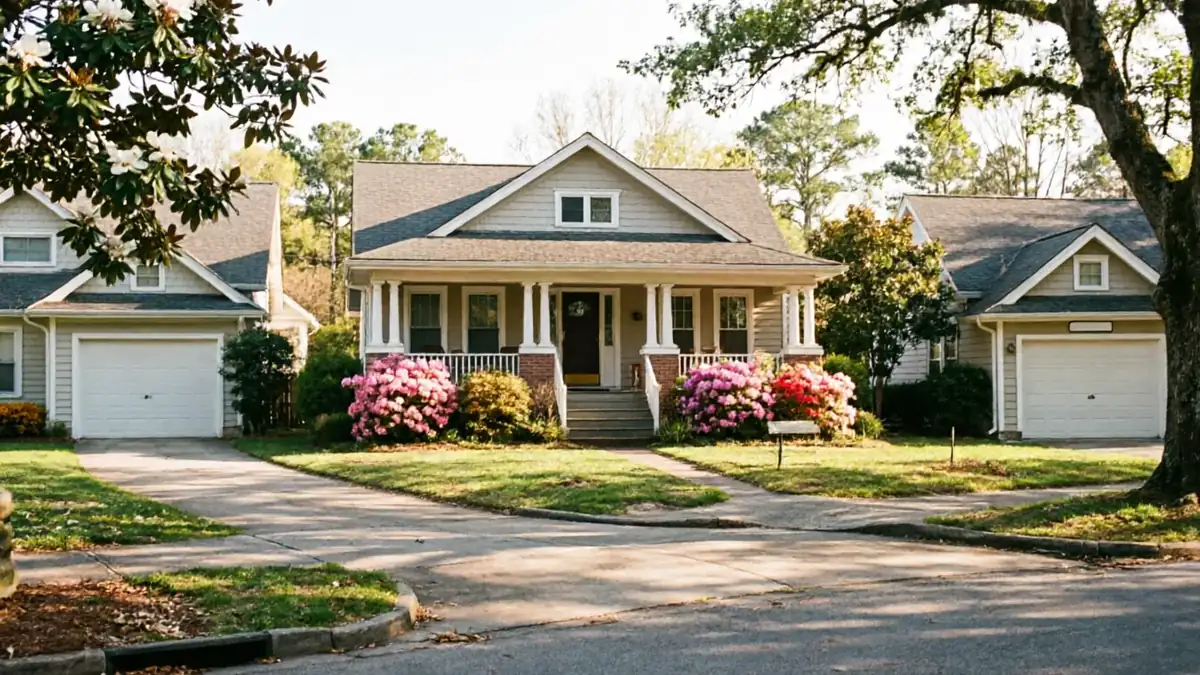
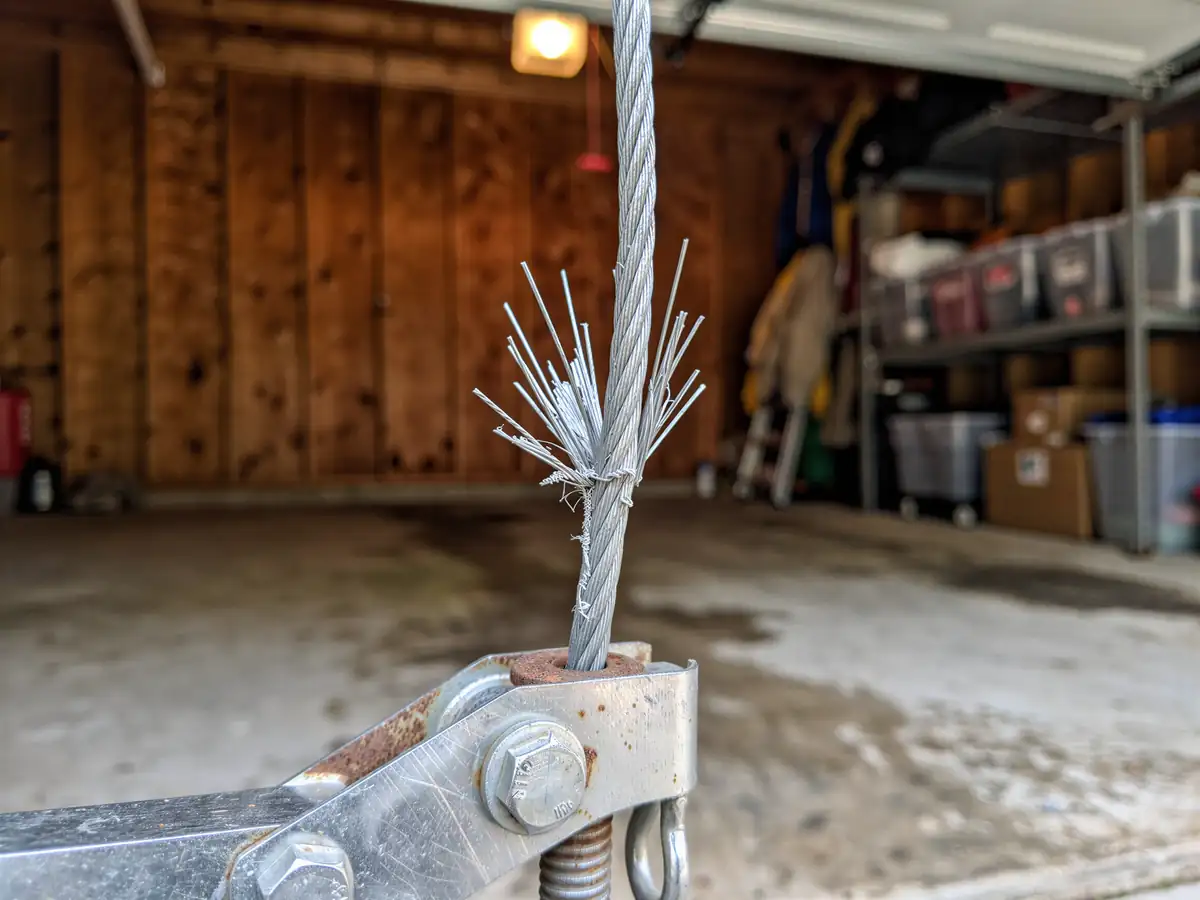
Housing across this service area runs 1964 to 2007, with most of it built in the 1980s and 90s across the nine named areas we cover. Cable on an original 1980s torsion setup is now 35-plus years old in a lot of these houses, well past the point where fraying at the drum end is a matter of when, not if. Original cable wasn't built to last the life of the house; it was built to last the life of the spring cycle, and most homeowners never touch it until it lets go.
The climate here is a moderate cold band, which matters more than people expect. Cable doesn't snap from heat the way a plastic gear does, but repeated freeze-thaw swings flex the galvanized coating and work moisture into the strands at the drum wrap, speeding up the corrosion that eventually frays a cable through. On a door that gets cycled twice a day, that adds up faster in a cold-swing climate than in a place that stays warm year-round. We see this on both the older 1960s-70s builds and the 1980s-90s stock that makes up most of what's out there.
The Symptom
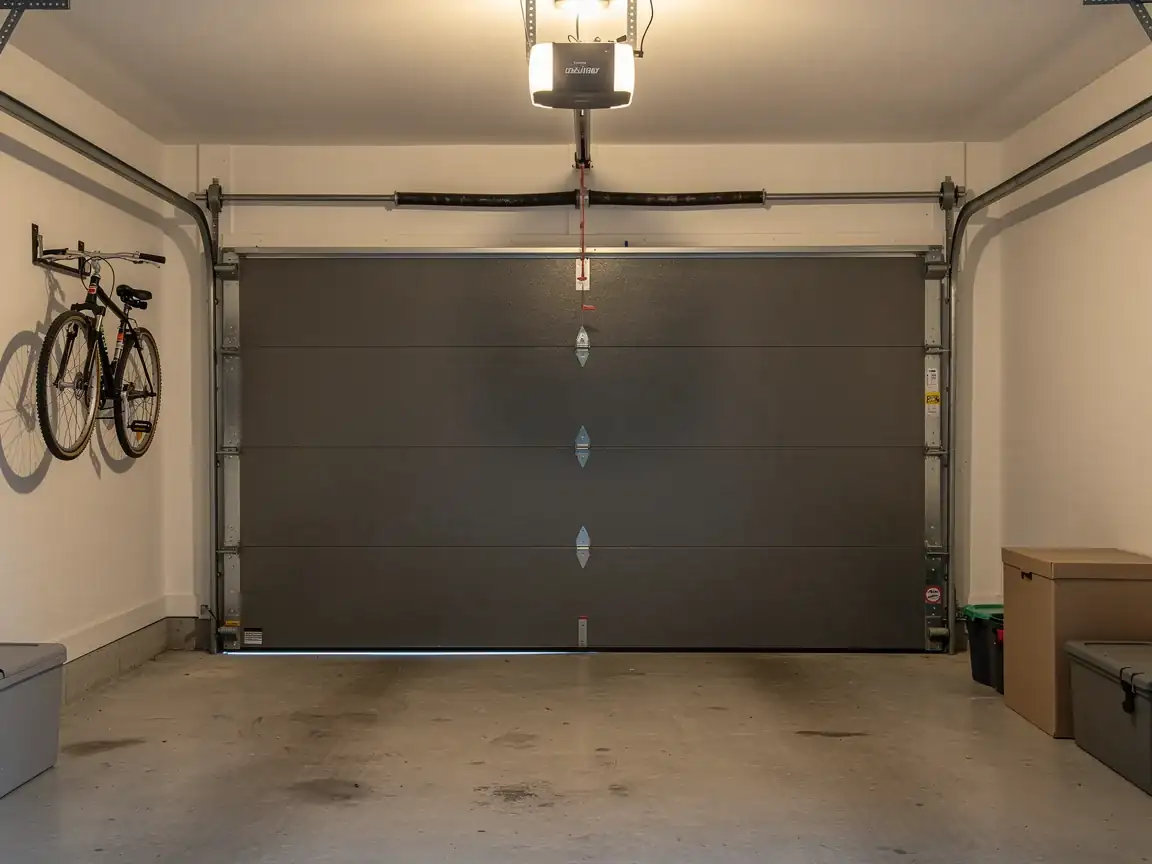
The giveaway is usually sudden: the door drops unevenly, hangs cocked at an angle, or stops moving mid-cycle with a loud bang from inside the garage. Sometimes it's quieter, a slow list to one side over a few weeks as a cable strand gives out gradually instead of all at once. Either way, don't run the opener again once you notice it. A door hanging on one working cable can fall the rest of the way, and the opener motor will keep trying to force a door that's binding on a bent track or a popped roller.
Across the roughly 12,708 owner-occupied houses in this service area, this is one of the more common calls we get, right alongside broken springs, and the two often show up together since a spring failure puts extra strain on the cable at the moment it's already carrying full load. If your door is stuck down and you can hear the motor still running, cut power to the opener at the wall switch and call before anyone tries to force the door by hand.