What the Repair Takes
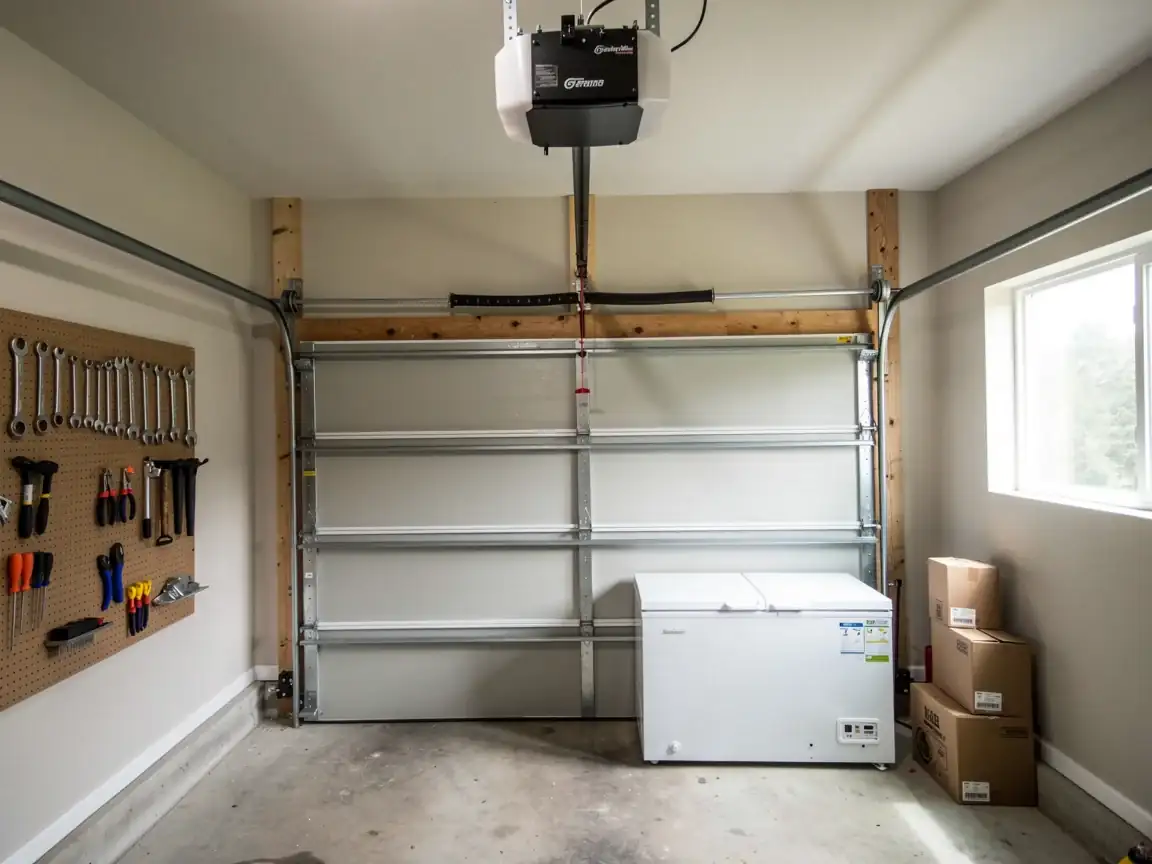
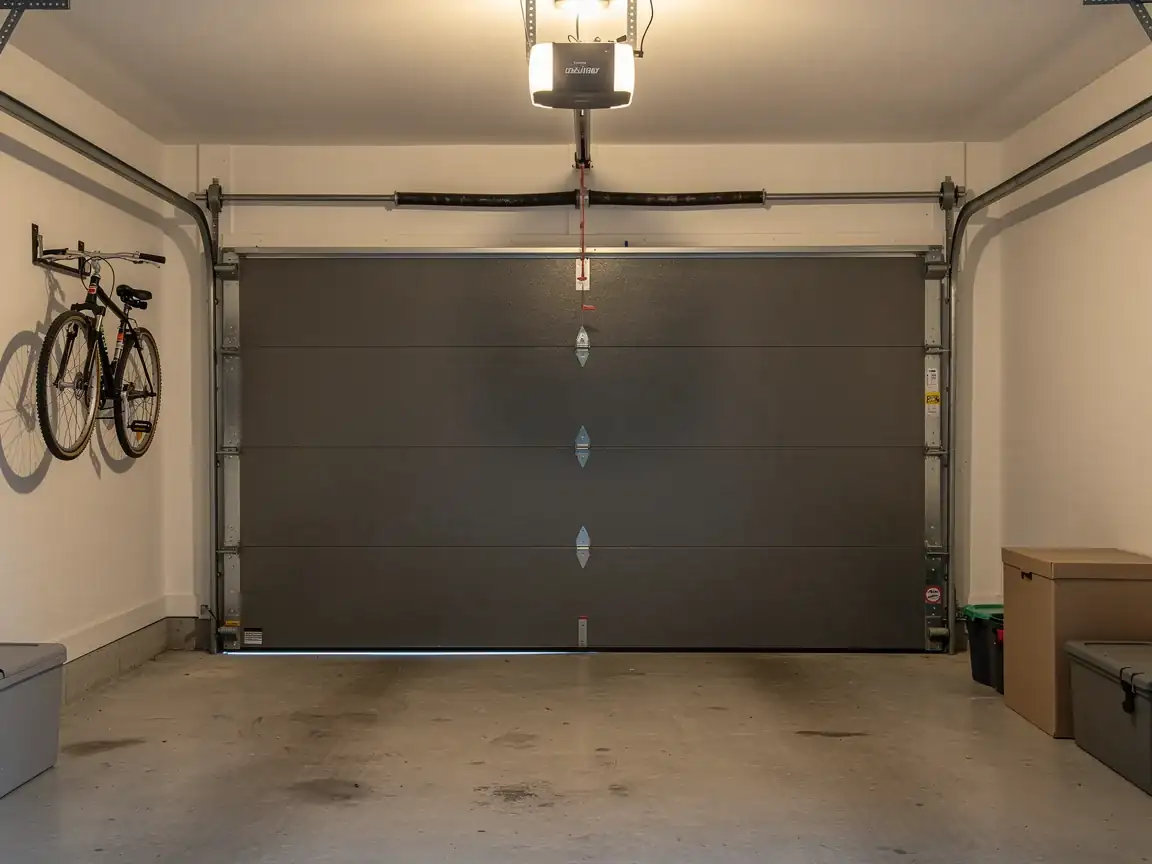
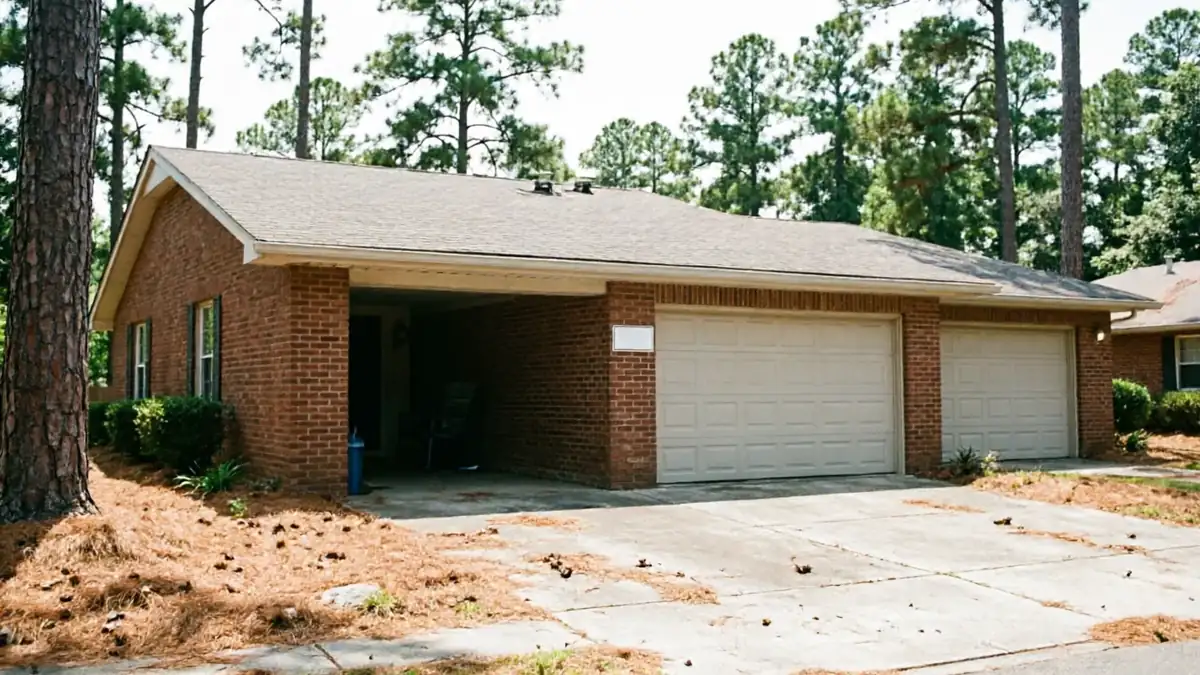
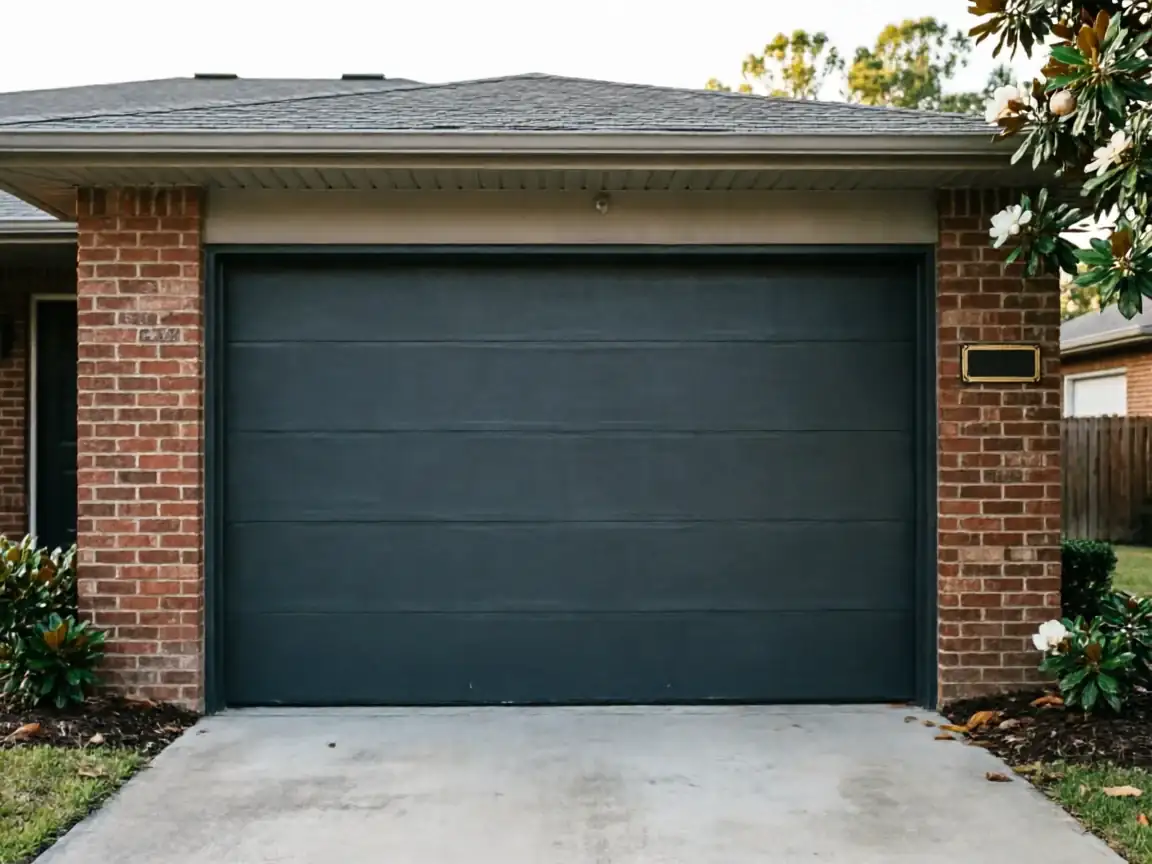
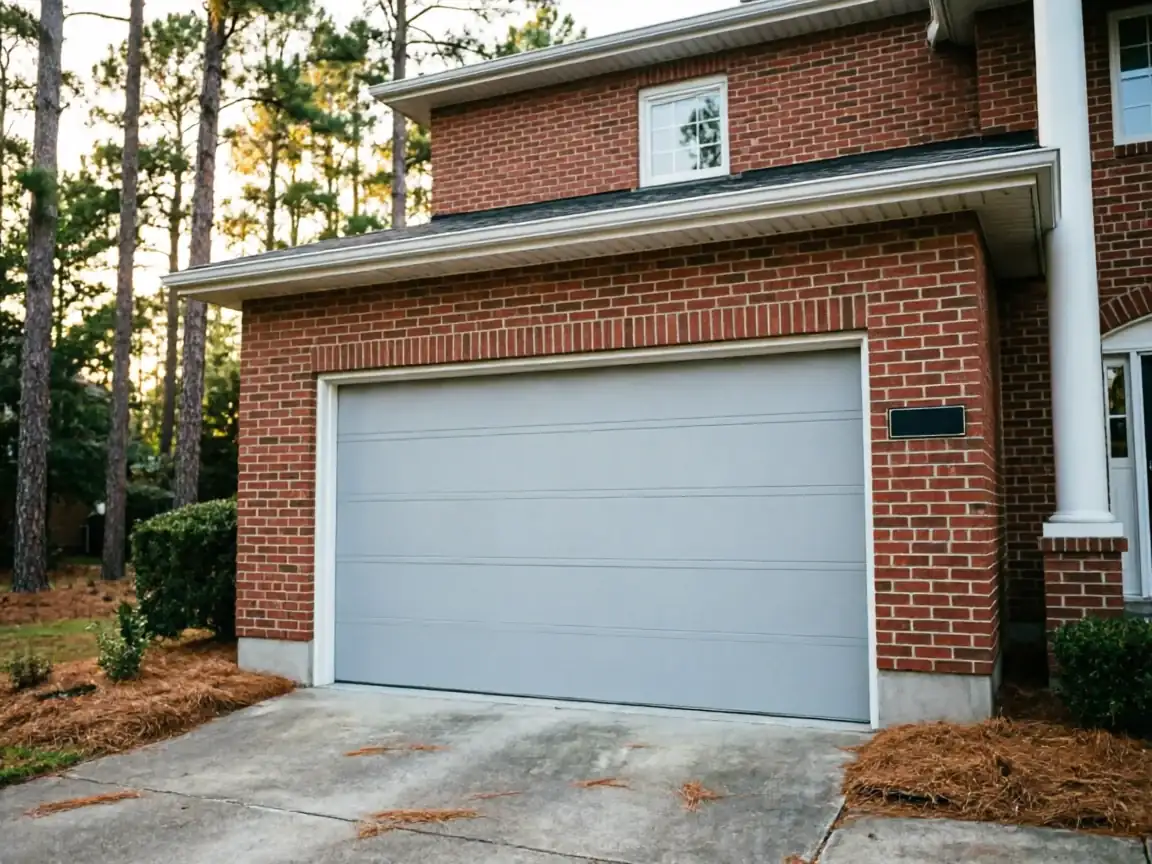
Most garages in Fair Oaks went up around 1970, which puts the doors themselves squarely in the steel-sectional era before nylon rollers were standard. What you've got on the track is almost always a 7-ball galvanized steel roller, sometimes with a thin rubber tire that's long since hardened or cracked off. These doors are narrower than what gets built today, usually single-car openings, and the track gauge on a house this old is often tighter than current stock, so we measure before we cut anything.
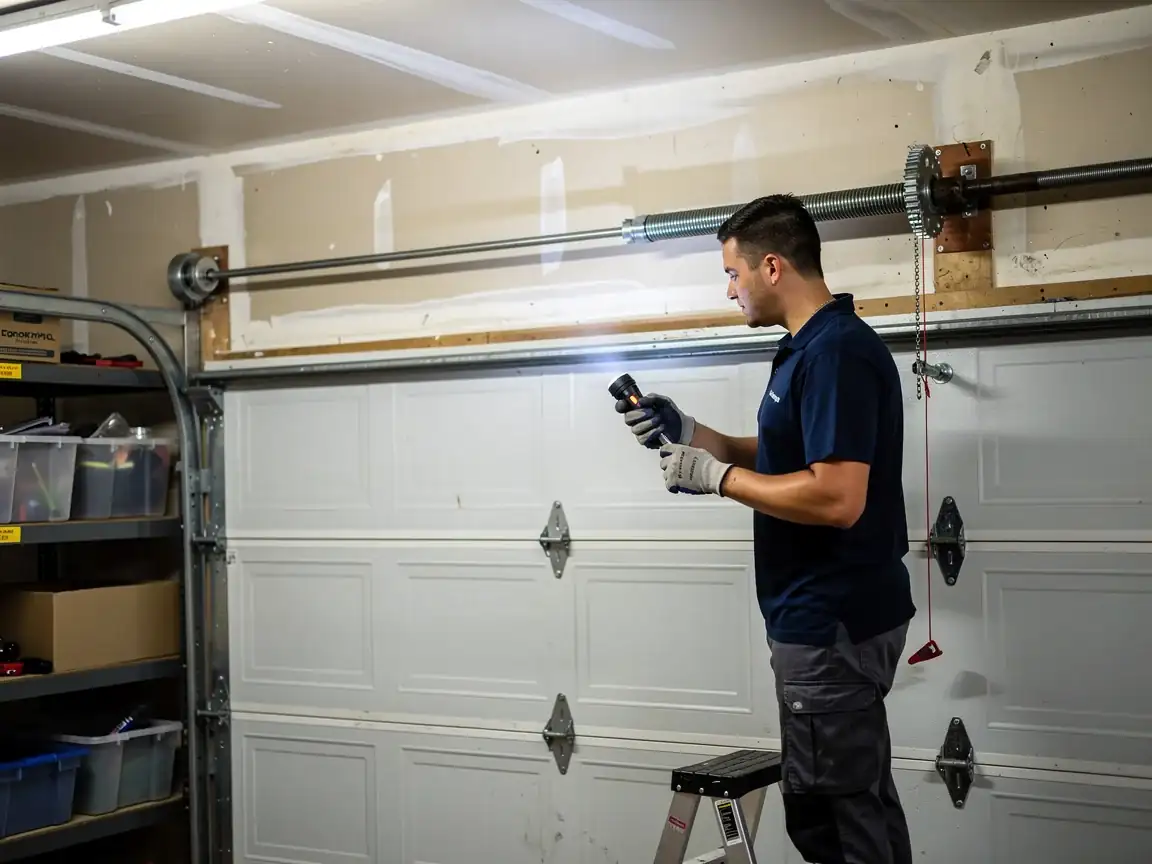
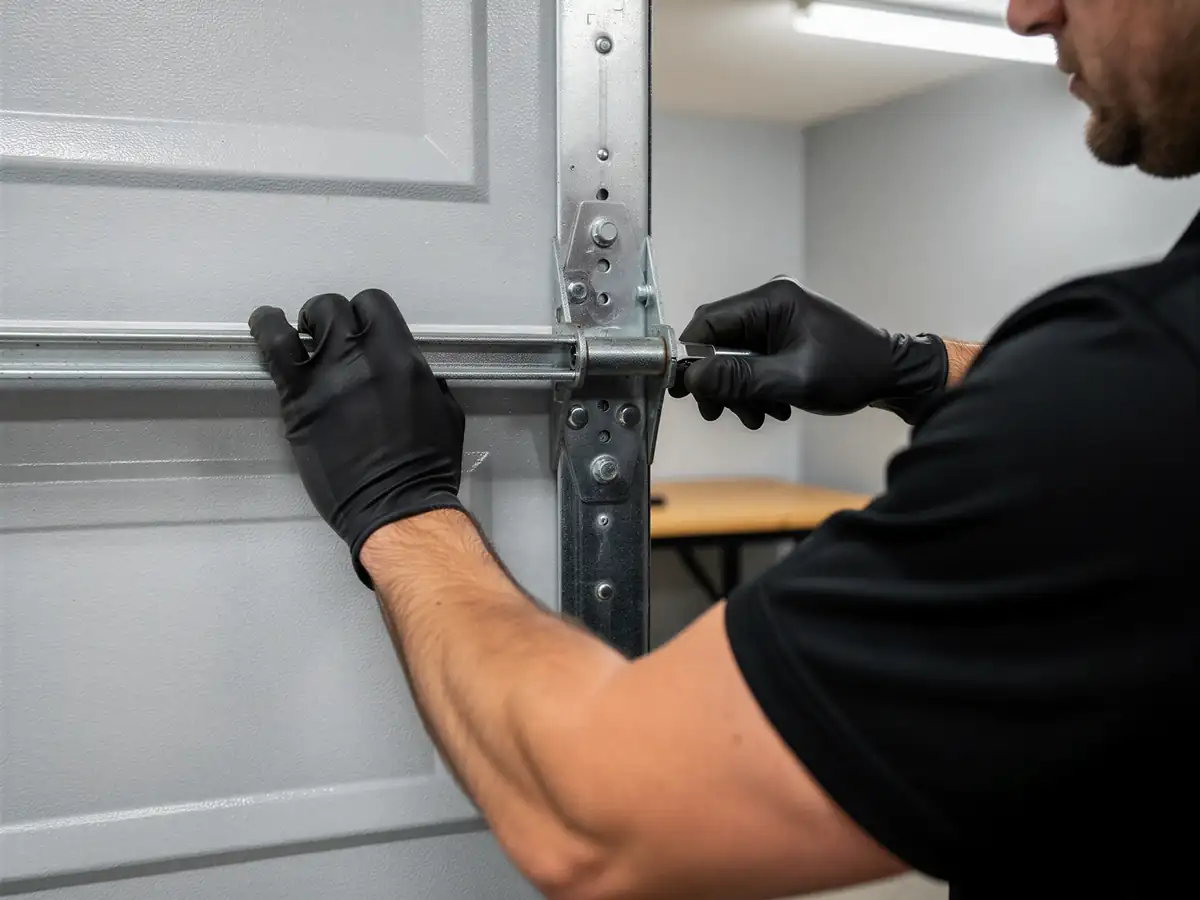
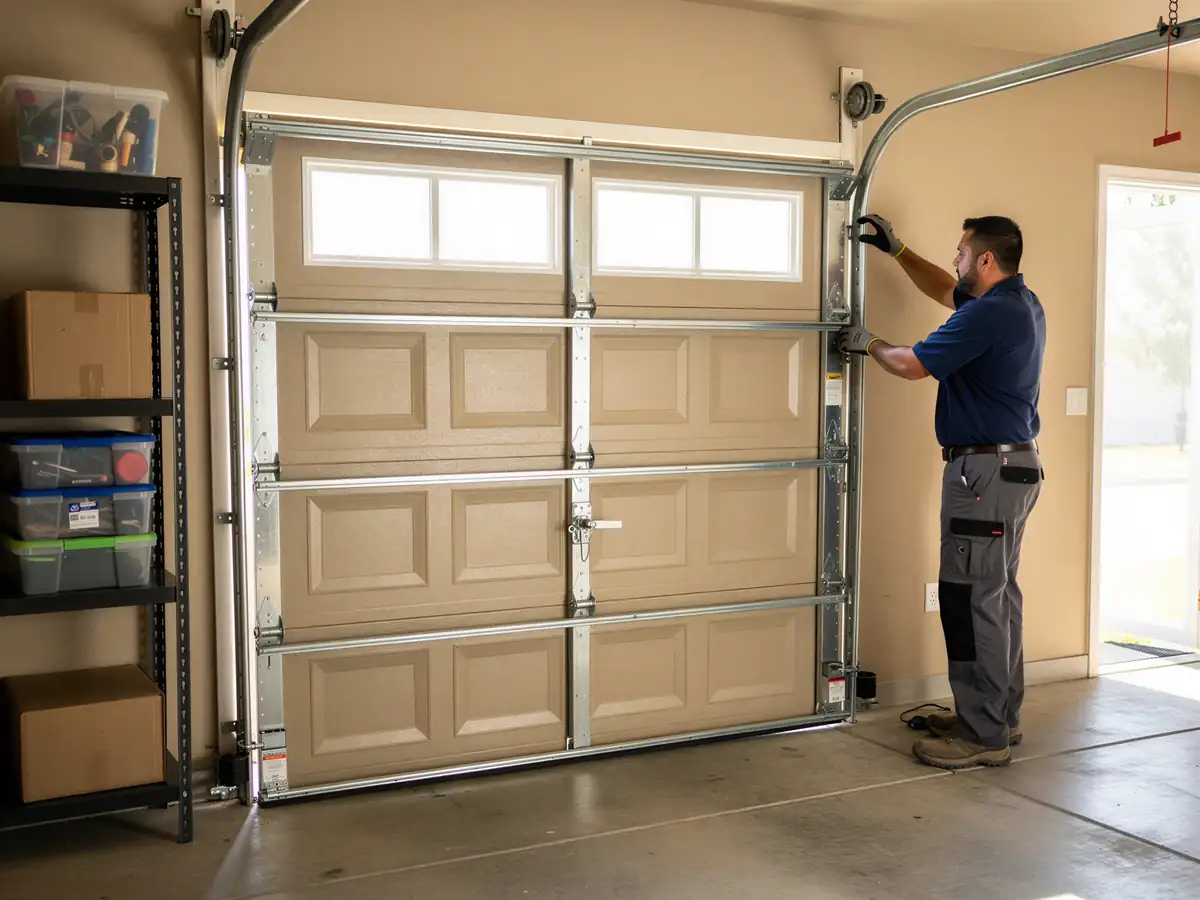
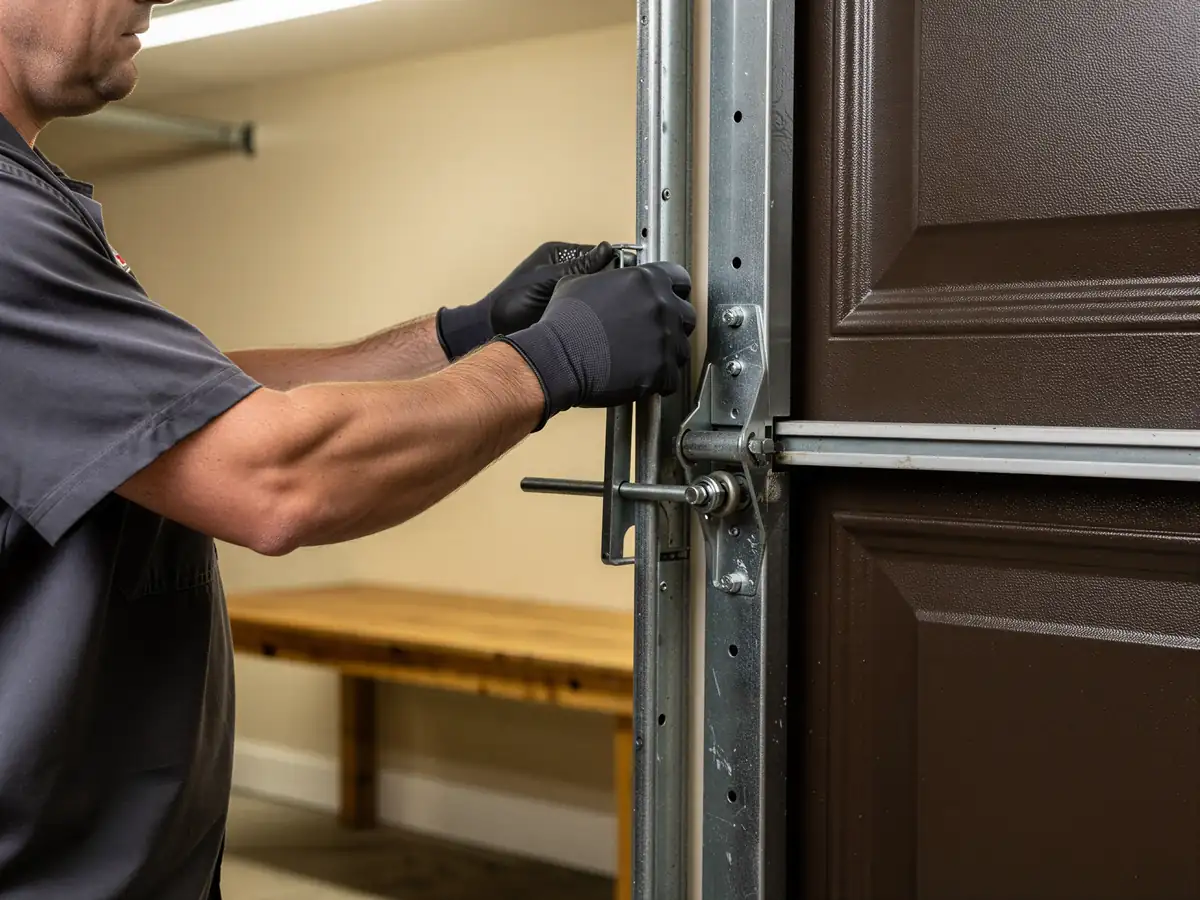
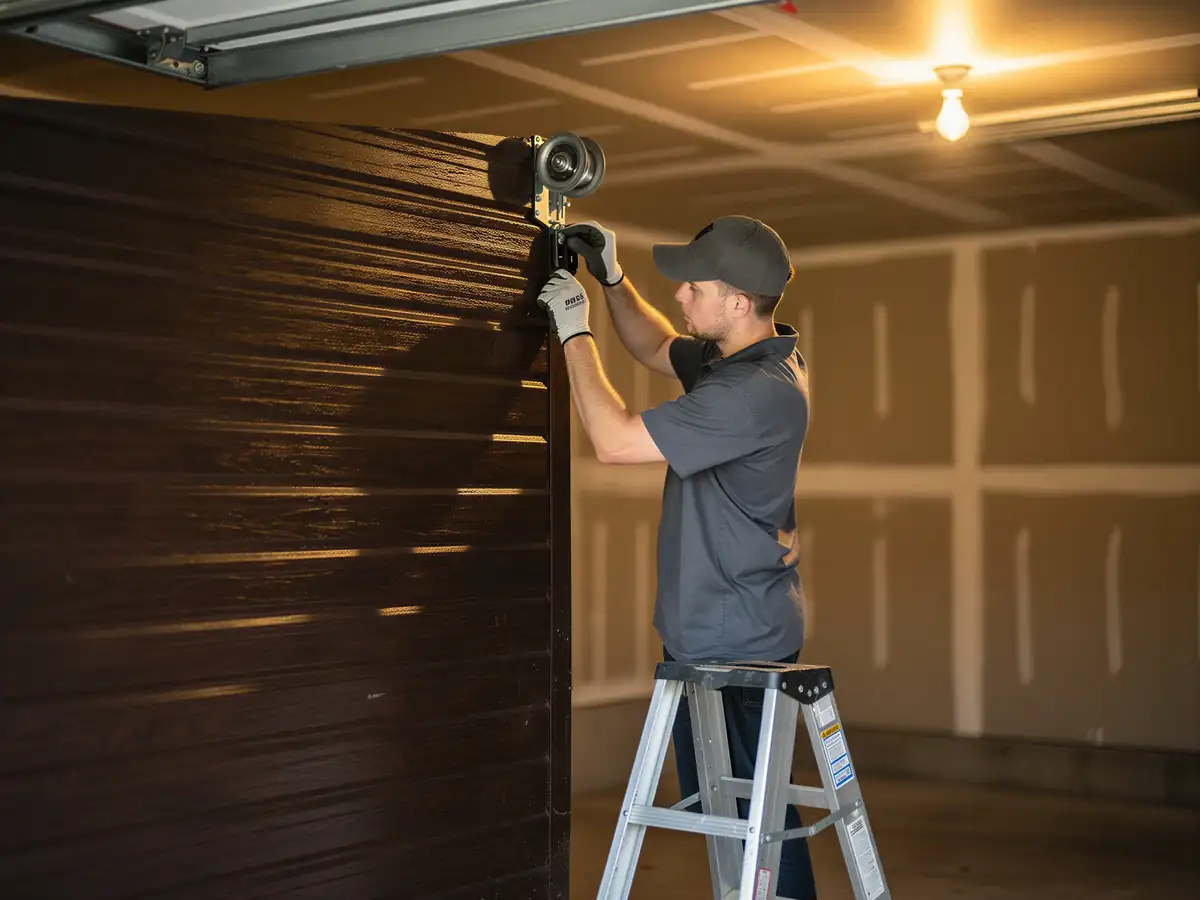
The repair itself is straightforward: pull the old rollers out of the hinges one at a time, working around the door so it never comes off balance, and set new ones in. If the track itself has worn a groove where the old steel rollers ground against it for fifty years, that gets addressed too, because a new roller in a grooved track will just wear the same way again inside a year.
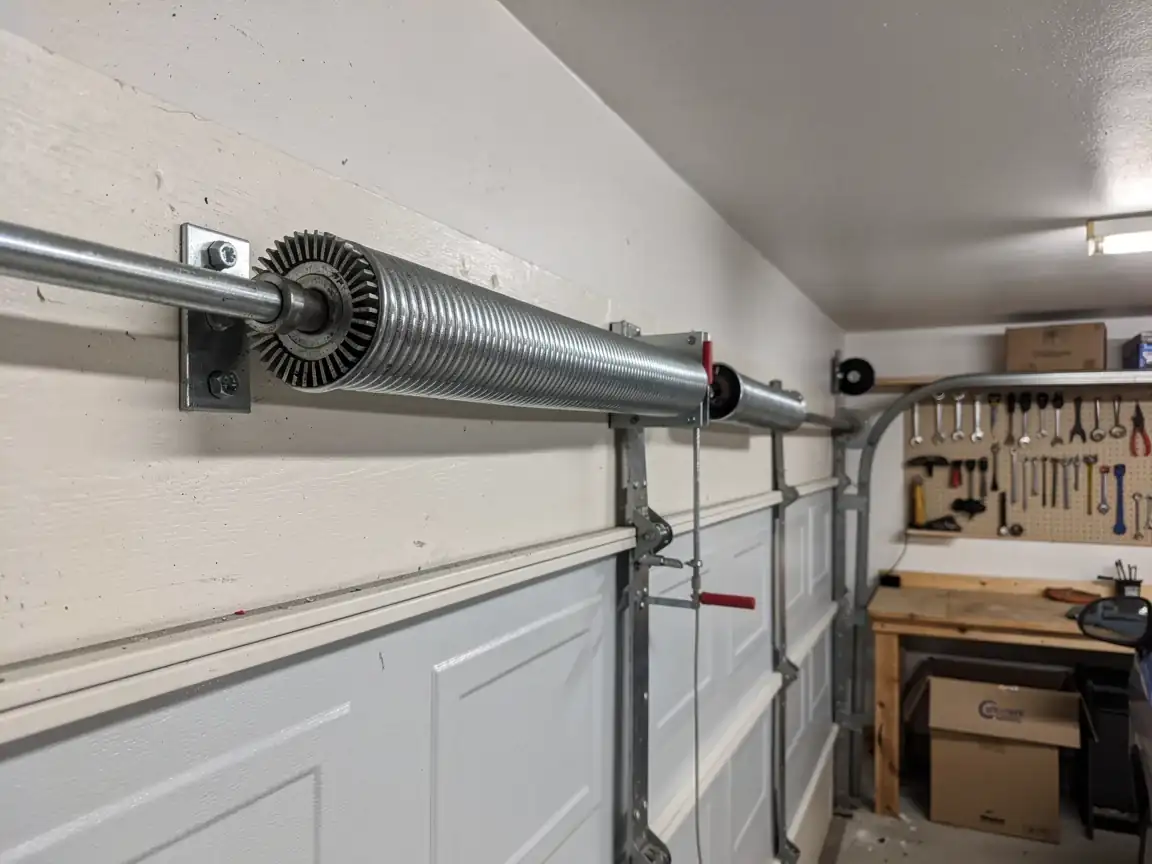
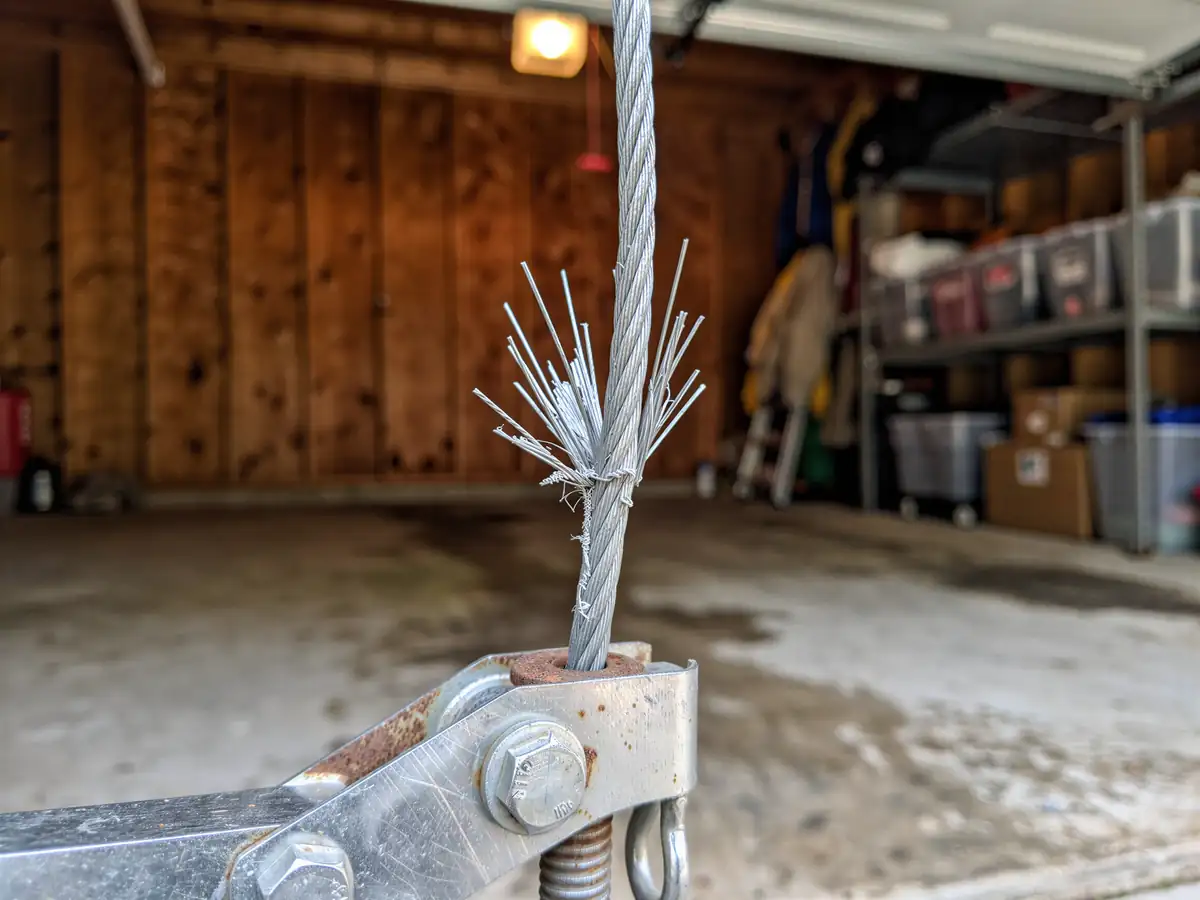
We don't touch springs or cables unless they're also showing wear, and on a door this old, they sometimes are. A roller job on a door with a tired spring is a half-finished job, so we'll flag it if we see it, but we won't sell you work the door doesn't need.
How Long It Takes
A straight roller swap on a single door, no track replacement, usually runs under an hour once we're on site
Add track work and you're looking at longer, since we're removing the old track sections cleanly rather than just loosening what's there and hoping it holds.
The bigger time factor for Fair Oaks jobs is getting out there
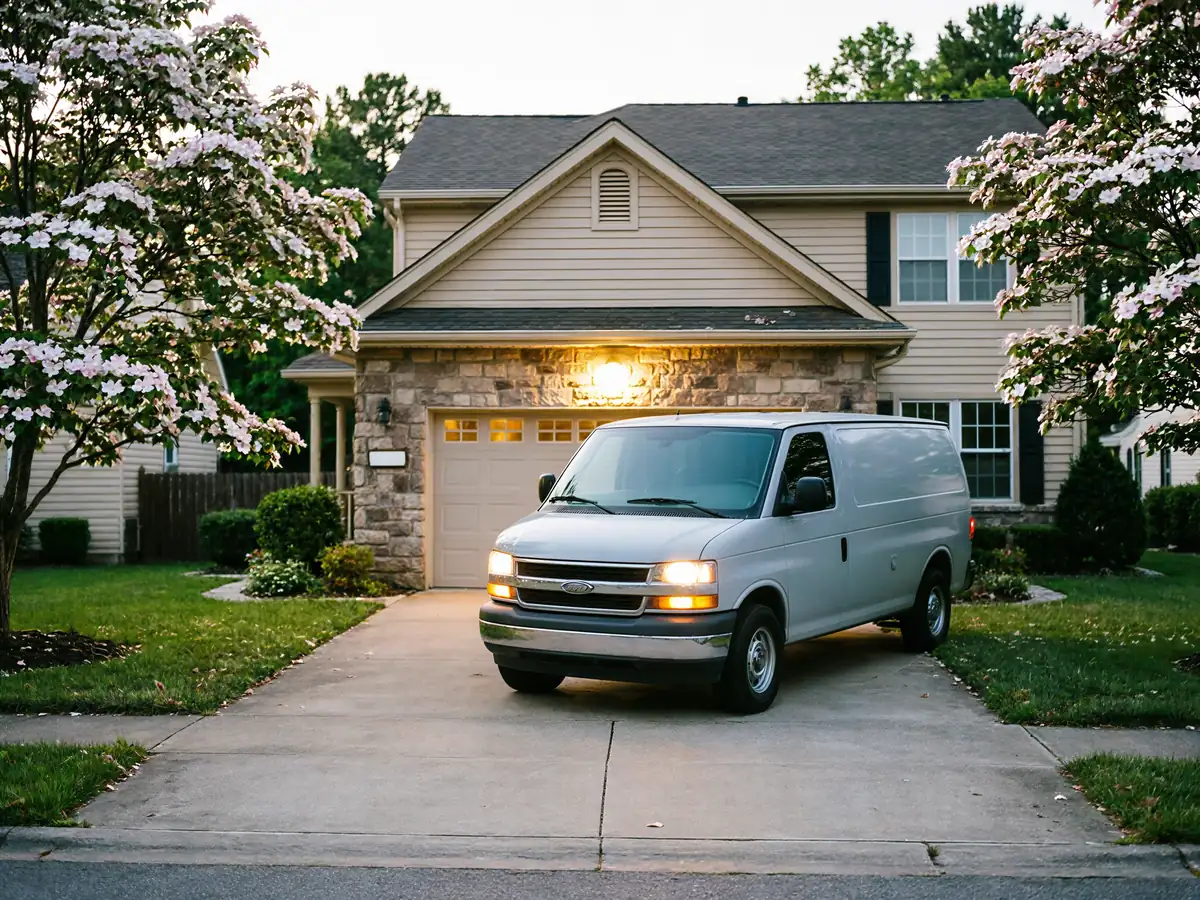
We run out of Woodstock, and Fair Oaks sits about 13 miles off, so factor that into when you call versus when a truck shows up. We don't keep a branch in Fair Oaks itself - every job here is a drive, and we're upfront about that rather than promising a window we can't hit.
- 13 miles
Parts We Carry
For a house built around 1970, the rollers that come off are almost never the nylon kind you'd find on a door from the last twenty years - they're steel, sometimes with the original stem bent or worn into an oval instead of round. We carry standard nylon rollers with sealed bearings as the default replacement, since they run quieter and don't need the lubrication steel rollers do, and they fit the same hinge stems these older doors use.
We also carry galvanized steel rollers for owners who want to match what's already there, or whose track is worn enough that nylon's wider roller body won't clear it without track work too. Track sections, hinges, and the short stem bolts that these older hinges commonly need all ride on the truck, because showing up to a 1970-era door without them means a second trip.
Can You Do This Yourself
Swapping a roller is within reach for a homeowner who's comfortable with a door under spring tension, but the honest limitation is that on a door this old, you usually can't swap just one roller and call it done. The whole run tends to be worn evenly, and the track is often worn to match the old steel roller profile, so a single new roller can bind or ride rough against a groove shaped for something else.
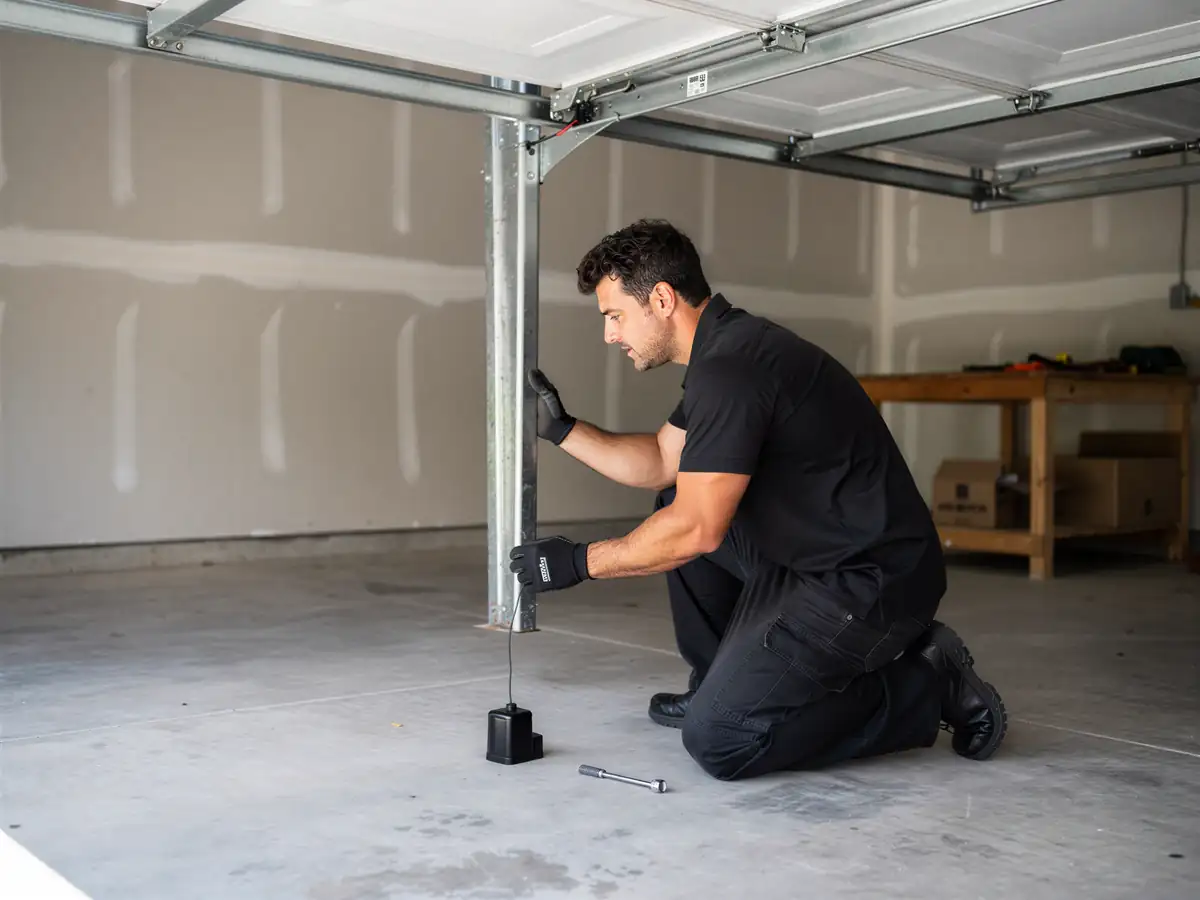
If you're doing it yourself, work one hinge at a time with the door down and the opener disconnected, and never pull more than one roller's worth of hinge loose at once. If the track shows a visible wear channel, that's past a DIY fix - replacing track means pulling fasteners from the jamb, and a door that's out of alignment afterward is worse than the roller that started the job.
Getting It Booked In
Fair Oaks is about a 13-mile run from our Woodstock shop, so when you call, we'll talk through what the door's doing - grinding, sticking, one corner dragging - before we schedule, so the truck that shows up has the right rollers for a door this age rather than a generic set. Median incomes in this part of the service area run lower than some of the towns we also cover, and we price the job the same regardless of which town it's in; what changes is drive time, not the rate.
If you're not sure whether what you're hearing is the rollers, the track, or something else entirely, say what you're hearing when you call. A grinding sound on a door built around 1970 is roller territory nine times out of ten, but we'd rather ask than guess from a distance.