Can You Do This Yourself
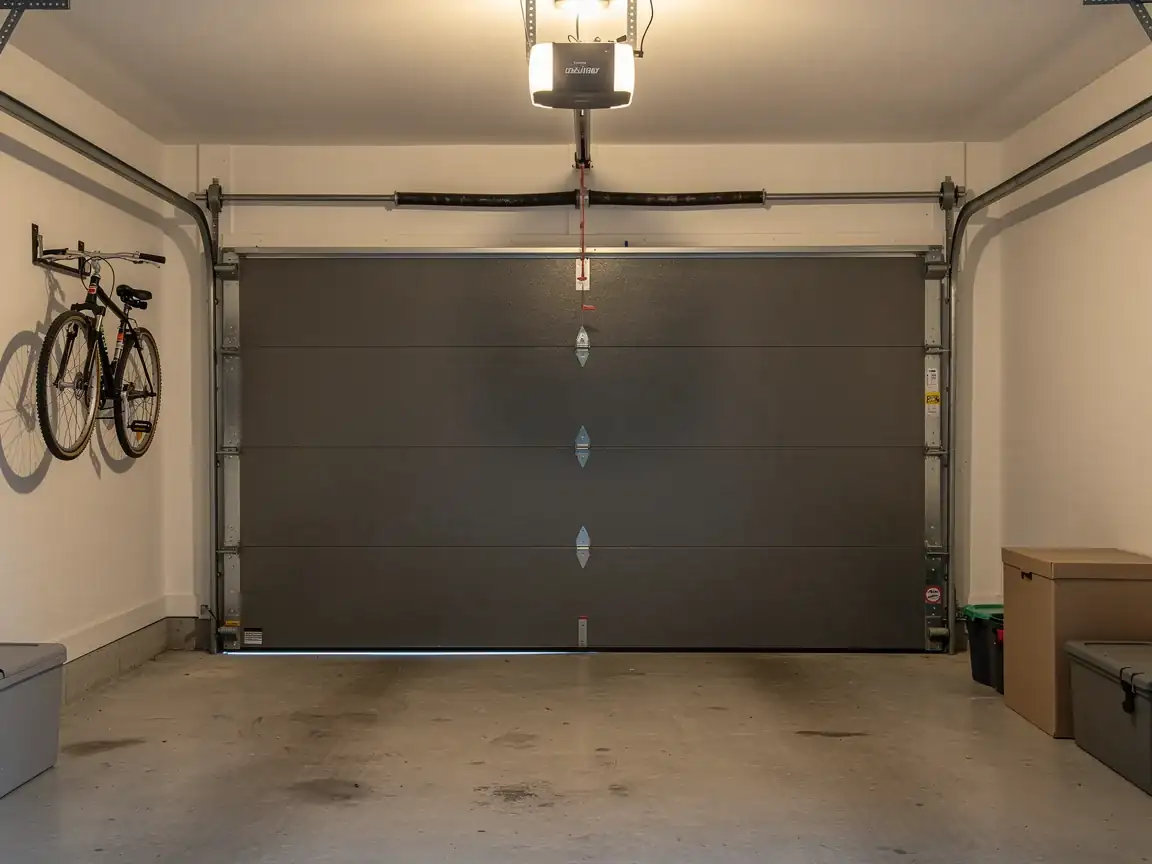
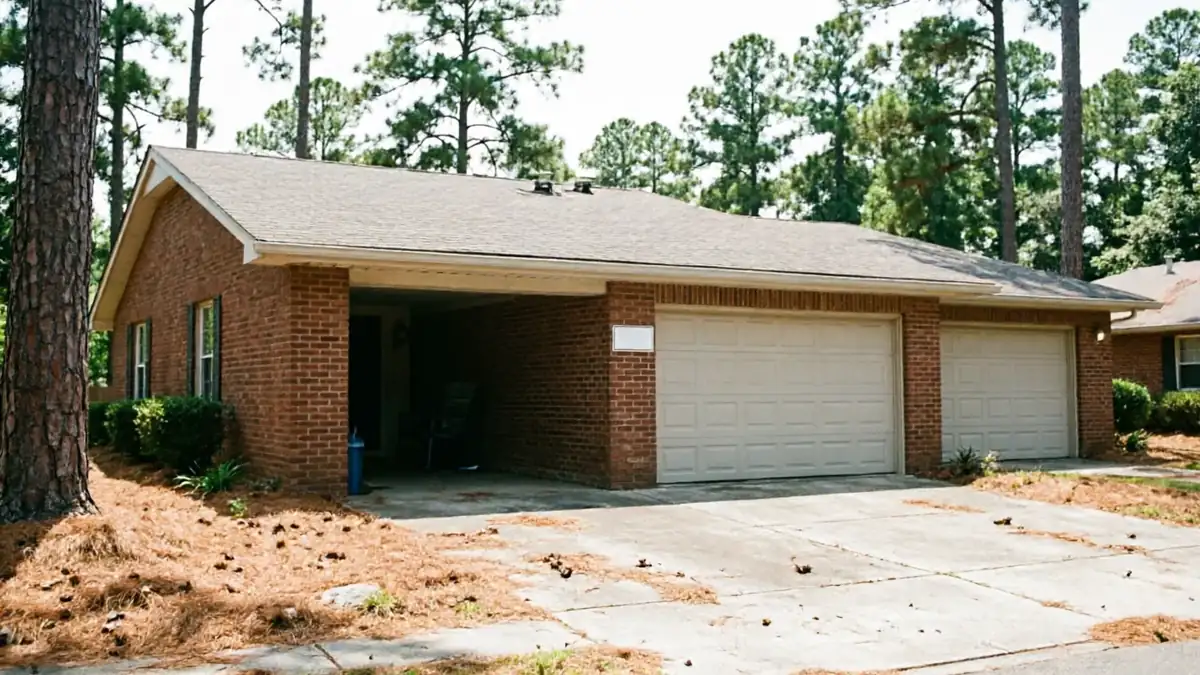
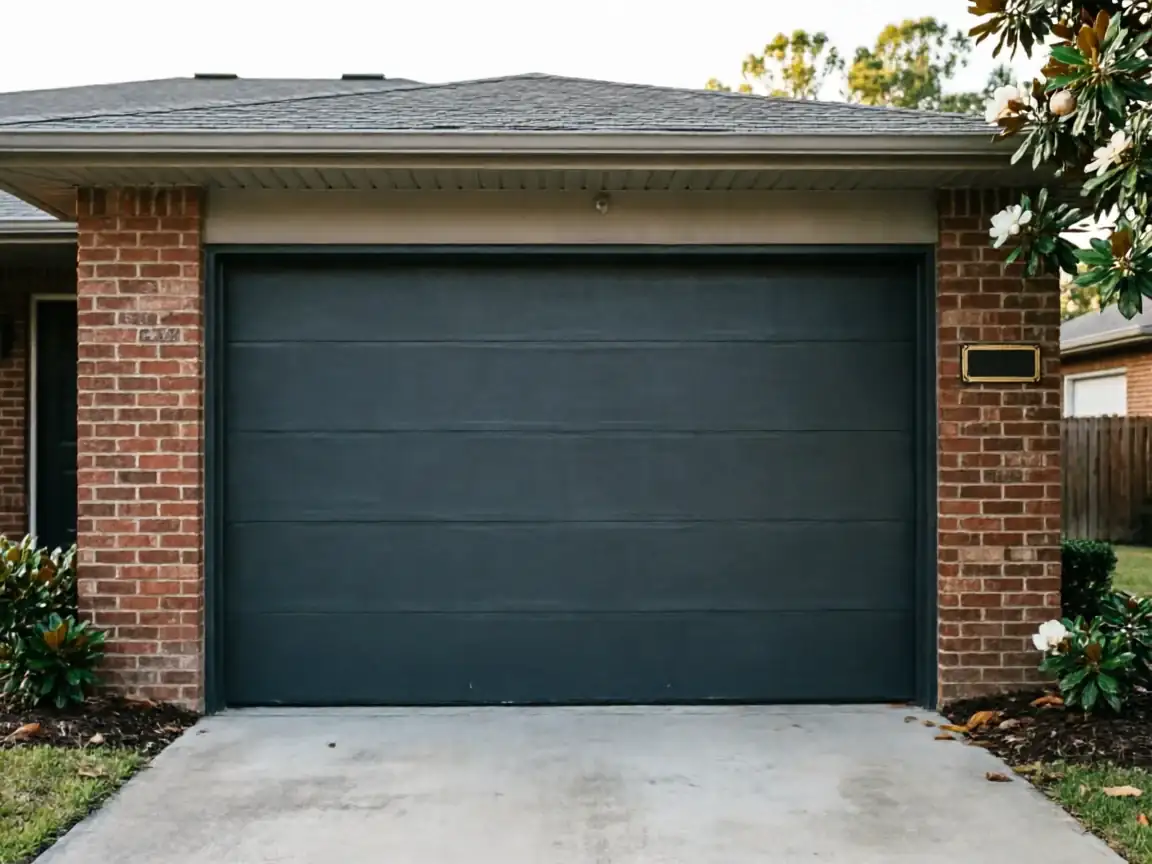
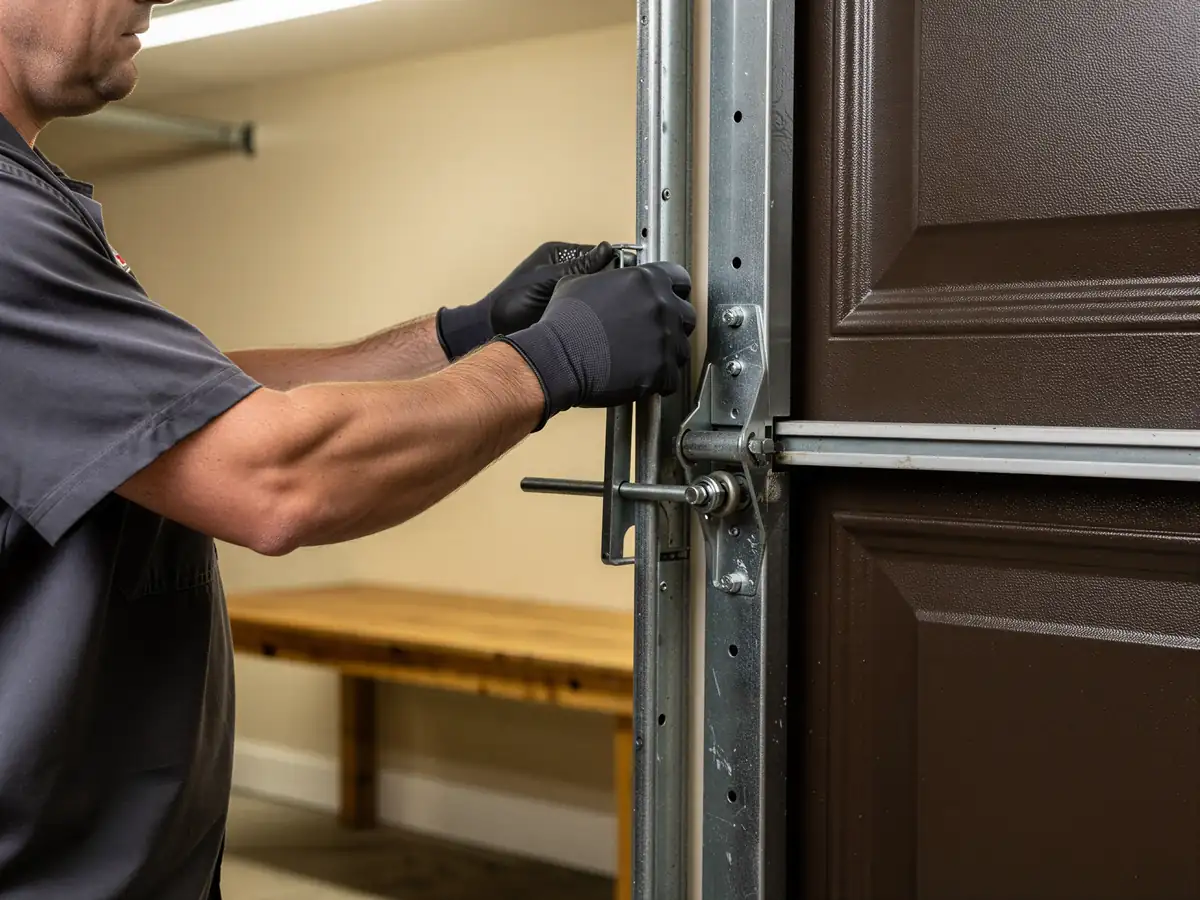
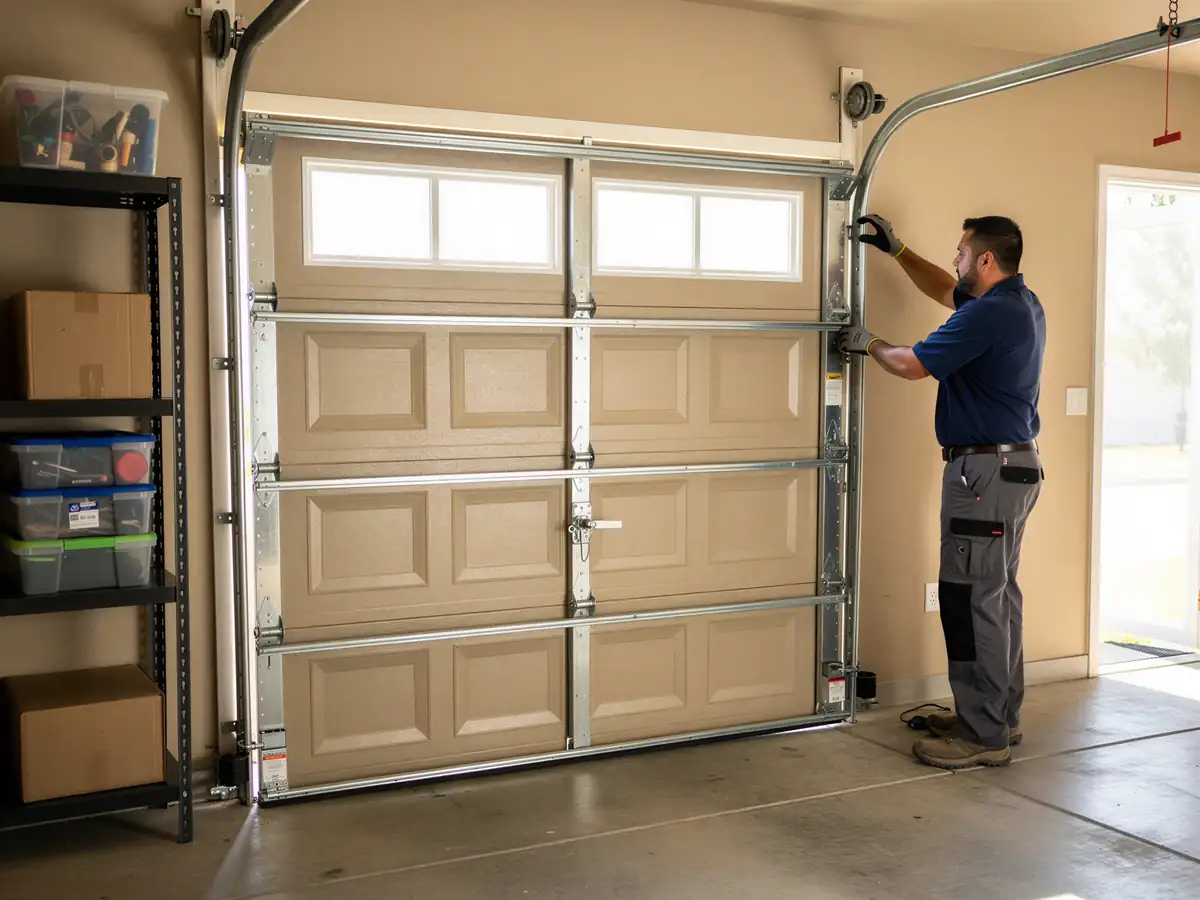
A full door swap isn't a weekend job, and the reason isn't the door panel itself. It's the track alignment, the spring sizing for the new door's weight, and getting the opener's travel limits set so the door doesn't reverse on itself or slam the floor. Most Powder Springs houses we'd be working on went up around 1995, which puts them in that stretch of construction where steel sectional doors on extension or early torsion setups were standard builder-grade equipment. Those doors were built to a weight and size spec that newer insulated doors don't match, so swapping one for the other isn't a bolt-in job.
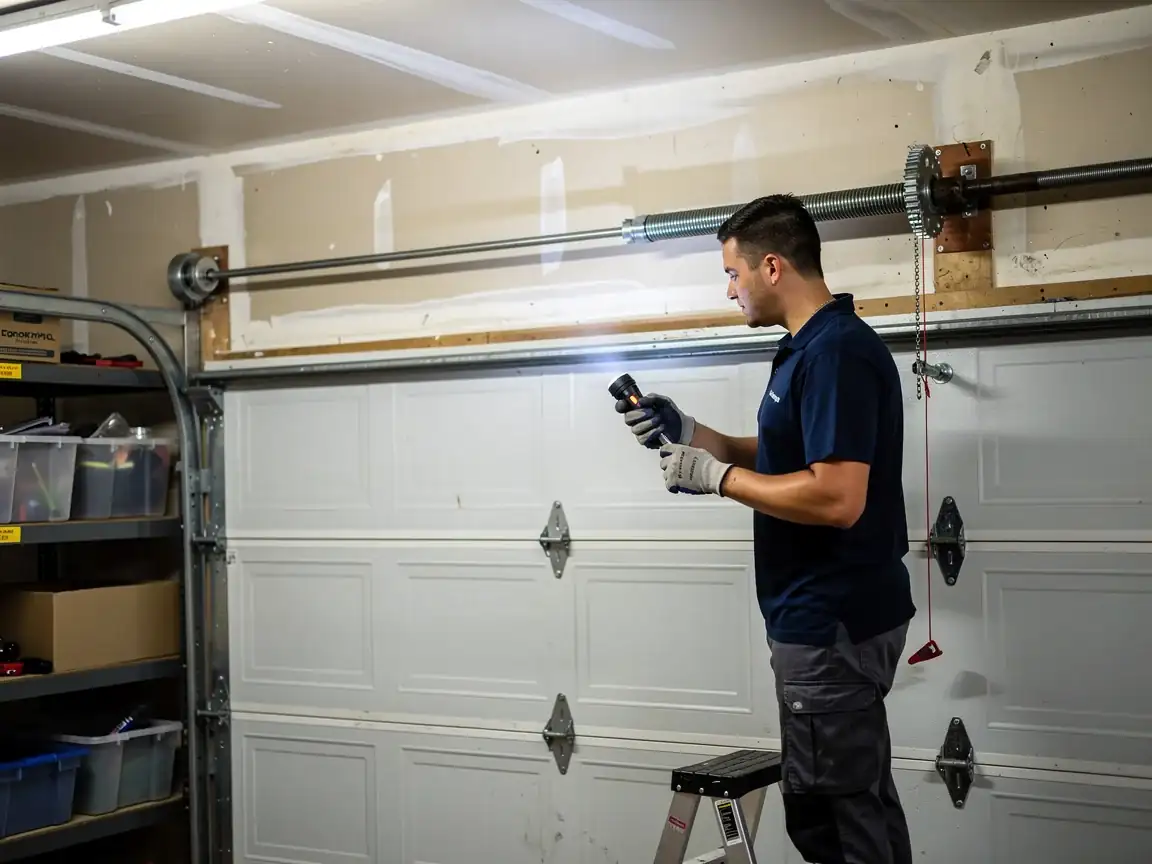
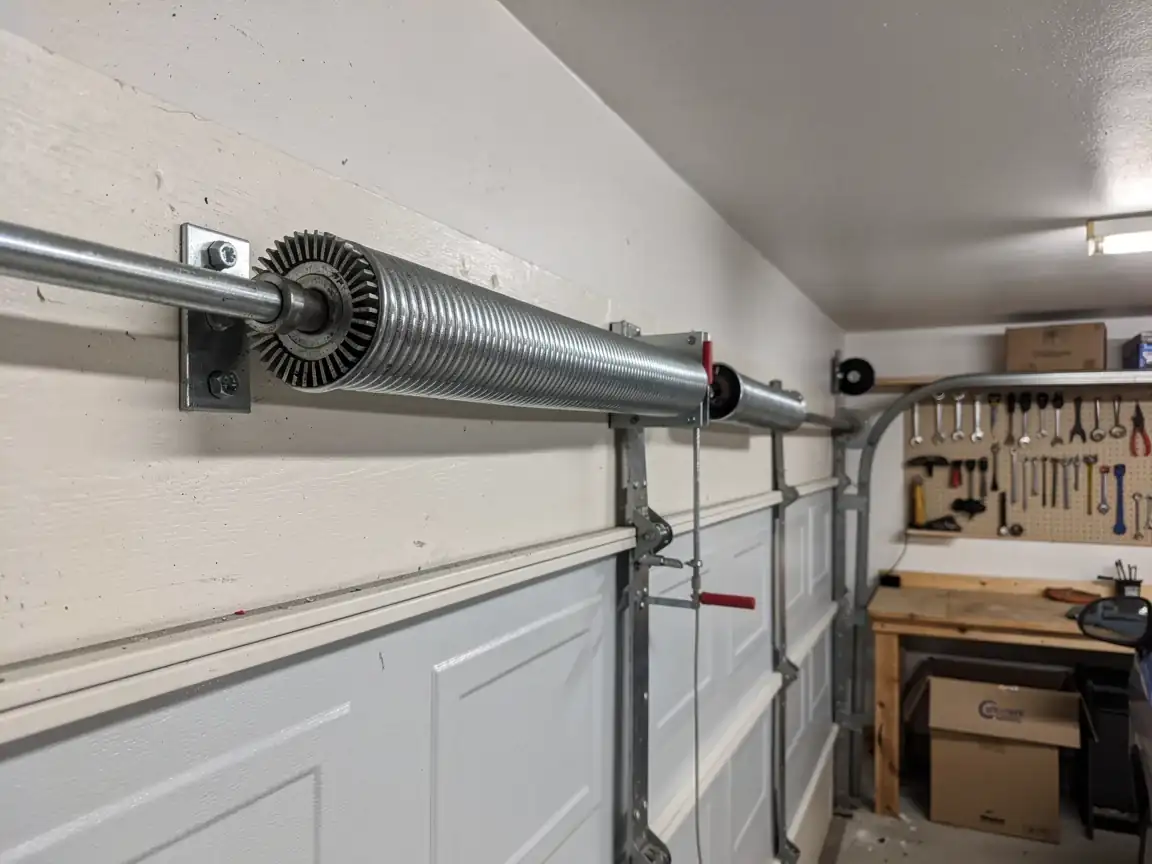
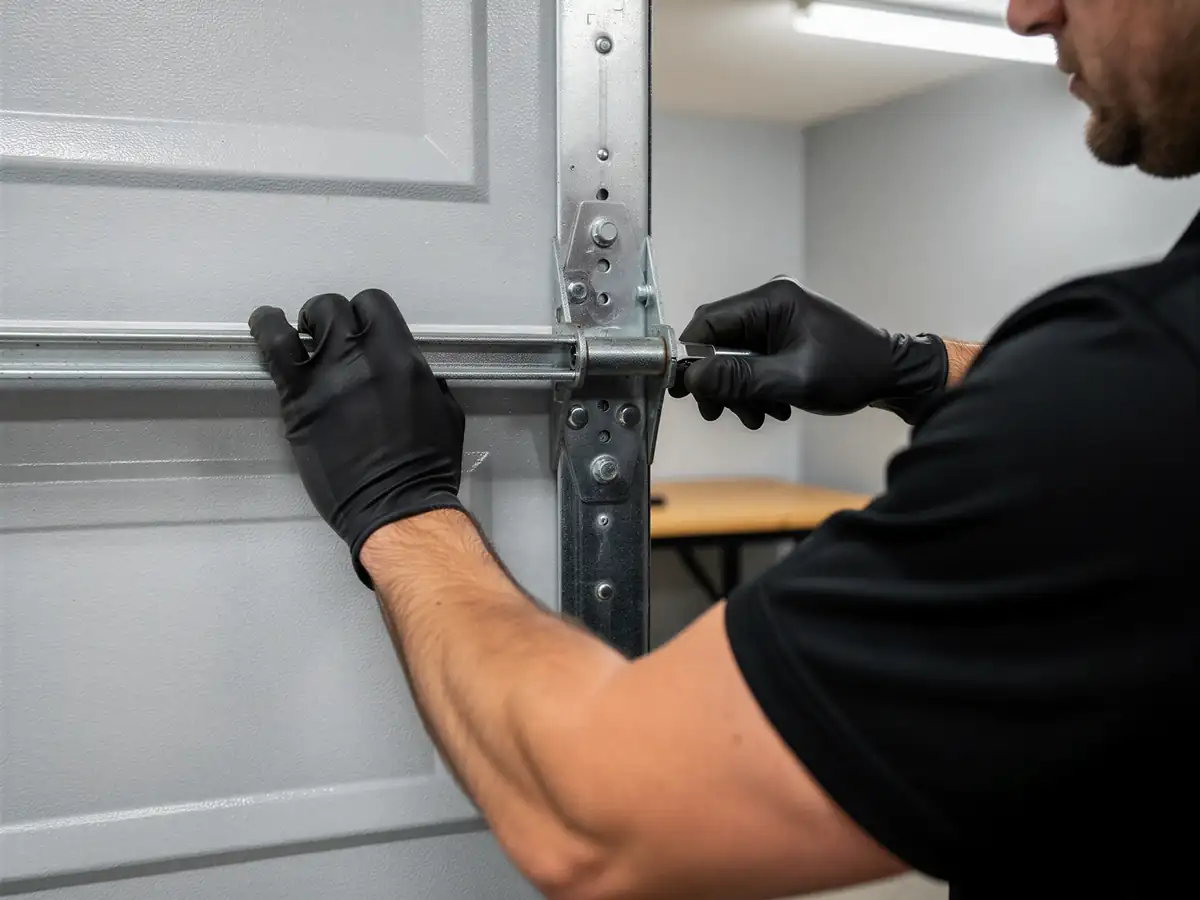
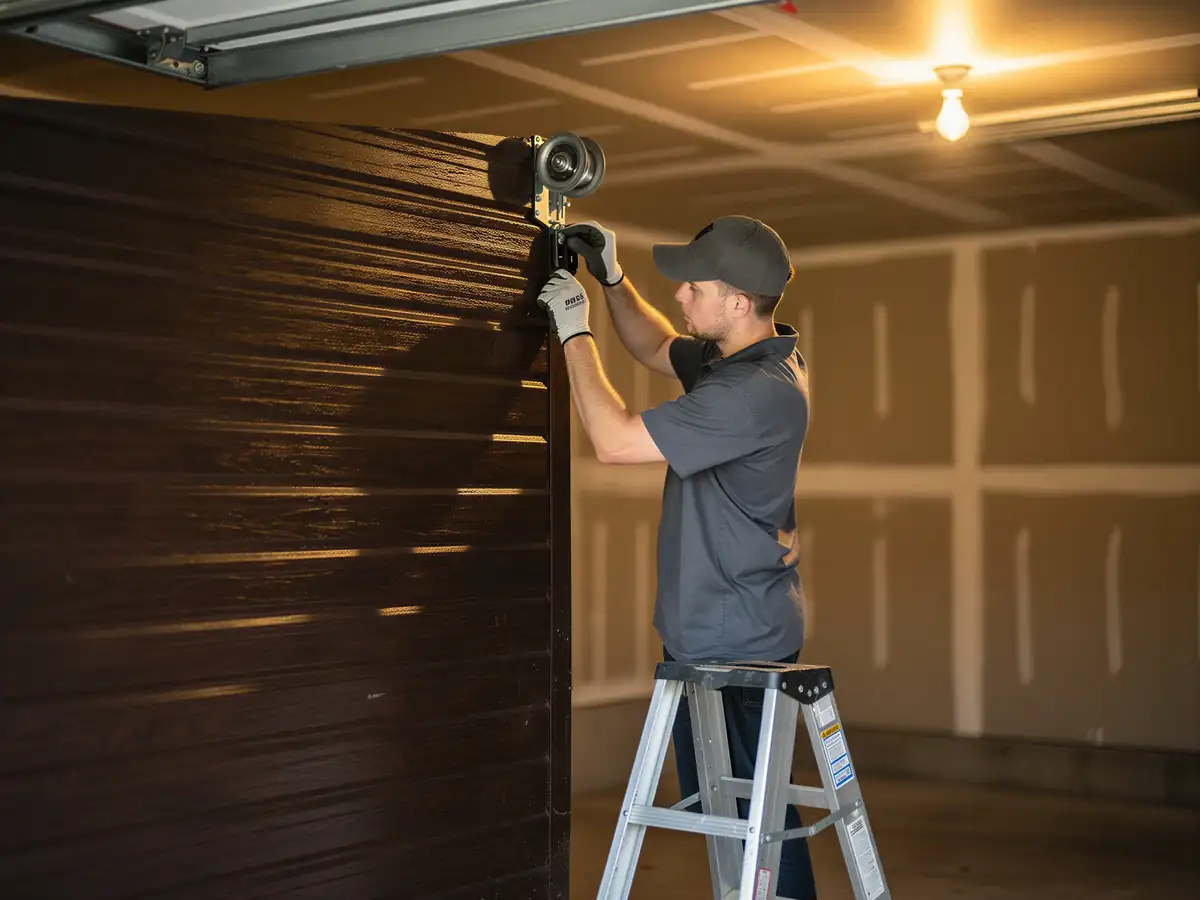
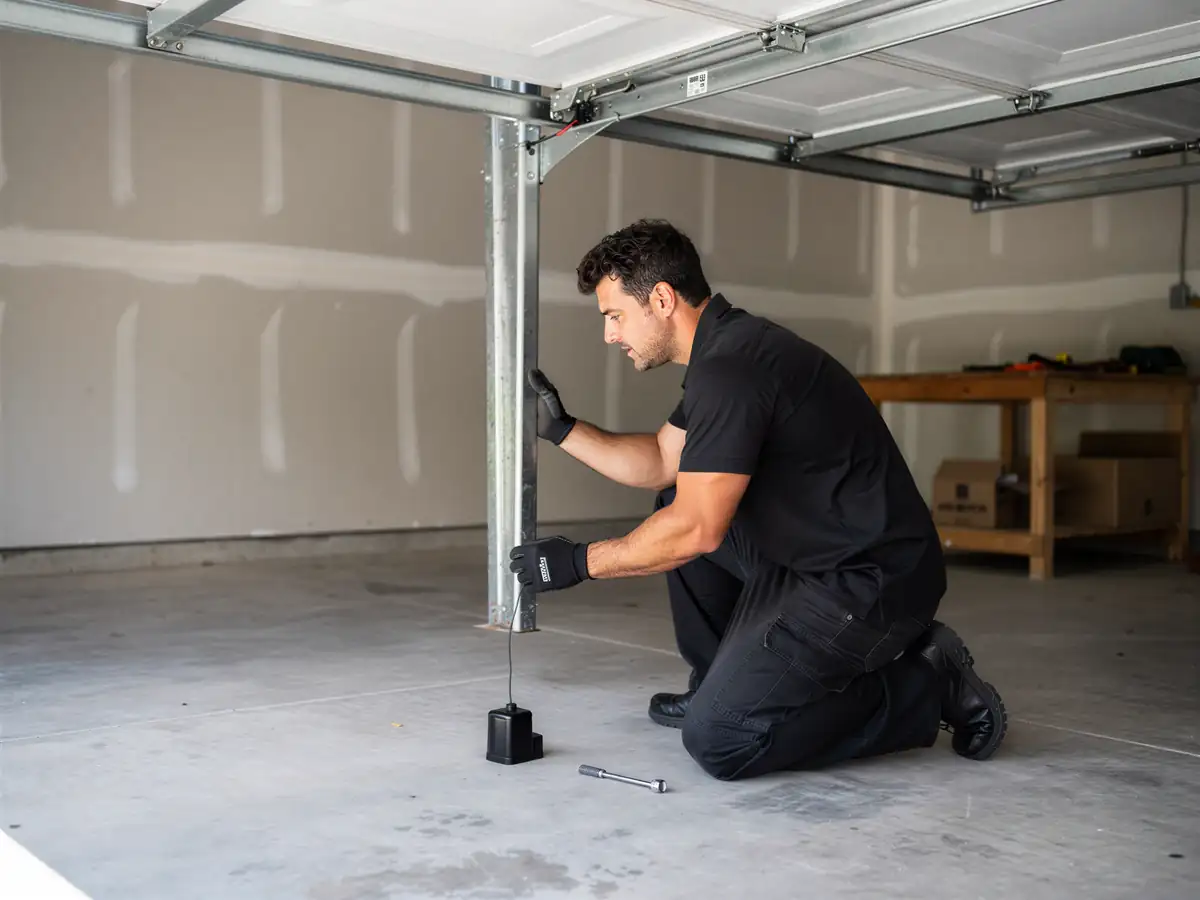
If you've got the tools and you've done this before, replacing a single panel or a roller is reasonable DIY work. A full new installation - door, track, springs sized correctly, opener integration - is where we see the most callbacks from homeowners who tried it solo. The spring tension alone can put someone in the ER if the winding bar slips. We'd rather tell you that upfront than sell you a job you didn't need us for.
Why This Fails Locally
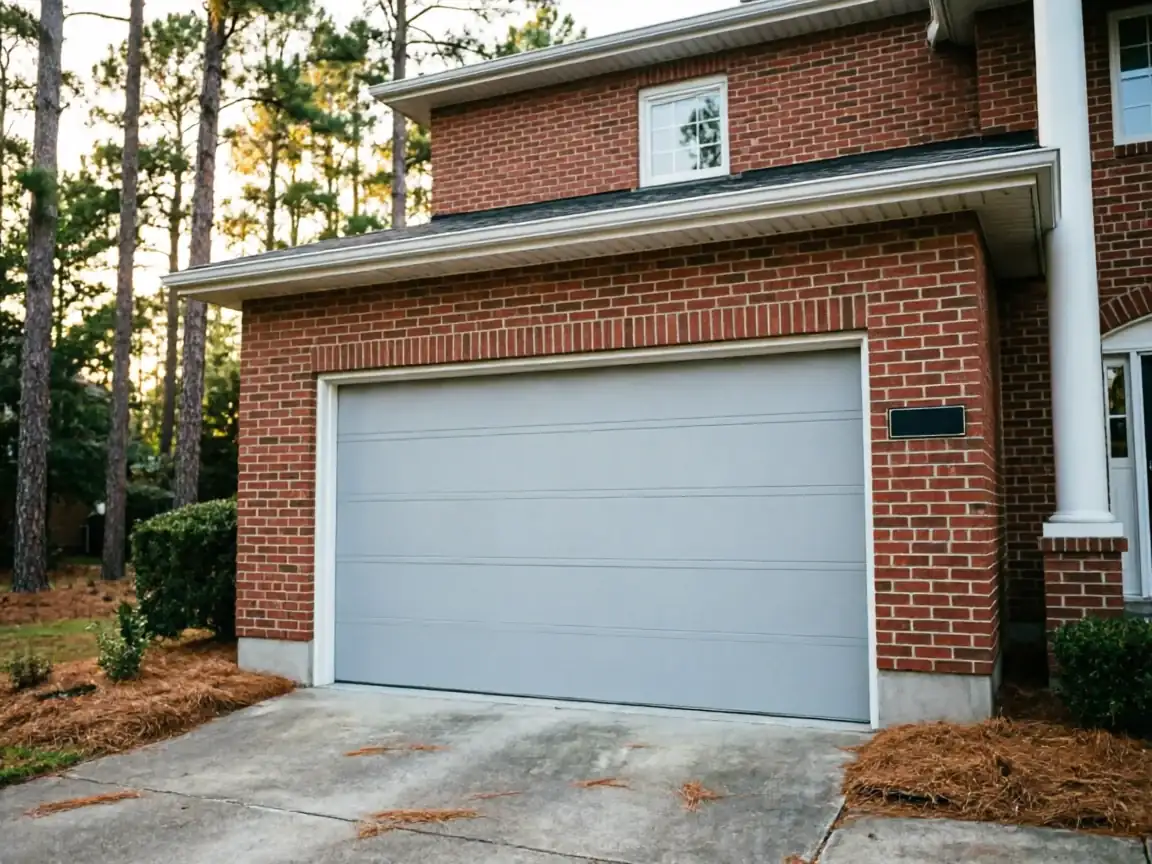
Houses built in the mid-1990s in this part of the service area generally came with non-insulated steel doors and openers rated for lighter panels
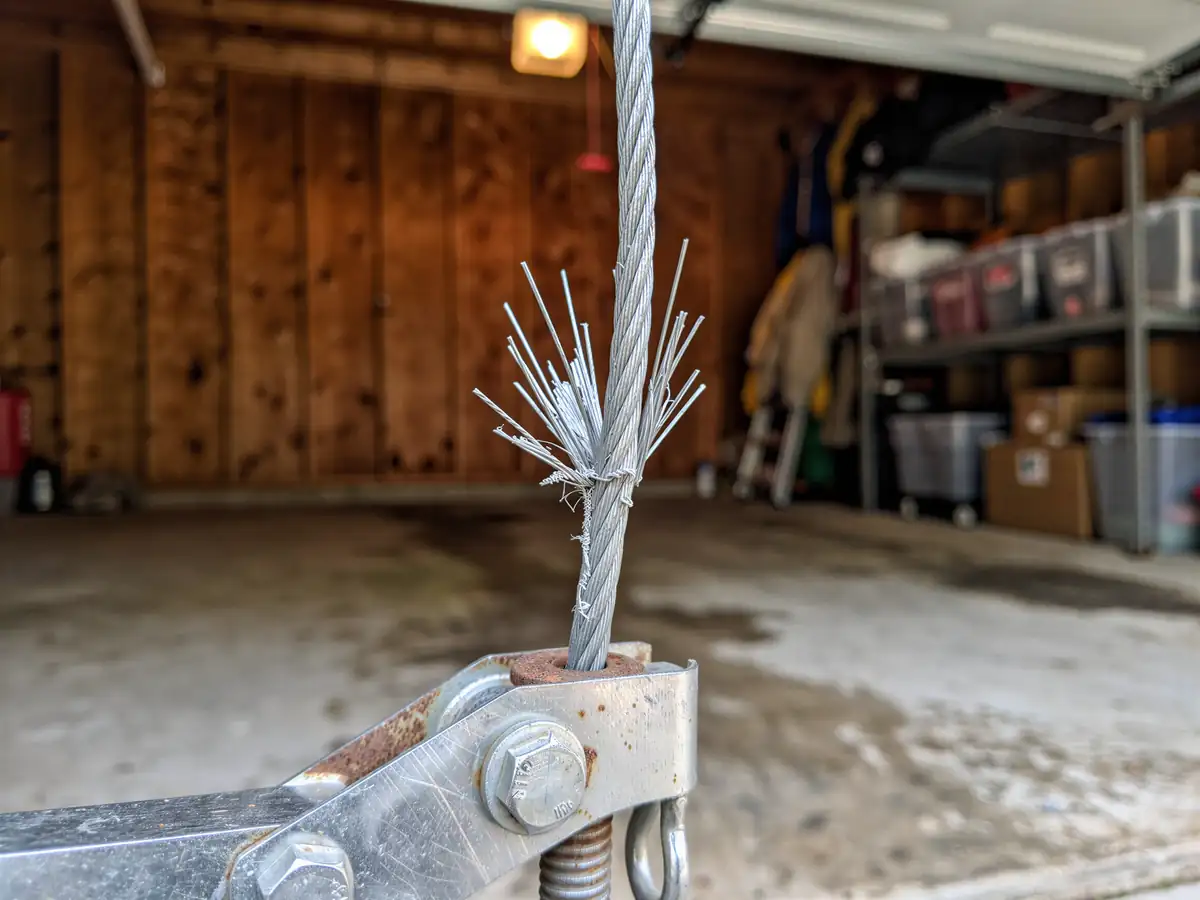
Twenty-plus years on, the springs in those systems are past their rated cycle count even if they haven't snapped yet, and the track is often bowed from years of a slightly undersized opener forcing a door that's started to bind. When you put a new, heavier insulated door on that old track and那 those old springs, the opener burns out trying to compensate - we see this pattern often enough that it's not a coincidence.
The area sits in a cold-moderate climate band
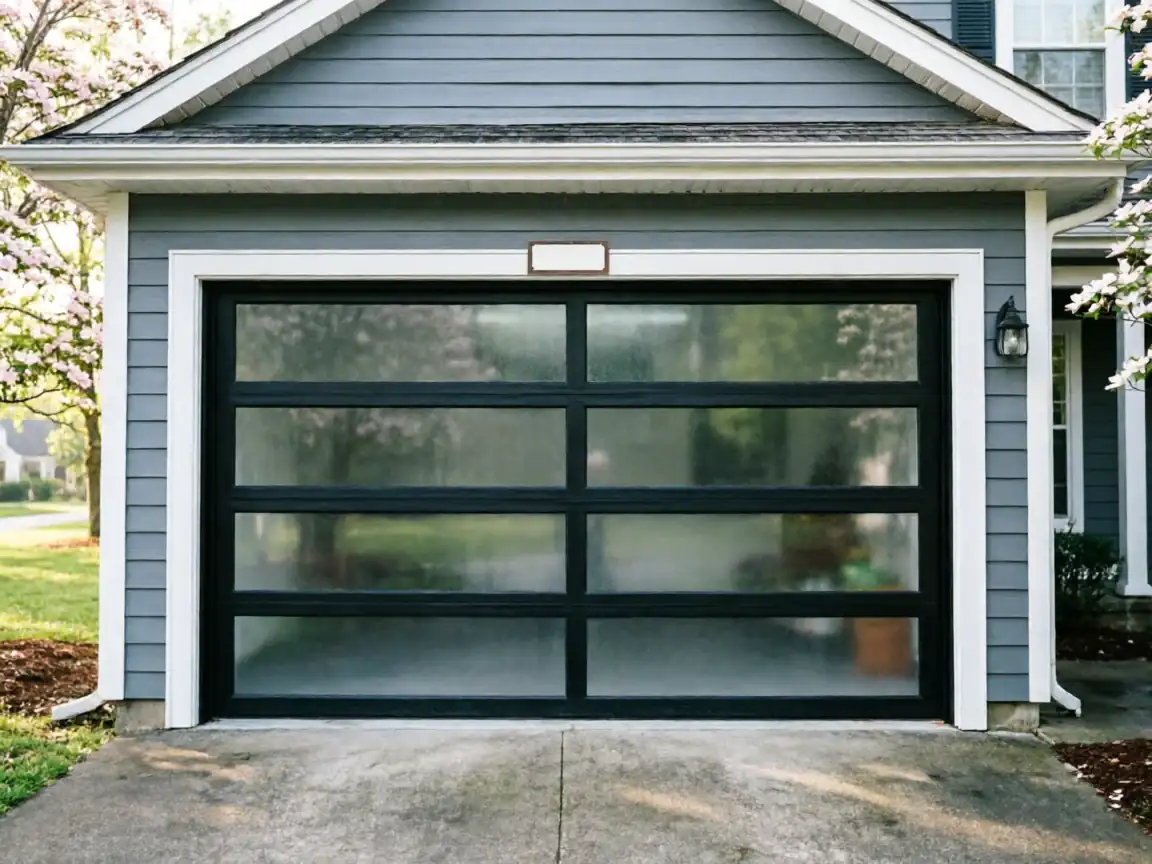
Which means insulated doors aren't a luxury upgrade here so much as a way to stop the garage from being the coldest, draftiest room attached to the house. A straight panel swap without upgrading the spring and track to match the new door's weight is the single most common reason a 'new door' installation fails within the first year.
Parts We Carry
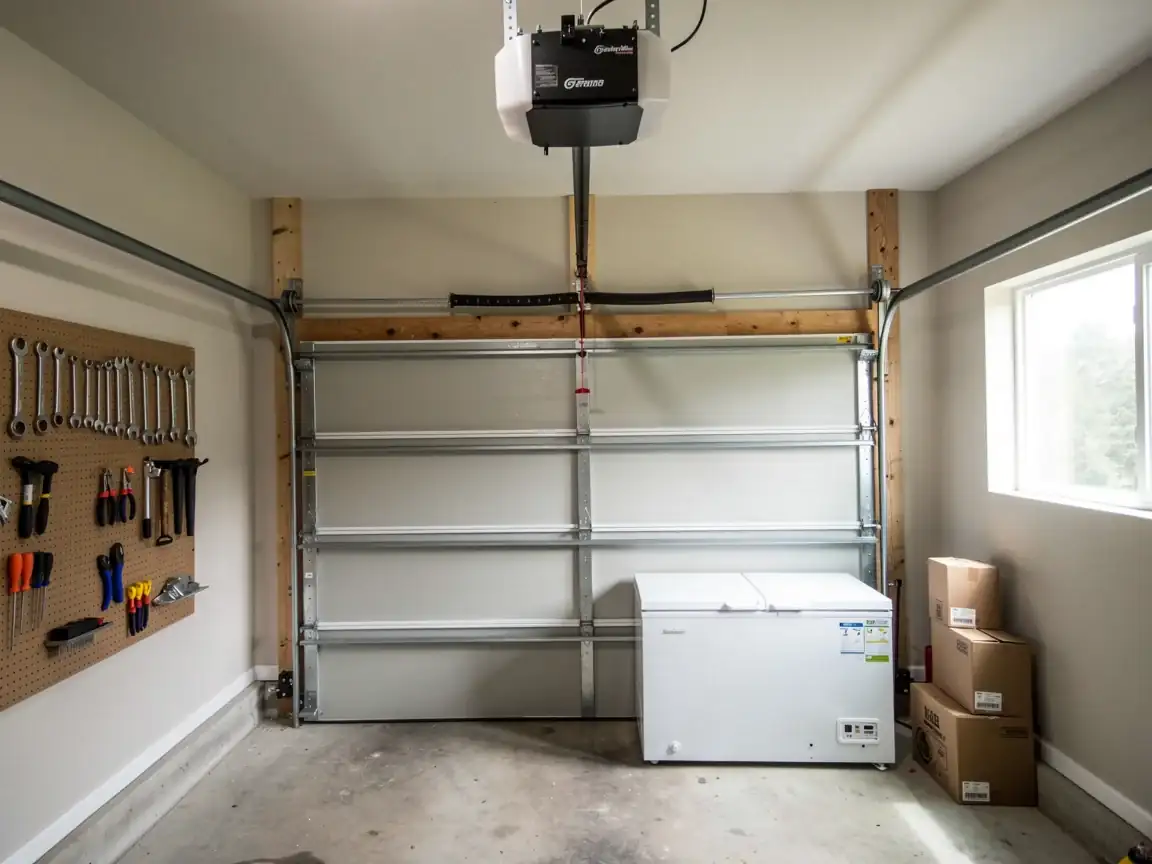
We stock torsion springs sized for both standard steel sectional doors and the heavier insulated panels, since most jobs out this way involve replacing a lighter original door with a heavier one. We carry matching track sections, rollers rated for the added weight, and openers with the lift capacity to handle an insulated door without straining. What we don't keep on hand is custom or oversized doors outside standard residential sizing - those are special order, and we'll tell you the lead time before you commit to anything, not after.
Given that most of the housing stock in the broader service area dates from the 1980s and 90s, we've built our stock around that era's door dimensions and hardware specs rather than guessing at what might be needed. If your house falls outside that range, we still carry the parts to match it - we just confirm sizing on-site before ordering anything, since guessing on a door order wastes everyone's time.
Getting It Booked In
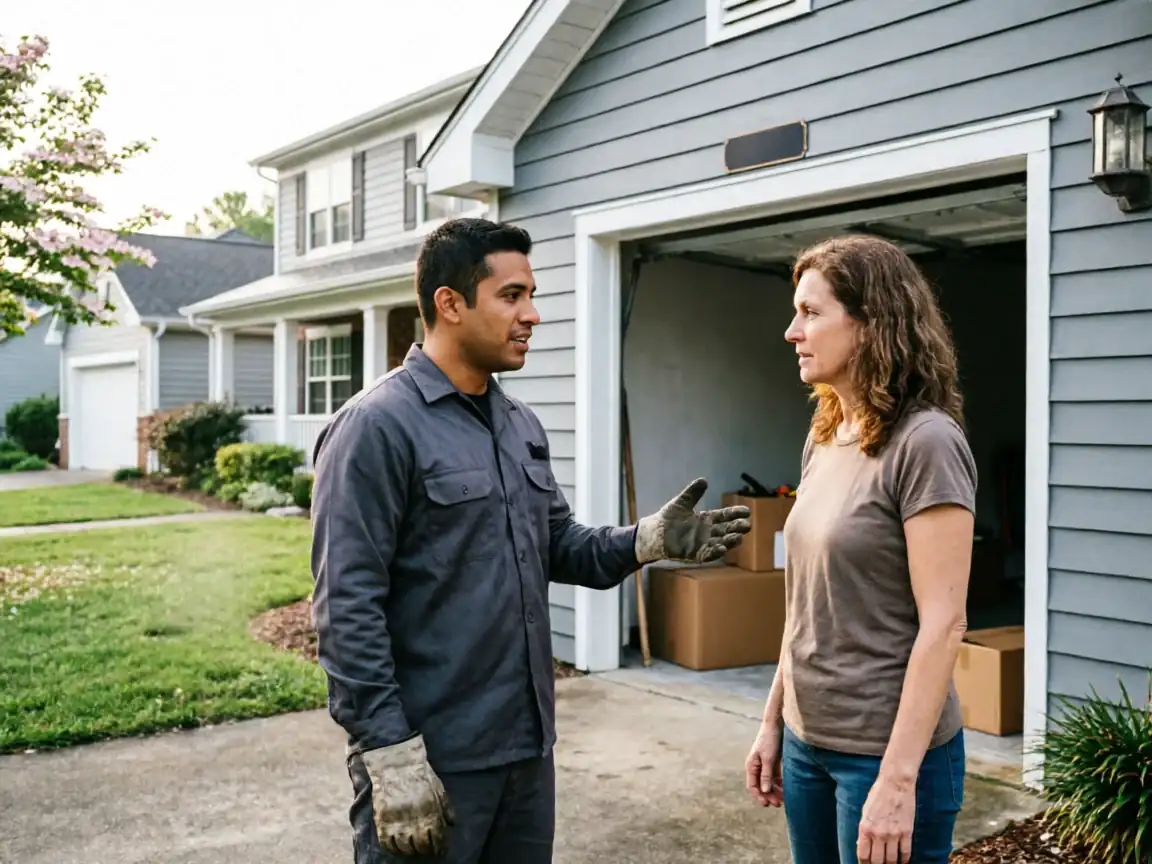
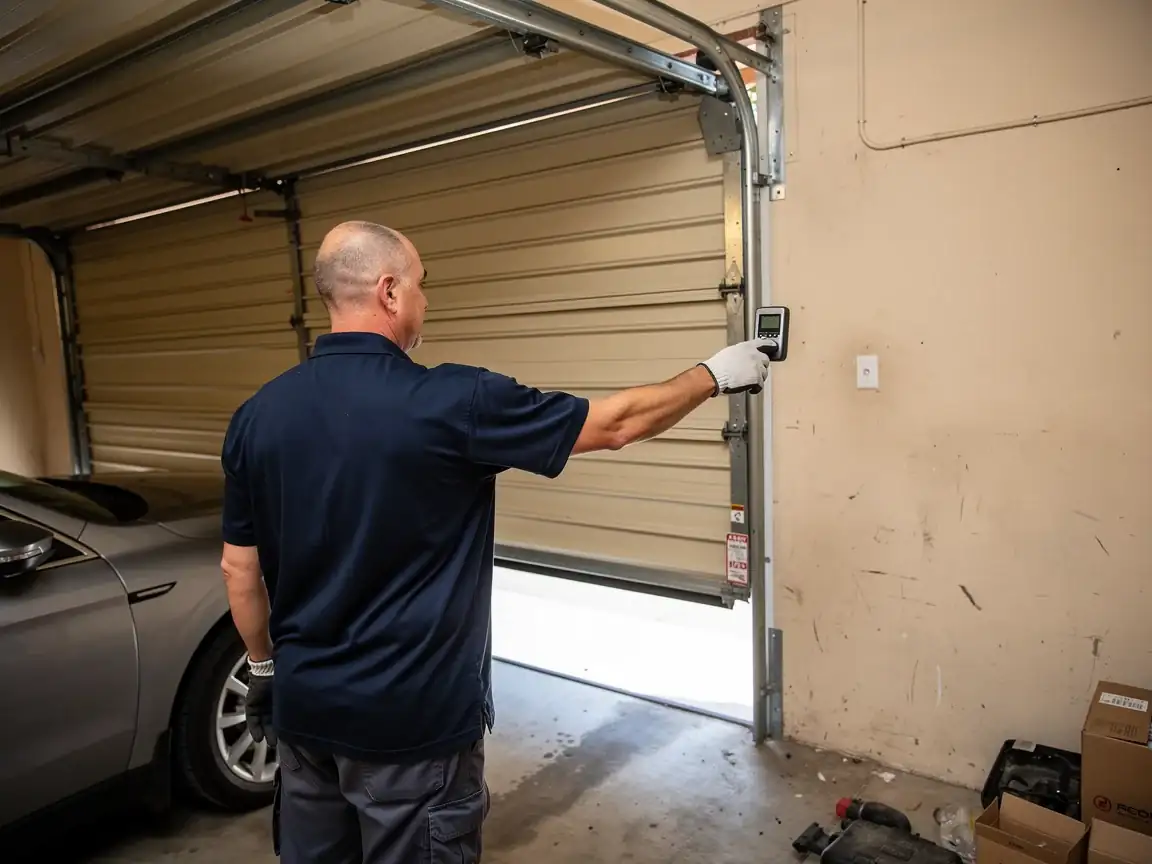
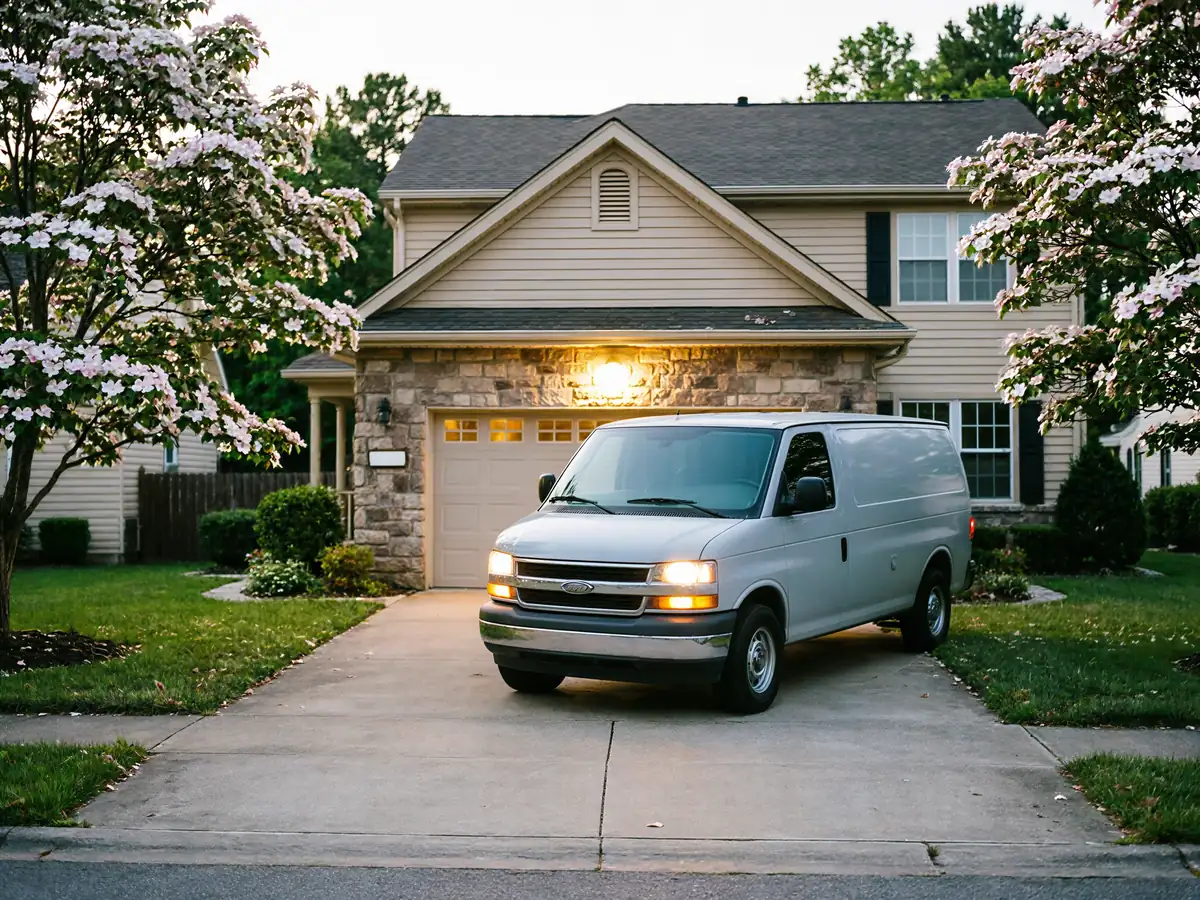
We run this job out of our Woodstock shop, and Powder Springs sits about 19 miles out, so we schedule the visit rather than drop by same-day. That's not a knock on the work - it just means booking ahead gets you a firmer time window than calling and hoping we're nearby. On the visit, we measure the opening, check the header for structural fit, and confirm whether your existing track and opener can carry a new door or need replacing alongside it.
We'll give you a straight answer on whether your current setup is salvageable or whether a full new installation - door, track, springs, opener - makes more sense. Sometimes a 1995-era door with a tired opener just needs the opener replaced and the door is fine for a few more years. We'd rather tell you that than sell you a job you don't need yet.