What the Repair Takes
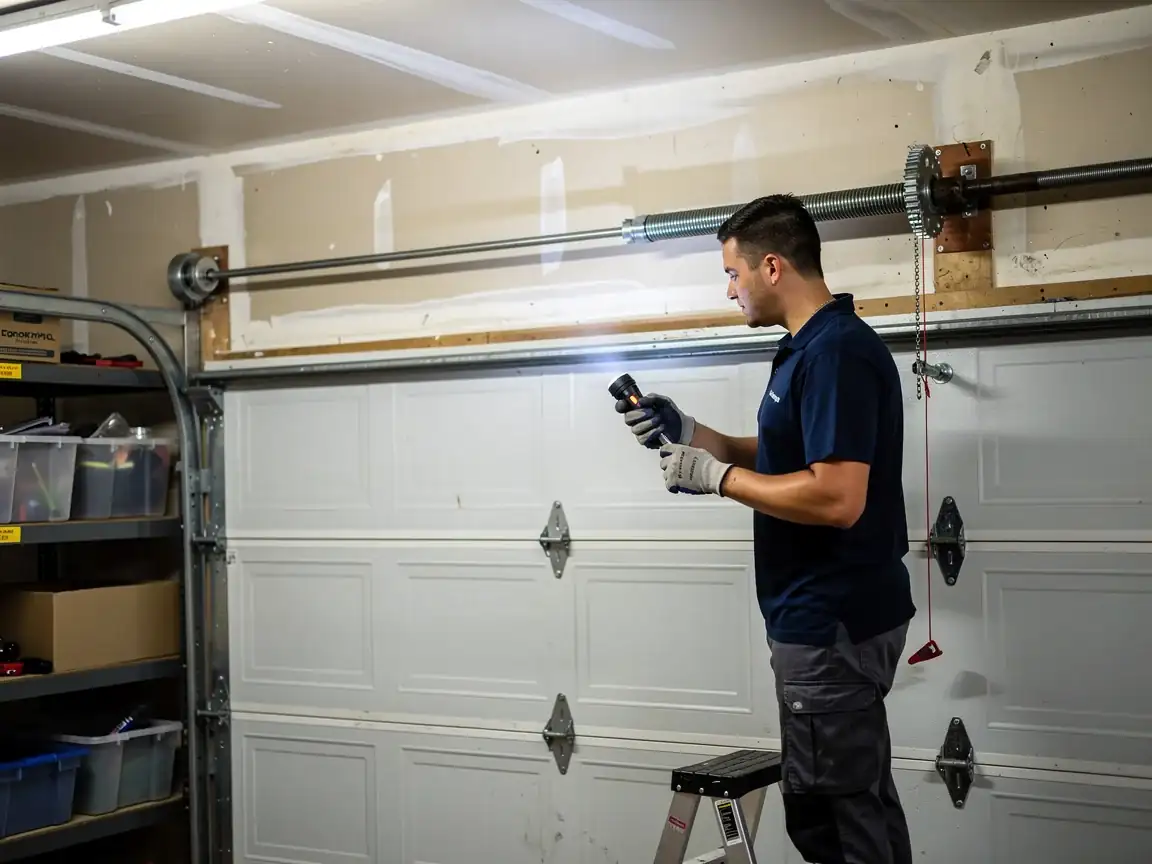
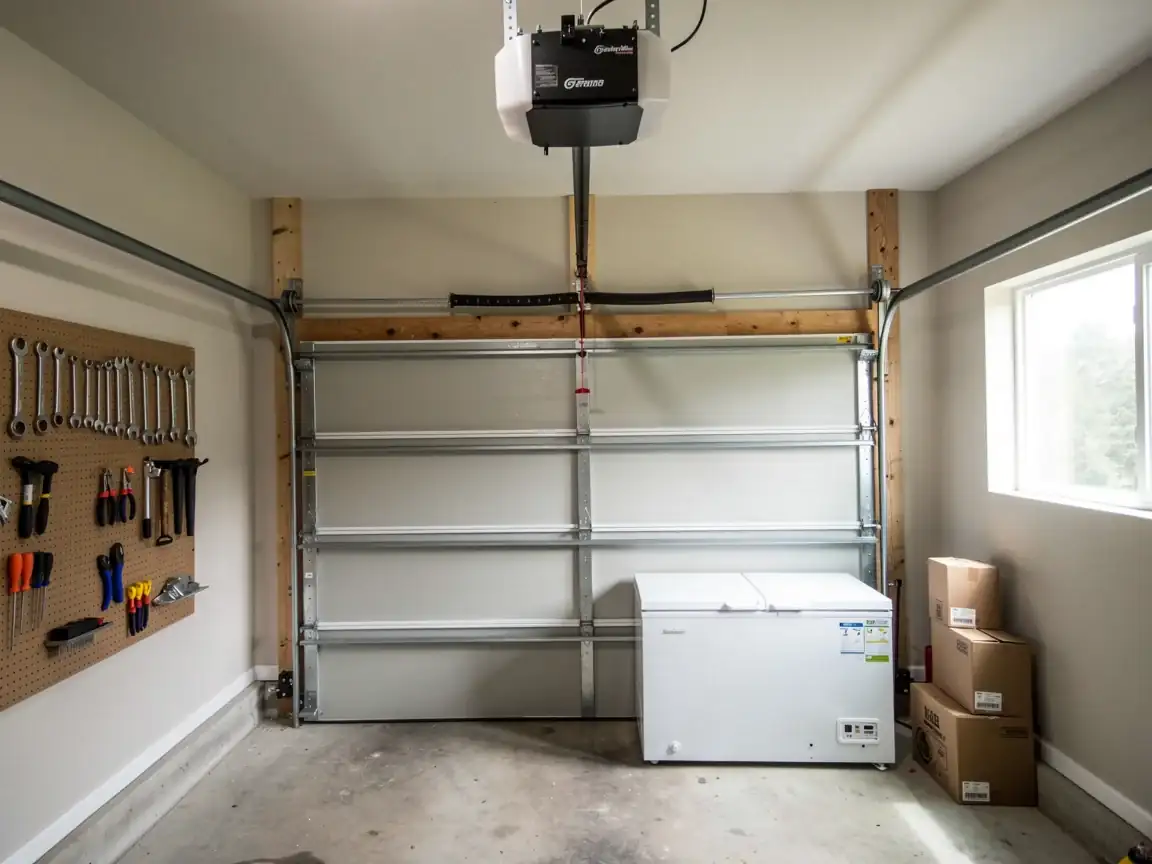
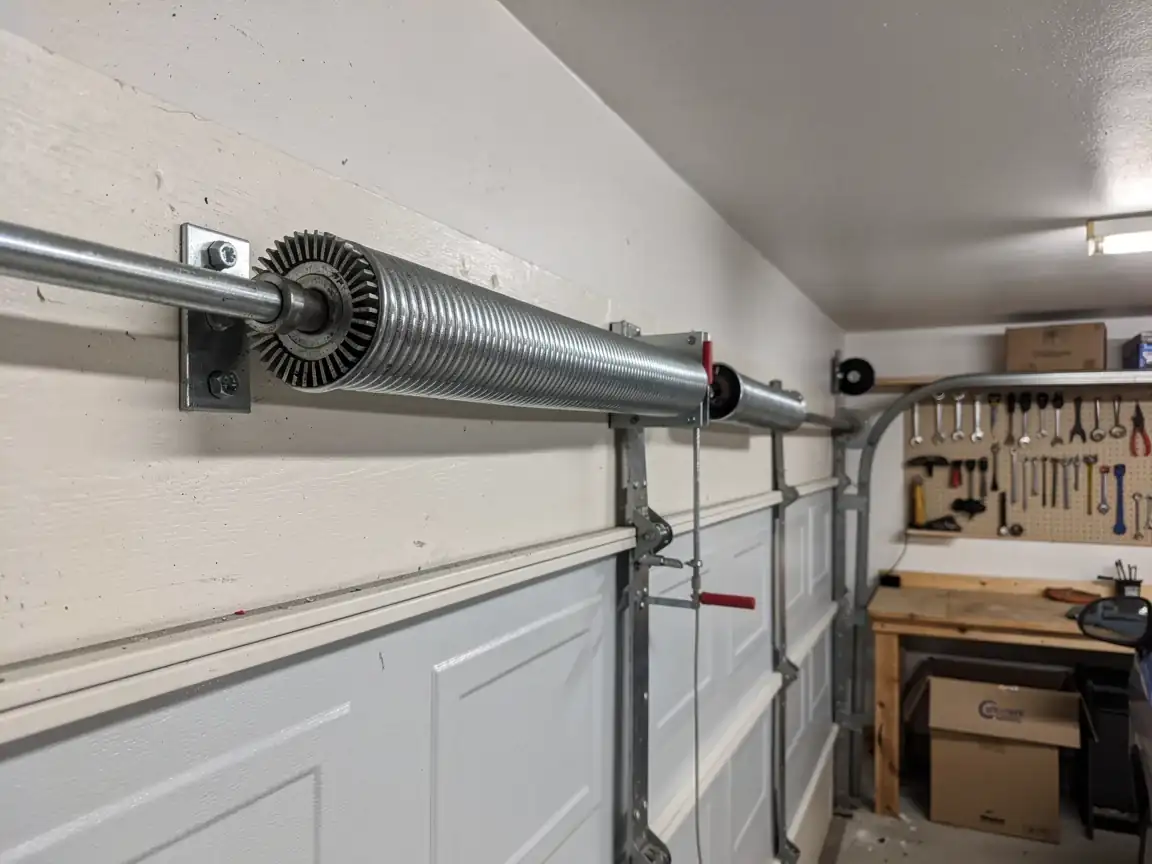
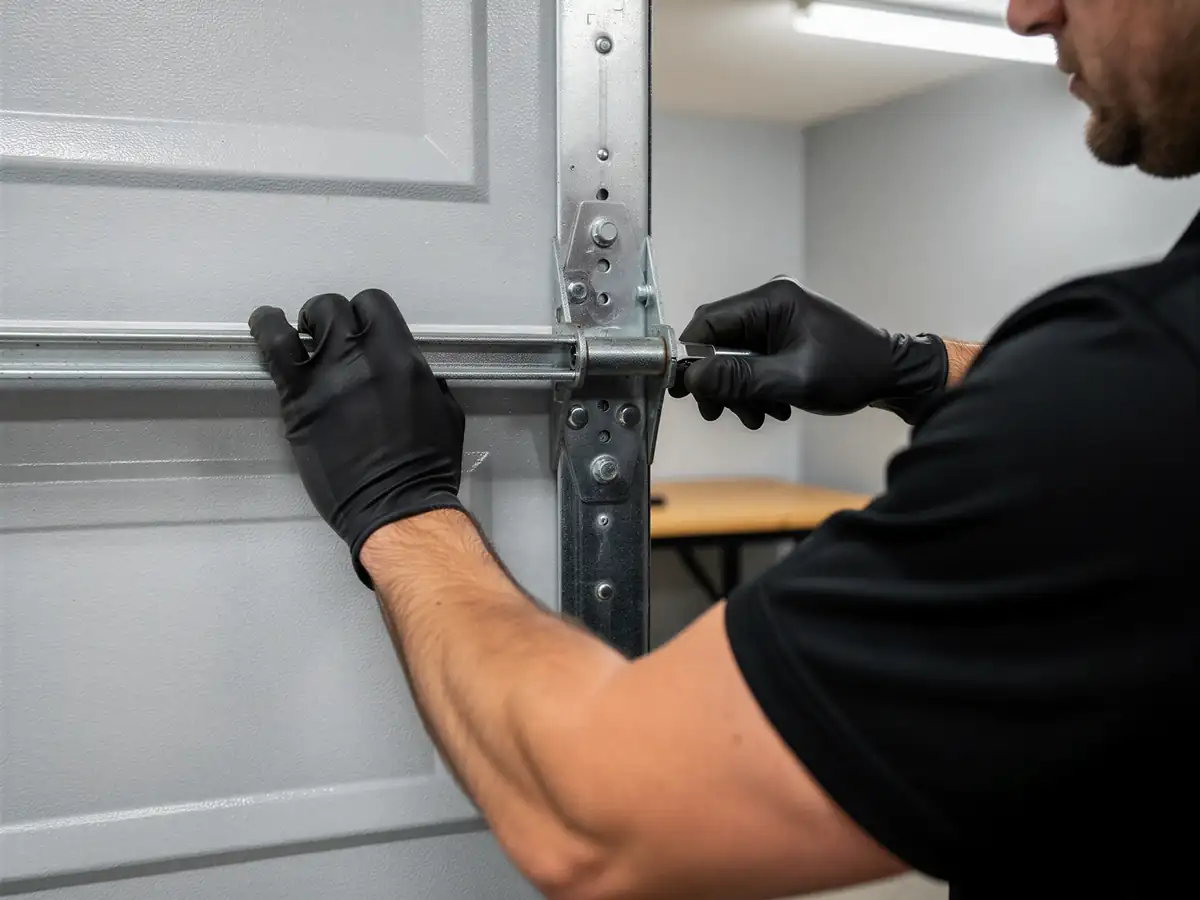
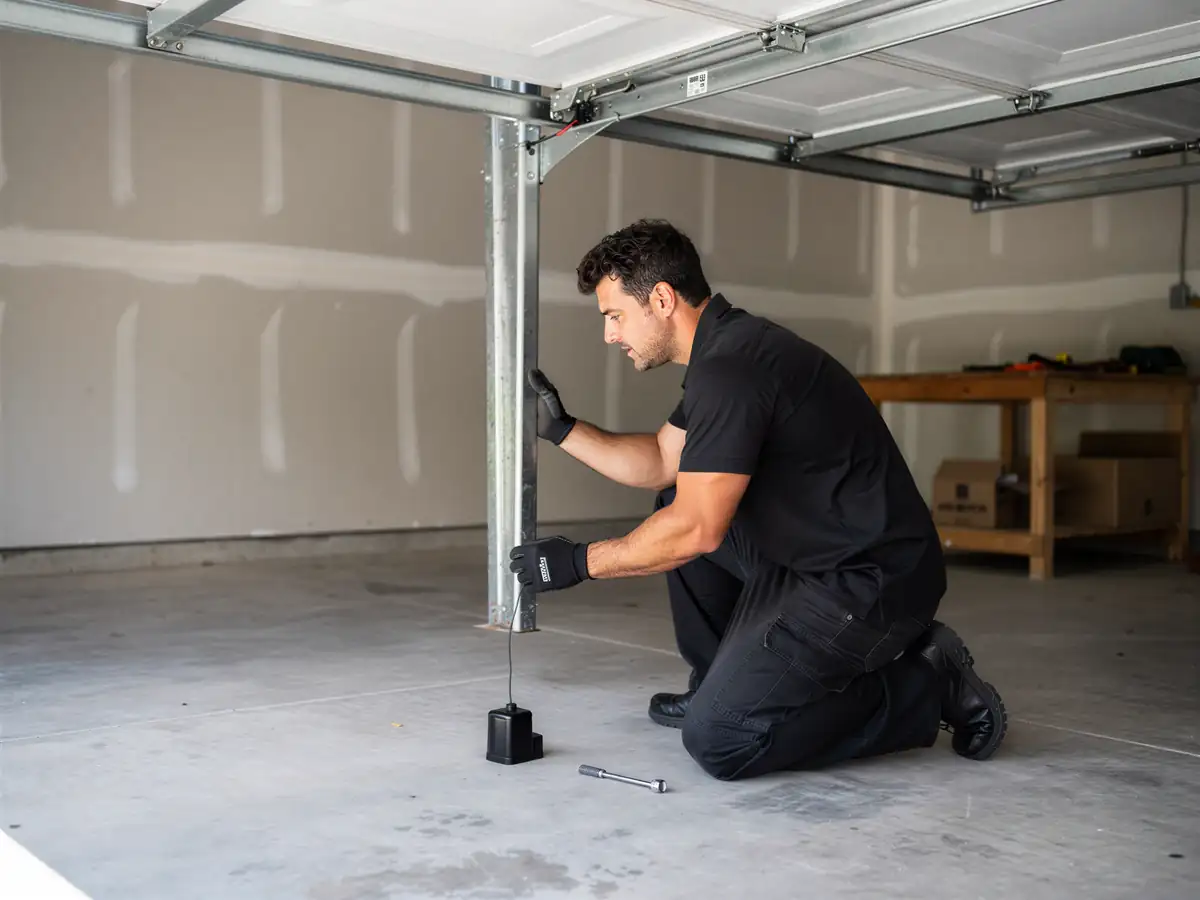
The call we get most from Mountain Park is a door that won't lift, or lifts crooked and bangs on one side. Nine times out of ten that's a torsion spring that's given out, and on a house this age, it's often the original one.
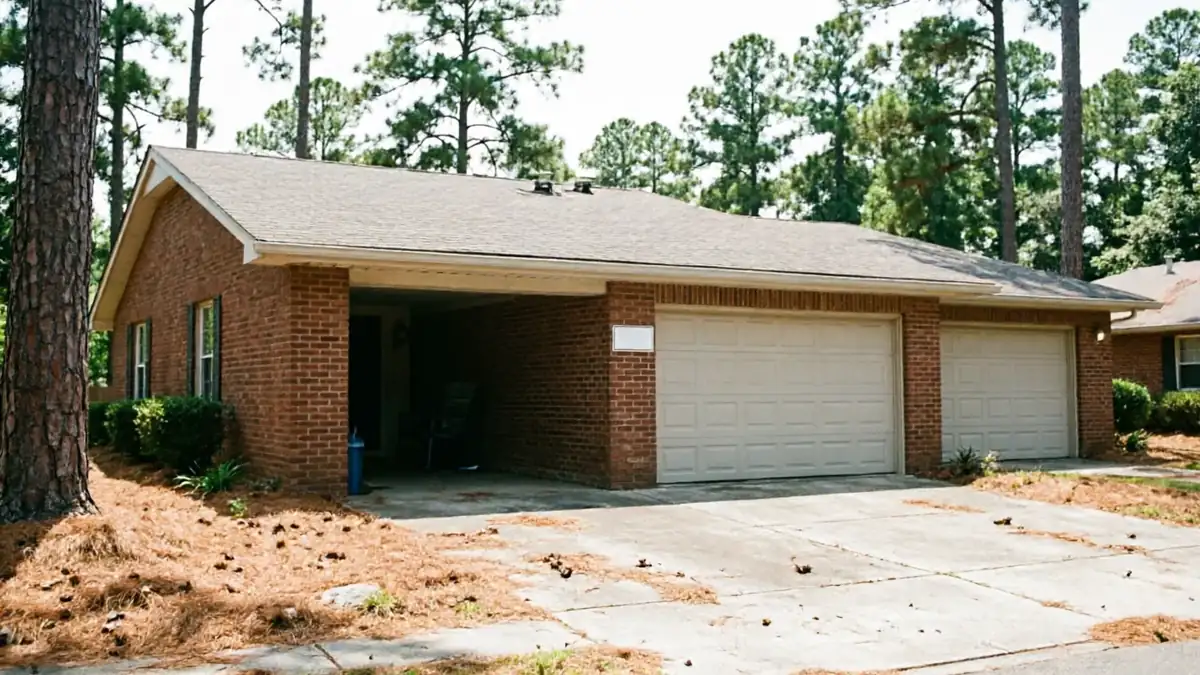
Mountain Park's housing stock centers on 1984, which puts a lot of these doors well past the point where a spring should still be trusted. A torsion spring is rated for a number of cycles, and after four decades of daily use, metal fatigue does what it does regardless of how clean the garage looks. Add in our winters, which sit in the cold moderate band for this region, and the cold snaps are usually when a tired spring finally lets go - the metal contracts, the tension spikes, and something that was barely holding on stops holding on.
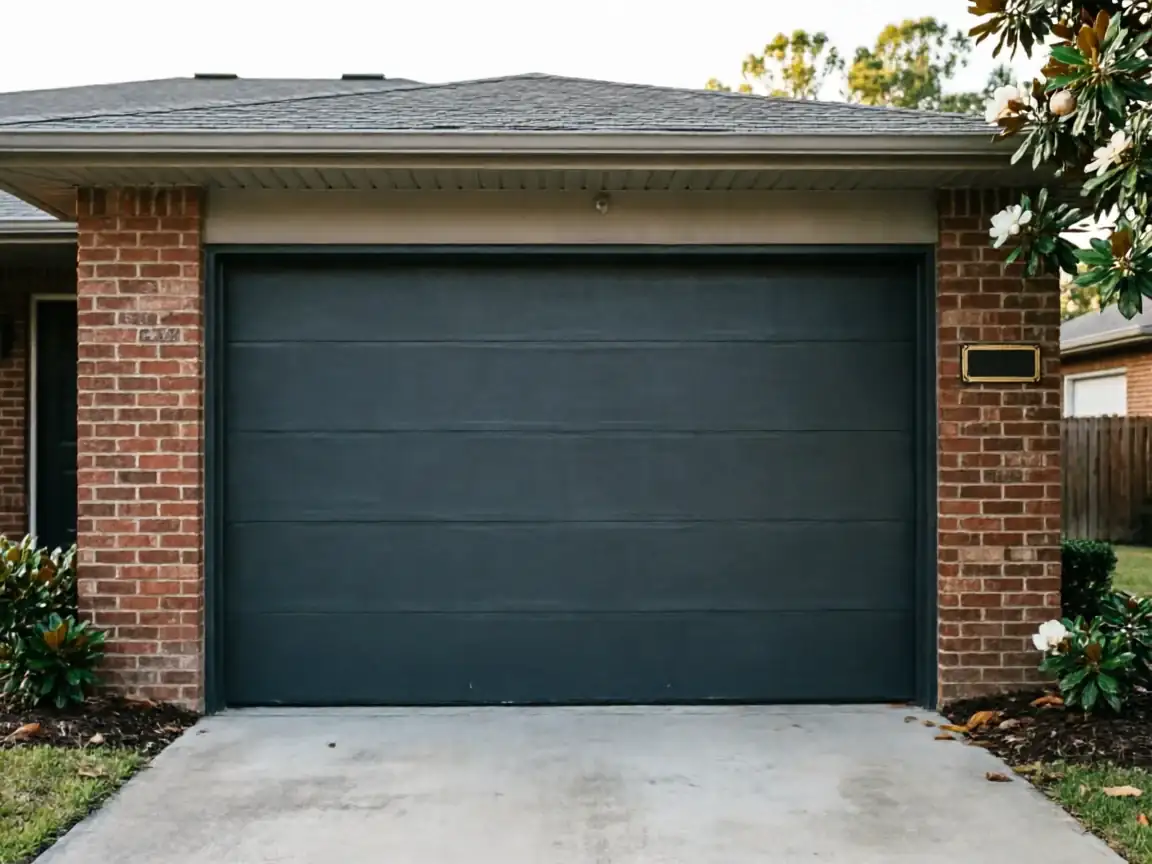
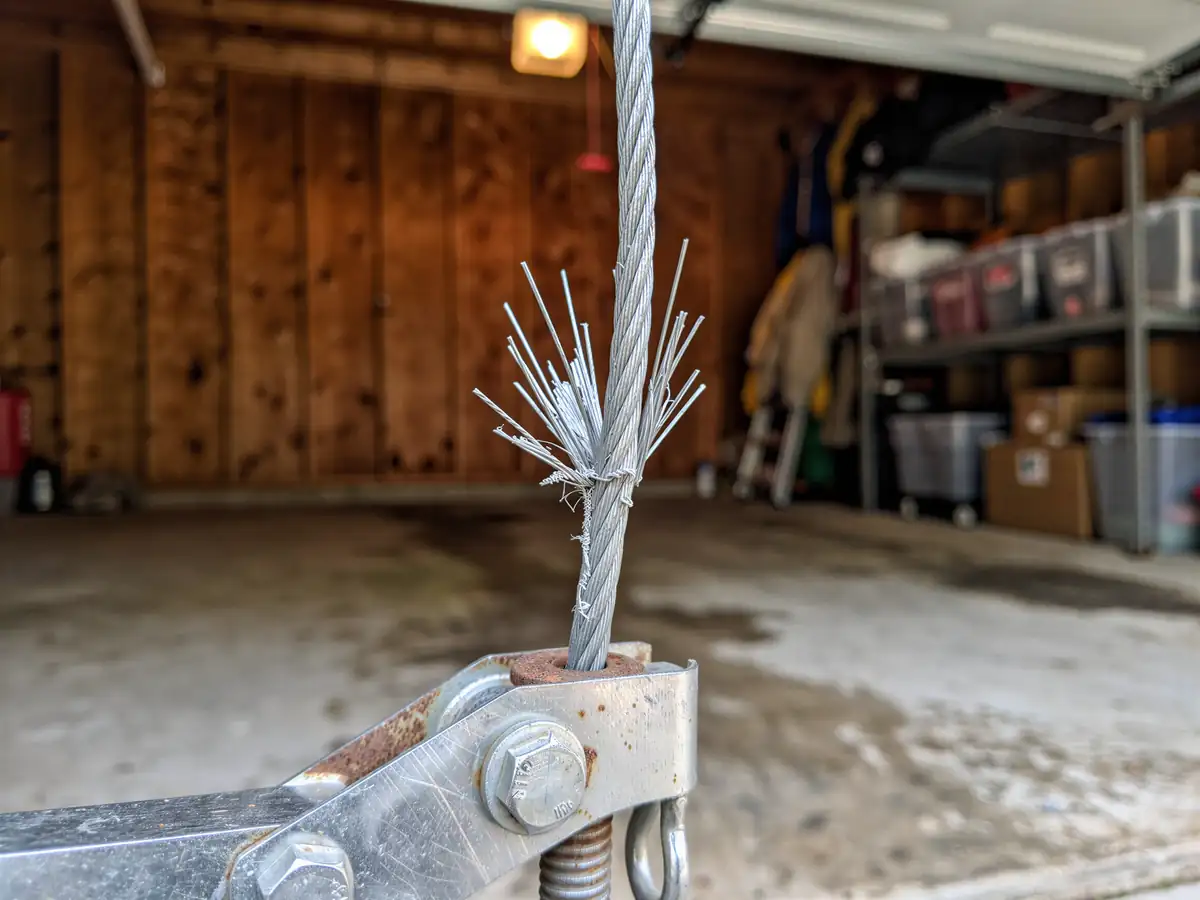
We also see cable fraying on the same era of door, and on steel doors from that period, rust starting at the bottom panel where water sits. None of this is unusual for a house built around 1984. It's just due.
What we don't do is replace a door that only needs a spring. If the panels are sound and the track is straight, a spring and a tune-up gets you another decade out of it, not a new door you didn't need.
Parts We Carry
For a town built mostly in the 1980s and 90s
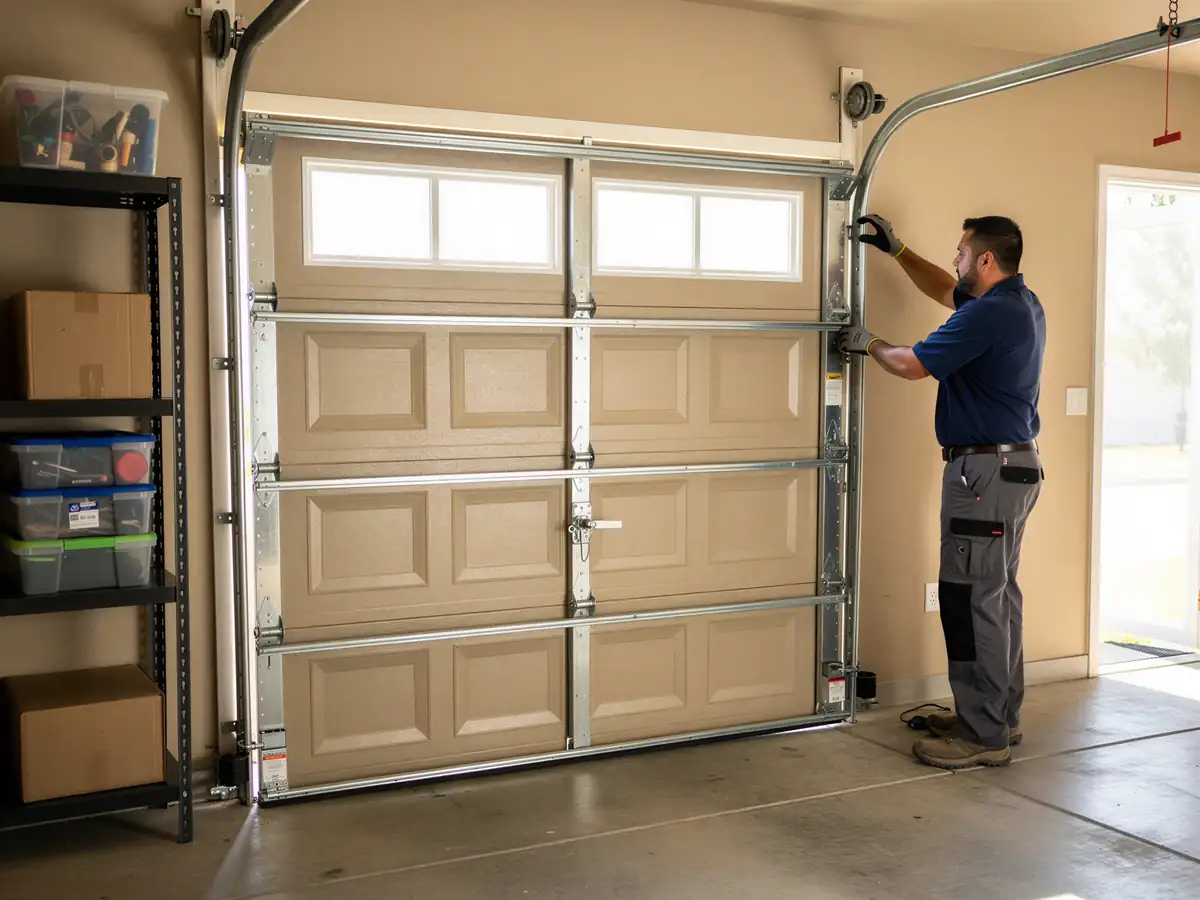
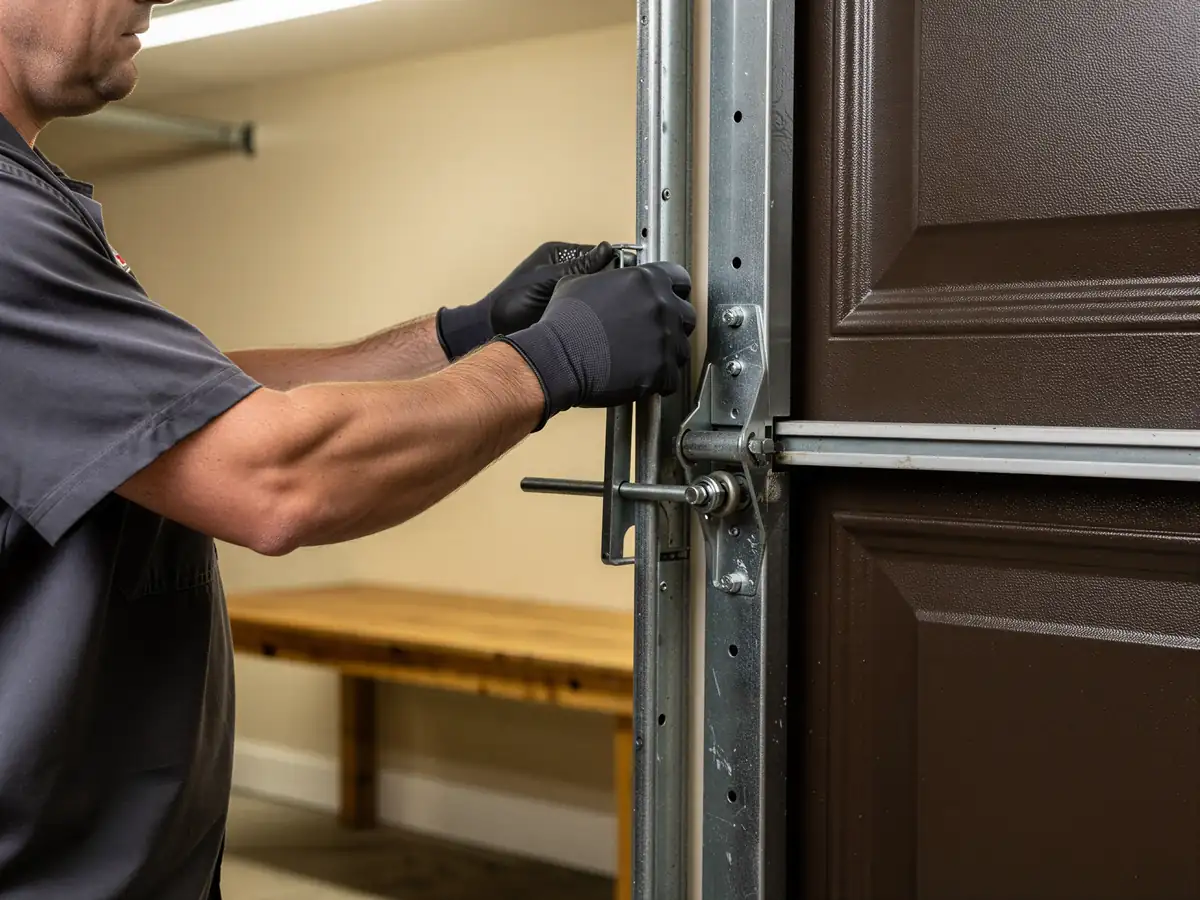
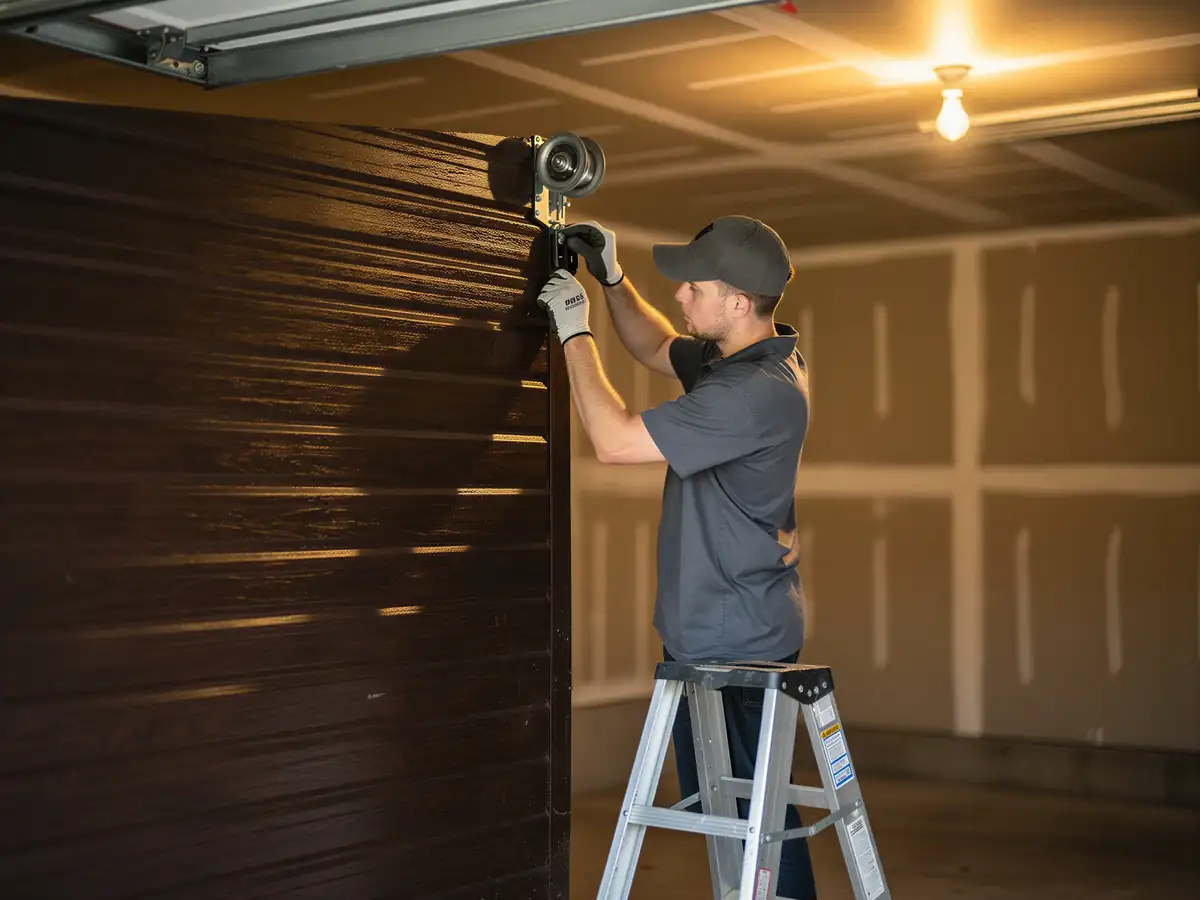
We carry torsion springs sized for the standard 7-foot and 8-foot residential doors that era used, along with the extension-spring hardware some of the older end-of-run houses still have. Rollers, cables, and hinges in the sizes that match that stock come out of the truck on most calls - we don't usually have to come back a second time for those.
Opener parts are a different story
If a house still has its original chain-drive opener from the 1980s, the logic board or the specific gear kit for that model isn't something we keep on the truck - those parts can take time to source, and sometimes the better move is a new opener rather than chasing a part for a 40-year-old unit. We'll tell you straight which way that math goes before we order anything.
We stock what fits the doors that are actually out there on this stretch
Not a generic parts bin, but torsion and extension hardware sized for the 1980s and 90s builds that make up most of what we see on these calls.
What You Pay
Mountain Park's household income runs higher than a lot of the area we cover - median around $135,000 - and we price the same whether a job is here or anywhere else we drive to. A spring swap costs what a spring swap costs; a bigger income bracket doesn't change the price of steel and labor.
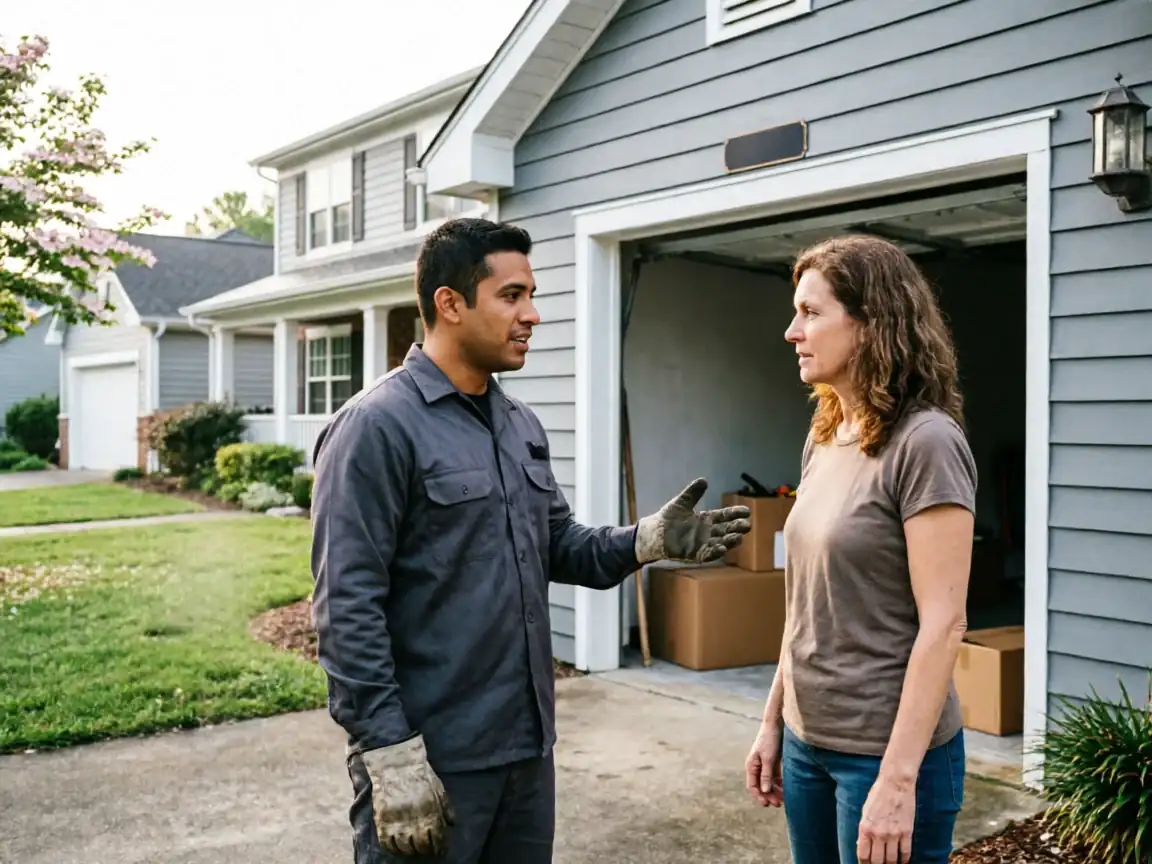
What does change the bill is what's actually wrong. A single broken torsion spring on a standard door is a straightforward job. A door that's also warped, or has a bent track from someone backing into it, costs more because it's more work, not because of the ZIP code. We walk the door with you before we quote anything, and we tell you if a repair isn't worth it compared to replacing the door outright - that happens more than people expect once a panel or the track is badly damaged.
We don't list a flat number here because every door's condition is different, but we'll give you a firm price on site before any work starts, not a guess that changes once we're elbow-deep in the spring.
Getting It Booked In
We run out of Woodstock, about 6 miles from Mountain Park, so we're not sitting in the neighborhood waiting - we're on the road when you call. That's a short drive by any measure, and it's one we make regularly for a service area this size, with roughly 356 households in Mountain Park alone and over 12,700 owner-occupied houses across the wider area we cover.
Call or book through the site, tell us what the door is doing - won't open, opens crooked, makes a bang, opener runs but nothing moves - and we'll get a truck headed your way. If you know the age of the house, mention it. On a street where most doors trace back to the same 1984 building wave, that one detail tells us a lot about what we're likely dealing with before we even pull in the driveway.