What the Repair Takes
Mountain Park's median household income runs about $135,000, well above the $91,308 median across the rest of our service area. That number matters more than it sounds like it should, because it's the number that decides whether a roller job stays a roller job or turns into something bigger. On a door where the rollers have worn grooves into the track, replacing just the rollers without checking the track and the bottom brackets is a half-measure, and at this income level most owners would rather pay for the full fix the first time than call us back in eight months.
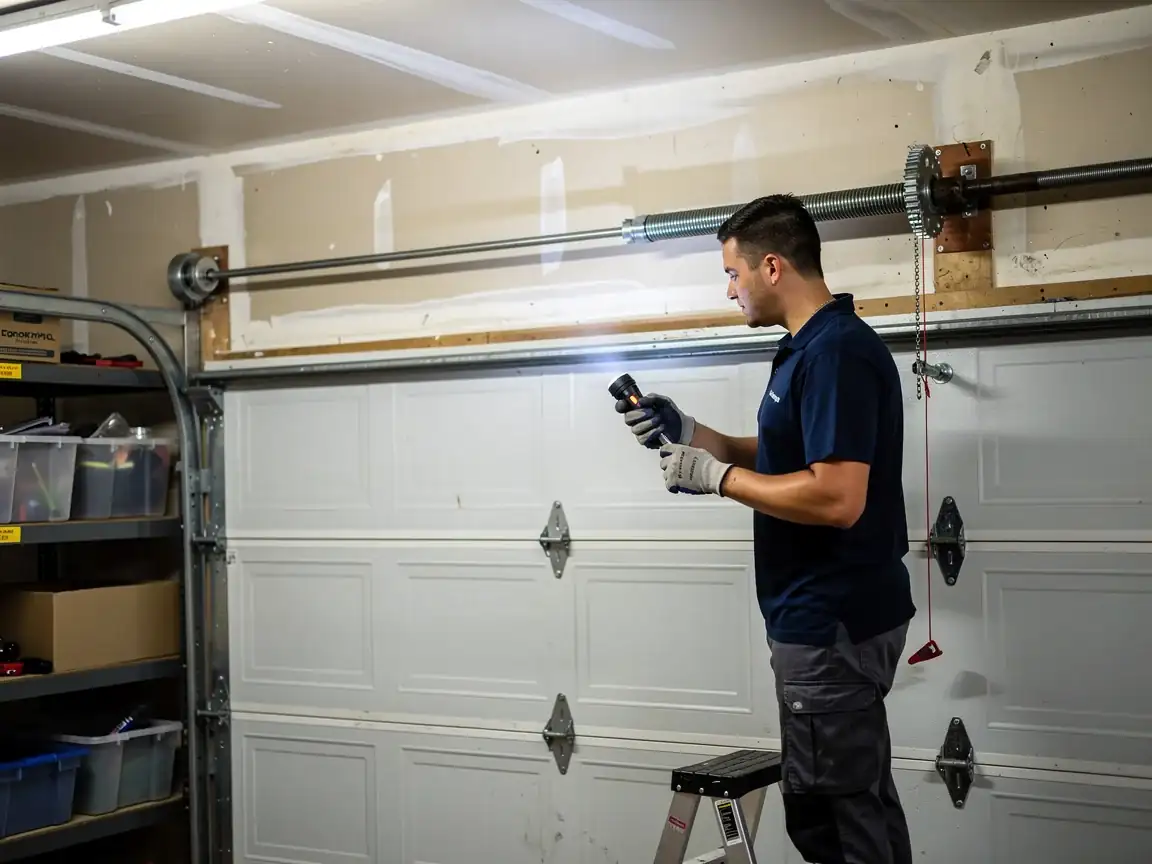
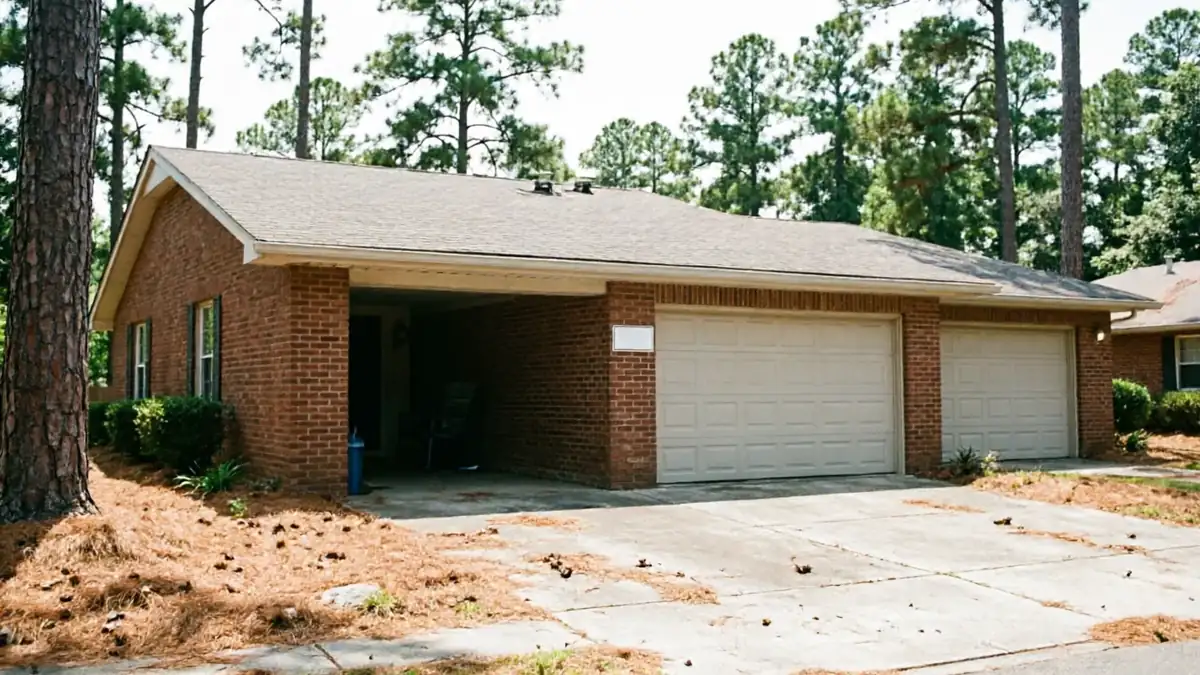
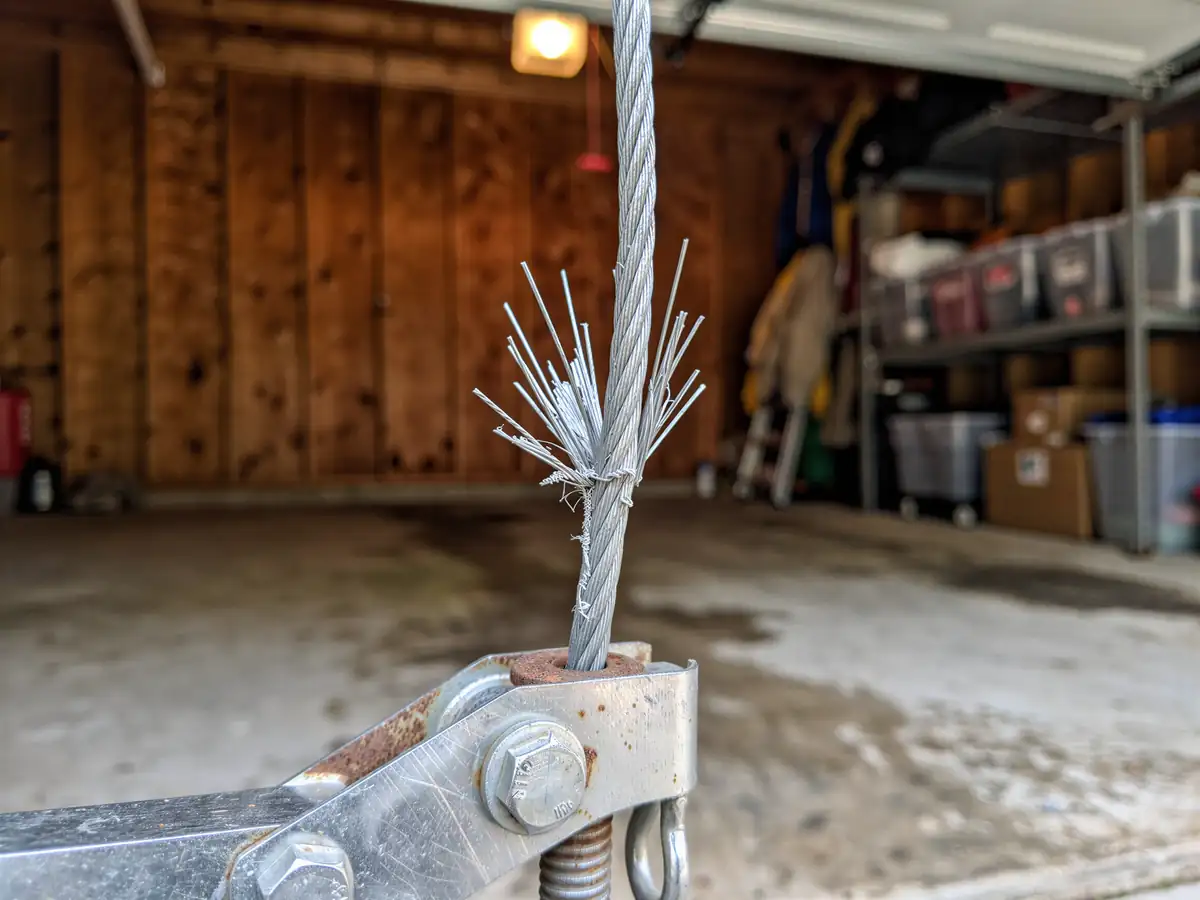
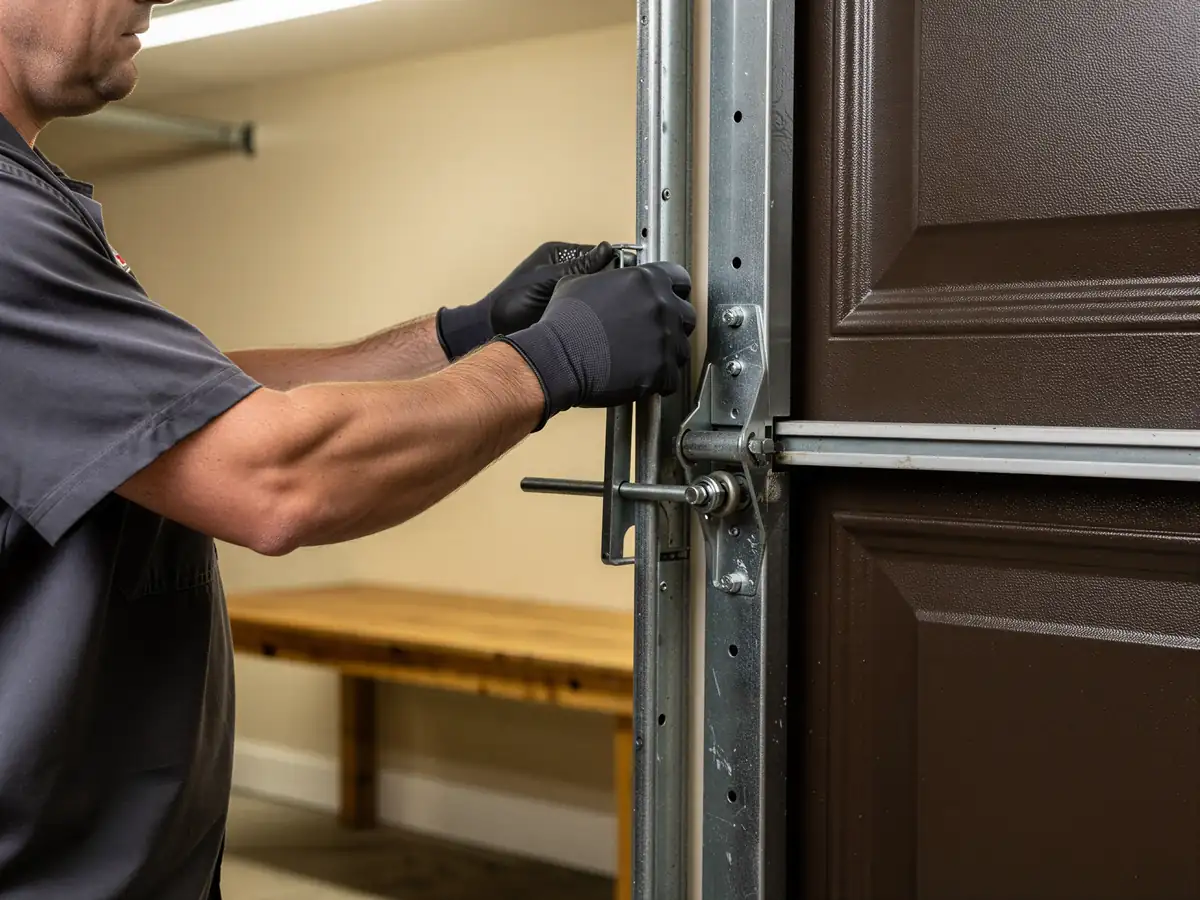
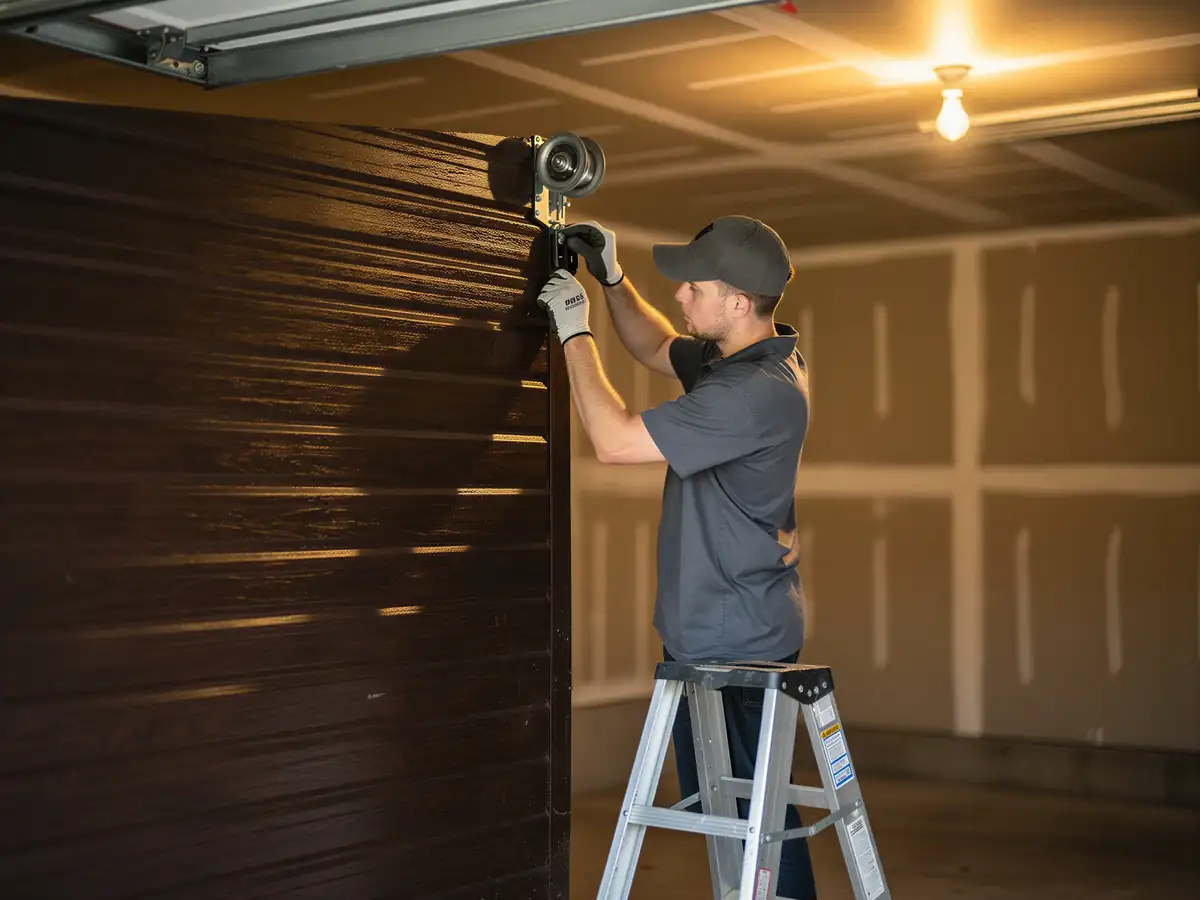
Most houses here went up in 1984 - the same year that marks the median build date for the whole service area, which tells you these are not new builds with factory nylon rollers on sealed bearings. A door from that era is more likely to still be running the original steel rollers on steel track, or a replacement opener installed over a door that never got upgraded hardware. Steel-on-steel wears fast and loud. By the time an owner notices the grinding, the track has usually taken some damage too, so the roller swap is rarely a ten-minute job on a house this age - we're checking brackets, track alignment, and cable wear in the same visit.
Parts We Carry
We carry nylon rollers with sealed ball bearings as the standard replacement
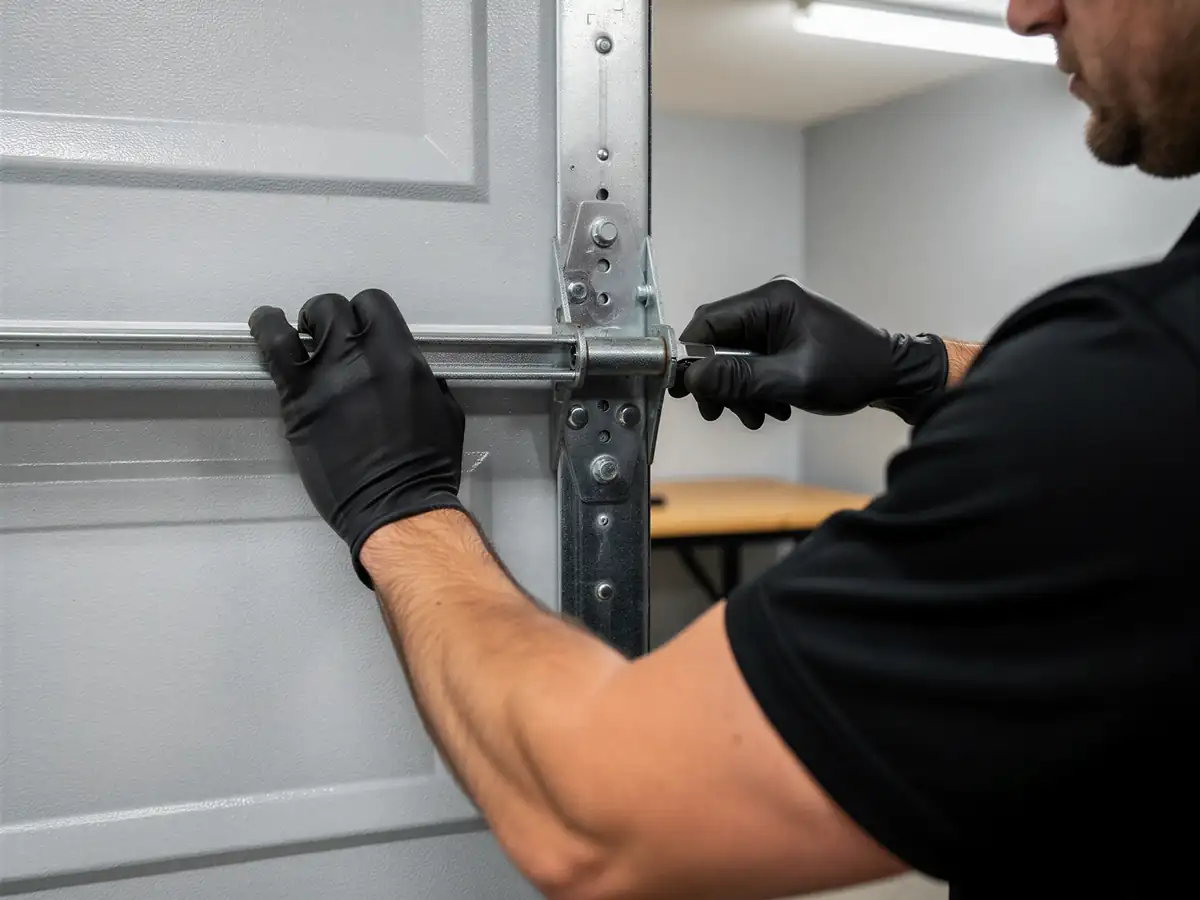
Quieter than steel, and they don't need the periodic lubrication steel rollers demand, which matters in a cold-moderate climate band where grease stiffens up on a January morning and makes a stiff roller feel like a seized one. For doors still running 11-gauge steel rollers on the original stem, we stock those too, since matching stem length and roller diameter to 1980s hardware isn't something you improvise with a universal kit off a shelf.
What we don't carry on the truck is replacement track sections in every gauge
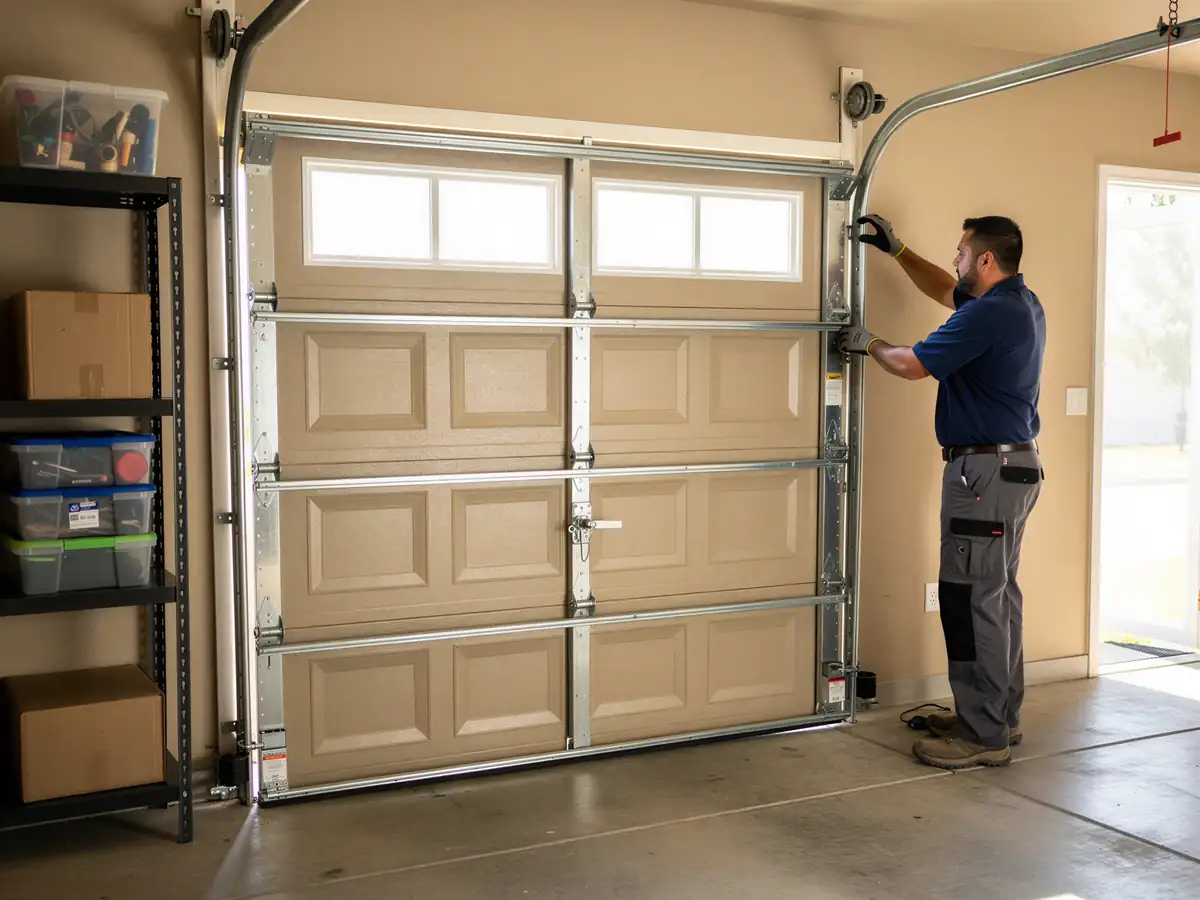
Track is cut to length and gauge varies by door weight and width, so if your roller wear has chewed up the track itself, that part may need a short order rather than a same-visit swap. We'll tell you on site whether your track is salvageable or whether it's time for a new section, and we won't swap rollers onto a track that's already bent - that's a repair that fails again in a month and costs you twice.
What You Pay
We don't have a rate card specific to Mountain Park, and we're not going to invent one. What we can tell you is how the decision tends to shake out at this end of the service area: given a median income of $135,000, most owners here replace rather than patch when a roller failure shows up alongside a cracked panel or a bent track section, because the labor cost of doing it twice isn't the deciding factor it is in lower-income pockets of the service area. A straight roller swap on sound track and brackets is a smaller job than a full hardware overhaul, and we price those differently - we'll give you the number for your actual door once we've looked at it, not a guess over the phone.
The honest limitation here: if your track has already been bent by worn rollers riding in the groove wrong, we're not going to sell you a roller-only fix that looks cheaper and fails again. We'll tell you straight when the smaller job isn't the right job.
Getting It Booked In
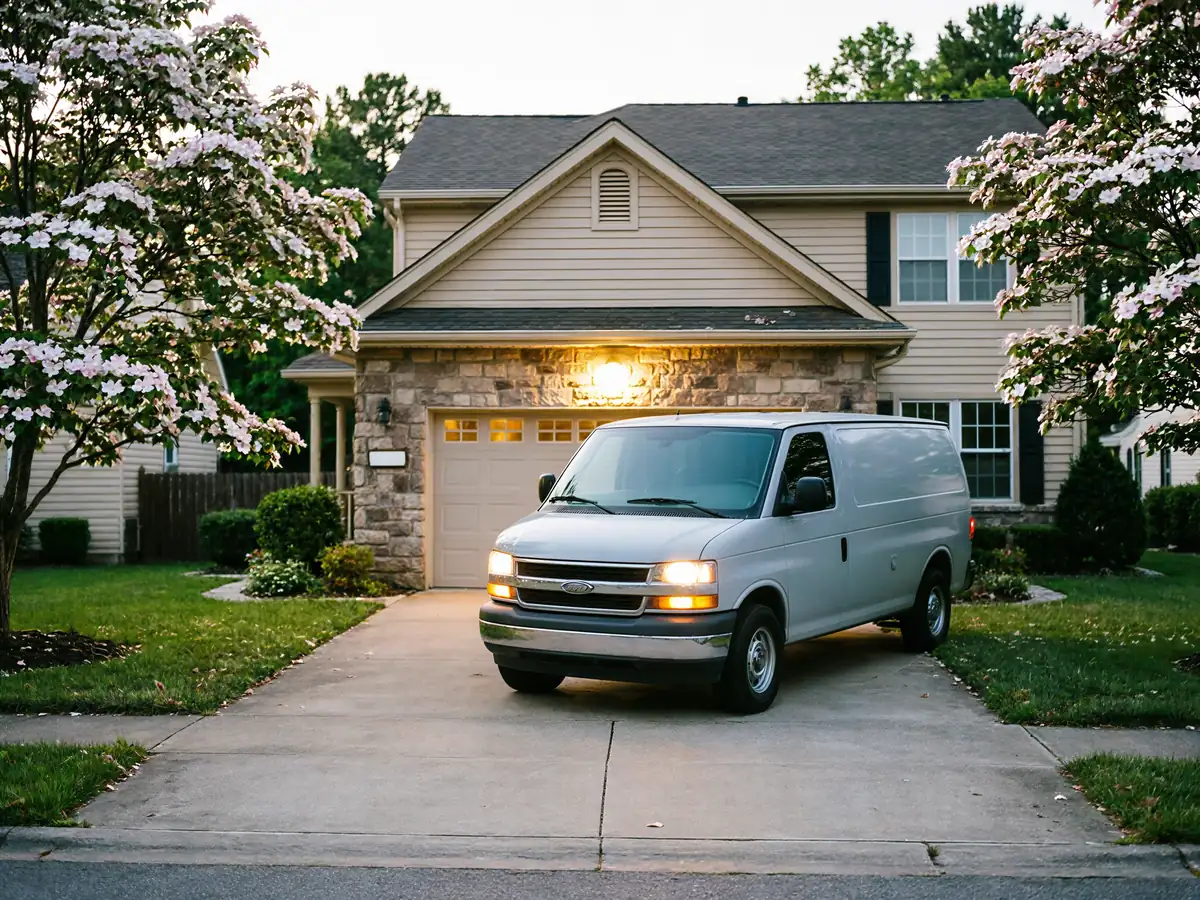
Mountain Park sits six miles from our Woodstock shop - the shortest drive to any town we cover in the service area besides Holly Springs. That's close enough that a roller job here doesn't sit behind a long commute on the schedule the way some of our farther stops do. We run from the Woodstock shop out to Mountain Park, do the inspection, carry the parts that fit 1980s-era steel track and newer nylon-roller setups alike, and tell you on site what the job needs.
If you're not sure whether what you're hearing is a roller problem or something further up the chain - opener, spring, cable - describe the sound when you call. A grinding or popping noise as the door travels usually points to rollers and track; a door that won't budge at all points somewhere else entirely, and we'd rather diagnose it right than quote you blind.