The Complications
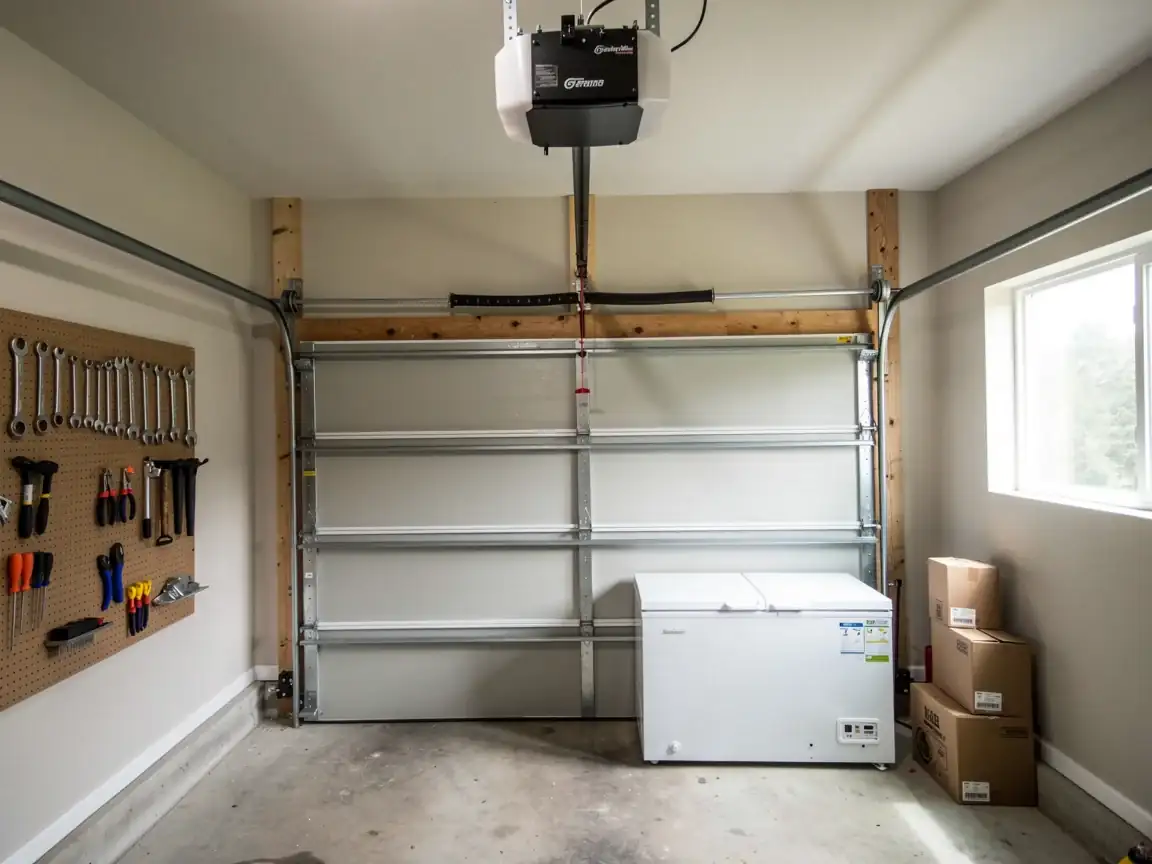
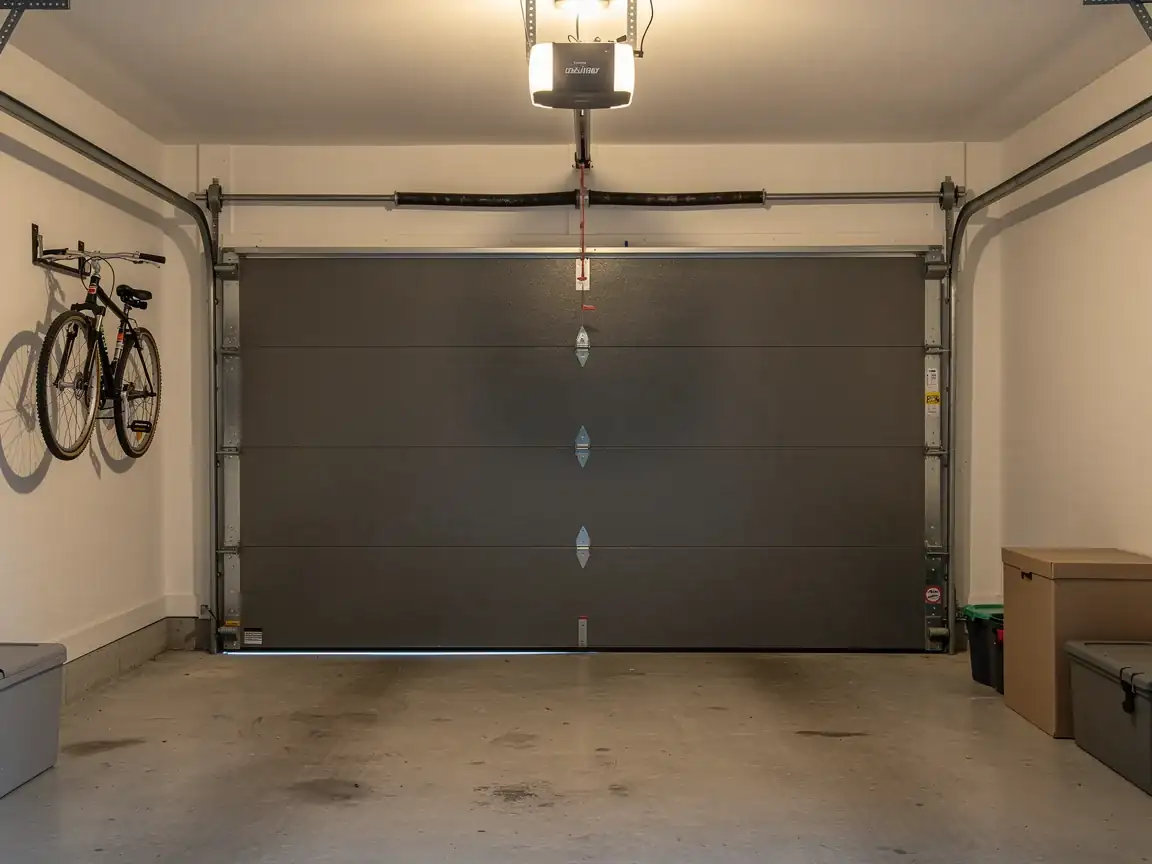
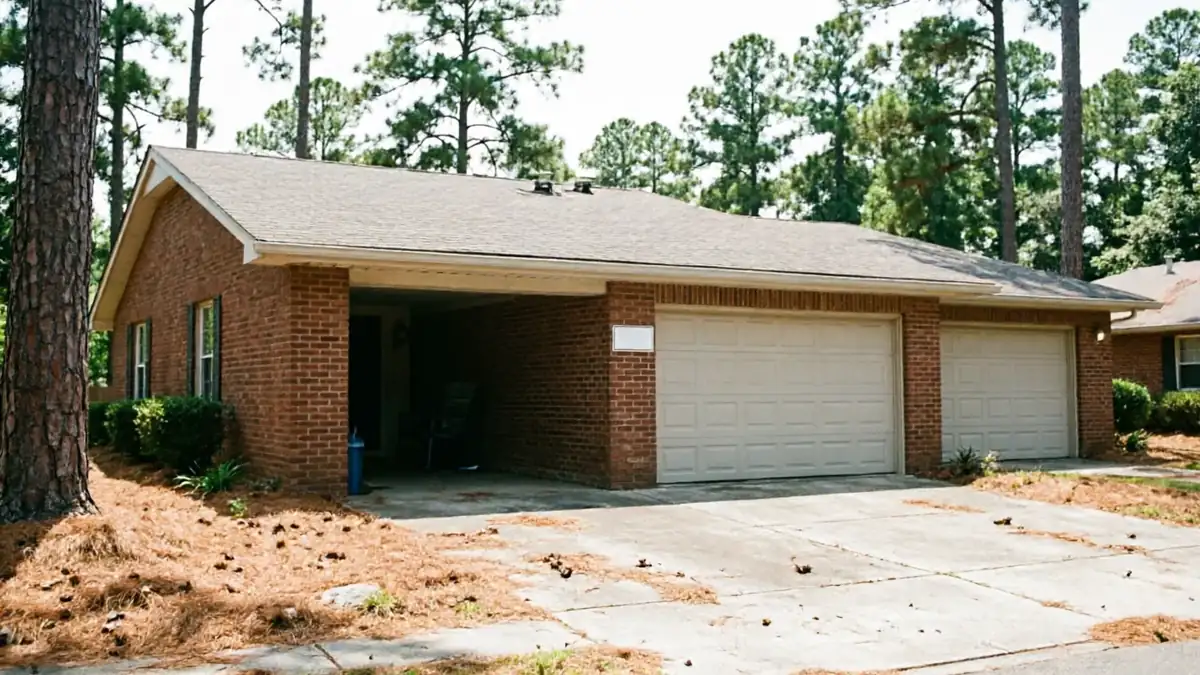
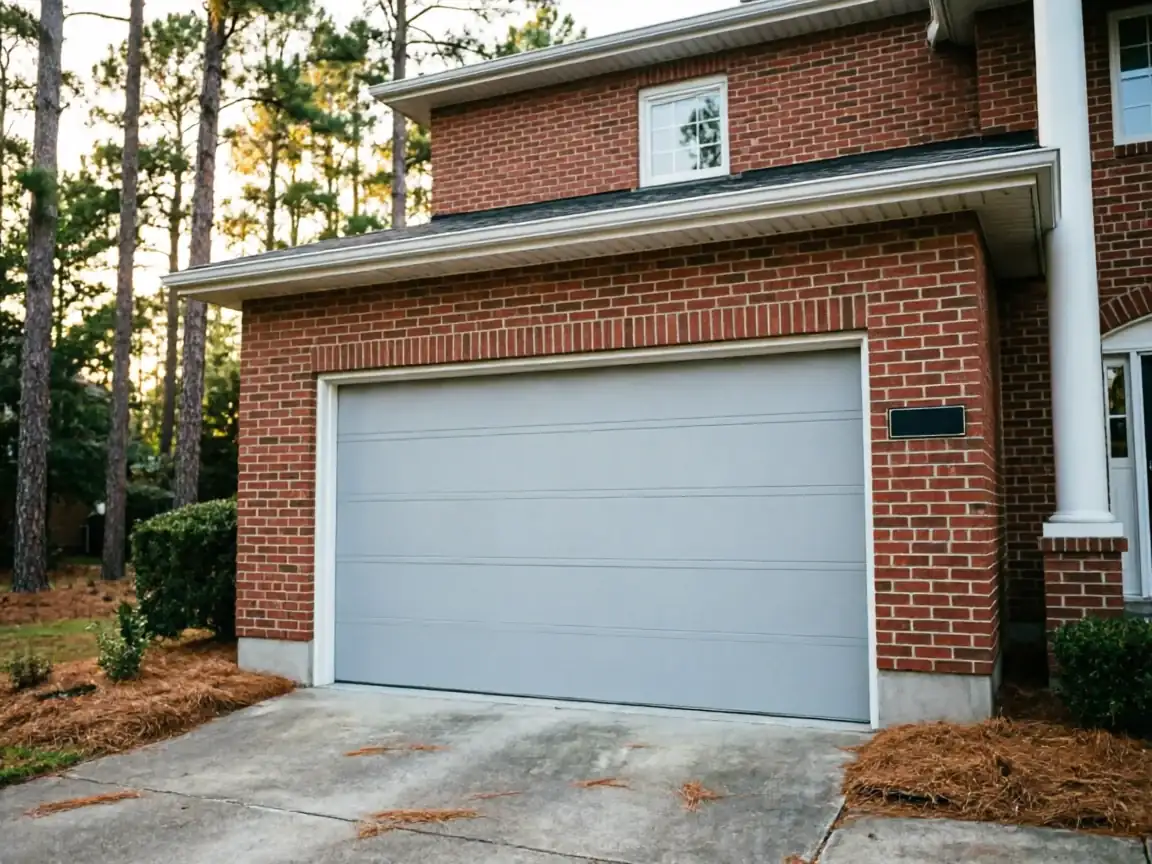
Holly Springs is a small piece of the territory we cover out of Woodstock - about 6,189 households, not the tens of thousands you'd find across the wider service area. That matters for how the work shows up. In a town this size, the fault pattern isn't scattered across eight decades of construction; it's concentrated. The median year built here is 2007, noticeably newer than the service area median of 1984. That means fewer side-mounted torsion setups from the 60s and 70s, and a lot more factory-installed steel doors with centered torsion springs and sealed ball-bearing rollers - the kind that came standard once builders stopped cutting corners on hardware in the early 2000s. The complication isn't age, it's that newer doors fail differently. Springs rated for a specific door weight get swapped with the wrong cycle-count replacement, openers with circuit boards instead of simple relays trip on power surges rather than just burning out a motor, and insulated steel panels dent and need full replacement rather than a bang-out repair. Fewer older doors around here also means fewer calls for rust-seized track bolts, and more for sensor alignment and opener logic boards.
Can You Do This Yourself
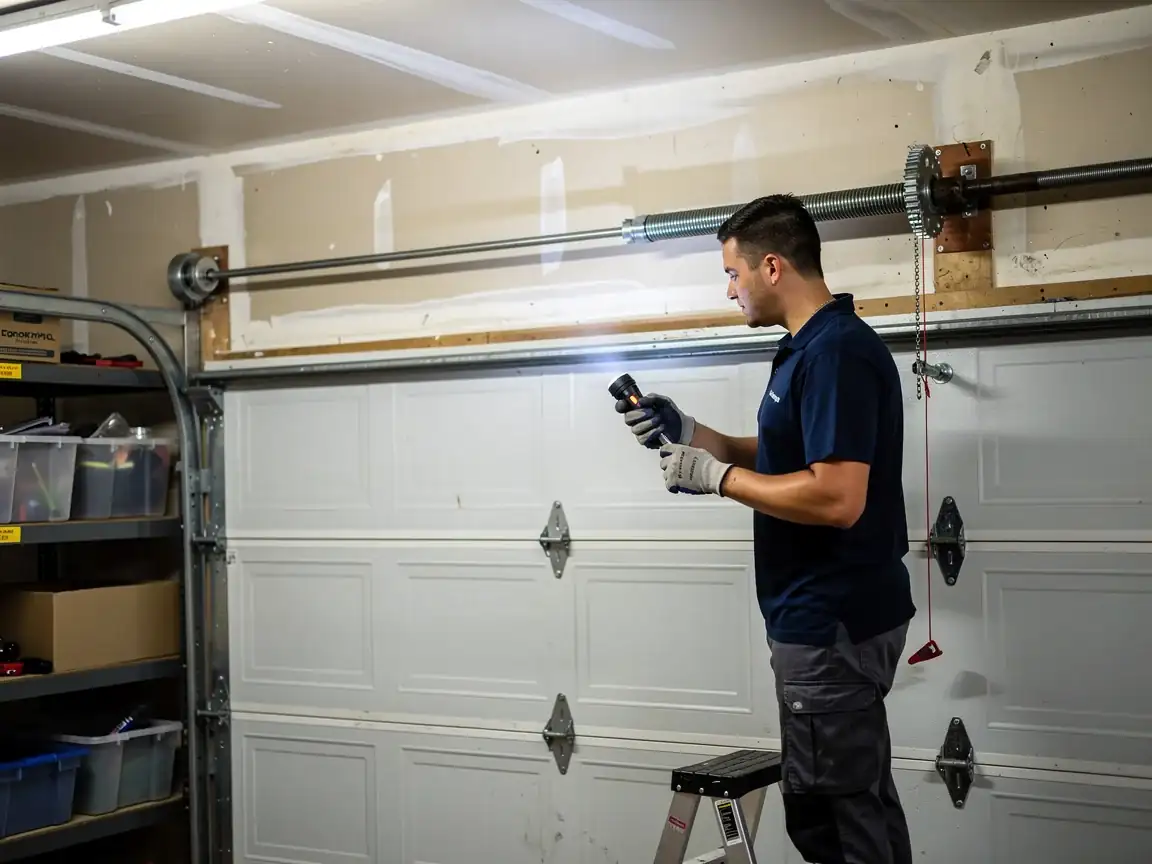
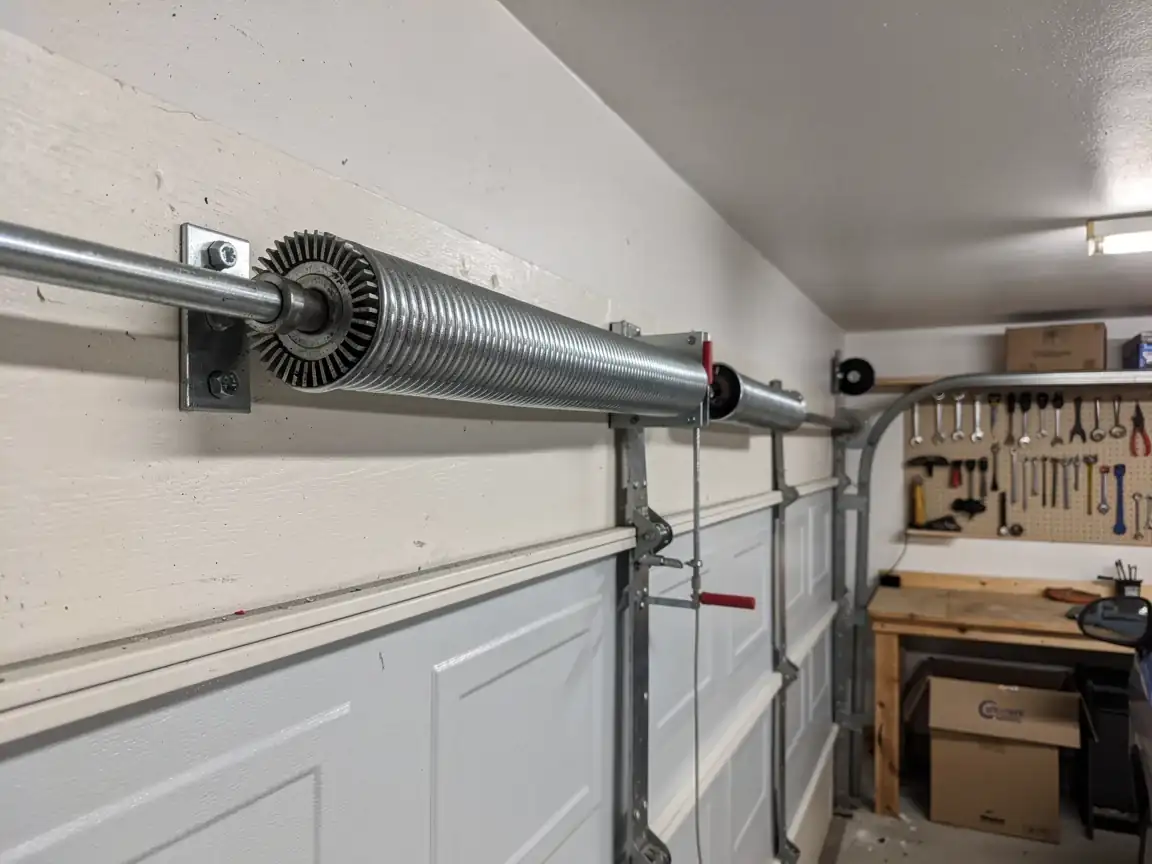
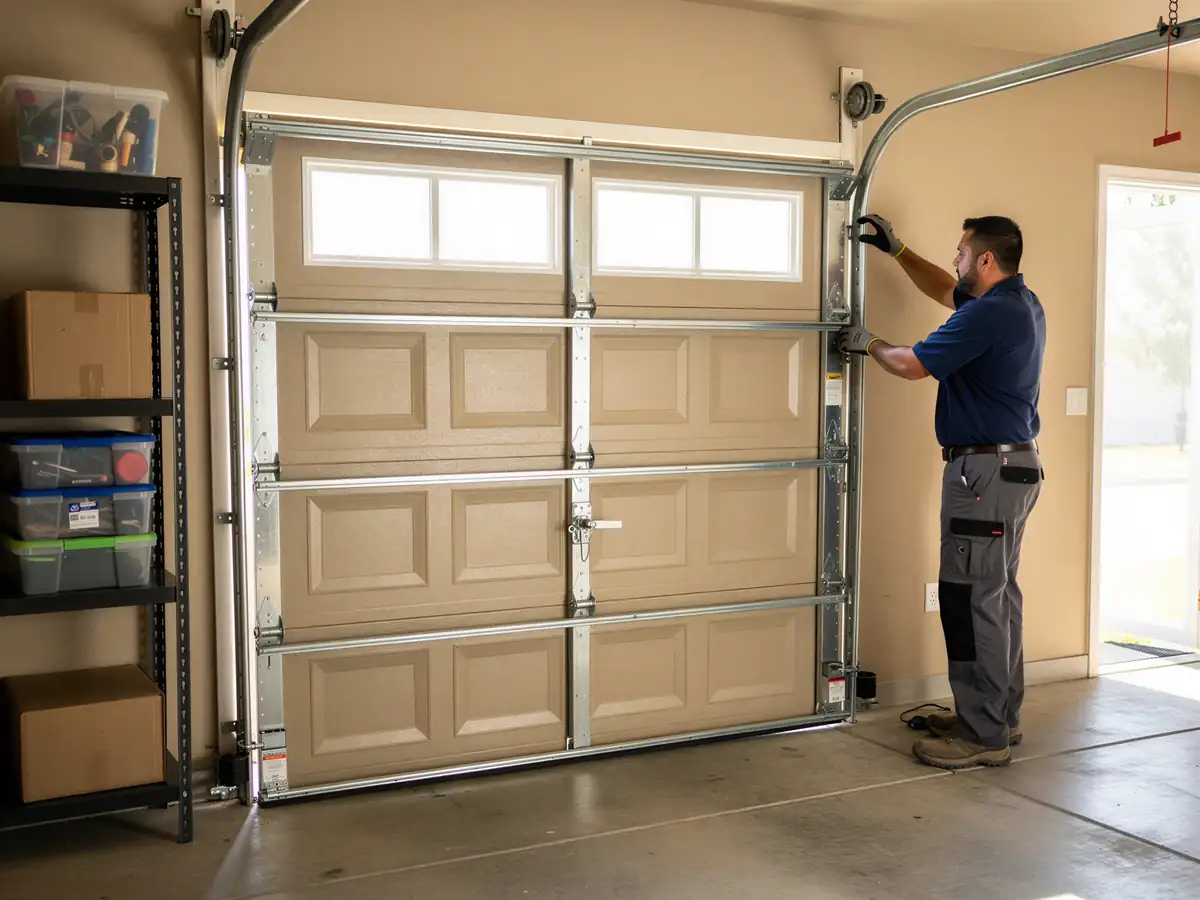
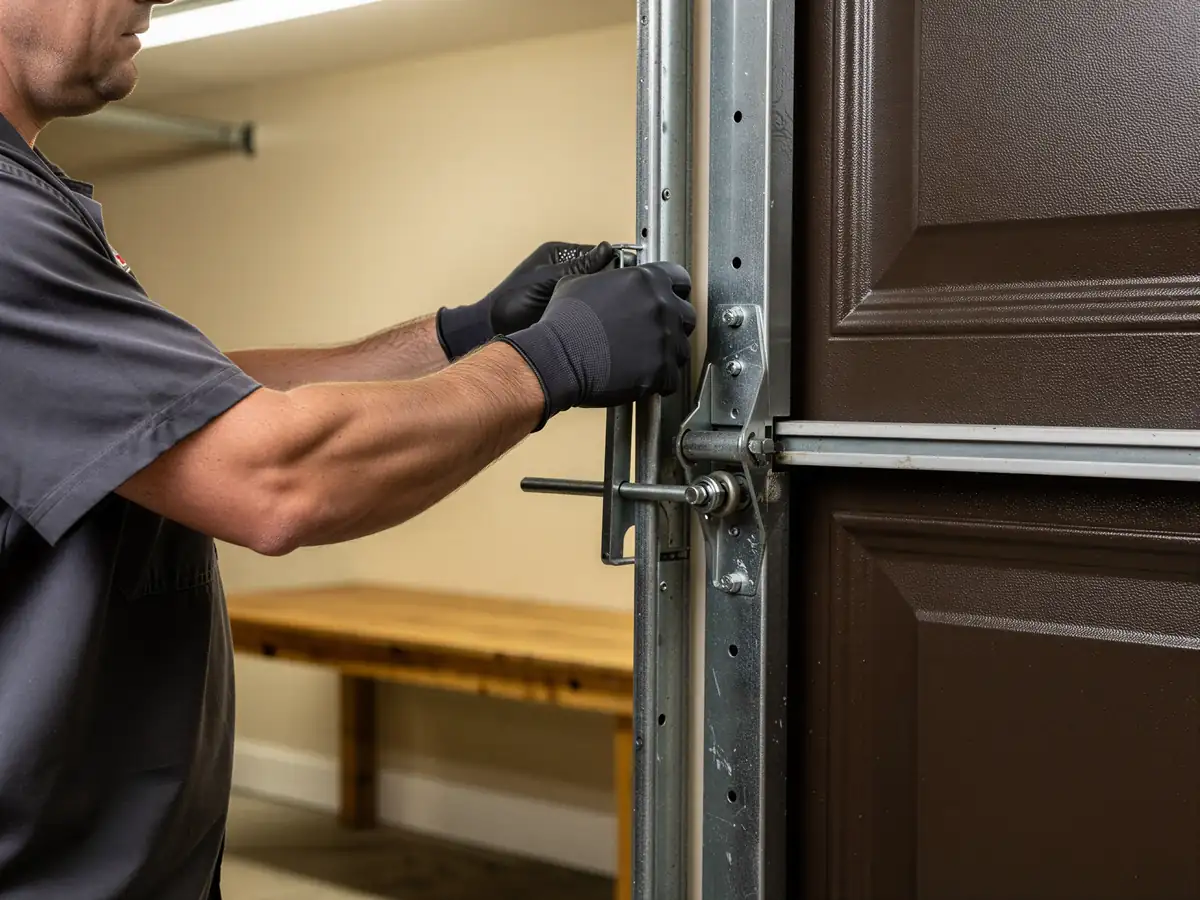
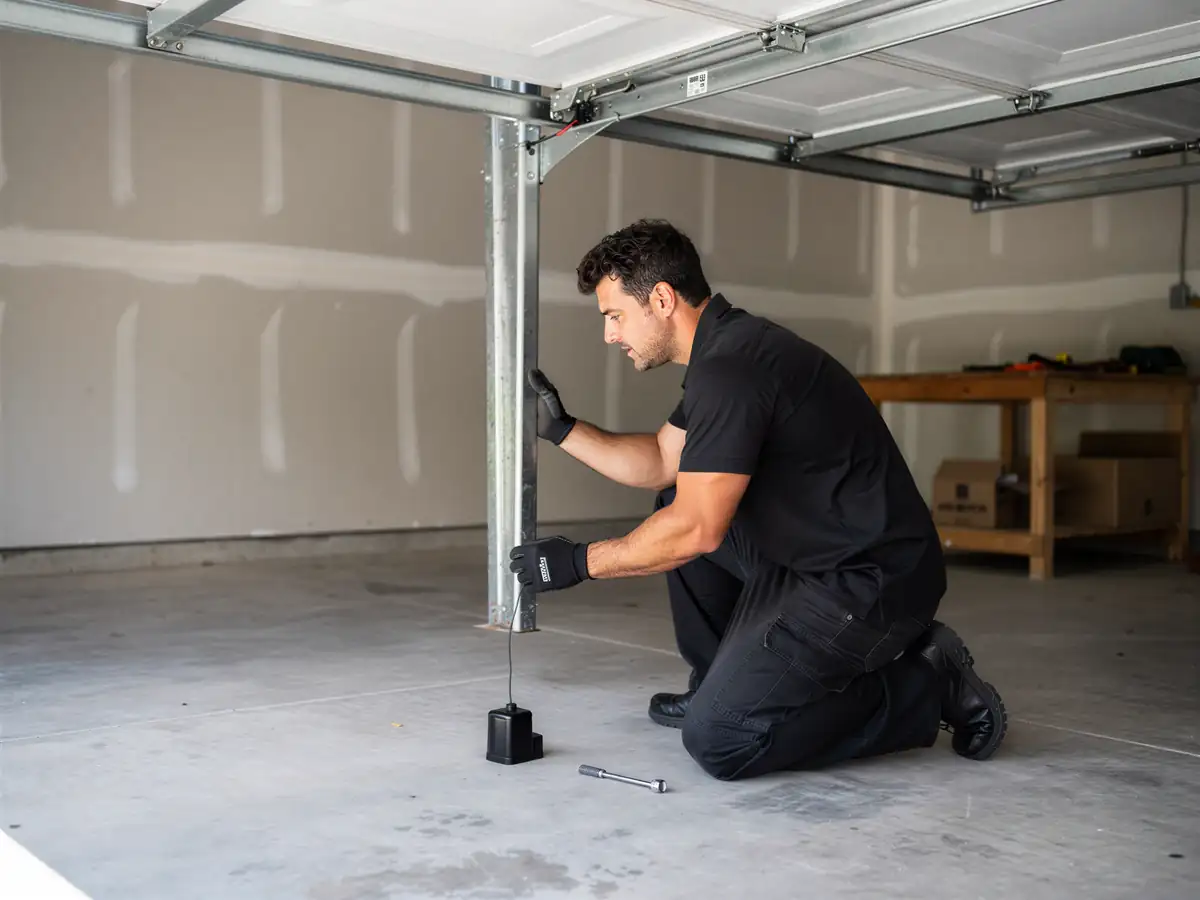
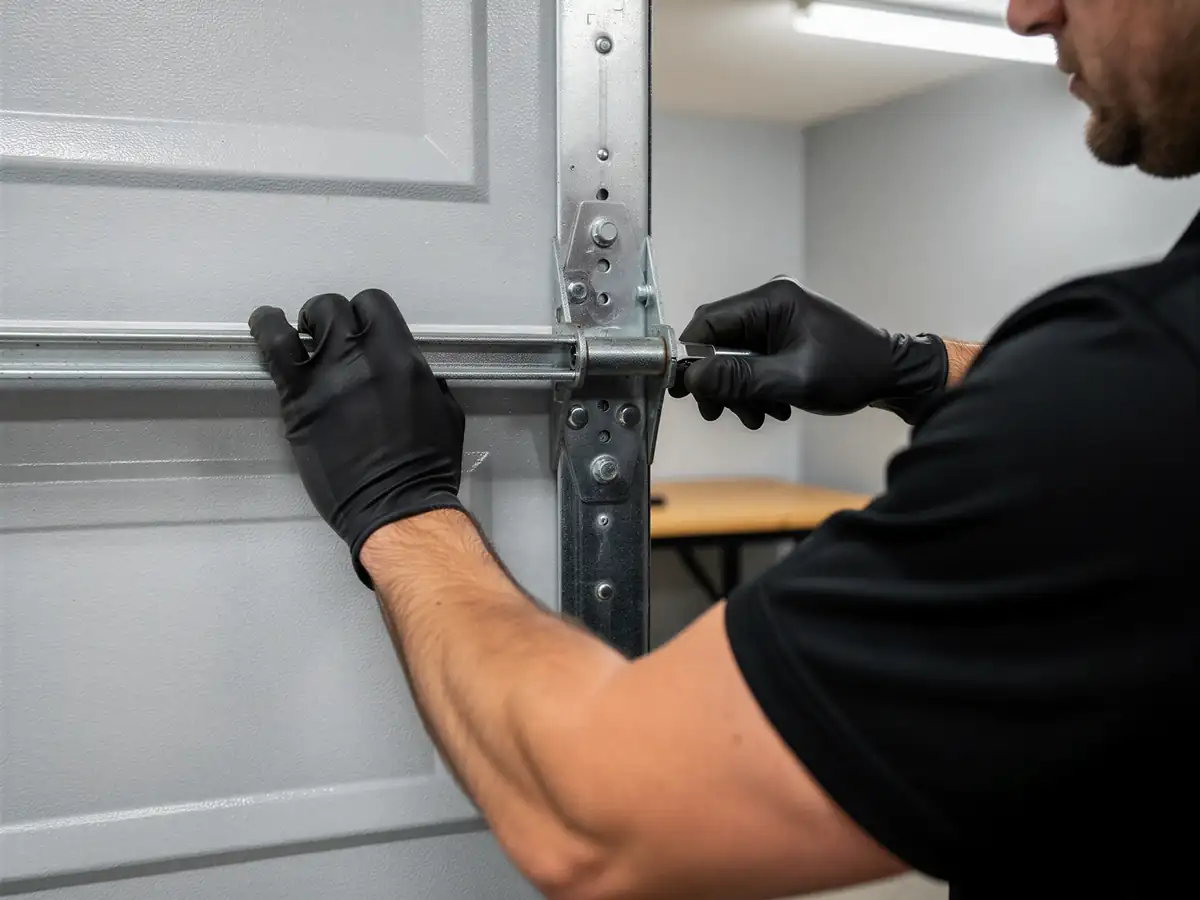
A loose bracket or a sensor knocked out of alignment, sure, a lot of owners handle that themselves with a level and ten minutes. Torsion springs are a different matter - they're wound under real tension, and on the heavier insulated doors common in newer construction like Holly Springs has, an improperly released spring can break a wrist or worse. If your opener is a newer model with a built-in battery backup or smart-home connection, troubleshooting the logic board isn't a weekend project either; that's circuit-level work, not mechanical. Know the difference between adjusting and replacing before you start.
How Long It Takes
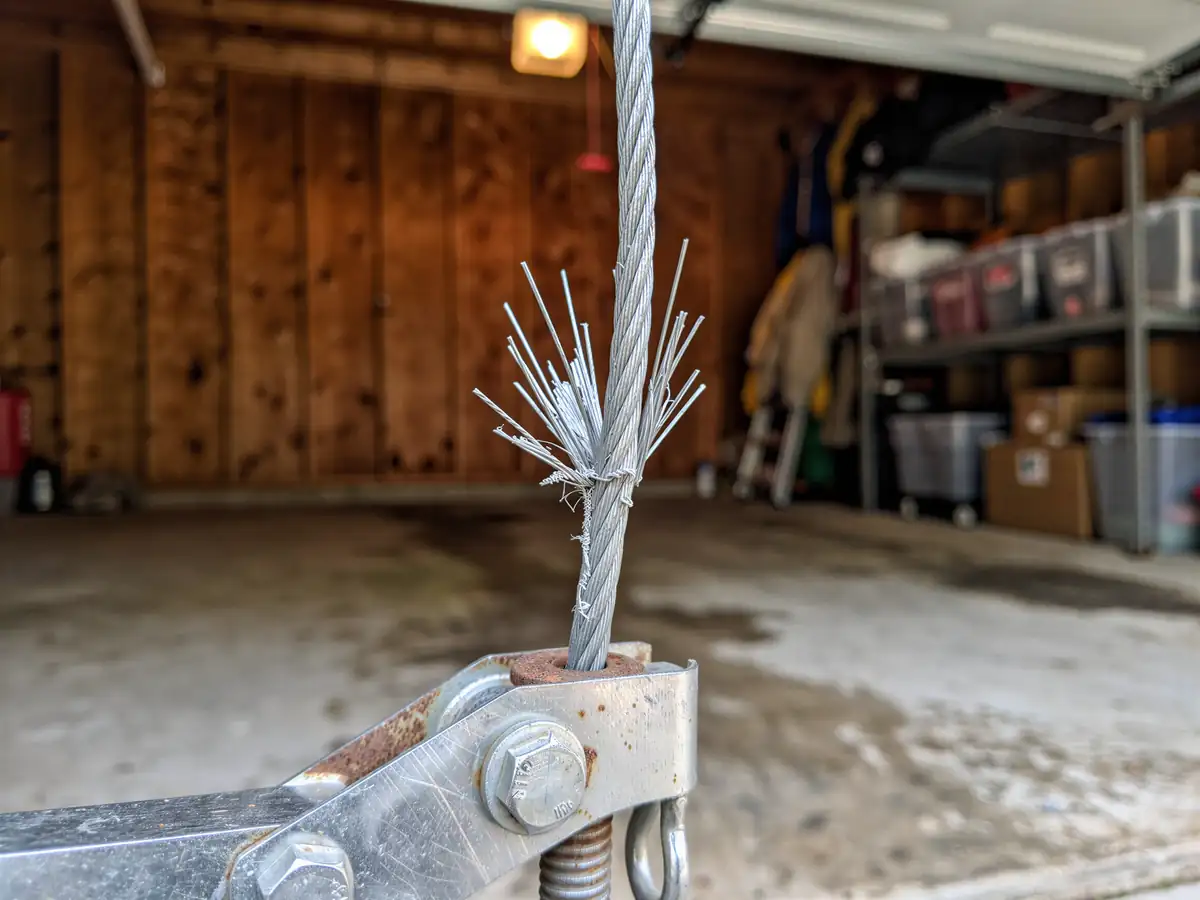
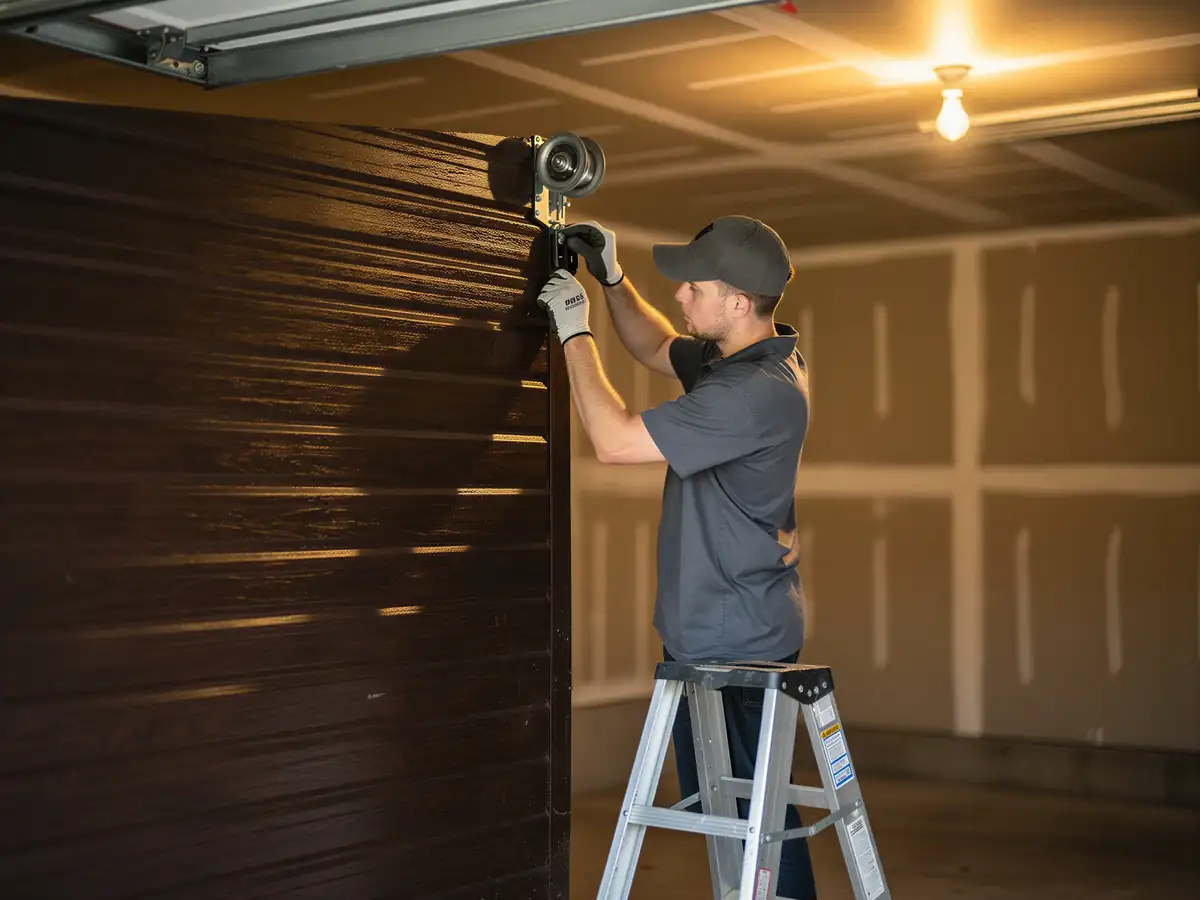
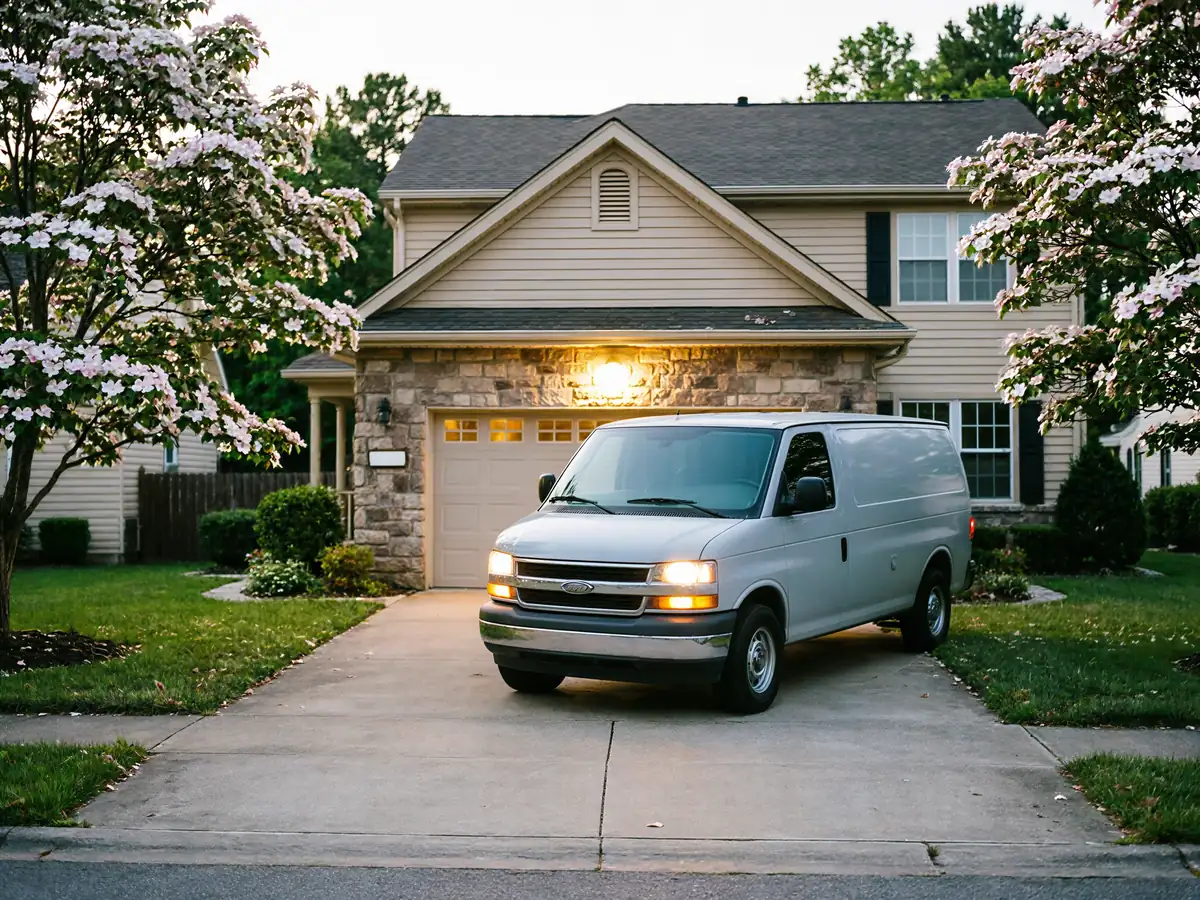
Most single-door repairs - a spring swap, a roller replacement, a cable re-seat - run inside a couple of hours once the tech is on site with the right part in the truck. Because Holly Springs' housing stock skews newer, we're usually working with standard current-production hardware, not something we need to special-order, which keeps most jobs same-visit. Full door replacements, where a panel's cracked beyond a patch or the whole unit's at the end of its run, take longer, mostly because of order and delivery on the new door itself, not the install.
The Symptom
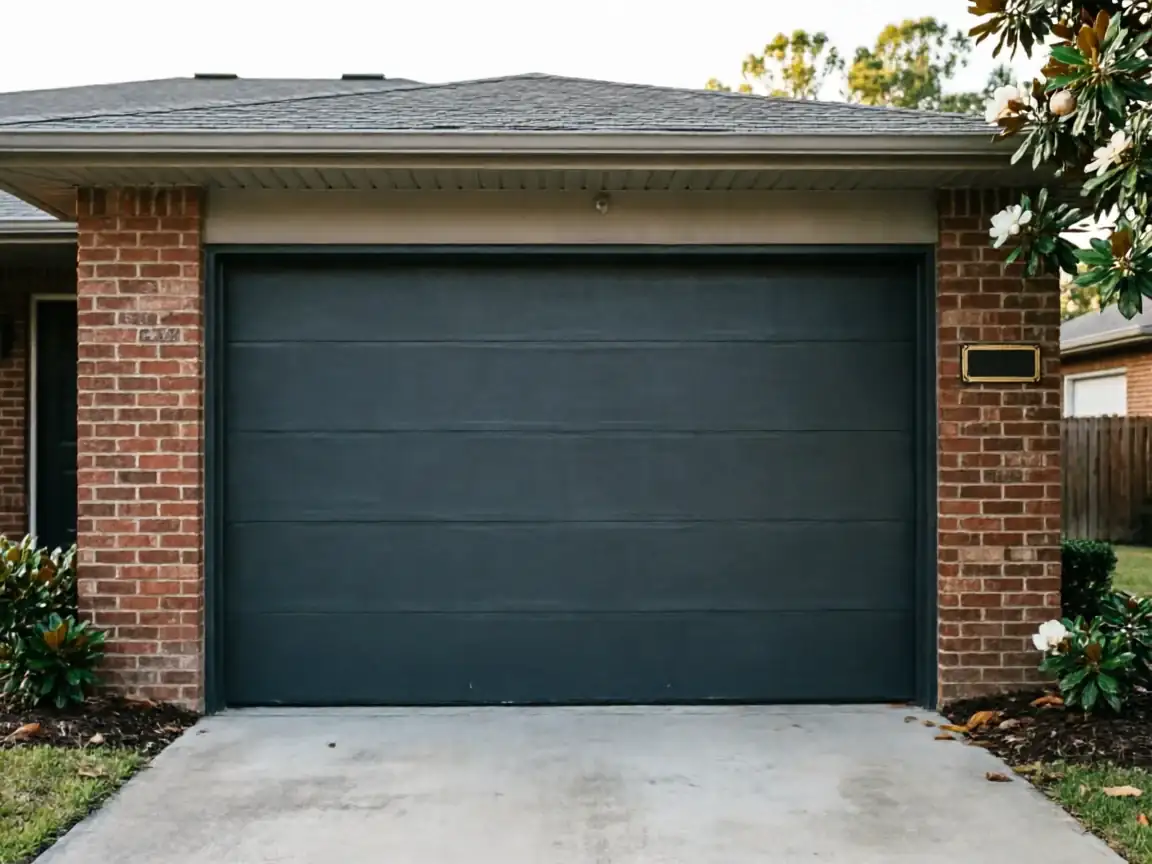
The giveaway in Holly Springs is usually a door that looks structurally fine - paint's good, panels aren't dented - but it's noticeably heavier to lift by hand, or the opener strains and reverses partway up. That's classic spring fatigue on a door that's otherwise in good shape, which tracks with housing this age: the hardware is wearing out before the door itself does. If you're hearing a grinding or clicking from the opener housing rather than the door track, that's the gear set inside the unit, not the door - a different repair, and one more common on the newer belt and chain-drive openers that came standard in this era of construction.