The Complications
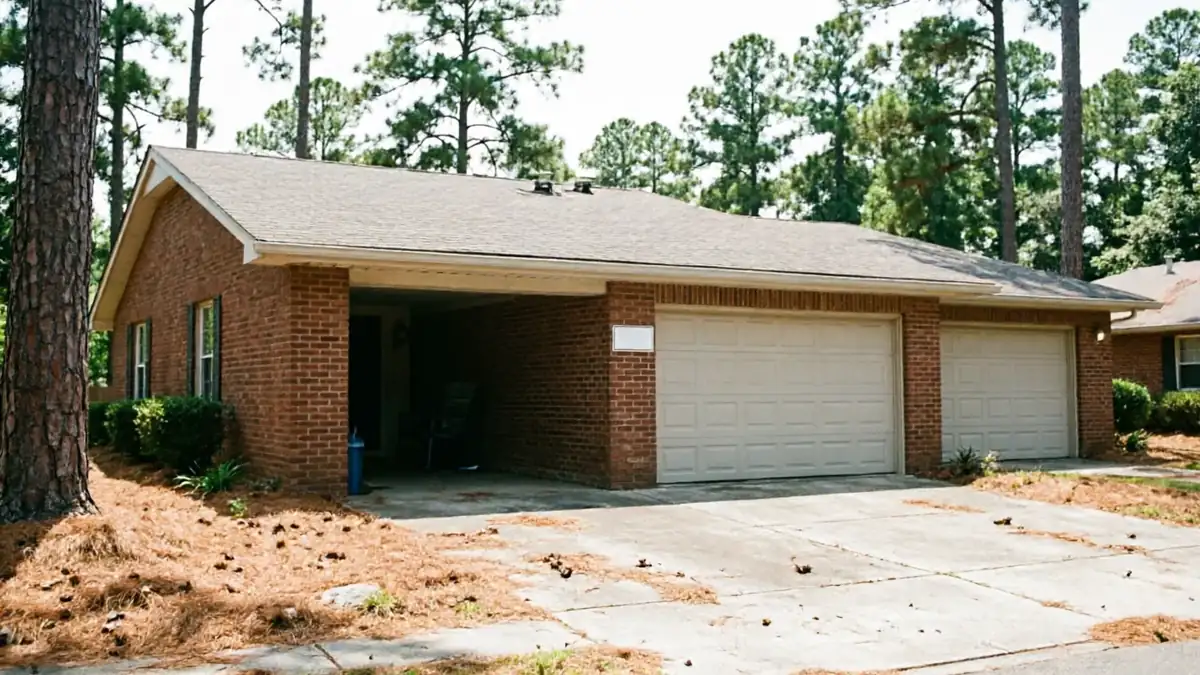
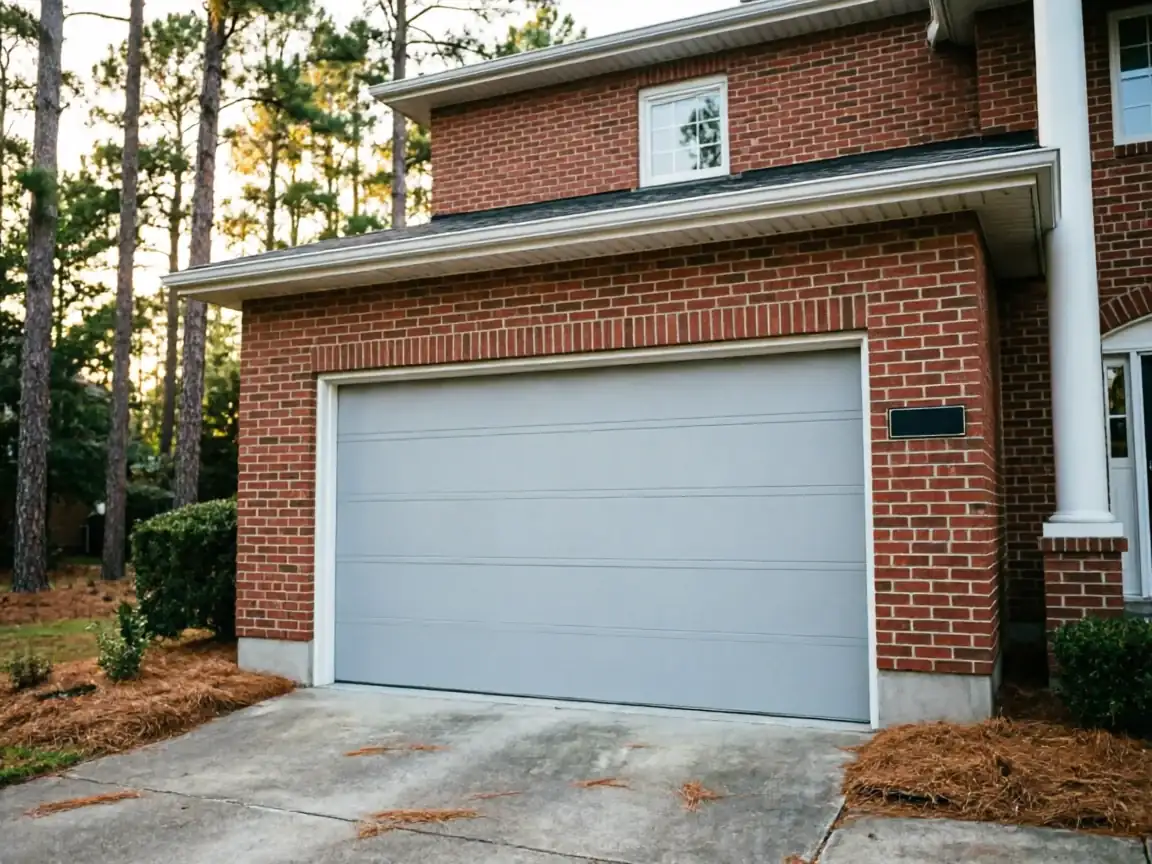
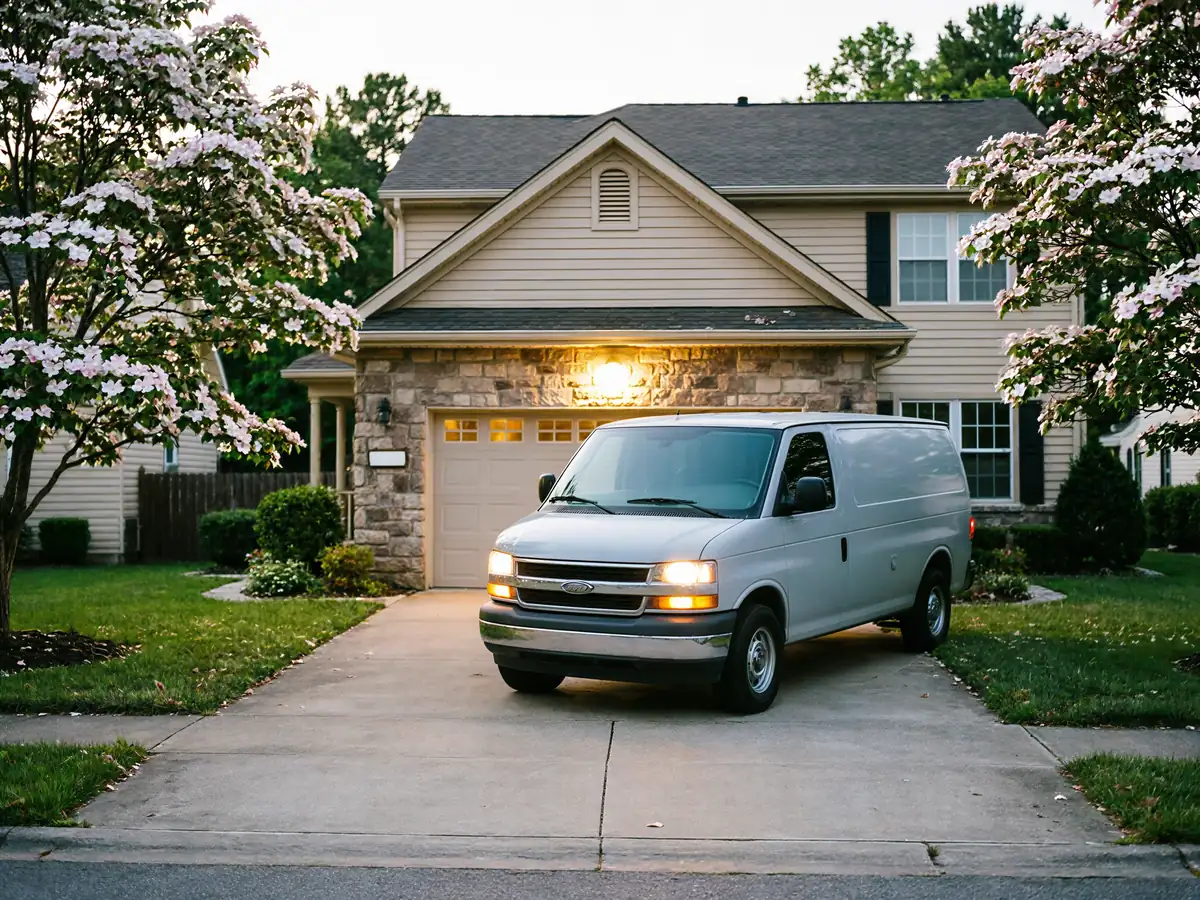
Holly Springs is a five mile run from our shop in Woodstock, close enough that a roller job here doesn't turn into a half-day trip, but the houses on this side of the county are not the same age as what we see elsewhere in the service area. Median build year here lands around 2007, newer than the 1984 median across the rest of our territory. That matters for rollers specifically. A door built in 2007 almost never has steel rollers on plain stems - it shipped with sealed nylon rollers on stems with some kind of bearing, because that's what builders were installing by the mid-2000s. The failure mode is different too. You're not dealing with rust-pitted steel grinding in a track that's thirty years out of square. You're dealing with nylon that's gone brittle, bearings that have dried out, or a roller that's cracked clean through and is shedding small chunks of plastic in the track every time the door cycles. The track itself is usually still straight, which is good news - the fix doesn't have to include track realignment nine times out of ten.
Can You Do This Yourself
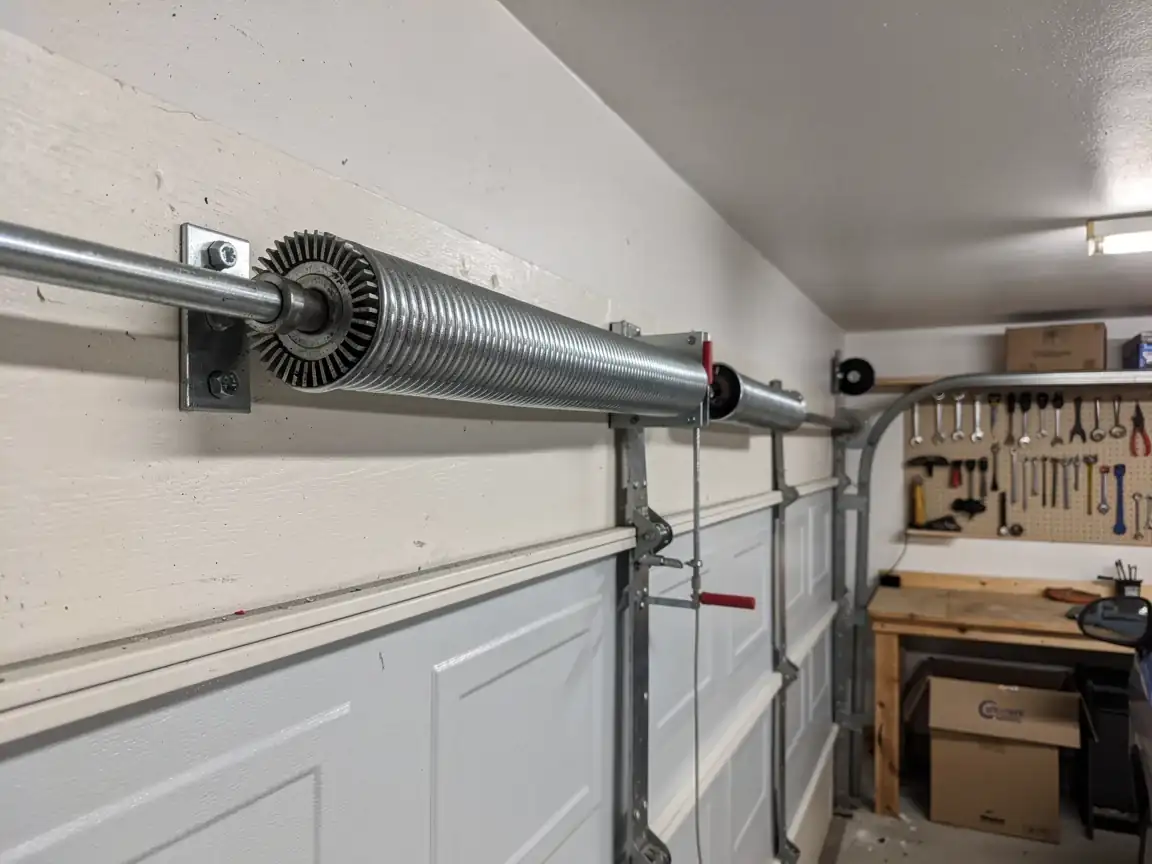
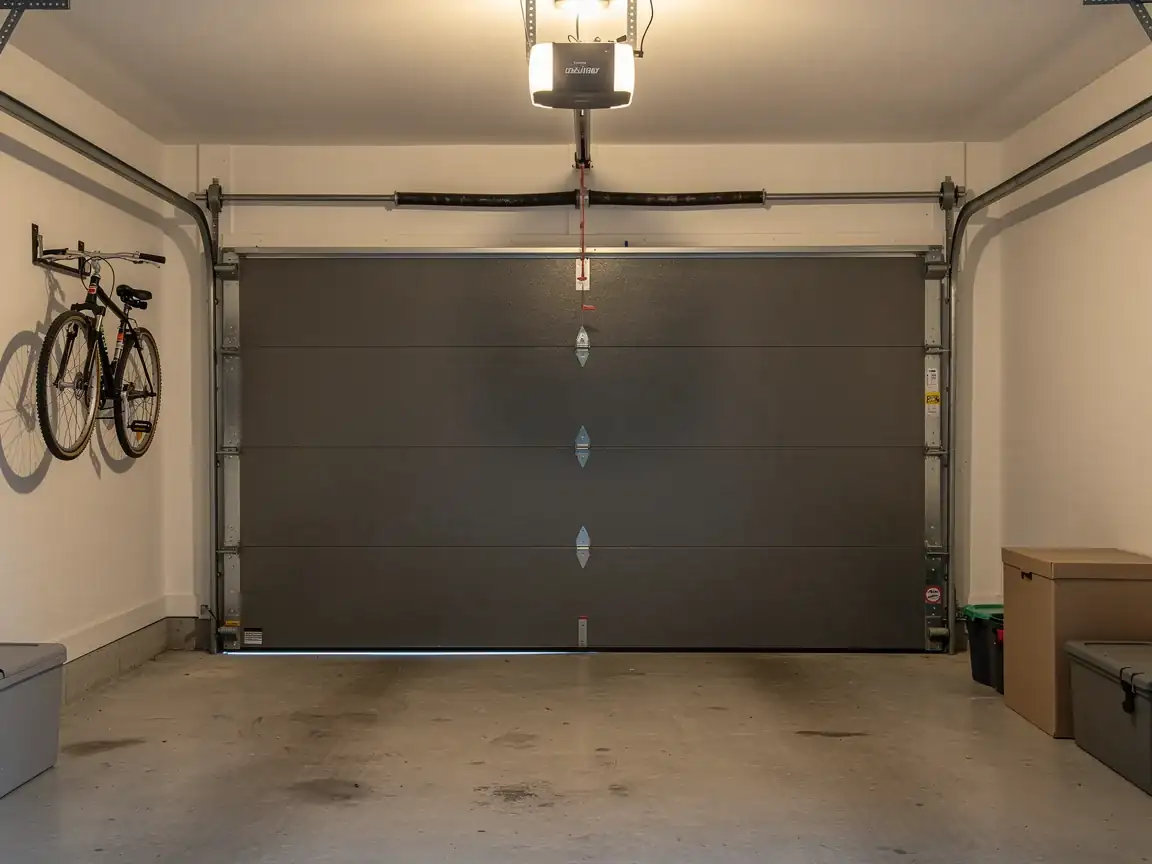
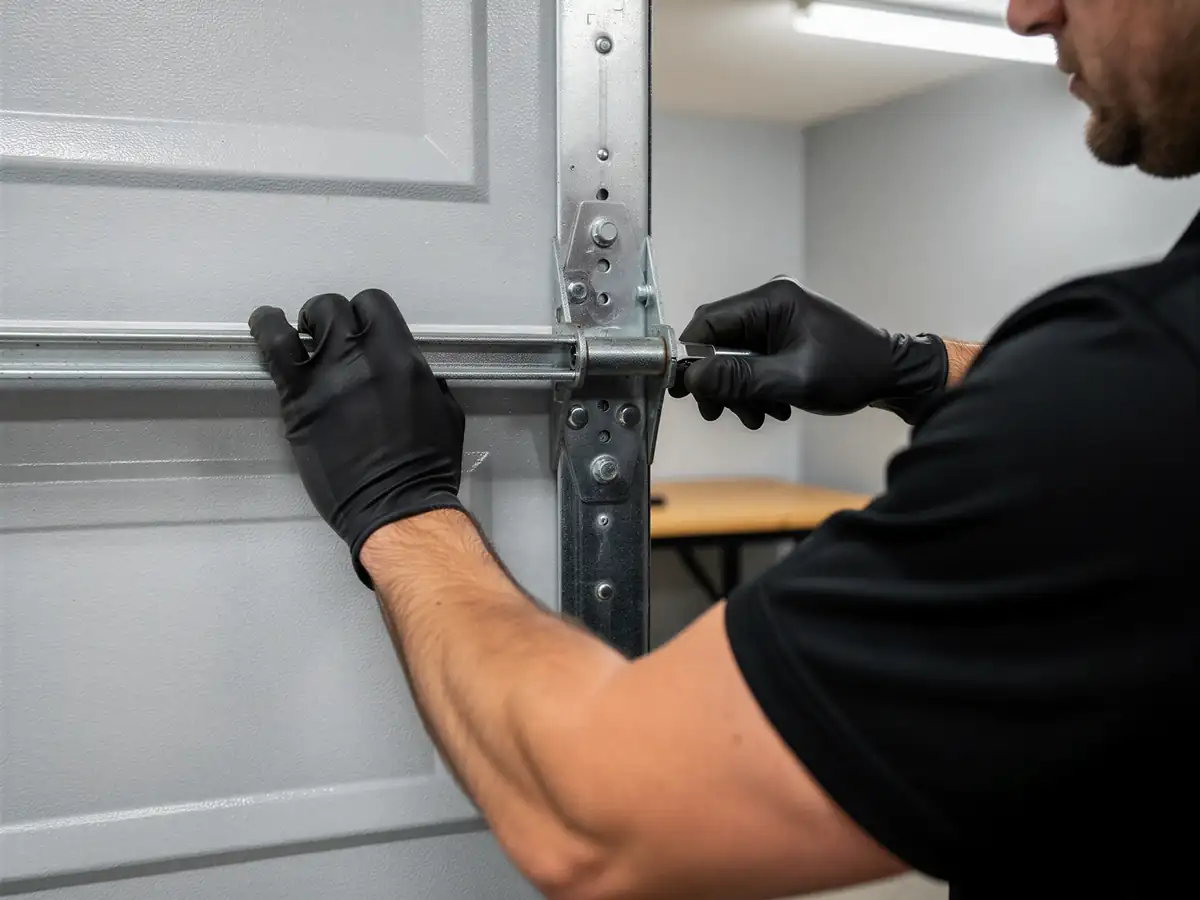
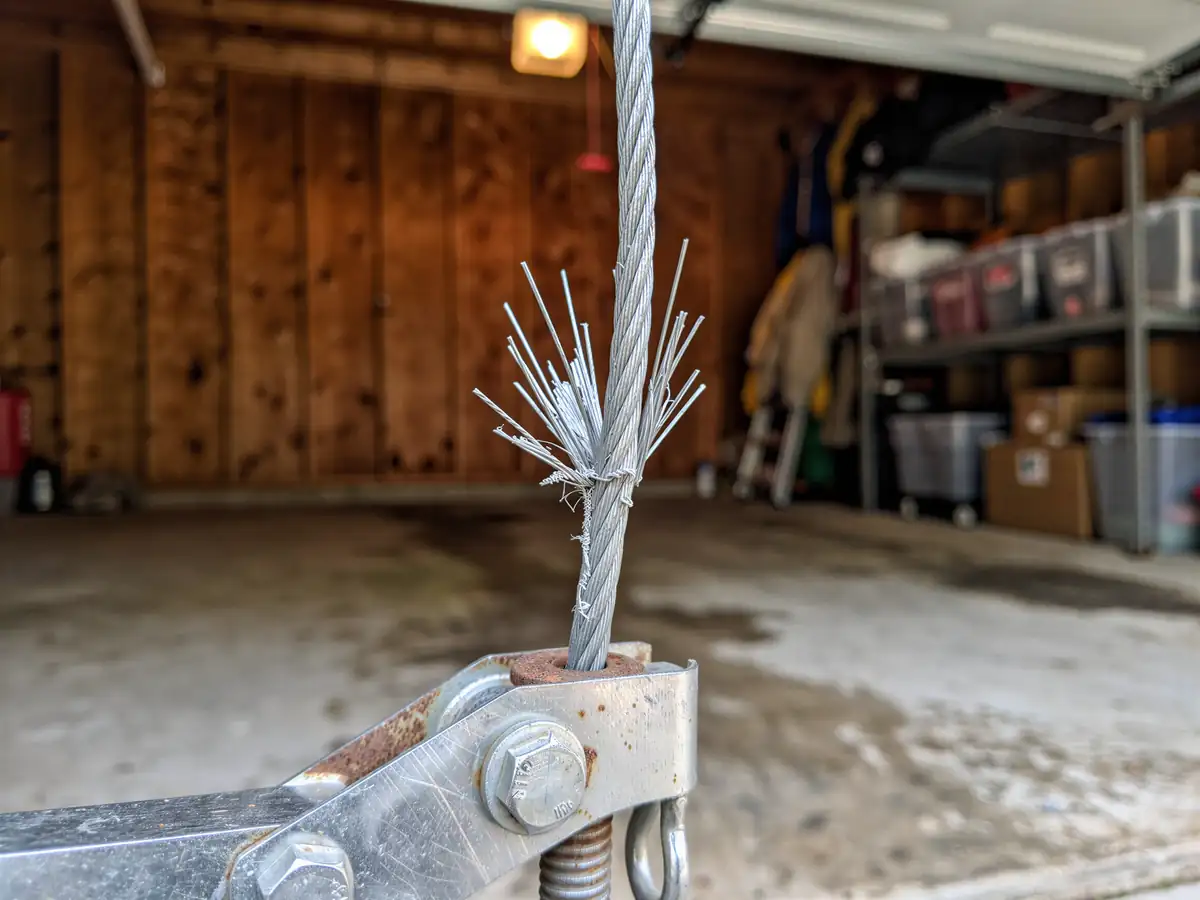
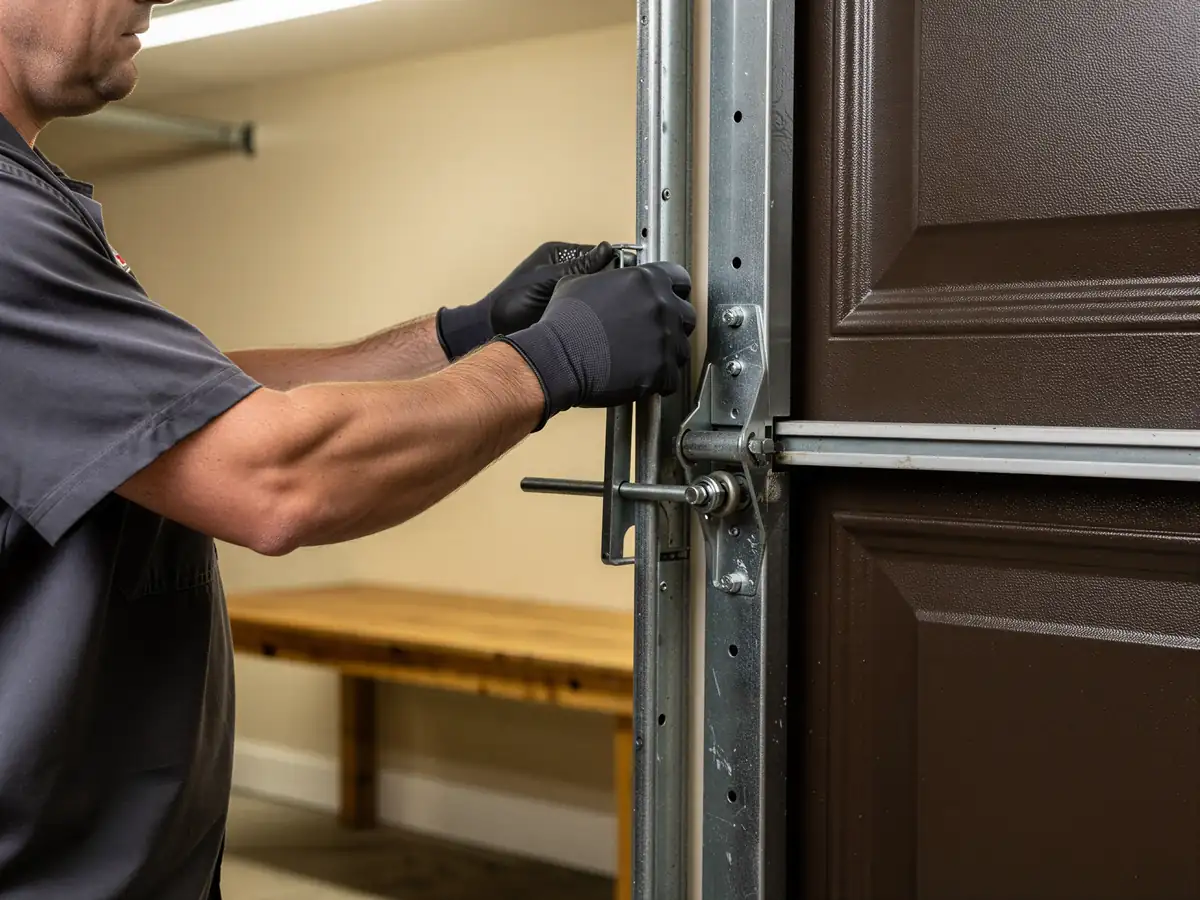
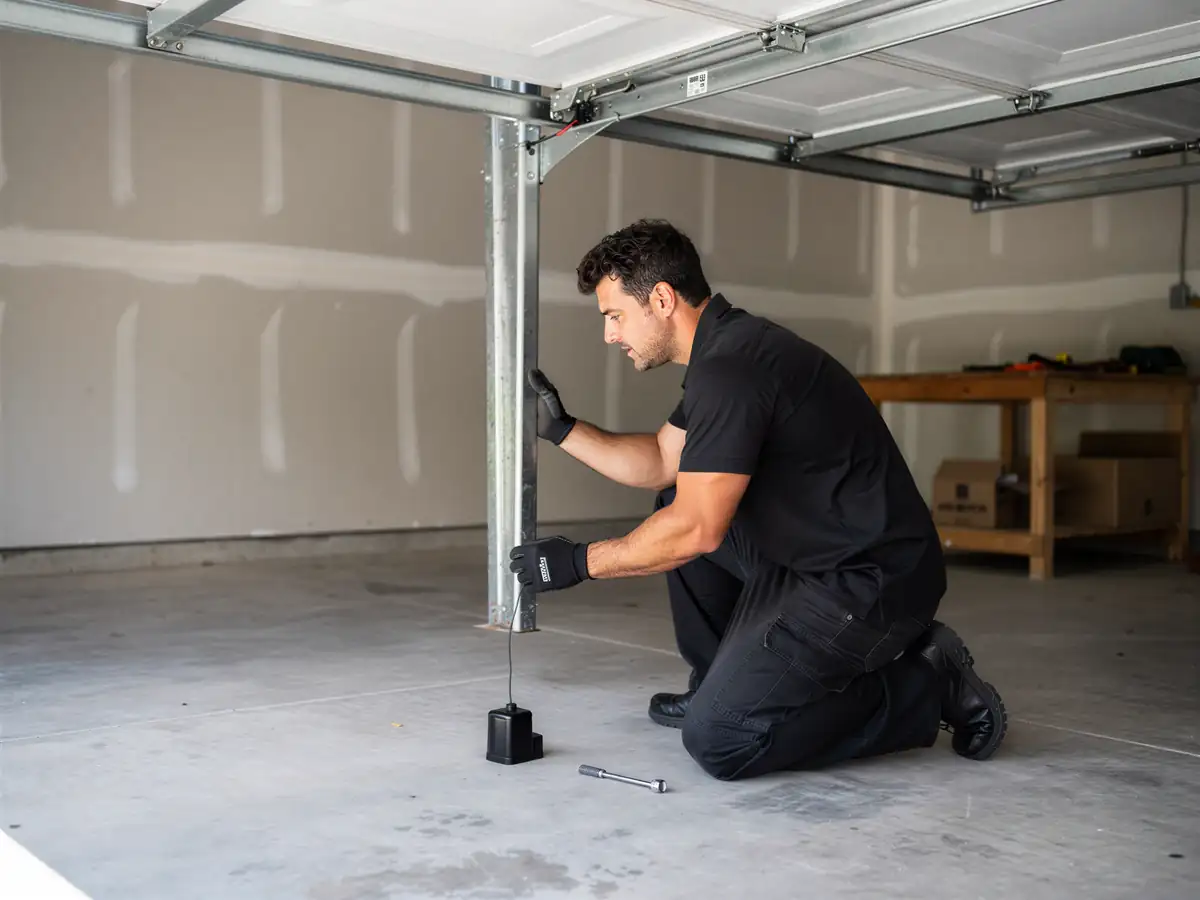
Replacing a roller on a door that's down and the spring is disconnected is within reach for someone comfortable with hand tools - it's mostly a matter of removing the roller bracket, swapping the roller, and reseating it in the track. Where people get hurt is working on a door that's still under spring tension, especially the bottom rollers near the cables. If your door is a torsion-spring setup, which most doors built in this era are, don't touch the bottom brackets with the door down and the spring loaded. If you're not sure which kind of spring your door has, that uncertainty alone is a reason to call rather than guess.
How Long It Takes
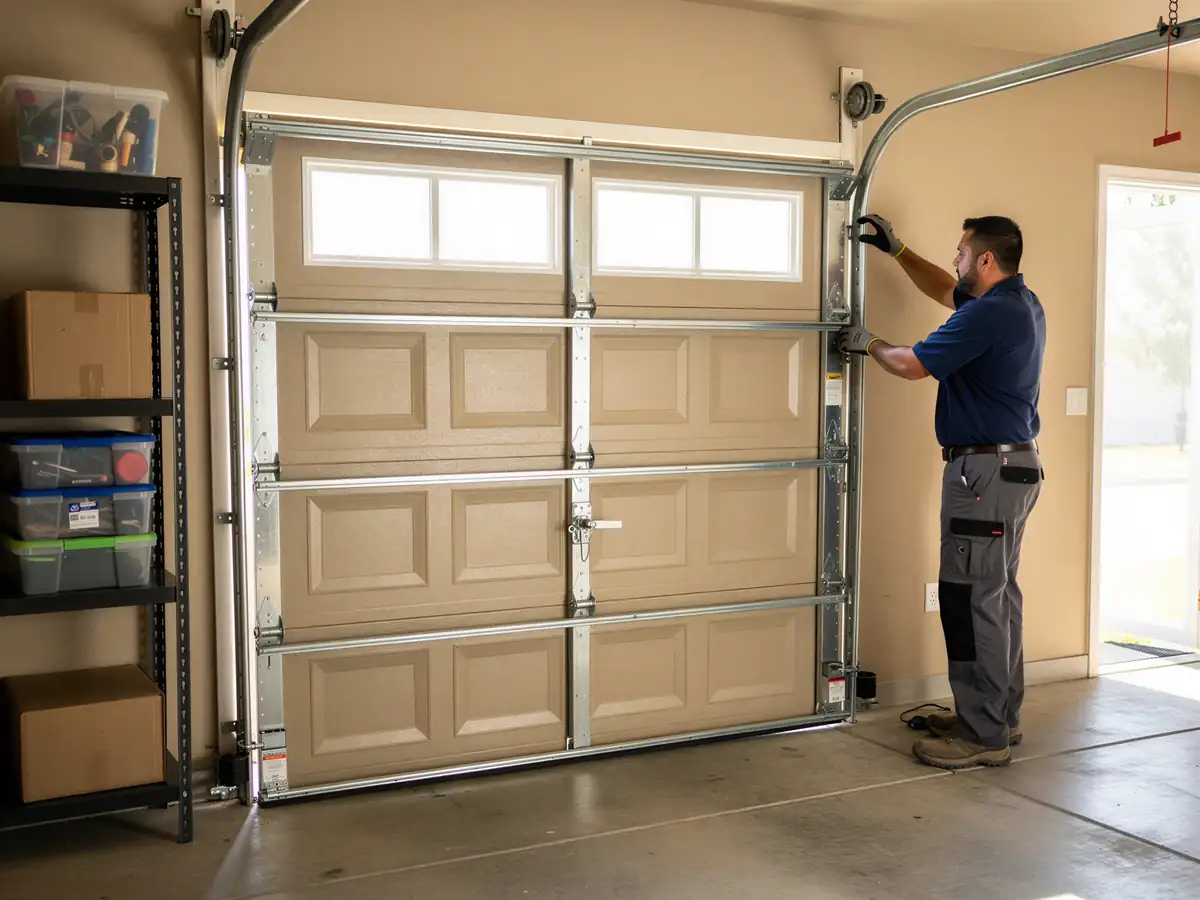
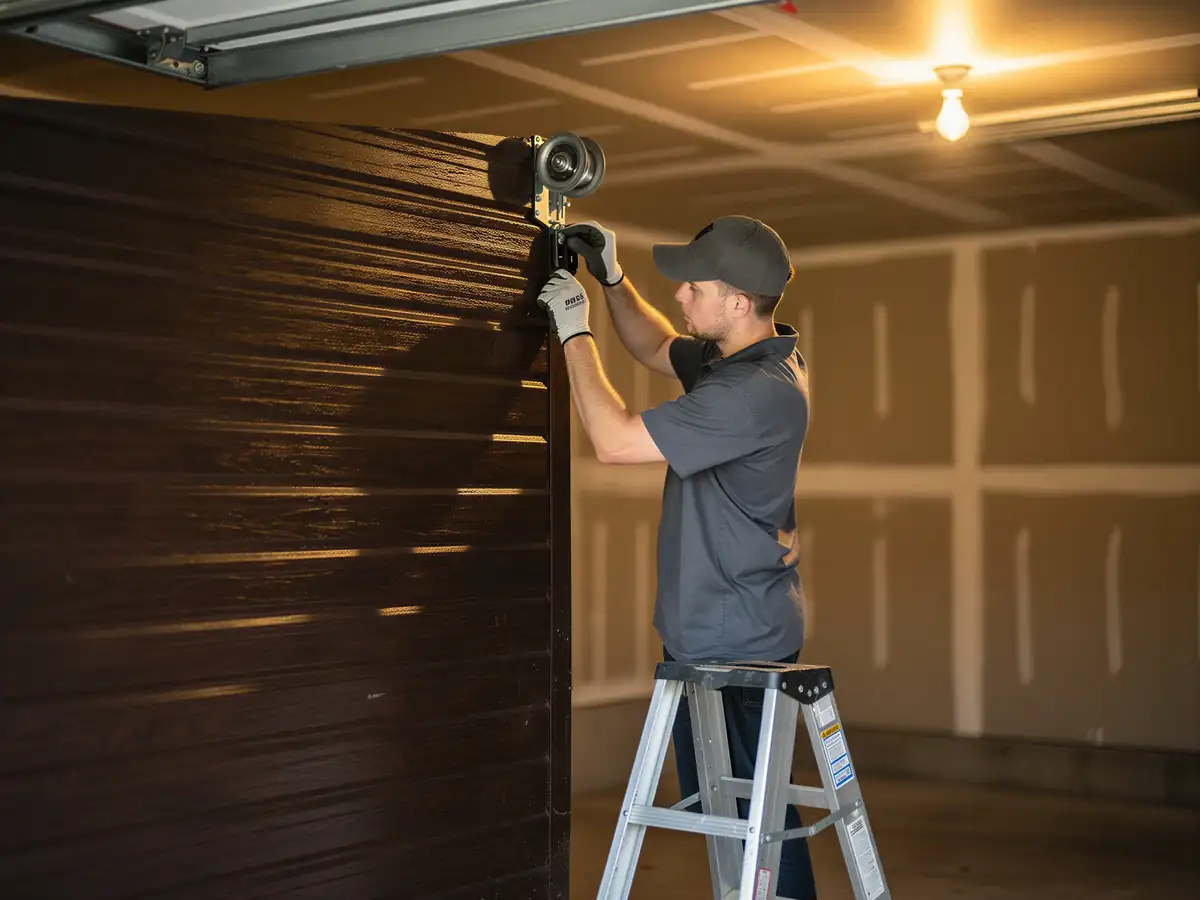
A standard roller swap - all ten rollers on a sectional door - usually runs under two hours once we're on site, track condition and door weight being the variables. If the track is bent or the rollers have been grinding long enough to chew up the track edge, that adds time because the track has to come off and get straightened or replaced before new rollers go in. On newer doors like most of what's in Holly Springs, we're more often replacing rollers before the track takes that kind of damage, since nylon rollers tend to fail with noise and resistance well before they let the door run off the rails.
The Symptom
The giveaway is noise that tracks with the roller, not the opener - a rhythmic squeak or clunk that happens once per roller per cycle, getting louder as the door speeds up through the middle of its travel. You might also see the door hesitate or jump slightly at the same point every time, which is usually a roller that's flat-spotted or cracked catching on the track seam. If the noise is constant and mechanical rather than rhythmic, that's more often the opener chain or a dry hinge, not the rollers - worth mentioning so you're not paying for a roller job that won't fix the actual noise.